Thermal Energy Efficiency in Windows: A Comprehensive Guide
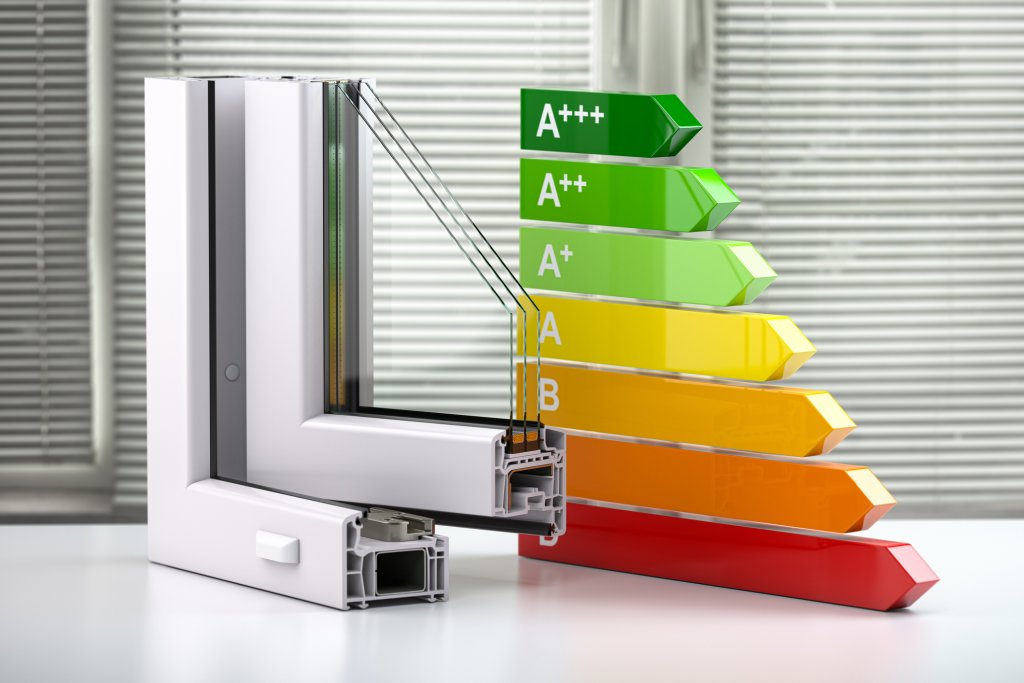
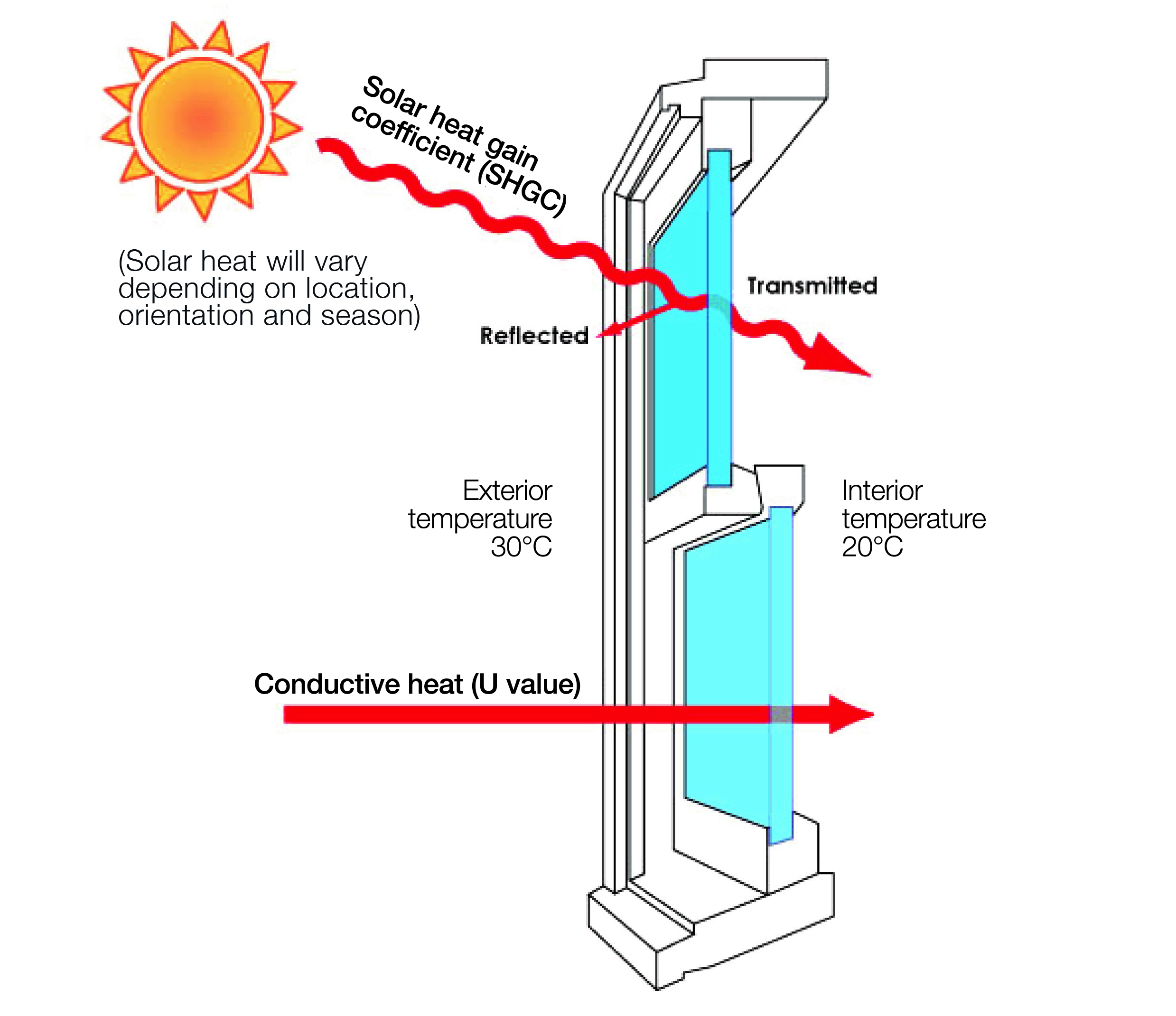
When it comes to making your home more comfortable and energy-efficient, there's no better place to start than with your windows. Thermal energy efficiency in windows is crucial in minimizing heat loss and heat gain, which can significantly impact your energy bills and overall comfort level. In this article, we'll delve into the world of thermal energy efficiency in windows, exploring what it is, how it works, and why it's essential for a more sustainable living space.
What are Thermal Windows?
Benefits of Thermal Windows
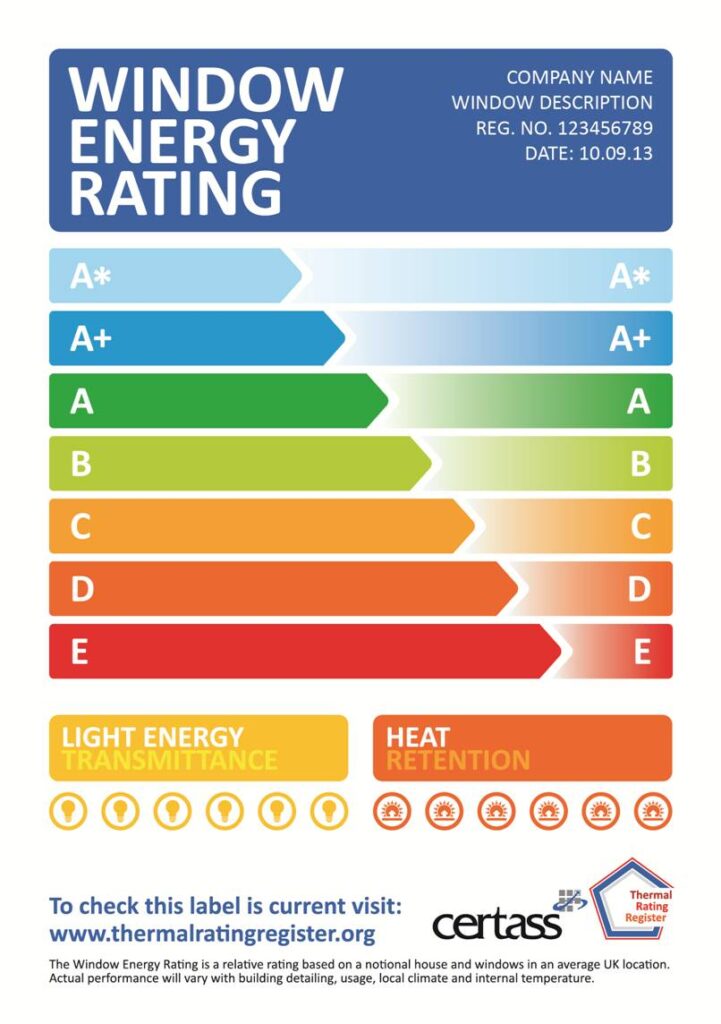
- Reduce Heat Transfer: Thermal windows minimize heat transfer, keeping your home comfortable year-round.
- Lower Energy Bills: By reducing heat transfer, thermal windows lower your energy bills and make your home more energy-efficient.
- Improved Comfort: Thermal windows create a more comfortable indoor environment by minimizing temperature fluctuations.
- Protection from Extreme Temperatures: Thermal windows protect your home from heat gain and heat loss, making it more resilient to extreme temperatures.
What Makes Thermal Windows Energy Efficient?
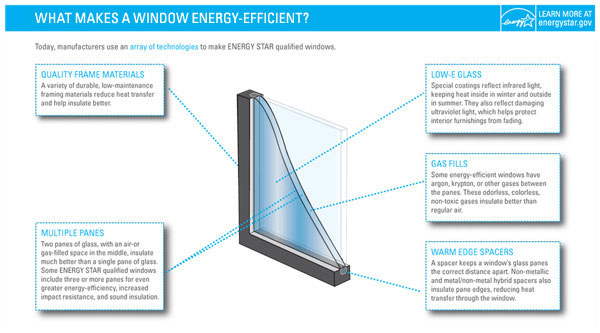
Thermal-windows efficiency lies in their design and materials. Look for windows with features such as:
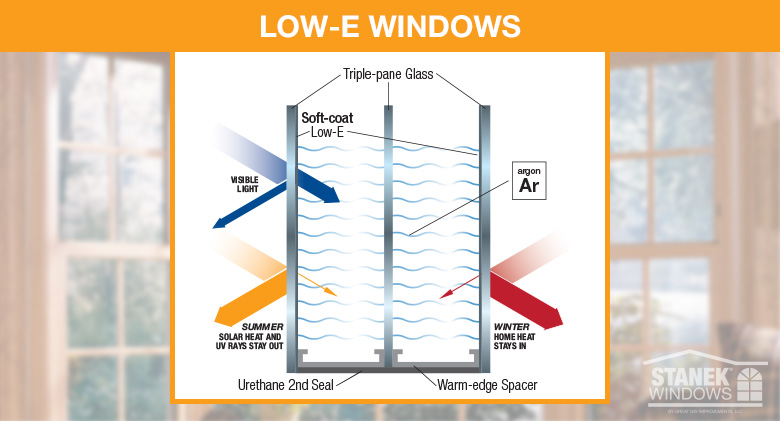
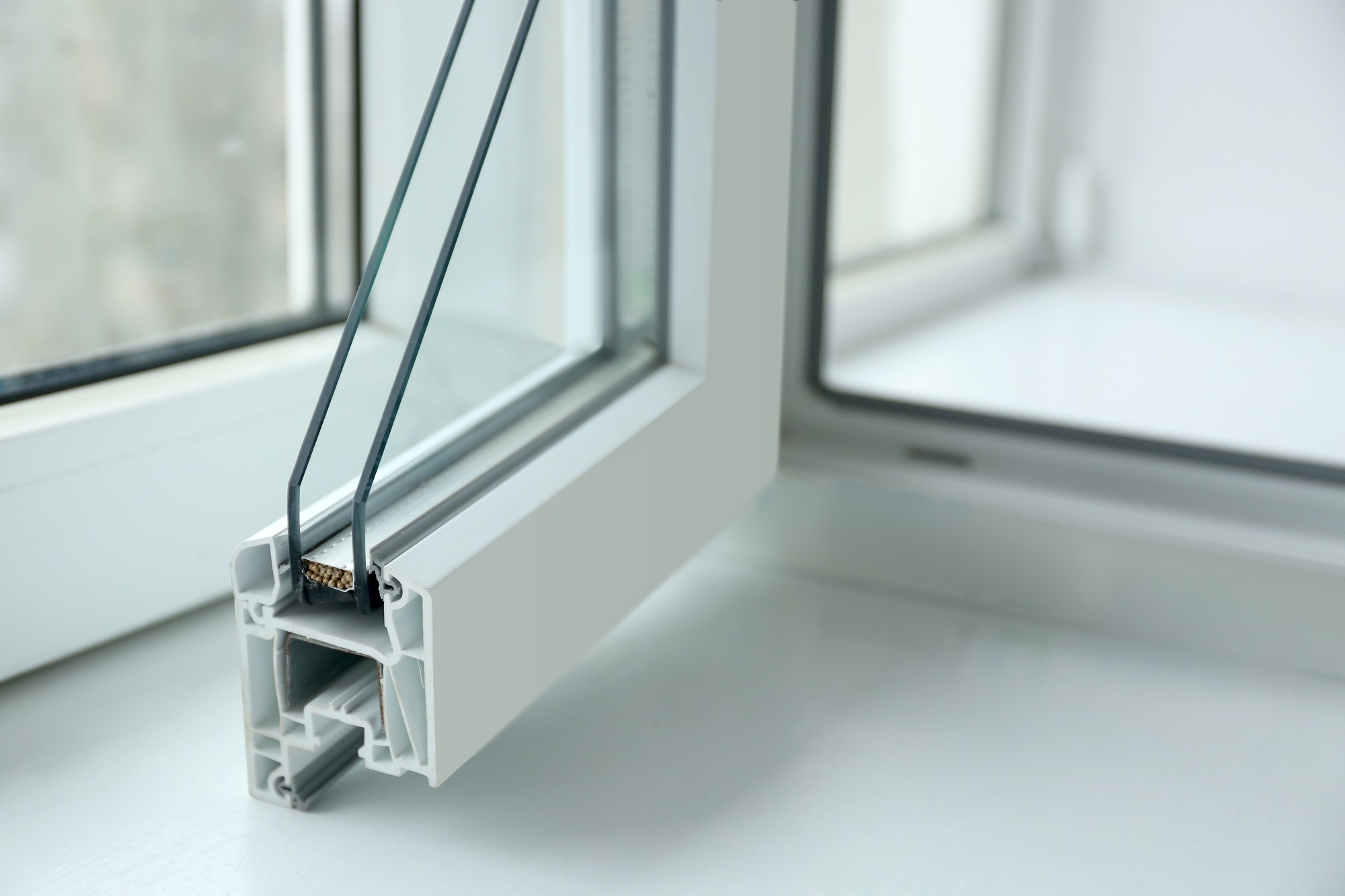
- Double or triple glazing: Additional panes of glass provide extra insulation and reduce heat transfer.
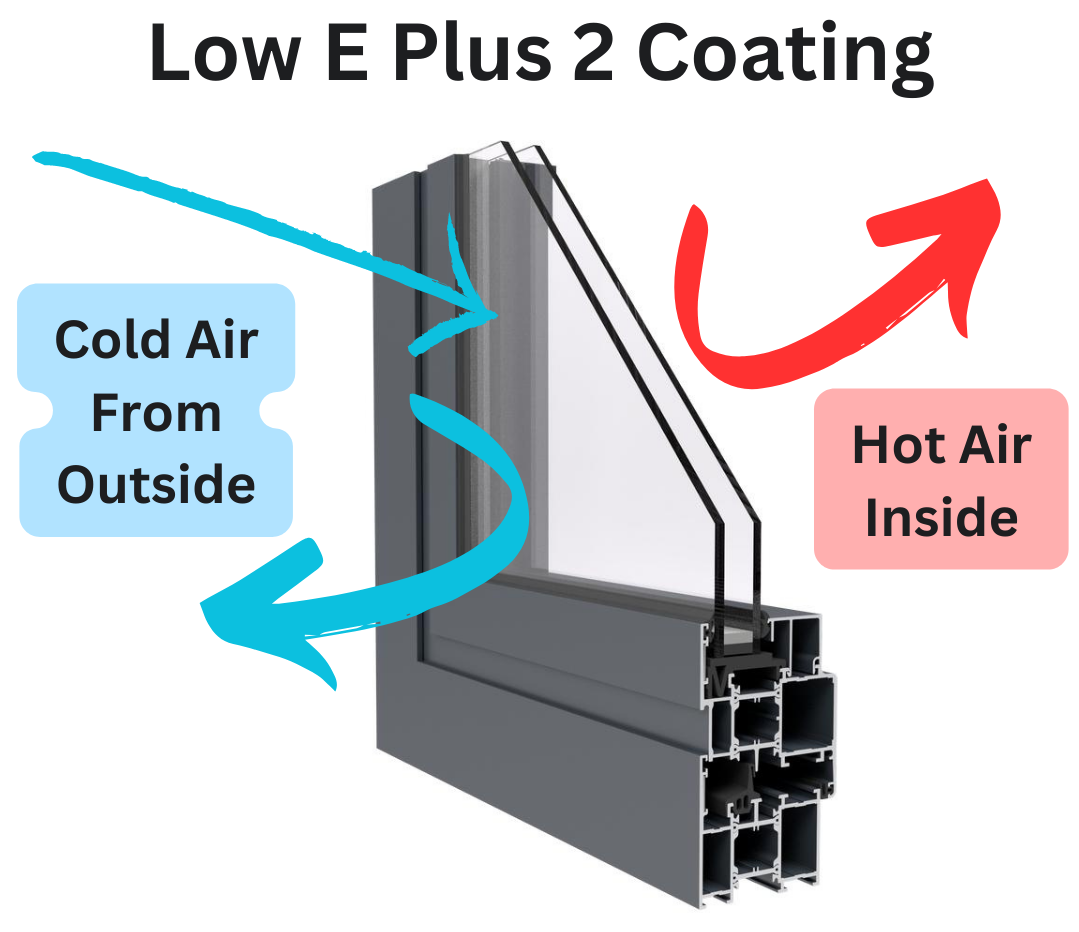
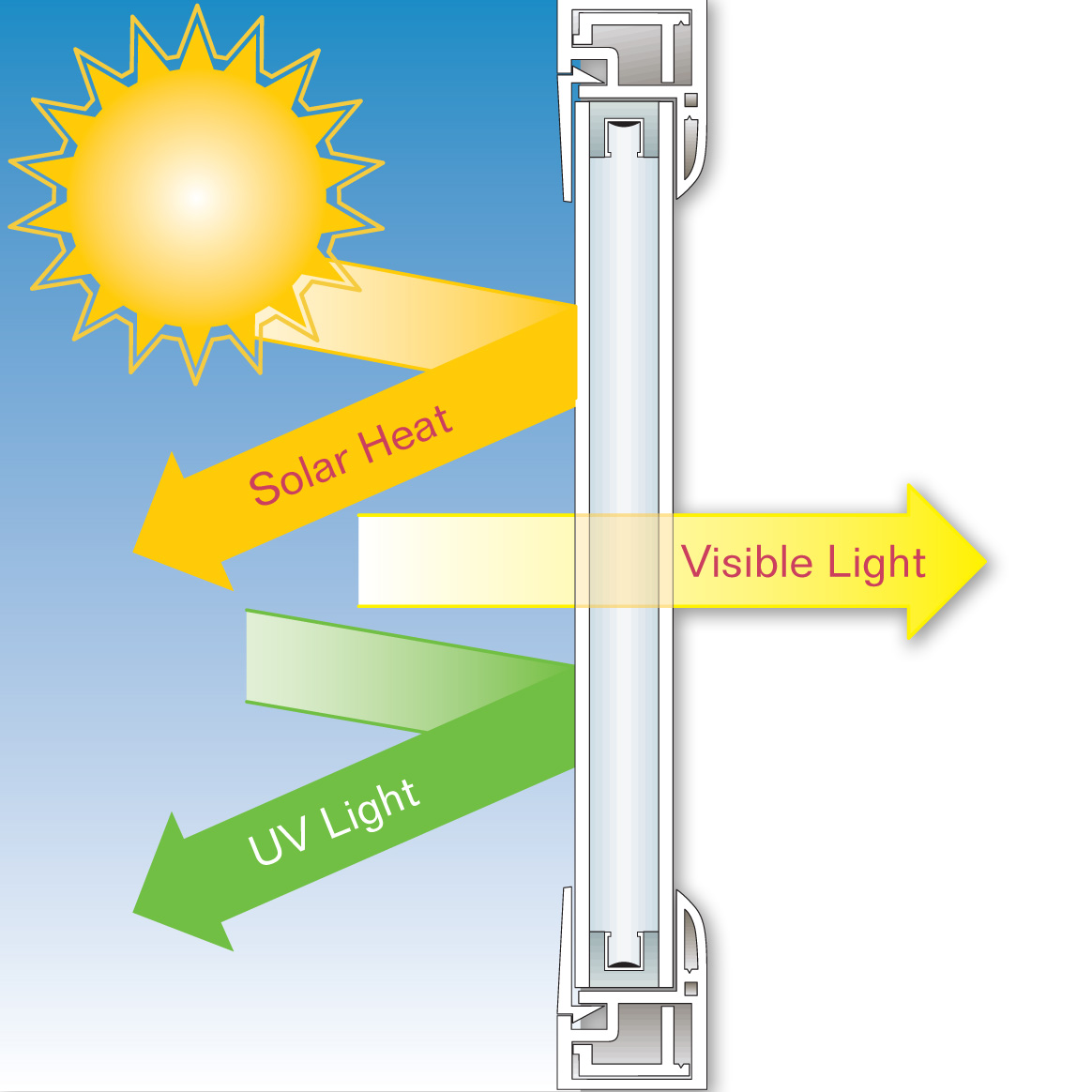
- Low-E coatings: Specialized coatings on the glass reduce heat transfer by reflecting infrared radiation.
- Gas fills: Filling gaps between panes with gases like argon or krypton improves insulation by reducing convective heat transfer.
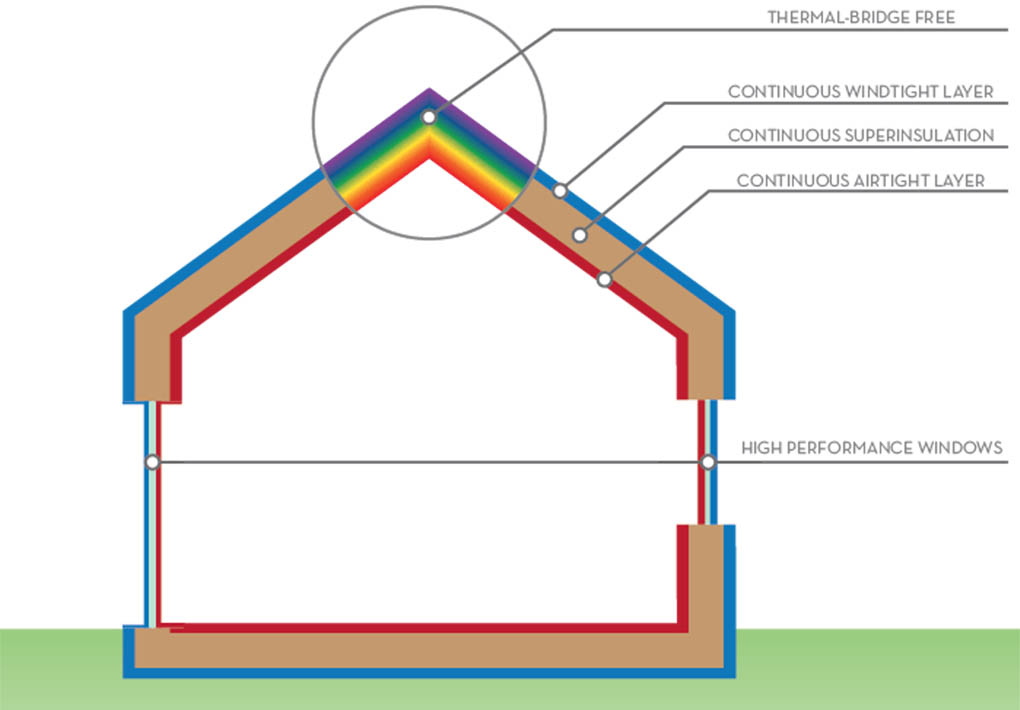
- Thermal breaks: A thermal break is a heat-resistant material inserted between the window's frames, reducing heat transfer through conduction.