The Hidden Truth About Environmental Impact of Septic Tanks
May 24, 2025 is a date that will go down in history as the day we took a closer look at the environmental impact of septic tanks, their risks, and actionable solutions for better wastewater management.
The Real Risks of Septic Systems
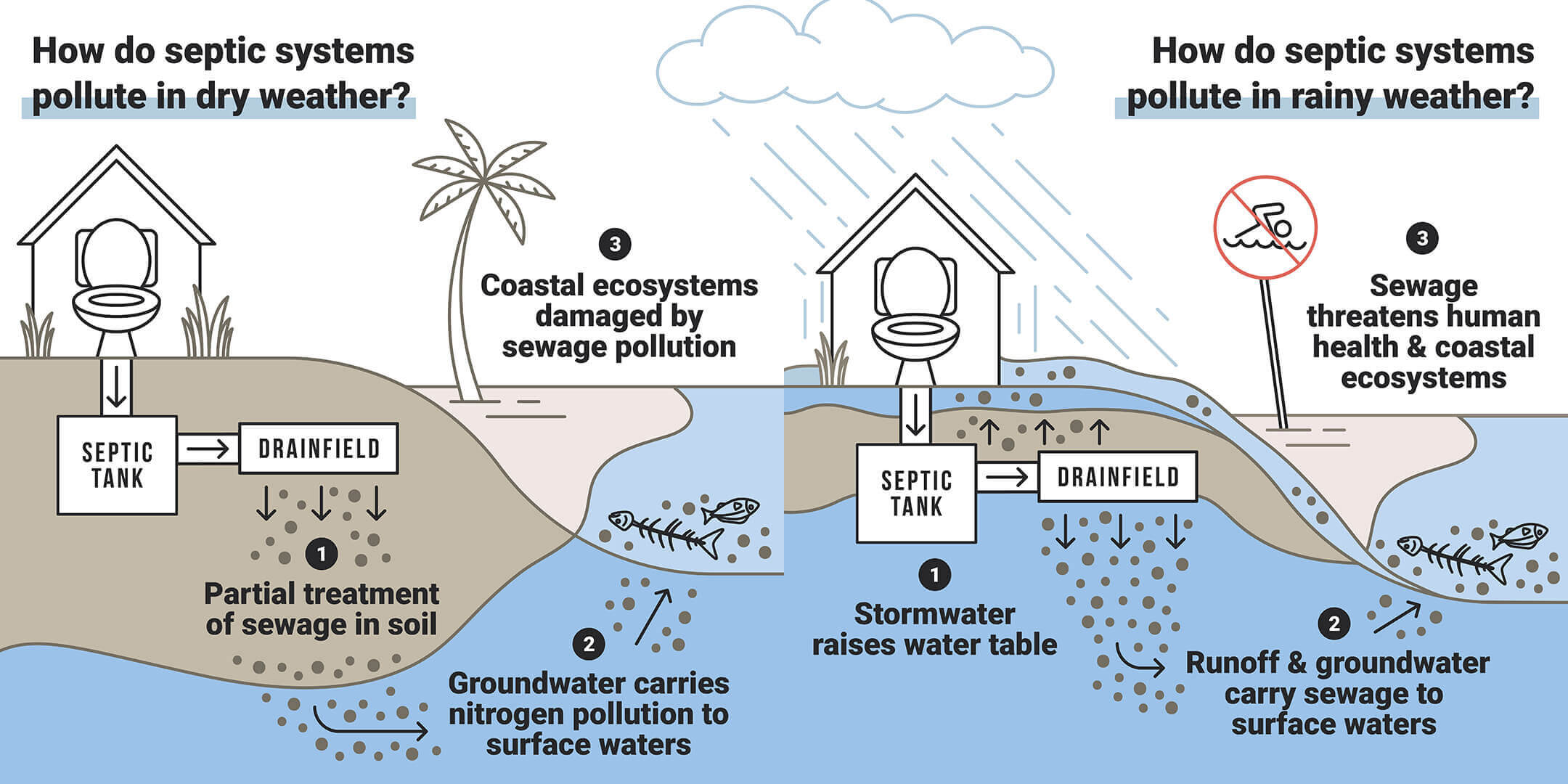
Septic systems may impact local drinking water wells or surface water bodies. The extent of this impact depends on how well your septic system is designed, installed, maintained, and if it is used properly. Systems that are sited in densities that exceed the treatment capacity of regional soils and systems that are poorly designed, installed, operated, or maintained can cause problems. The most significant risks include groundwater contamination, harm to aquatic ecosystems, and public health risks.
Understanding How Septic Systems Work

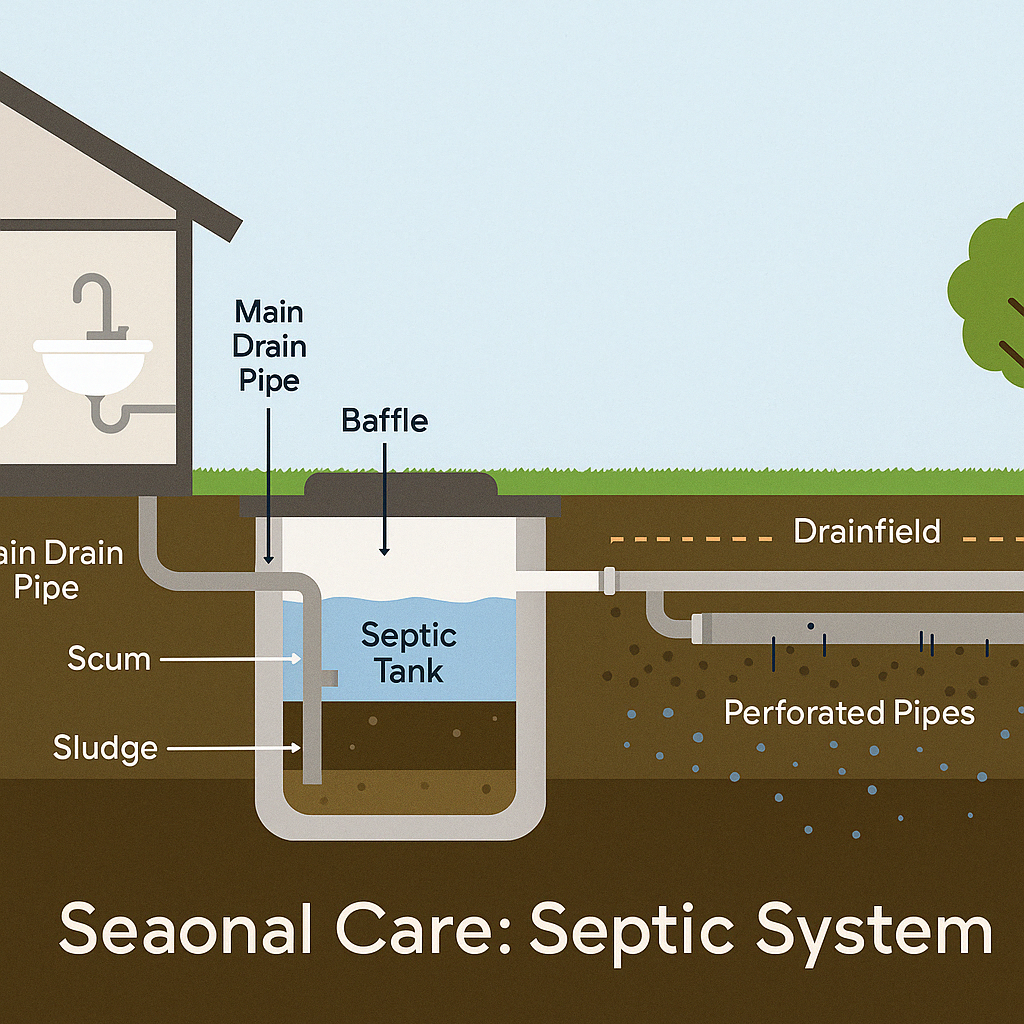
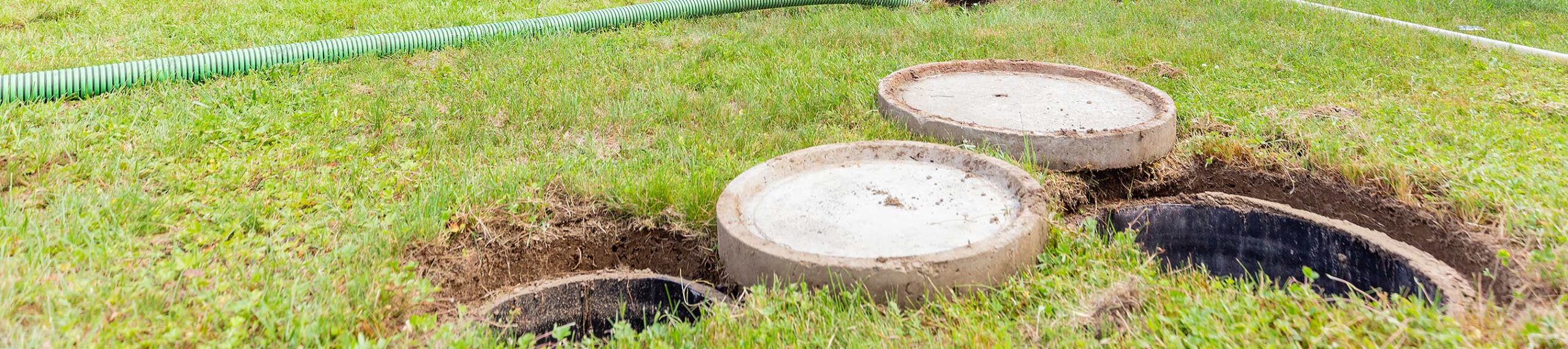
Before diving into the environmental impact of septic tanks, it's essential to understand how septic systems function. A typical system includes a septic tank and a drain field (or leach field). Wastewater from your home flows into the septic tank, where solids settle at the bottom and lighter materials like grease float to the top.
The Environmental Impact of Septic Tanks
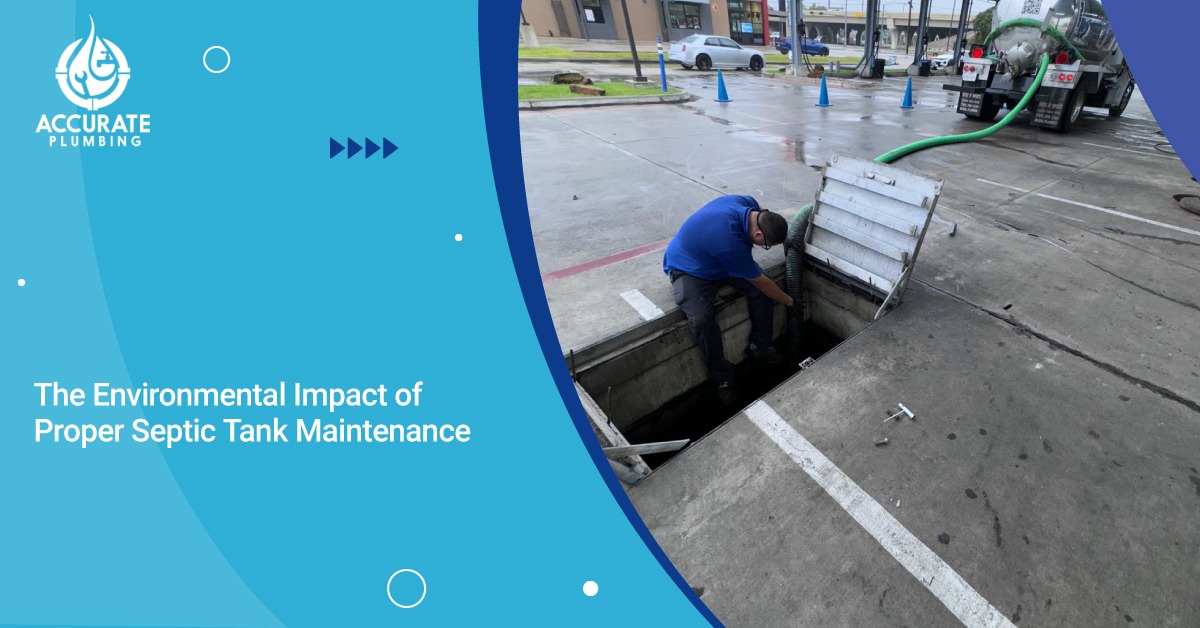
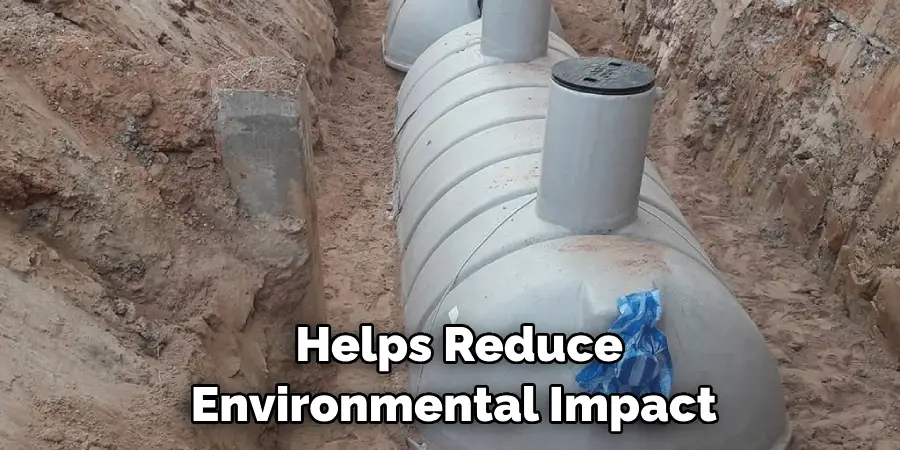
To fully grasp the environmental impact of septic tanks, it helps to first understand what septic tanks are and how they work. A septic system is an underground wastewater treatment setup commonly used in rural or suburban areas where centralized sewage systems aren't available. Septic tanks receive wastewater from your home and treat it through a process of settlement and filtration. However, if not properly maintained, septic systems can have a significant environmental impact, including polluting groundwater, harming ecosystems, and contributing to public health risks.