Skylight Replacement Materials: A Comprehensive Guide
As architectural trends continue to evolve, the materials used for skylight replacements are becoming increasingly diverse, catering to both aesthetic preferences and functional requirements. In this article, we will delve into the various skylight replacement materials available, highlighting their advantages and disadvantages, to help homeowners and builders make informed decisions.
Type of Skylight Replacement Materials
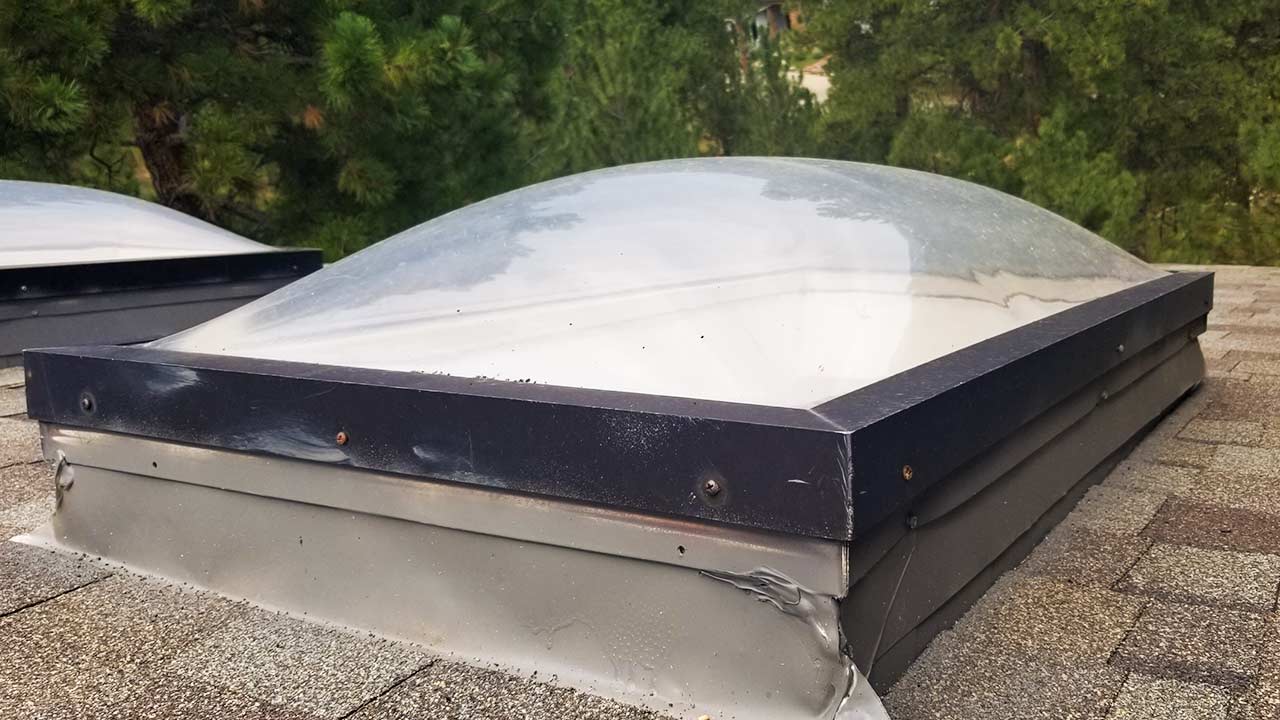
The type of skylight replacement material chosen will significantly impact the overall cost, durability, and energy efficiency of the skylight. The primary types of skylight replacement materials include:
- Glass: Glass is a popular choice for skylight replacements due to its strength, durability, and ability to transmit natural light. There are various types of glass used in skylights, including tempered, laminated, and hybrid options.
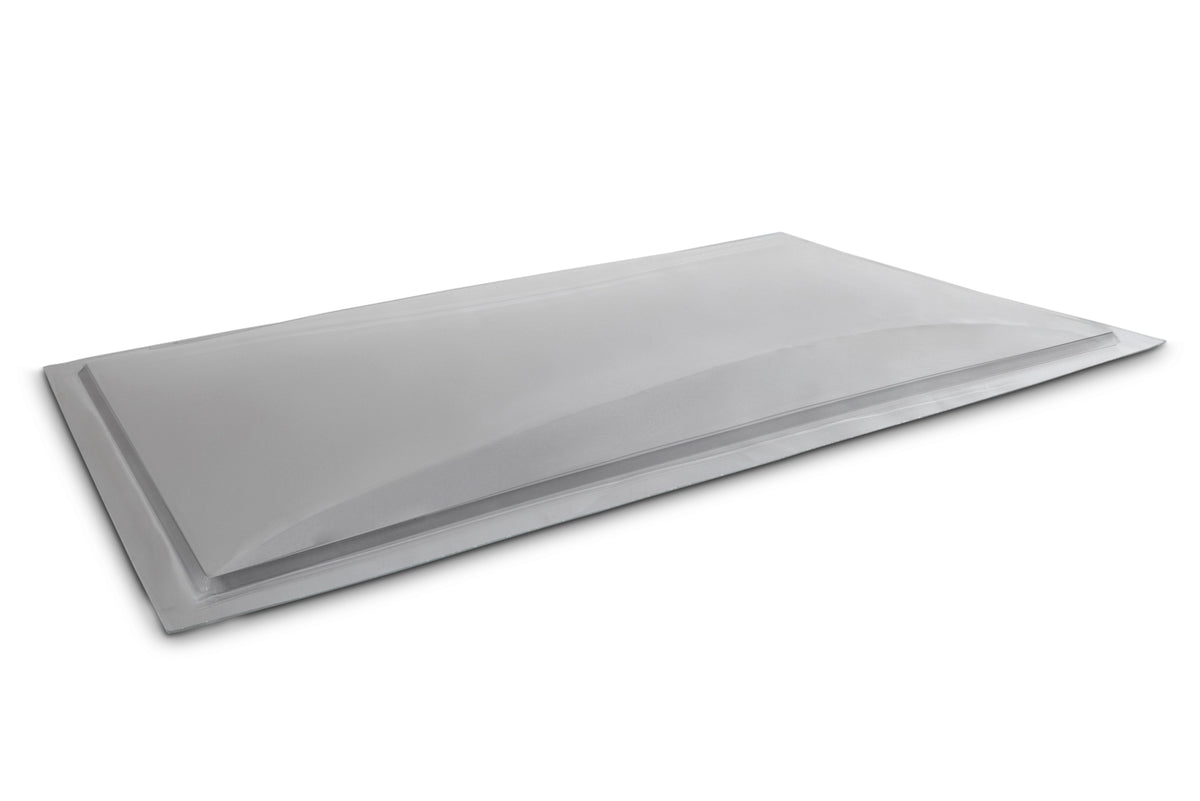
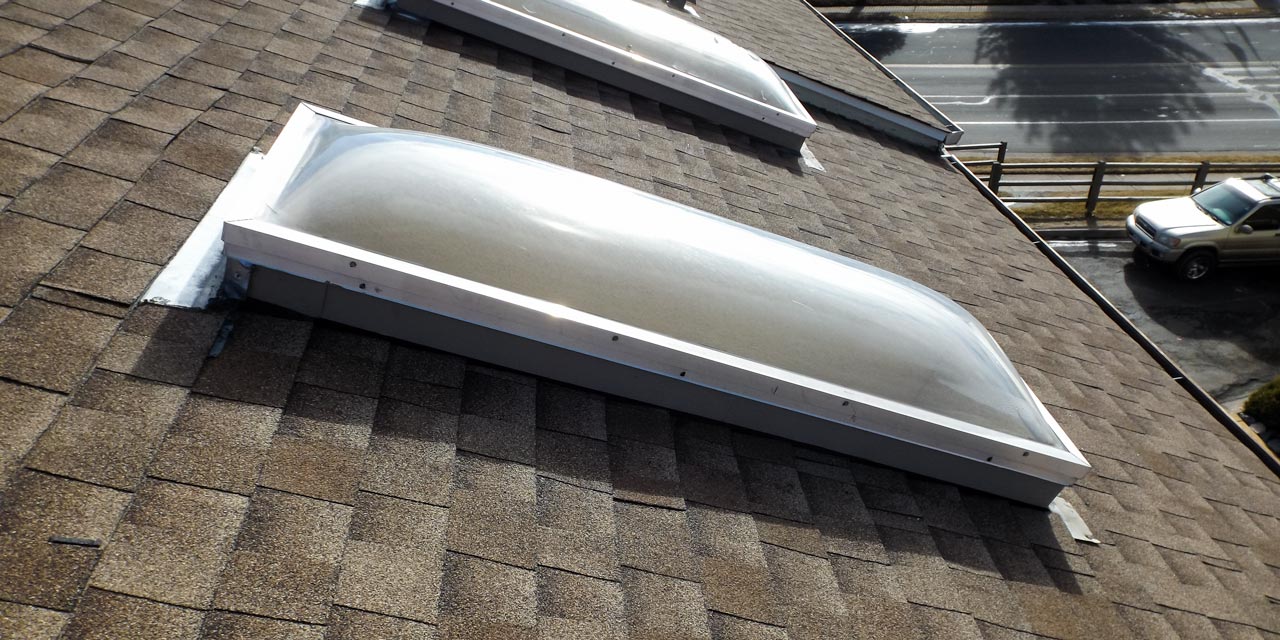
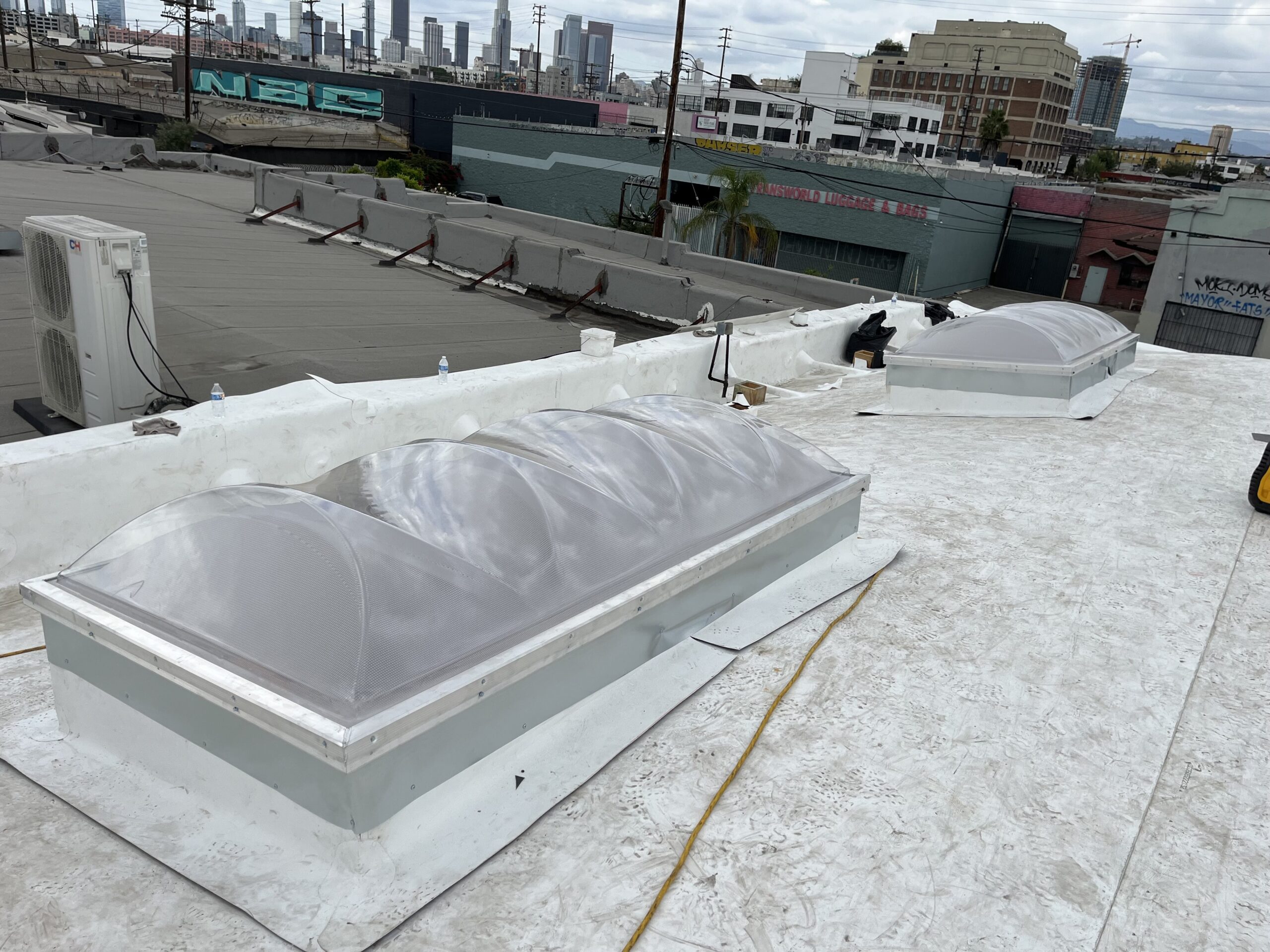
- Plastic (Acrylic or Polycarbonate): Plastic skylights are made from acrylic or polycarbonate sheets, offering a more affordable alternative to glass while still providing excellent light transmission and durability.
- Aluminum or Metal: Aluminum or metal skylights are lightweight, corrosion-resistant, and offer a sleek appearance. However, they can be noisy and may not provide the same level of insulation as other materials.
- Composite Materials: Composite skylights combine different materials, such as plastic and metal, to provide a durable and energy-efficient solution. These materials are often used in commercial skylights.
- Wooden Skylights: Wooden skylights are a more traditional option, offering a natural, unique appearance. However, they require regular maintenance to prevent rot and damage.