Resistance Training and GLP-1 Protein: Unlocking Optimal Weight Loss
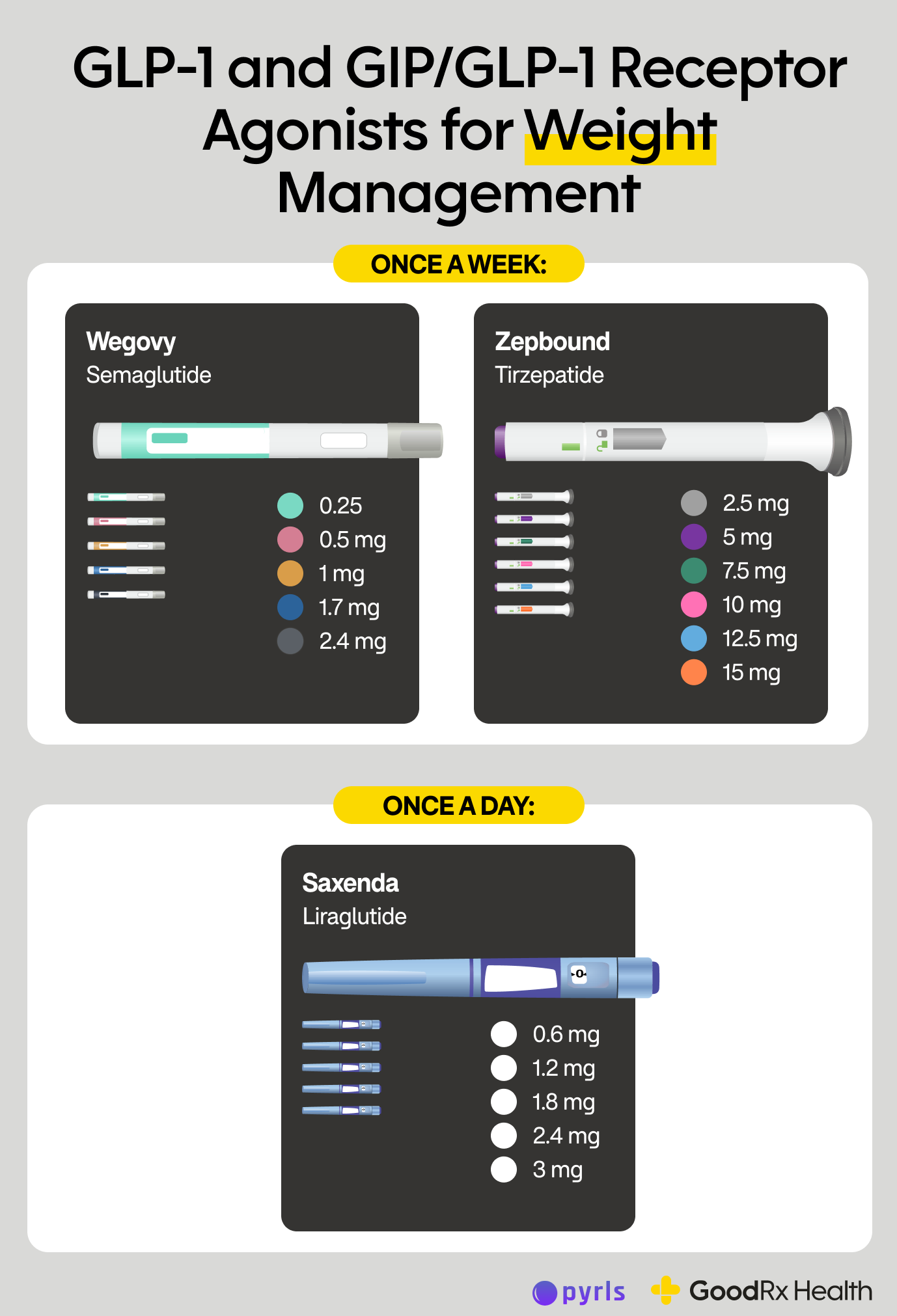
In the fight against obesity, glucagon-like peptide-1 (GLP-1) receptor agonists have emerged as a highly effective tool, helping millions of people achieve significant weight loss. However, with the promise of these medications comes a potential drawback: muscle loss. Fortunately, research has shown that combining GLP-1 therapy with resistance training and adequate protein intake can mitigate this risk and unlock optimal weight loss outcomes.
The Science Behind GLP-1 and Muscle Loss
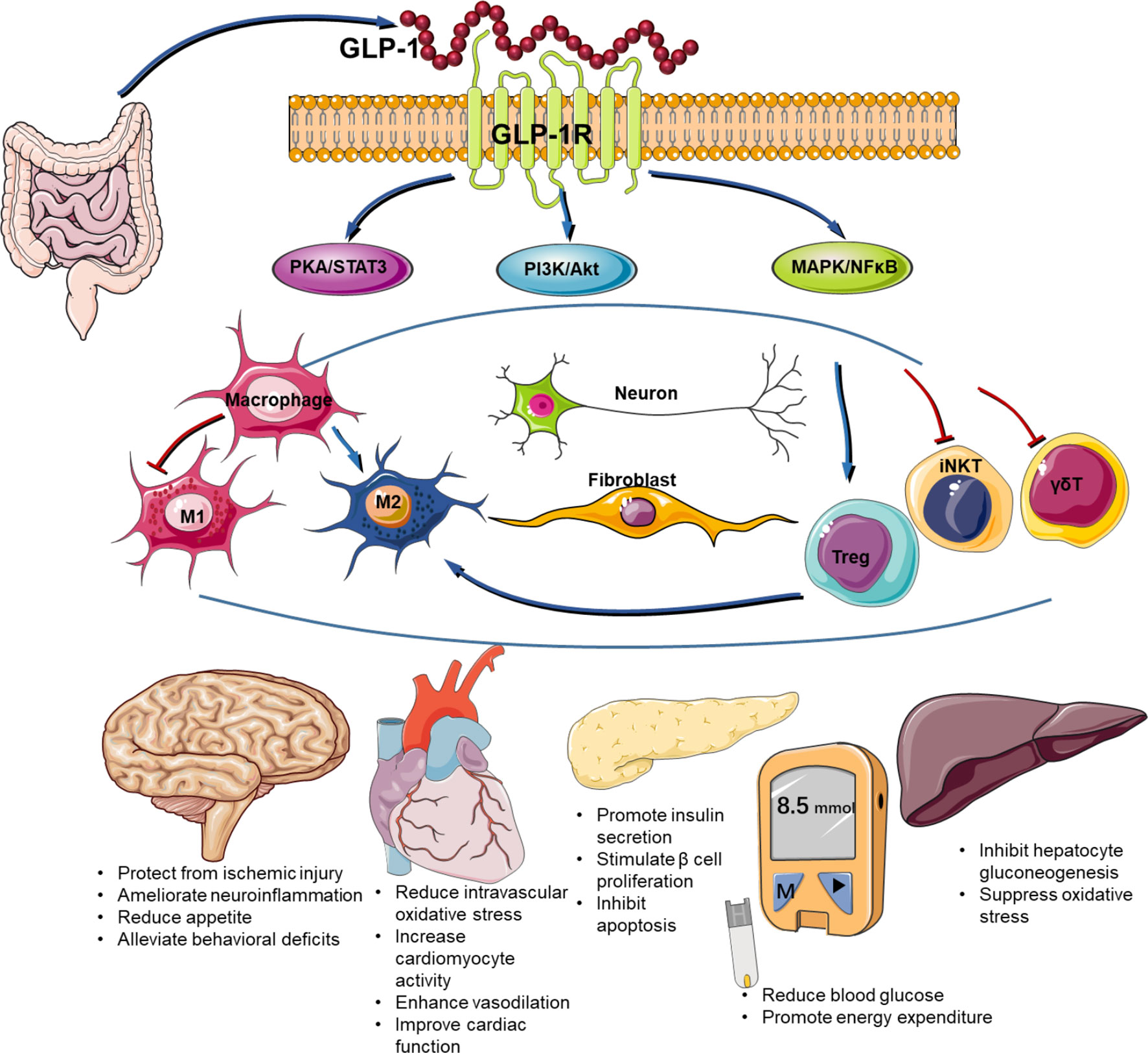
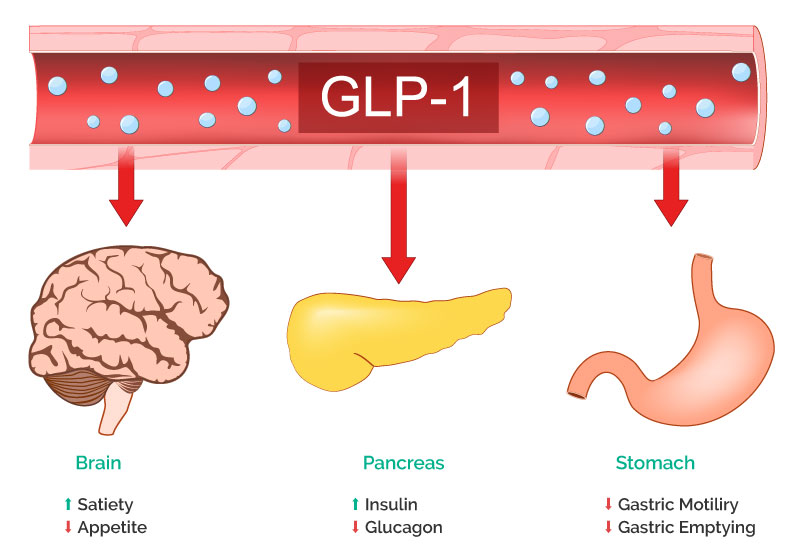
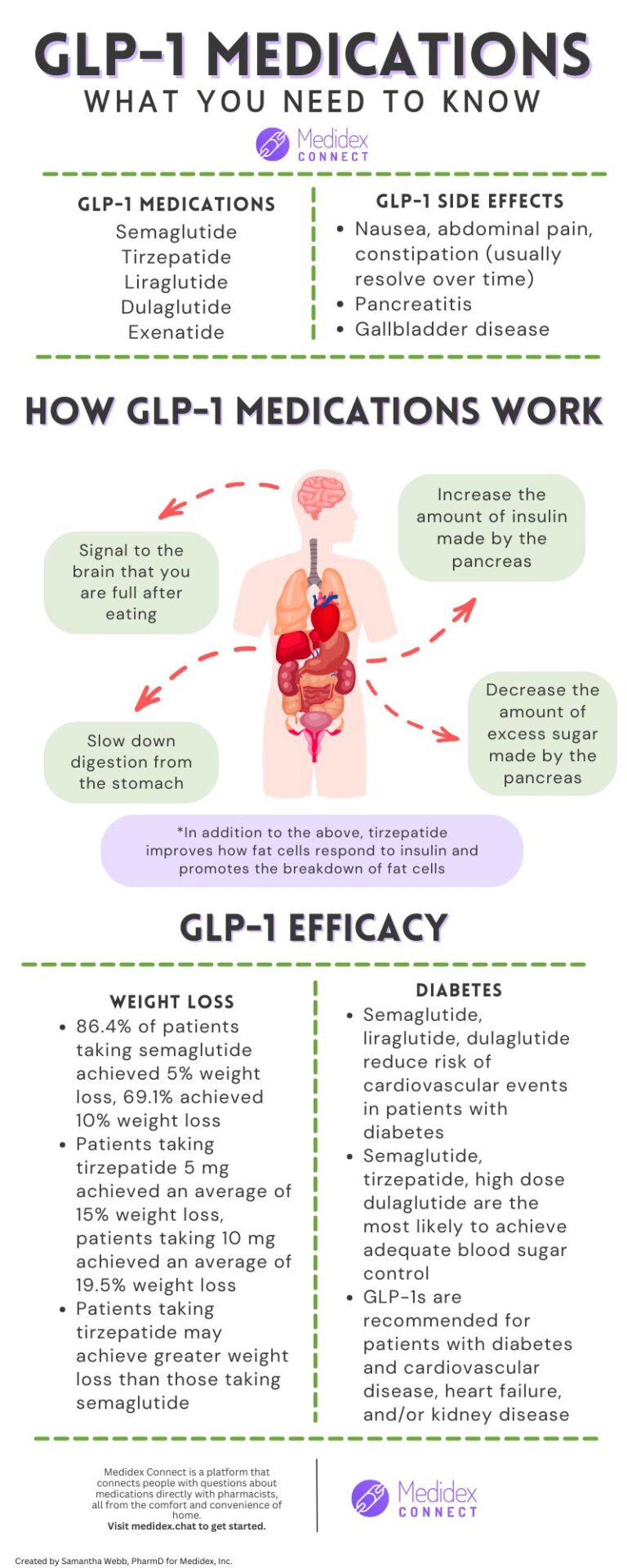
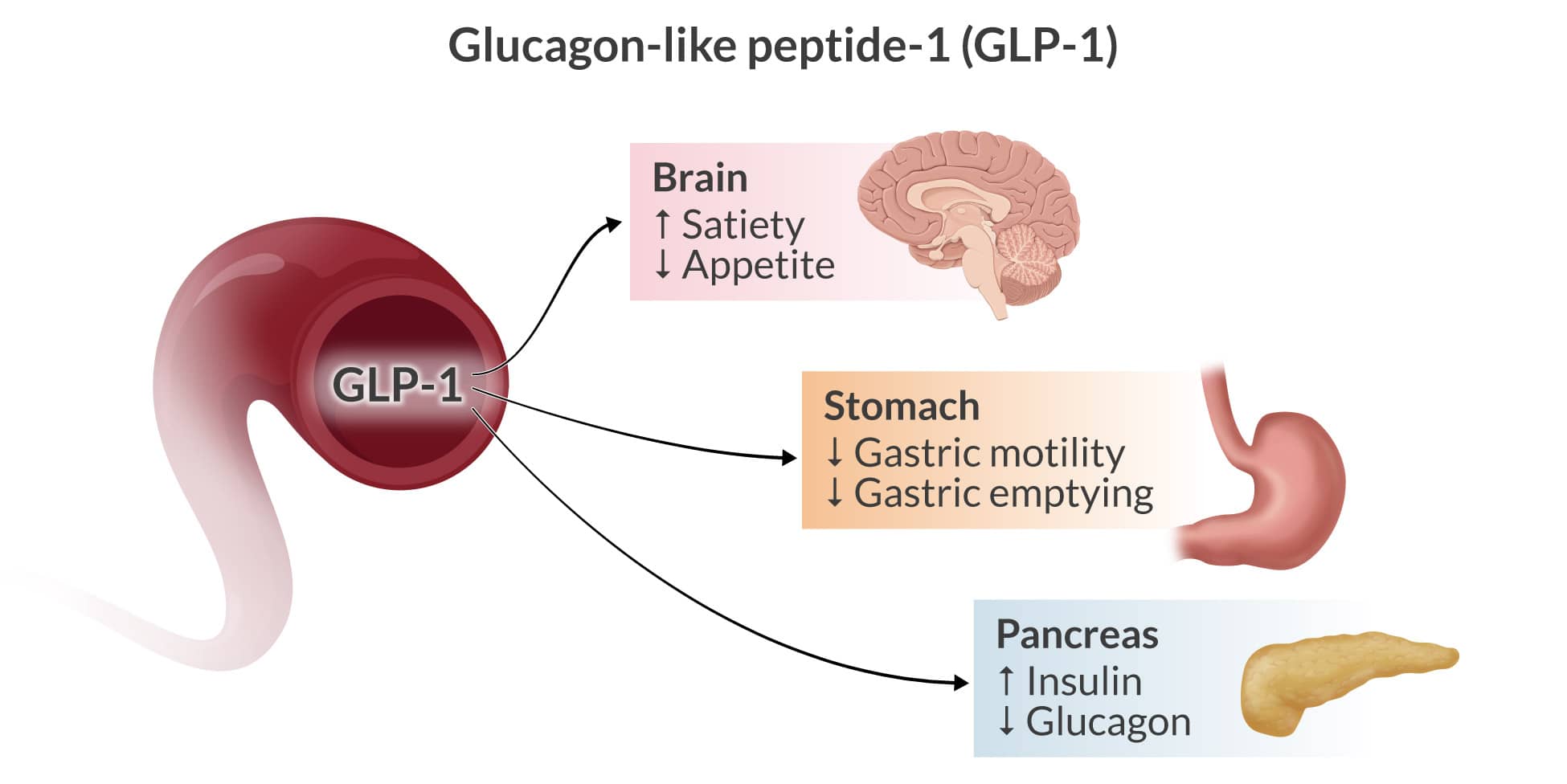
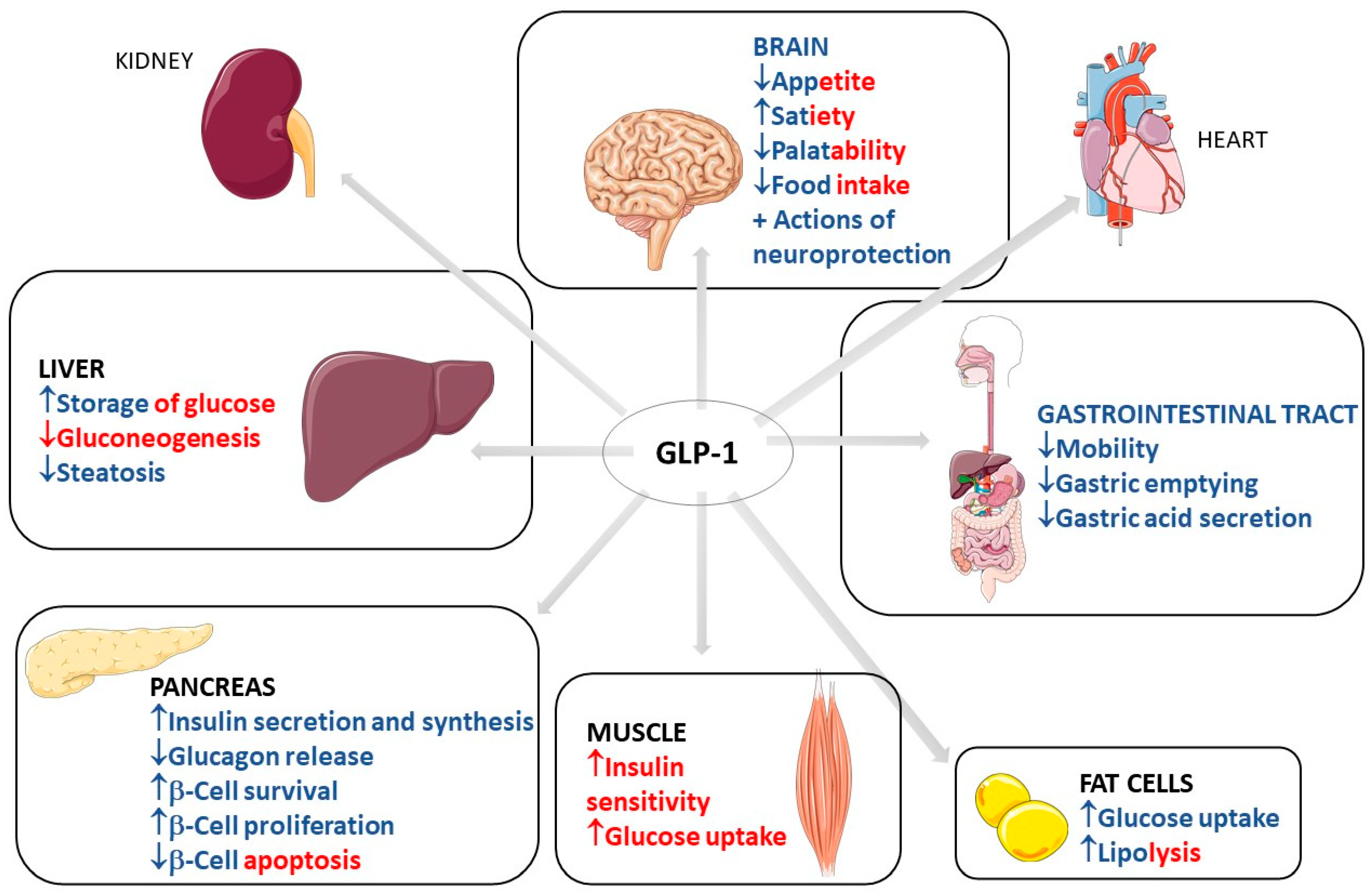
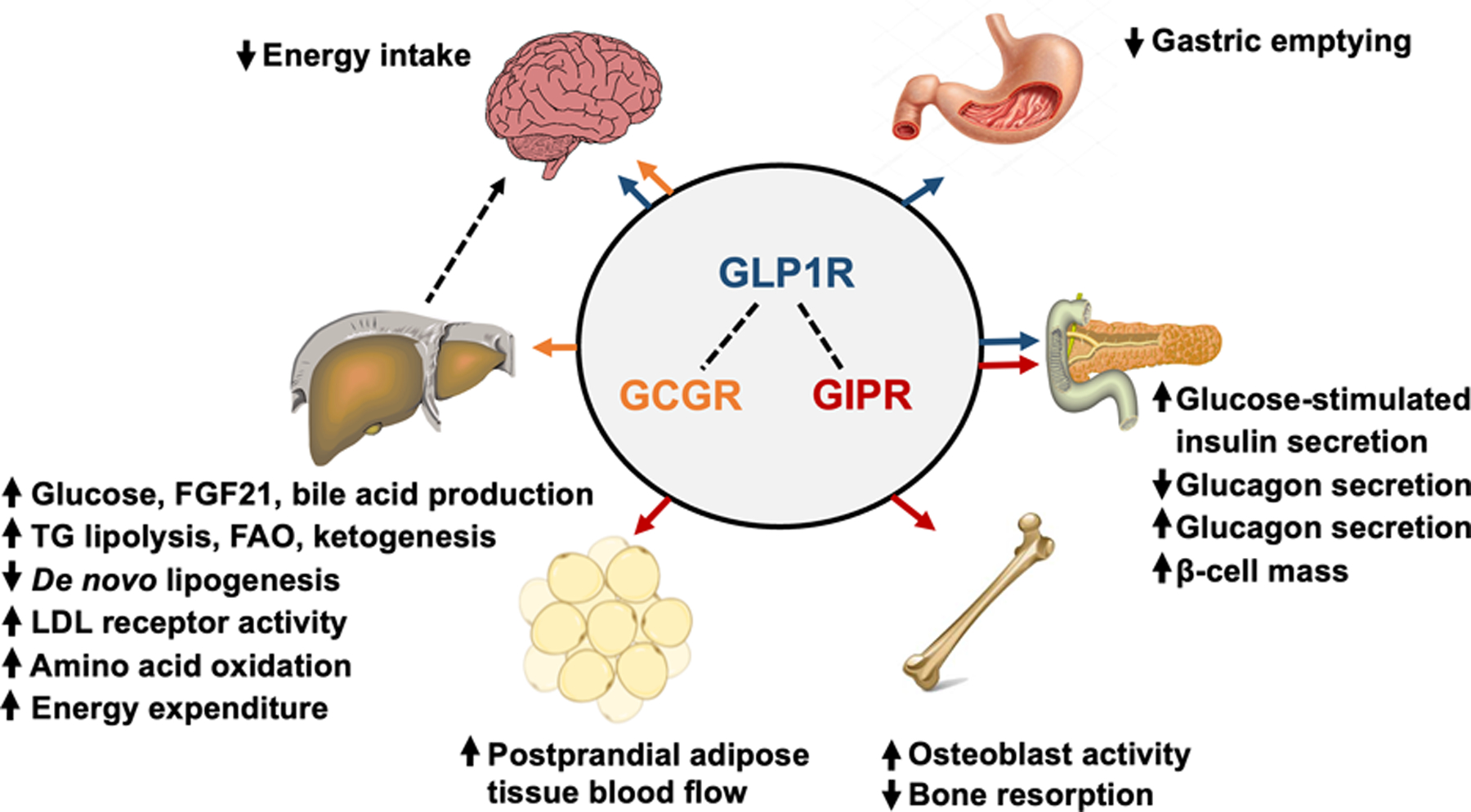
When used for weight loss, GLP-1 medications work by suppressing appetite and improving insulin sensitivity, leading to a reduction in calorie intake and increased fat burning. However, this approach can also result in muscle loss, particularly if not balanced with proper nutrition and exercise.

Studies have shown that GLP-1 therapy can lead to muscle loss, with some estimates suggesting that up to 40% of weight lost may be lean mass. This is a significant concern, as muscle loss can lead to decreased metabolic rate, increased risk of frailty, and a higher likelihood of weight regain.
Resistance Training: The Key to Preserving Muscle Mass
Fortunately, research has highlighted the importance of resistance training in preserving muscle mass during GLP-1 therapy. By incorporating regular resistance training into a weight loss regimen, individuals can mitigate the risk of muscle loss and maintain a healthier body composition.