Occupational Health and Air Purification: A Crucial Partnership for a Healthier Workforce
Indoor air quality (IAQ) is a critical aspect of any workplace, but its impact extends far beyond employee comfort. Poor IAQ has been linked to a myriad of health problems, including headaches, fatigue, trouble concentrating, and irritation of the eyes, nose, throat, and lungs. In fact, some specific diseases have been tied to specific air contaminants or indoor pollutants. With the increasing awareness of the importance of occupational health and air purification, employers are now grappling with the challenges of maintaining safe and healthy indoor environments.
The Risks of Poor IAQ
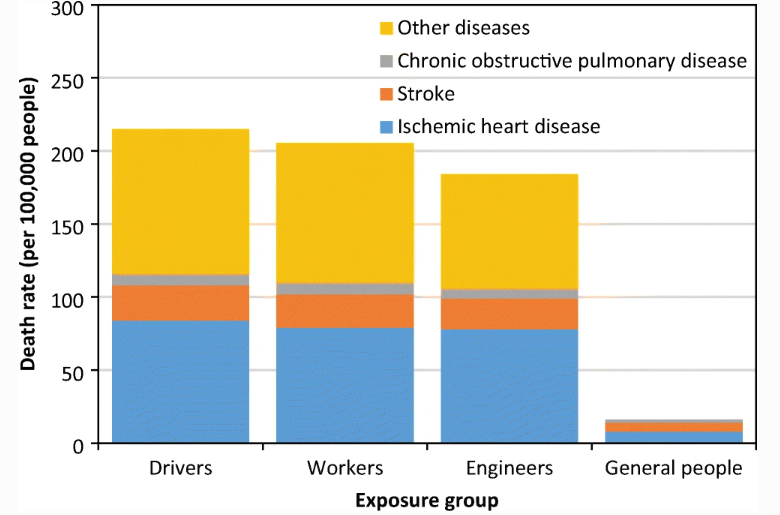
- Health risks: Poor IAQ can exacerbate respiratory issues, such as asthma, and even trigger heart attacks, strokes, and lung cancer.
- Productivity and worker comfort: Sick employees may experience lower productivity, absenteeism, and difficulties in concentrating, ultimately affecting overall job satisfaction and performance.
- Regulatory compliance: Failure to address IAQ issues can lead to non-compliance with occupational health and safety regulations, exposing employers to fines and reputational damage.

Improving Air Quality through Effective Strategies
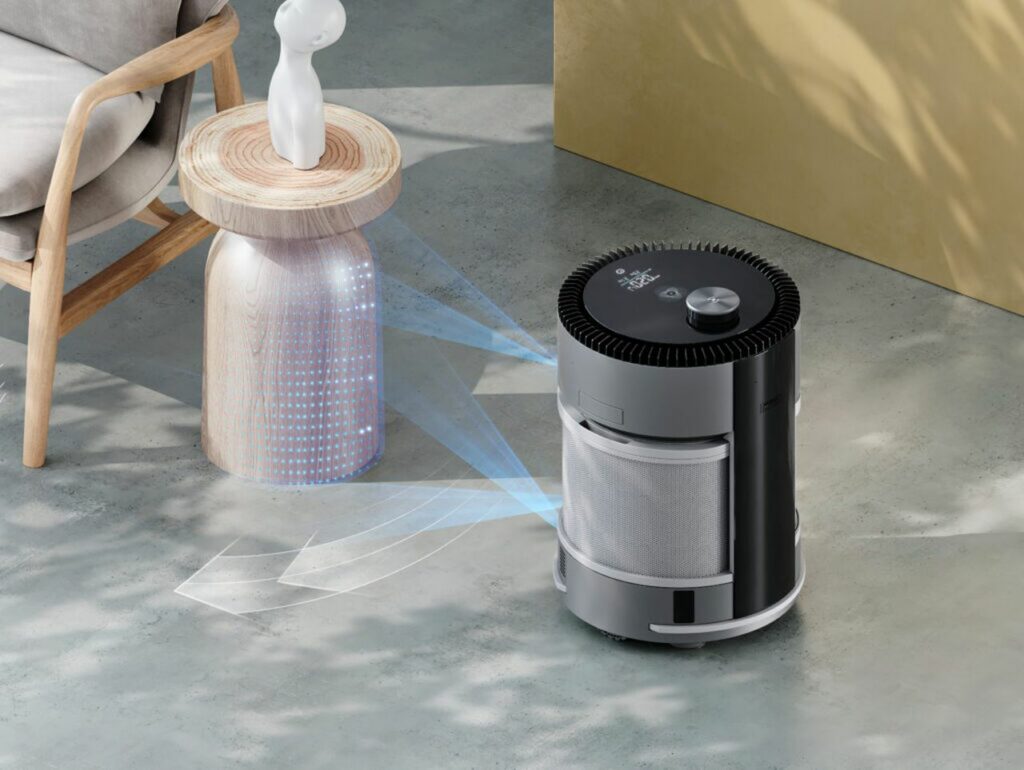
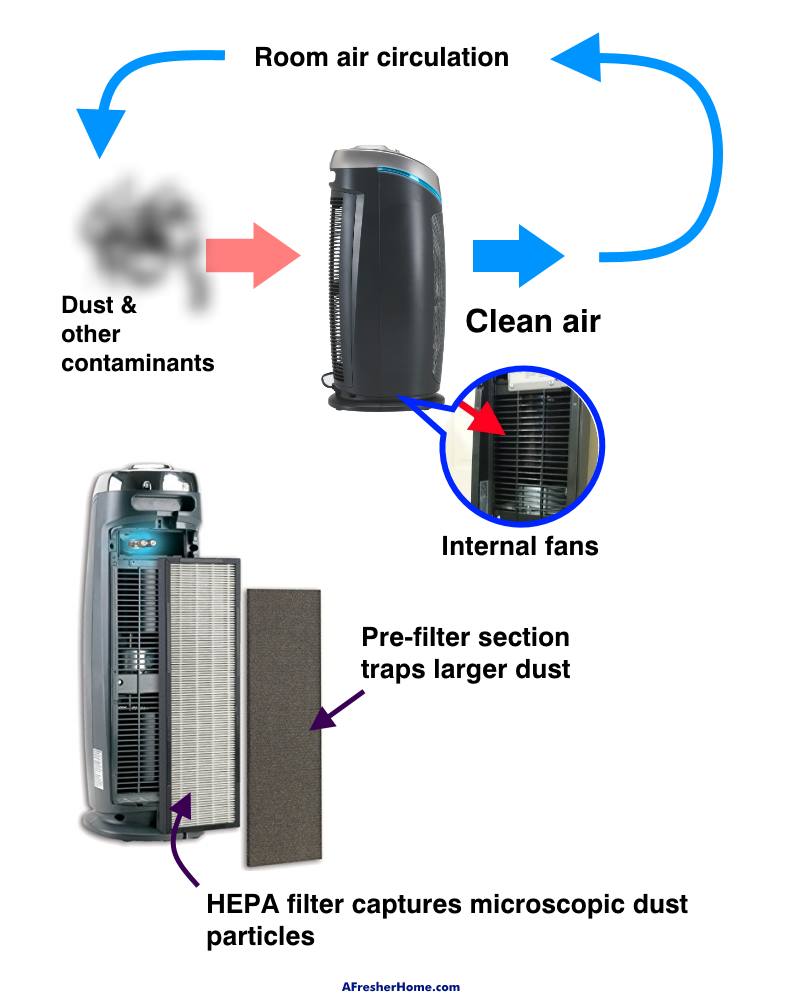
Enhancing air quality requires a multifaceted approach, incorporating both filtration and germicidal ultraviolet (GUV) air treatment. Filtration methods involve equipping central HVAC systems or utilizing portable or built-in room air cleaners.