GLP-1 Weight Loss Medication Effectiveness: A Comprehensive Review
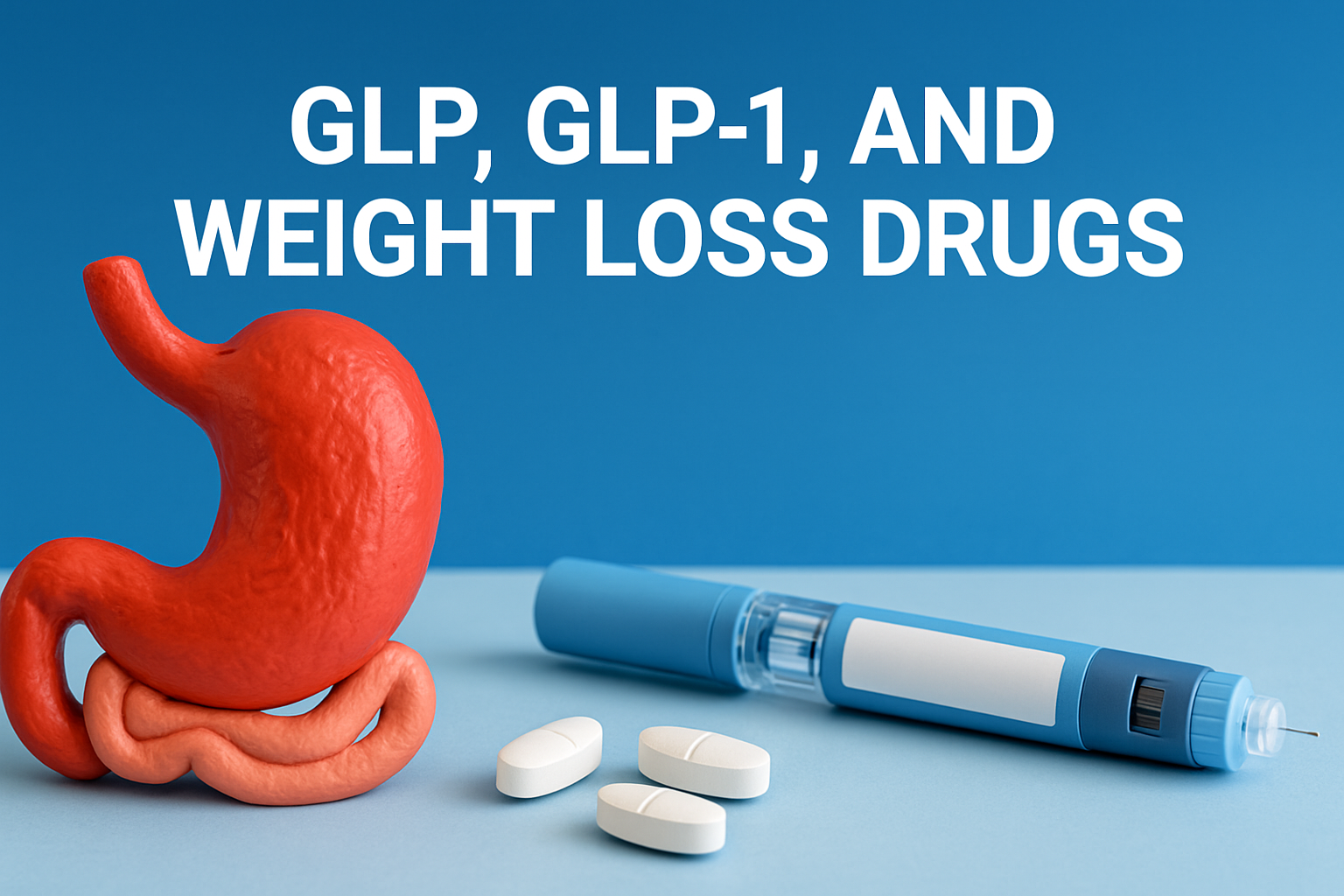
The introduction of glucagon-like peptide-1 (GLP-1) receptor agonists has revolutionized the field of obesity management. These medications, such as semaglutide, liraglutide, and tirzepatide, have been shown to be effective in achieving and maintaining long-term weight loss in individuals with obesity. In this article, we will delve into the effectiveness of GLP-1 weight loss medication, its benefits, and potential side effects.
What are GLP-1 Receptor Agonists?
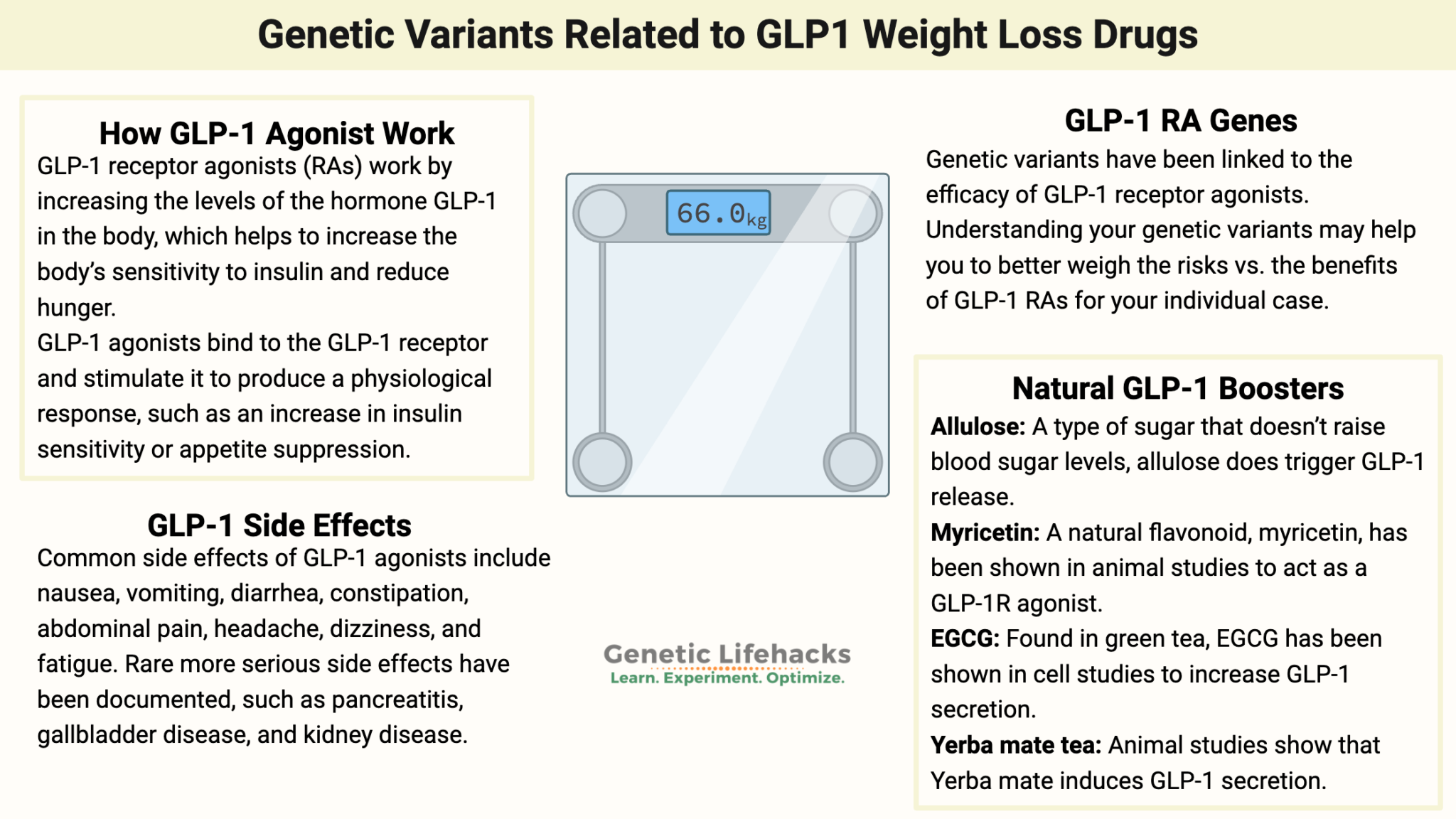
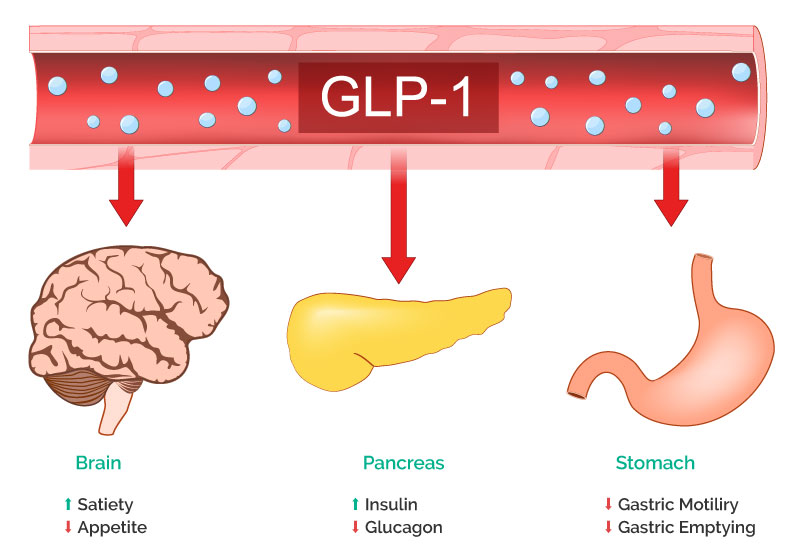
GLP-1 receptor agonists are a class of medications that mimic the action of the hormone glucagon-like peptide-1 (GLP-1). GLP-1 is a natural hormone produced by the intestines that plays a crucial role in regulating blood sugar levels, appetite, and food intake. GLP-1 receptor agonists work by binding to GLP-1 receptors in the brain, leading to reduced appetite and increased feelings of fullness.

GLP-1 Weight Loss Medication Effectiveness
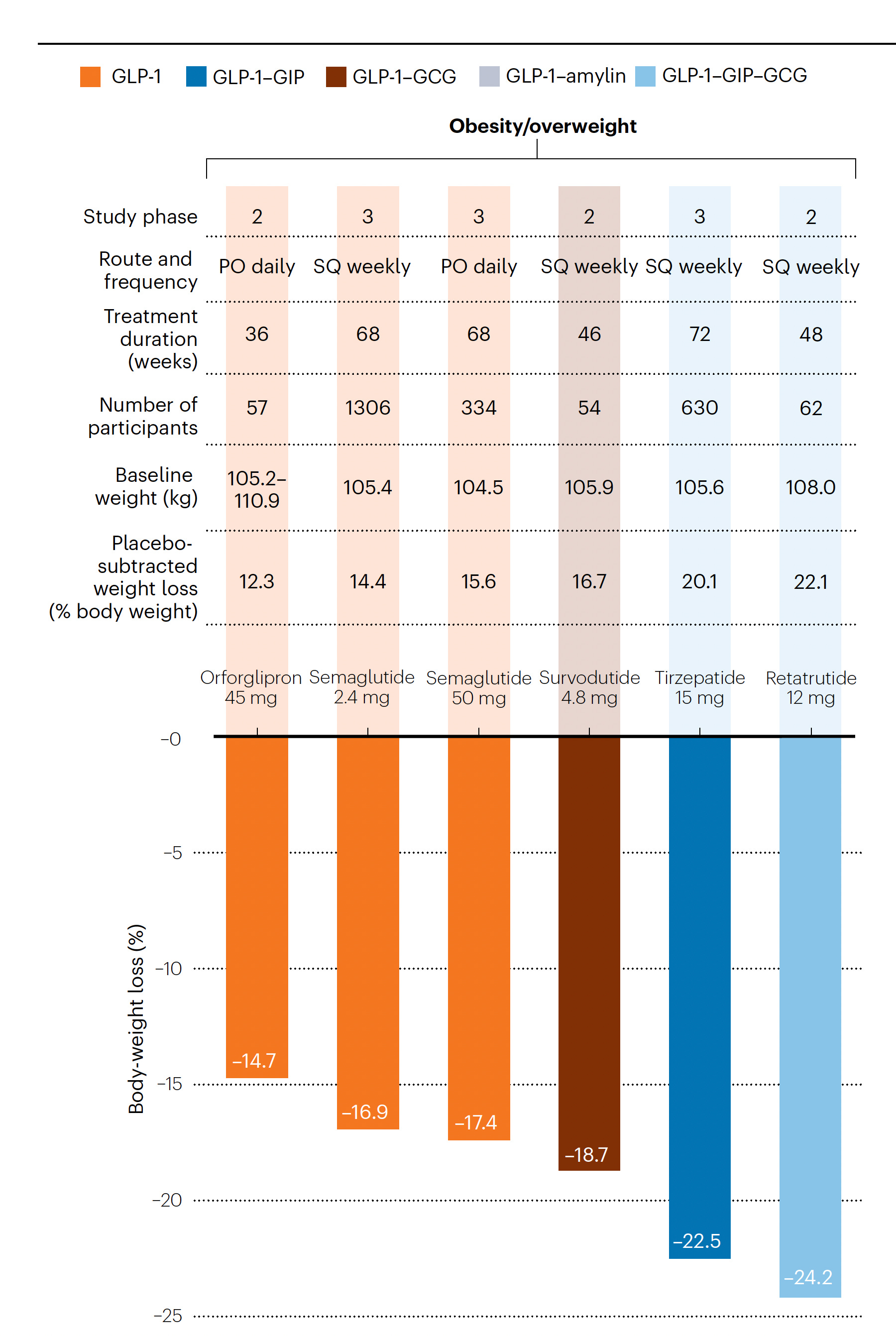
Studies have consistently shown that GLP-1 receptor agonists are effective in achieving and maintaining weight loss in individuals with obesity. A systematic review published in the Journal of the American Medical Association (JAMA) demonstrated that GLP-1 receptor agonists, particularly semaglutide, liraglutide, and tirzepatide, are effective and generally well-tolerated options for weight loss. The review found that these medications resulted in significant weight loss, with an average weight loss of 5-10% of initial body weight.












-p-1080.png "Ozempic producer ignored reports of deaths and side effects, FDA says")