The Metformin GLP-1 and Protein Pathway: Unlocking the Secrets of Type 2 Diabetes Management
Metformin, a widely used medication for type 2 diabetes management, has been shown to have a profound impact on the GLP-1 and protein pathway. This complex molecular mechanism plays a crucial role in glucose regulation, insulin sensitivity, and weight management. In this article, we will delve into the intricacies of the Metformin GLP-1 and protein pathway, exploring its mechanisms of action, potential benefits, and future directions.
Understanding the GLP-1 Pathway
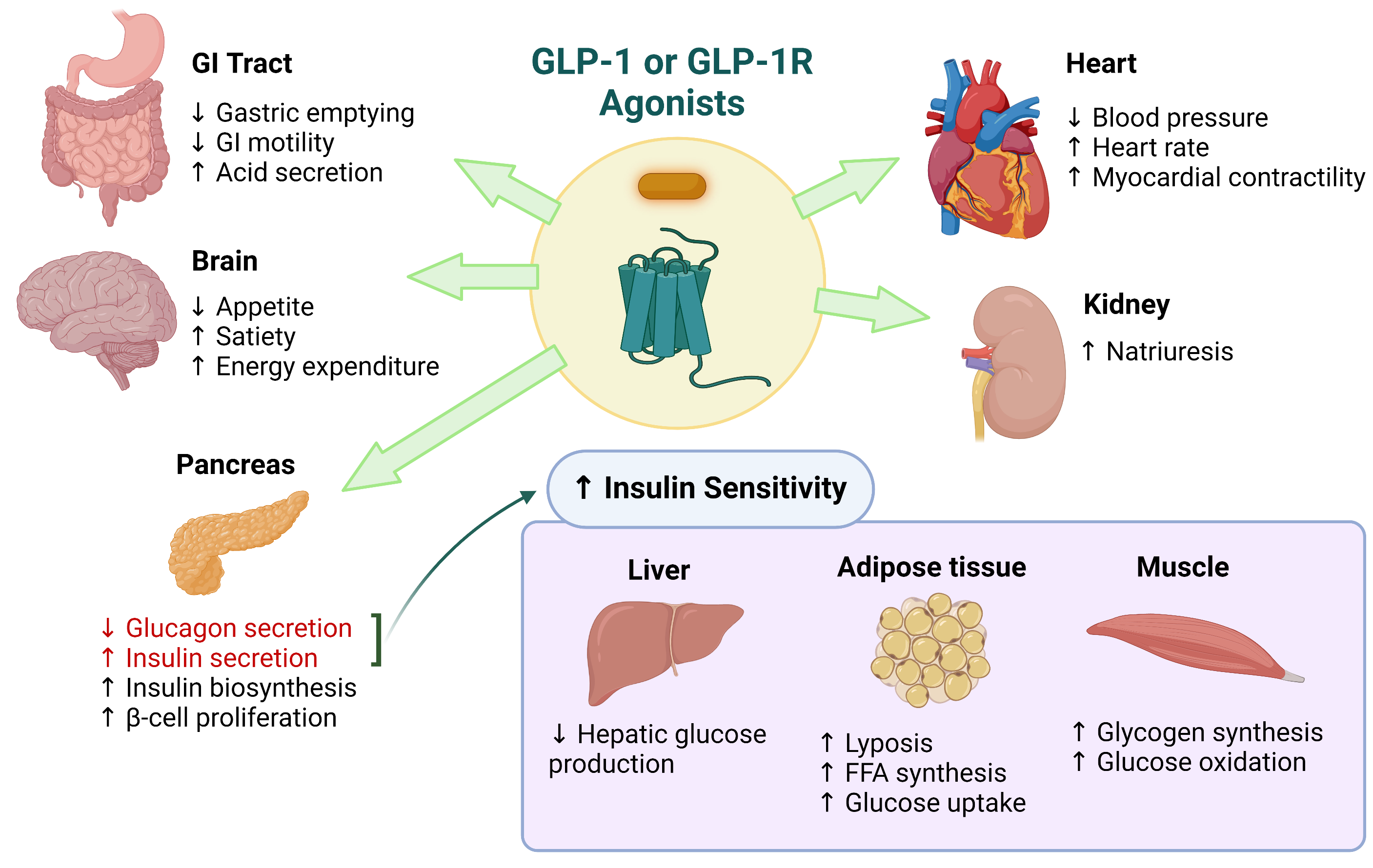
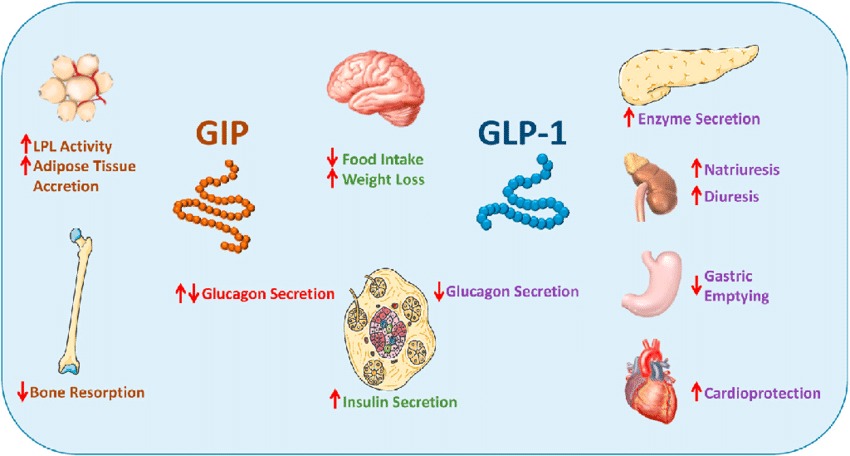
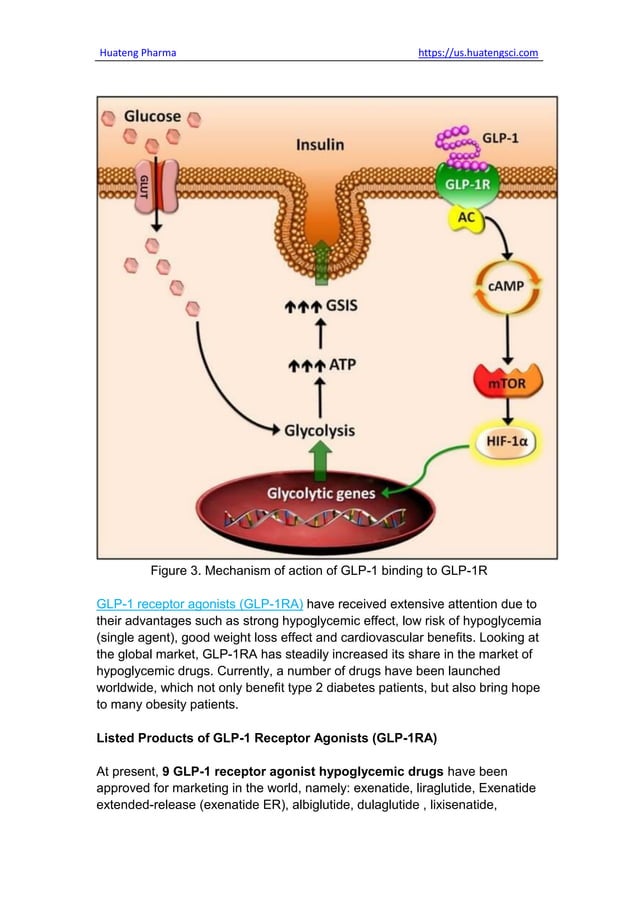
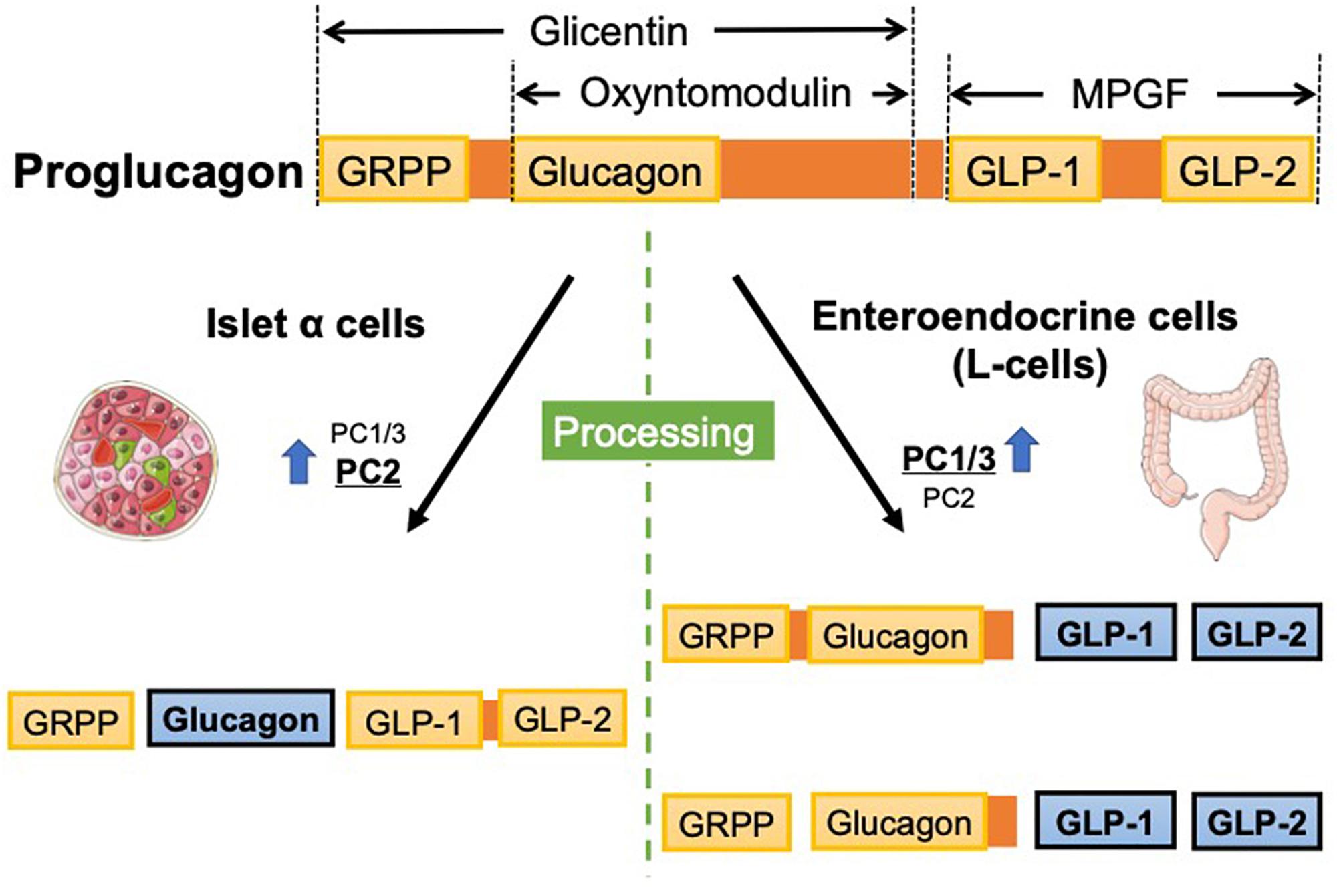
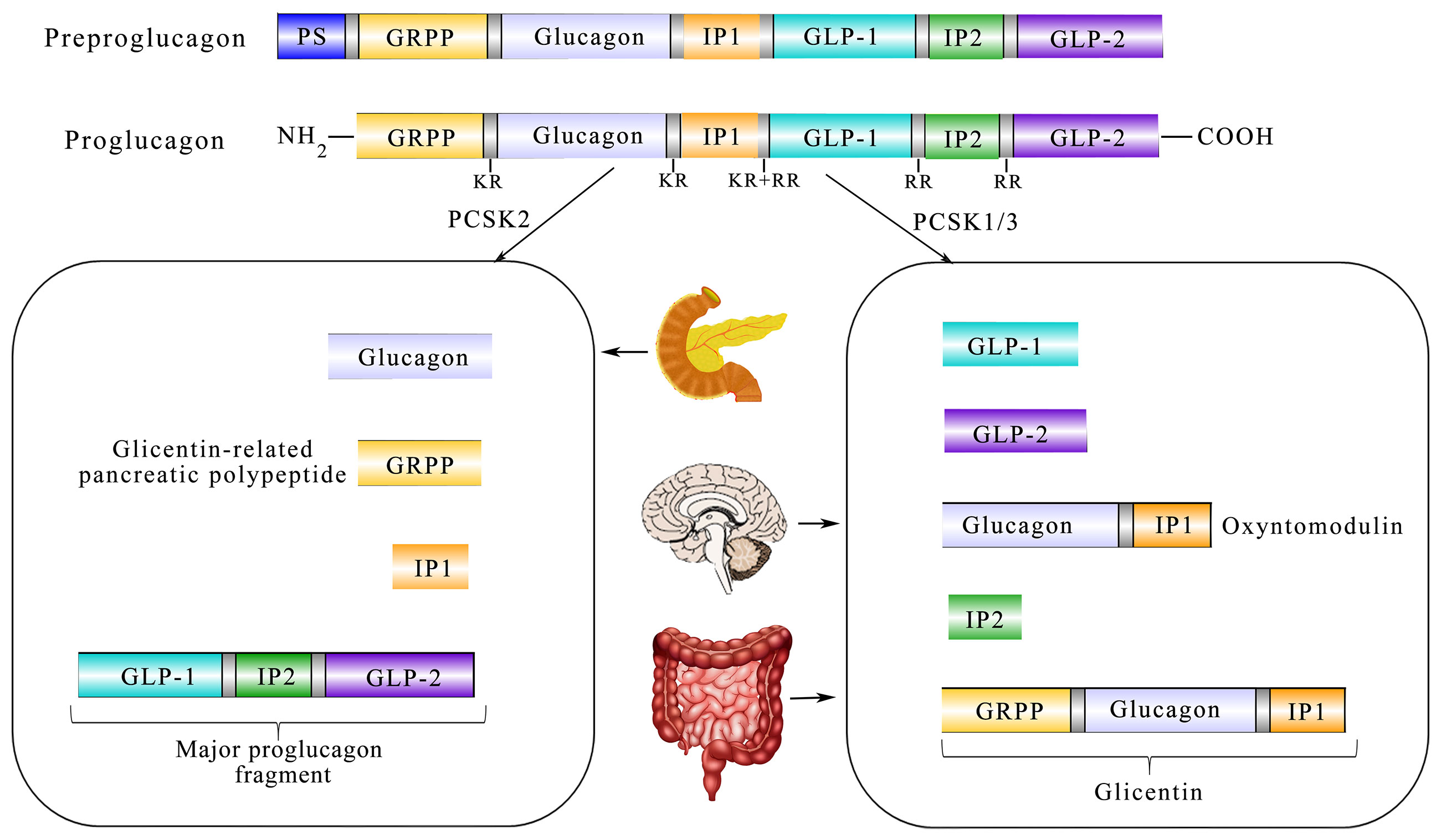
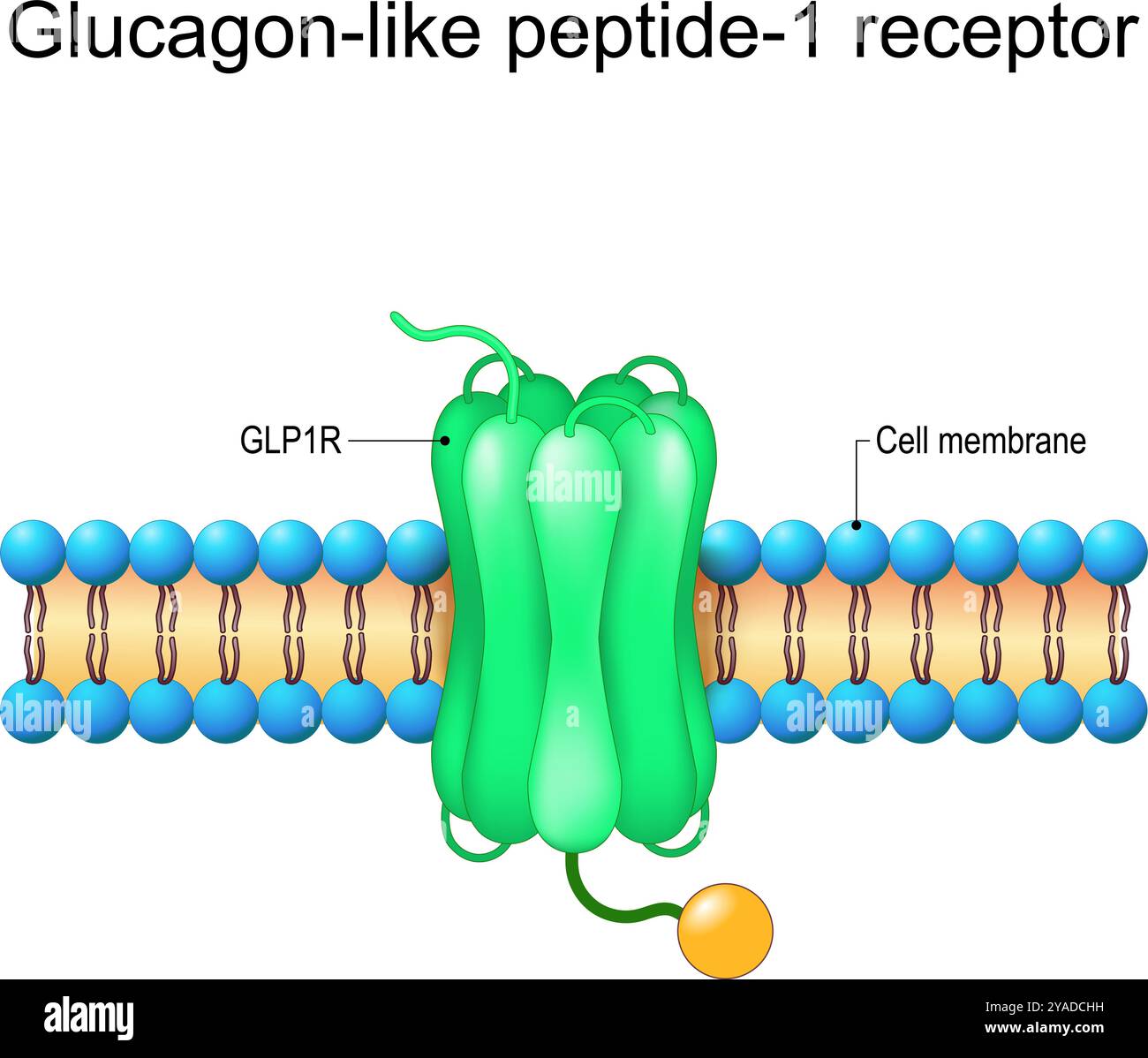
Glucagon-like peptide-1 (GLP-1) is an incretin hormone produced in the intestines in response to food intake. It plays a key role in glucose regulation by enhancing insulin secretion, suppressing glucagon release, and slowing gastric emptying. GLP-1 receptor agonists, such as semaglutide, have been shown to improve glycemic control, reduce body weight, and enhance cardiovascular outcomes.
The Role of AMPK in the Metformin GLP-1 Pathway

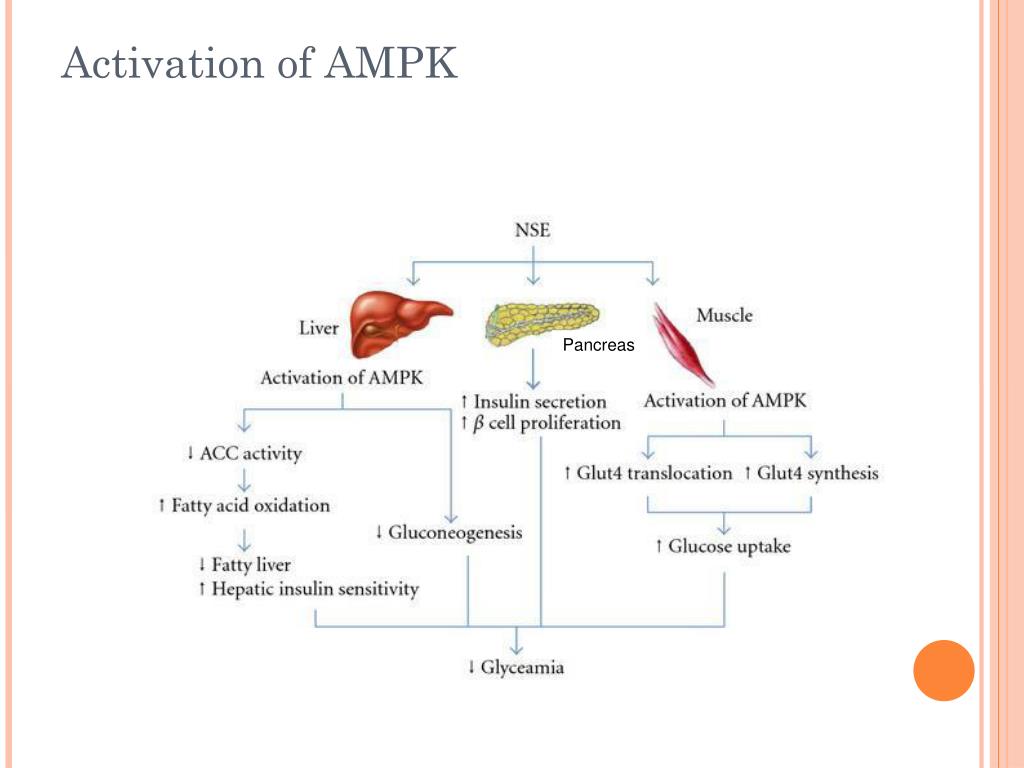
Metformin, a biguanide medication, works by activating the AMP-activated protein kinase (AMPK) pathway. AMPK is a key regulator of glucose and lipid metabolism, and its activation by metformin has been shown to enhance insulin sensitivity, improve glucose uptake in muscles, and suppress hepatic glucose production. This activation of AMPK also contributes to the increased secretion of GLP-1, which further enhances insulin secretion and glucose regulation.