International Trademark License Agreement: Protecting Your Brand in Global Markets
Are you planning to expand your business into international markets and make a mark your global presence felt? A well-crafted International Trademark License Agreement is a crucial document that can help you protect your brand name, logo, and intellectual property rights. In this article, we will discuss the importance of international trademark licensing agreements, their key components, and how they can benefit your business.
What is an International Trademark License Agreement?
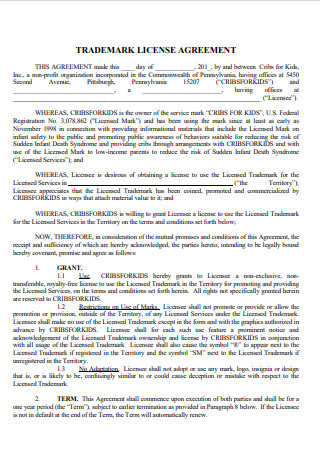
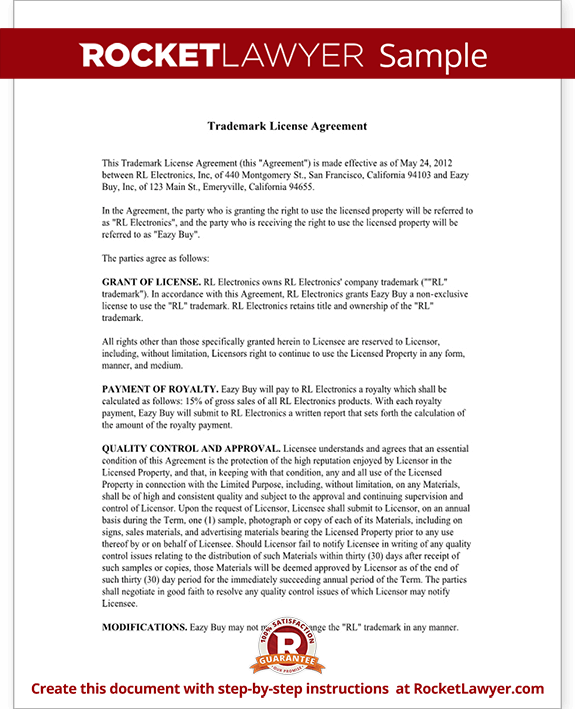
An International Trademark License Agreement is a contractual agreement between the owner of a trademark (the licensor) and another entity (the licensee) that grants the licensee the right to use the licensor's trademark in a foreign market. In exchange for these rights, the licensee typically pays royalties or a lump-sum fee.
Key Components of an International Trademark License Agreement
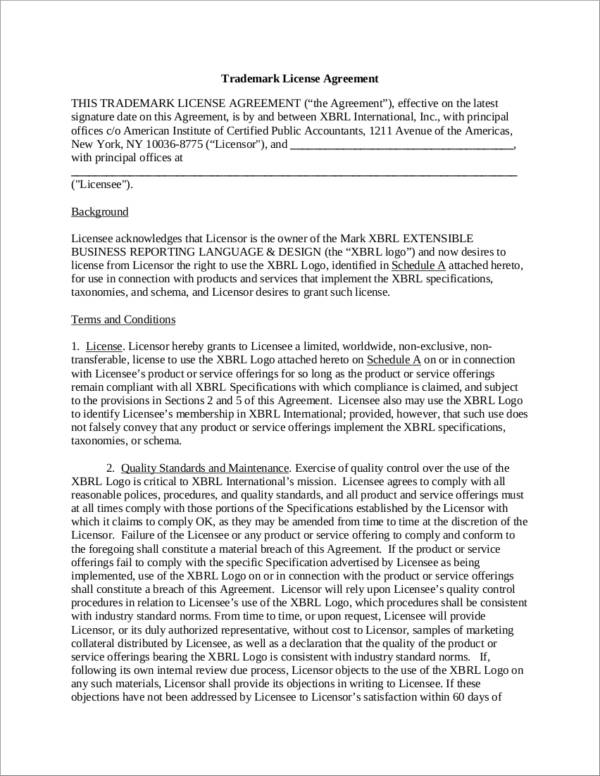
- Scope of the License: The scope of the license should clearly define which products or services the licensee can use the trademark for.
- Territory: The territory where the licensee can use the trademark should be specified in the agreement.
- Duration of the License: The duration of the license should be clearly defined, including any renewal or termination clauses.
- Quality Control Provisions: The agreement should include provisions that enable the licensor to control the quality of the goods or services produced or offered by the licensee under the licensed trademark.
- Payment Terms: The terms of payment, including royalties or a lump-sum fee, should be clearly defined in the agreement.