Understanding Home Wind Turbine Feed-In Tariff
Generating your own electricity through renewable energy sources, such as using a home wind turbine, is an attractive option for many homeowners who want to reduce their reliance on the grid and their carbon footprint. In this article, we will discuss the important concept of Home Wind Turbine Feed-In Tariff (FIT), a crucial policy mechanism that has been instrumental in promoting the growth of renewable energy in many countries.
What is Home Wind Turbine Feed-In Tariff?
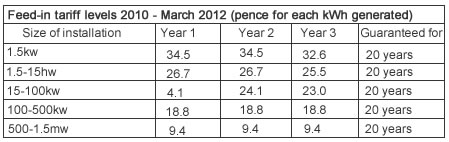
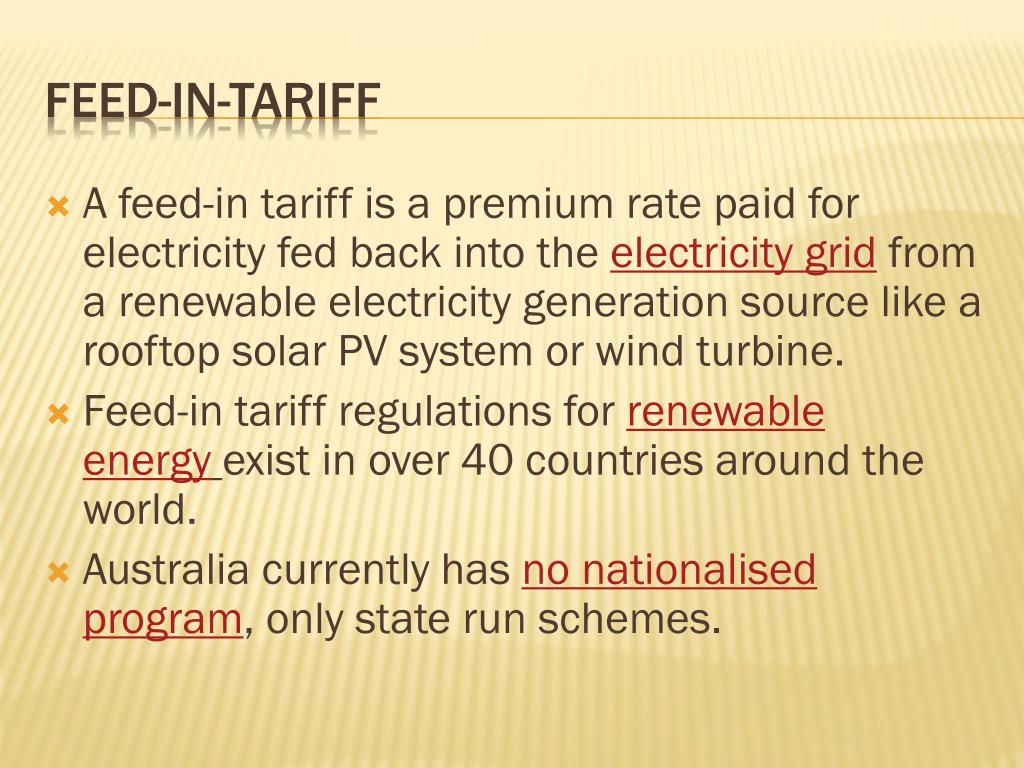
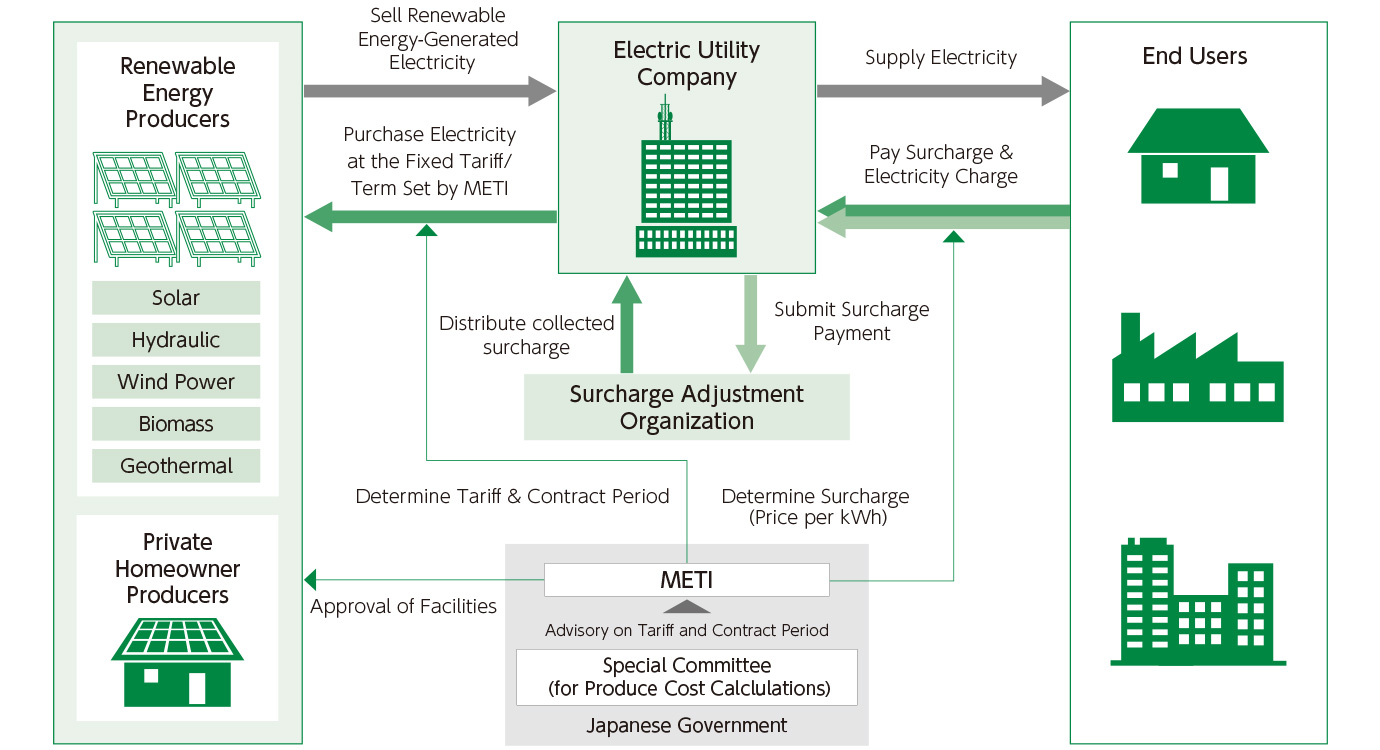
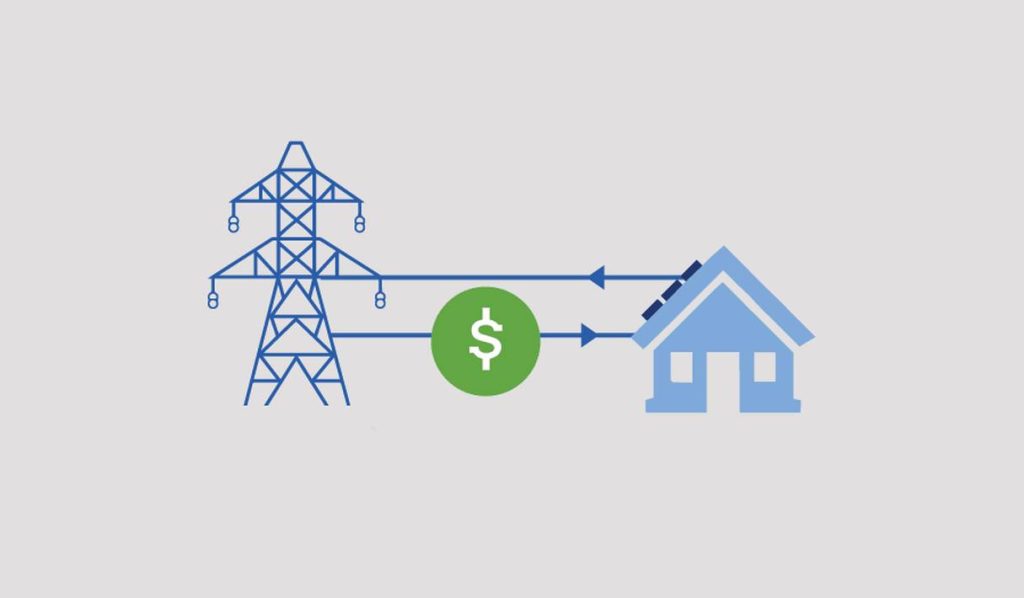
A Feed-In Tariff (FIT) is a government-established program that guarantees renewable energy producers, such as homeowners using wind turbines, a fixed payment for the electricity they generate and feed into the grid over a long-term contract lasting 15 to 25 years. This payment is typically higher than the wholesale electricity rate, providing a financial incentive for individuals to invest in renewable energy technologies and contribute to the grid with clean energy.

How Does Home Wind Turbine Feed-In Tariff Work?
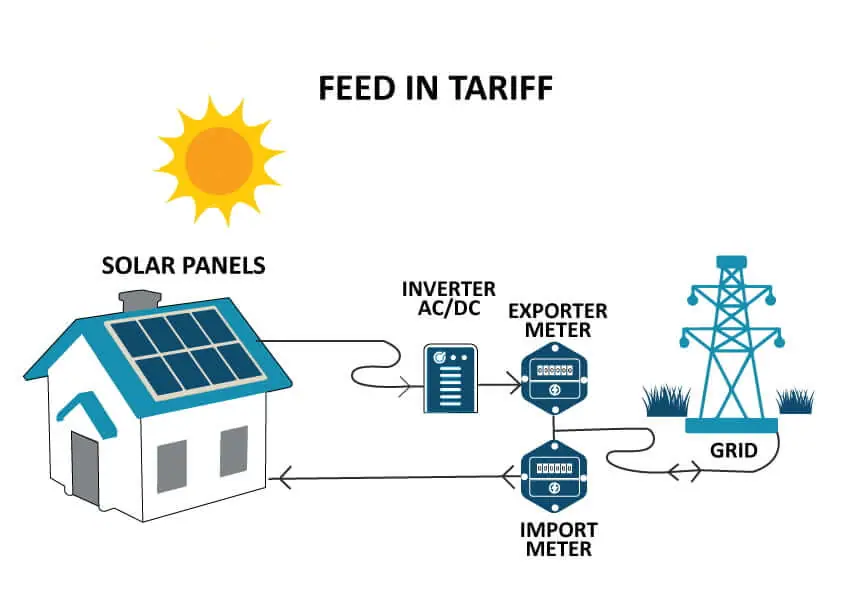
- Homeowners install a wind turbine or other eligible renewable energy system on their property, generating electricity.
- The excess electricity generated is fed into the grid, reducing the homeowner's energy bills.
- The electricity supplier purchases the excess electricity from the homeowner at a fixed rate, usually higher than the retail cost of electricity.
- The homeowner receives a regular payment for the electricity generated and fed into the grid, providing a financial incentive for investing in renewable energy.