Unlocking the Power of High Protein Diets and GLP-1 Receptor
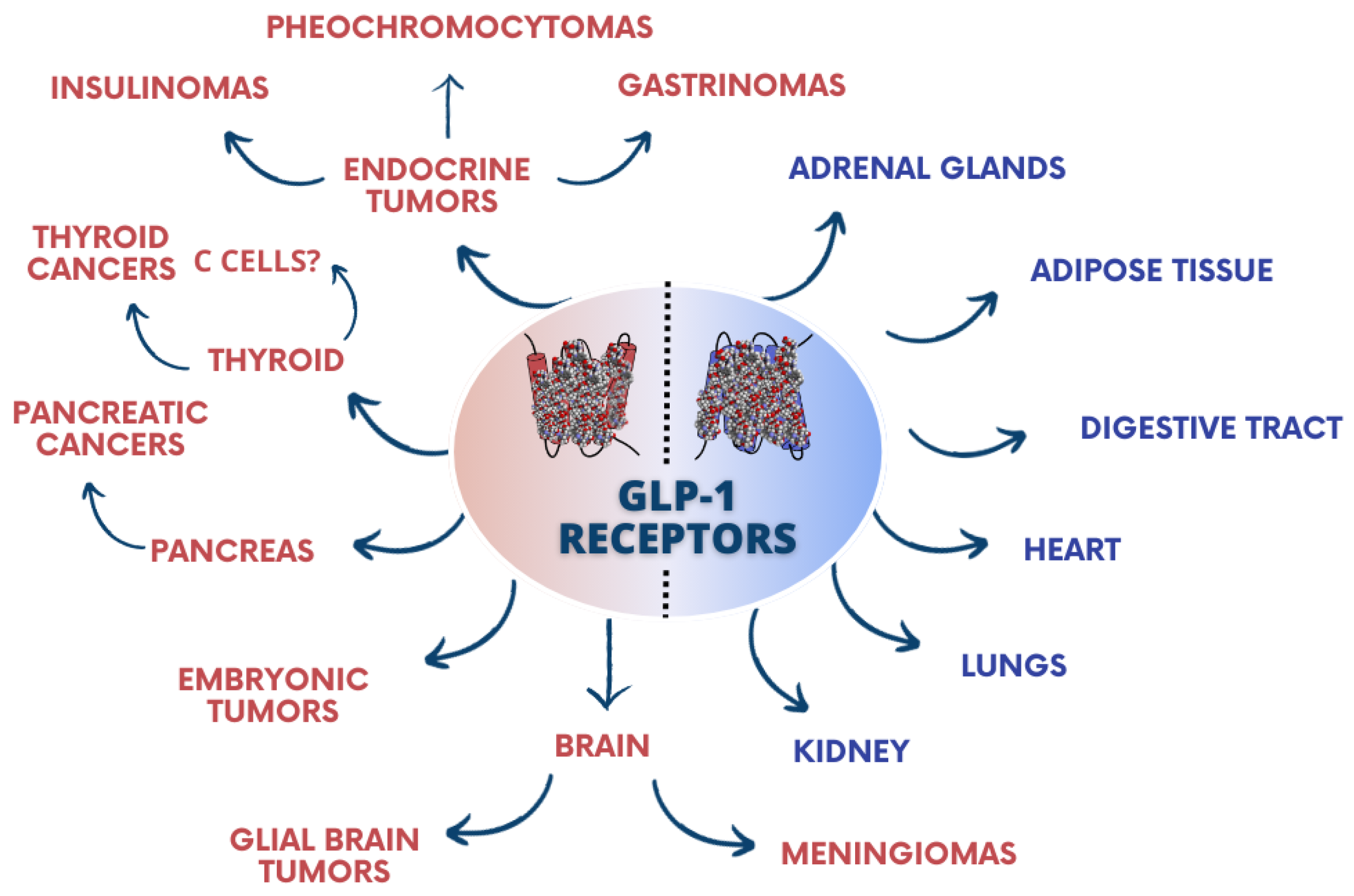
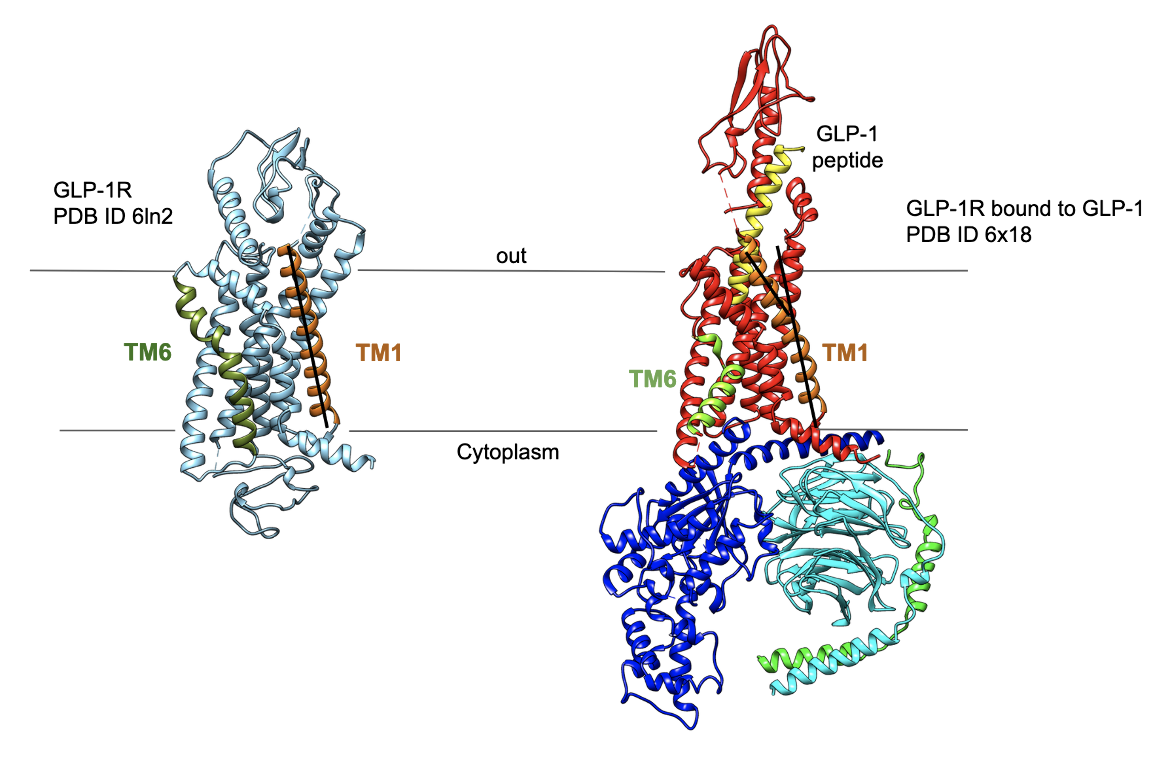
The GLP-1 receptor, a transmembrane protein composed of seven alpha-helical transmembrane domains, plays a vital role in regulating blood sugar levels, appetite, and satiety. Recent studies have highlighted the importance of high protein diets in conjunction with GLP-1 receptor agonists, such as semaglutide, in promoting weight loss and improving overall health. In this article, we will delve into the relationship between high protein diets and GLP-1 receptor, exploring the benefits and strategies to optimize this approach for sustainable weight management.
Understanding the GLP-1 Receptor
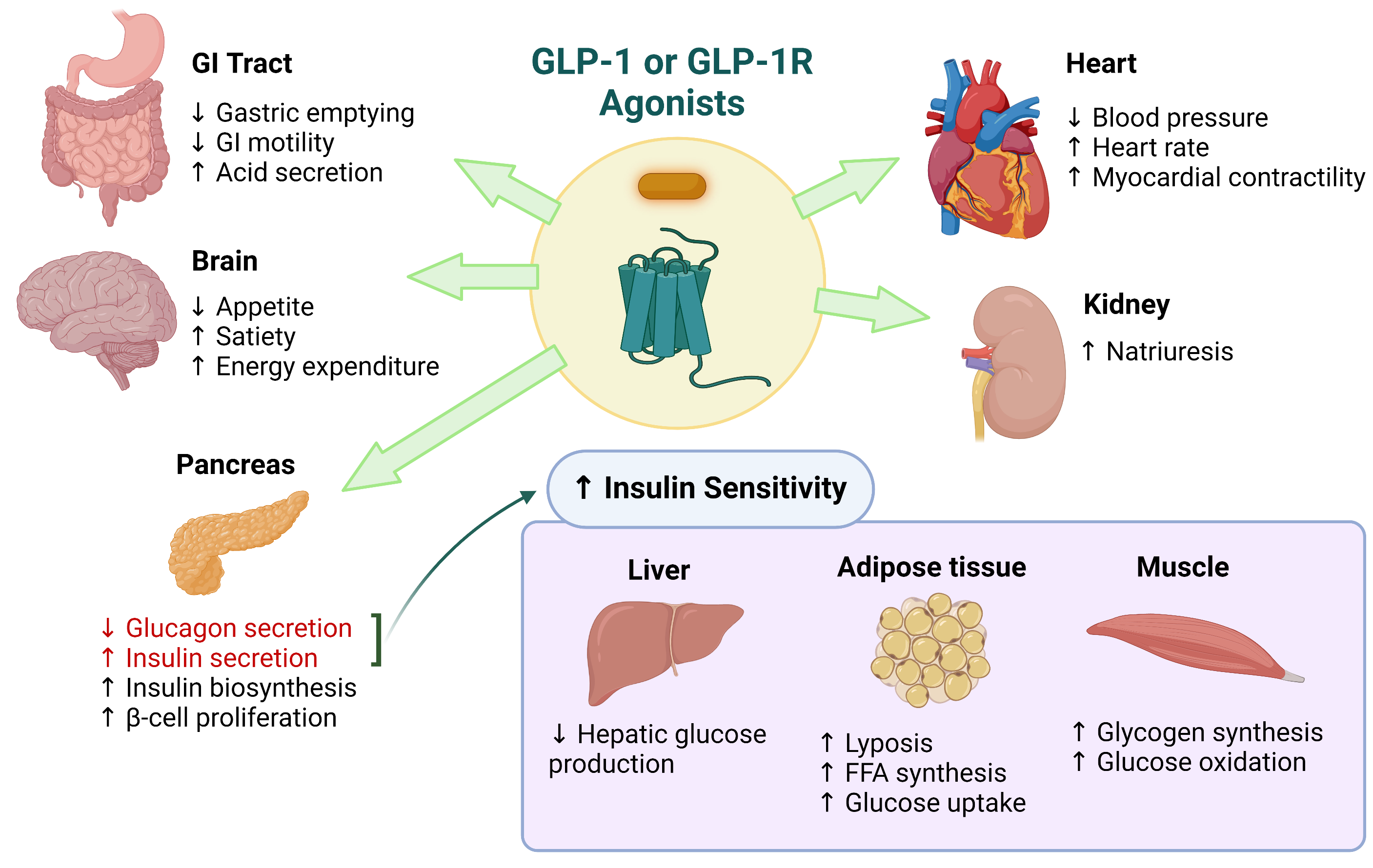
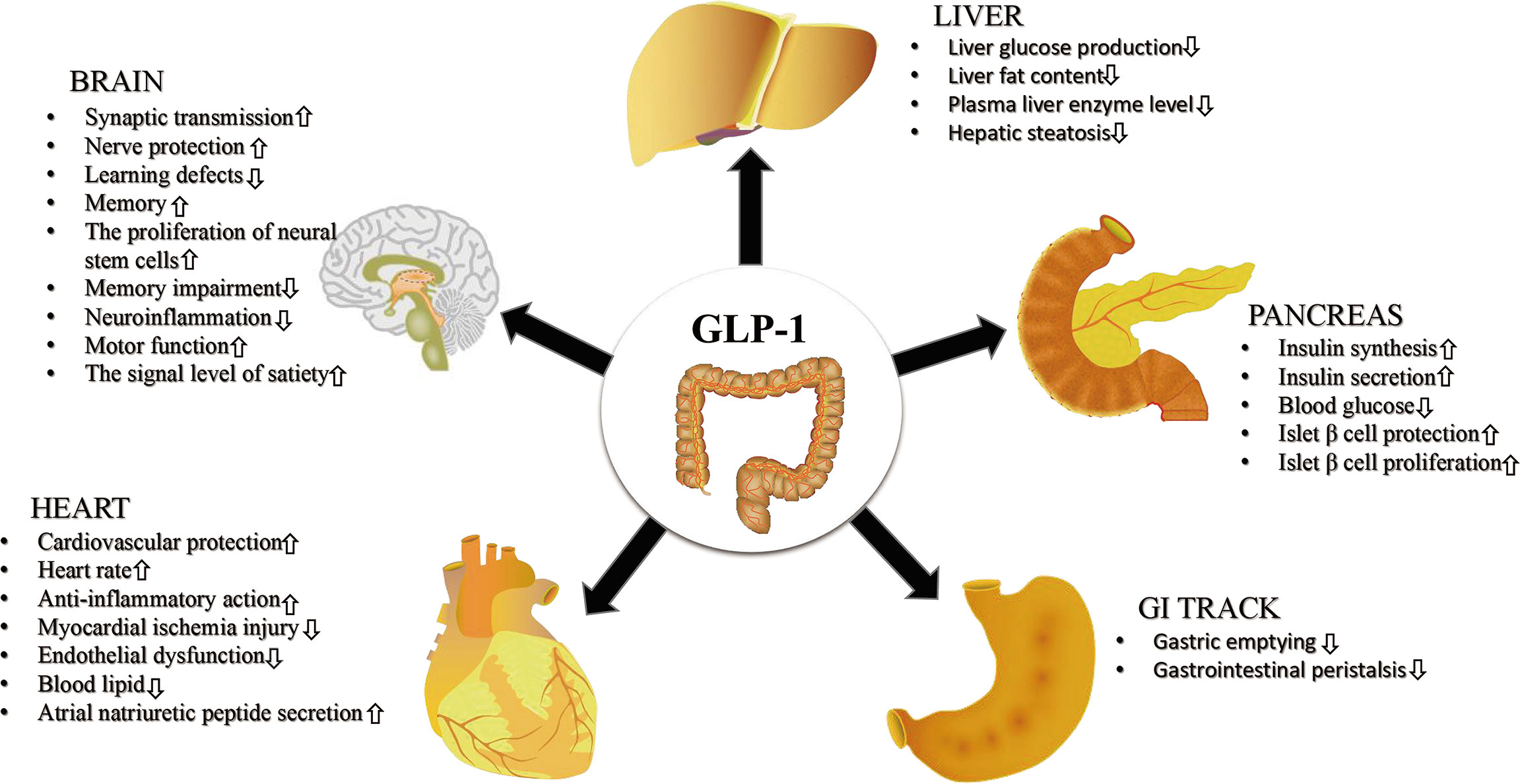
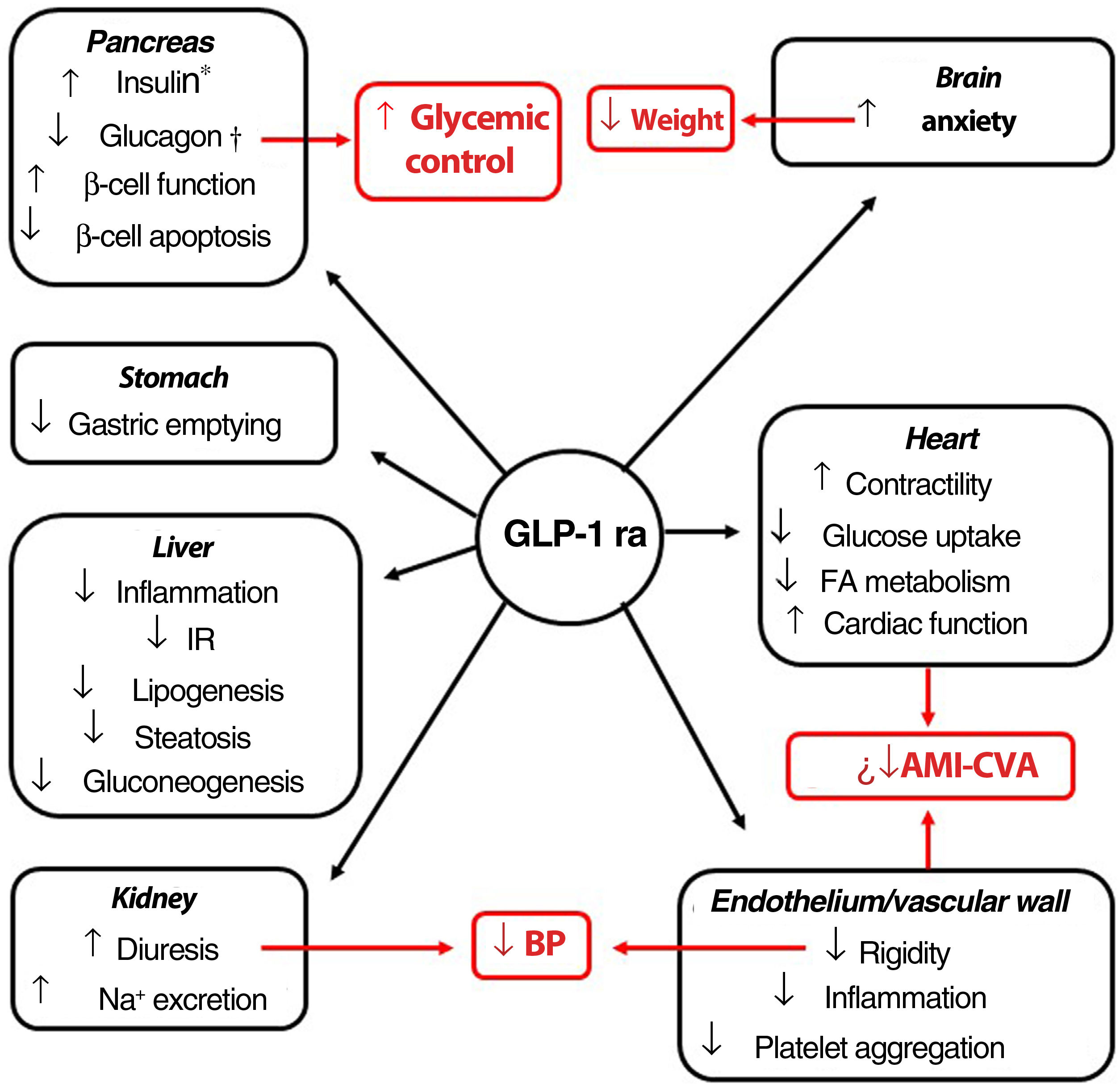
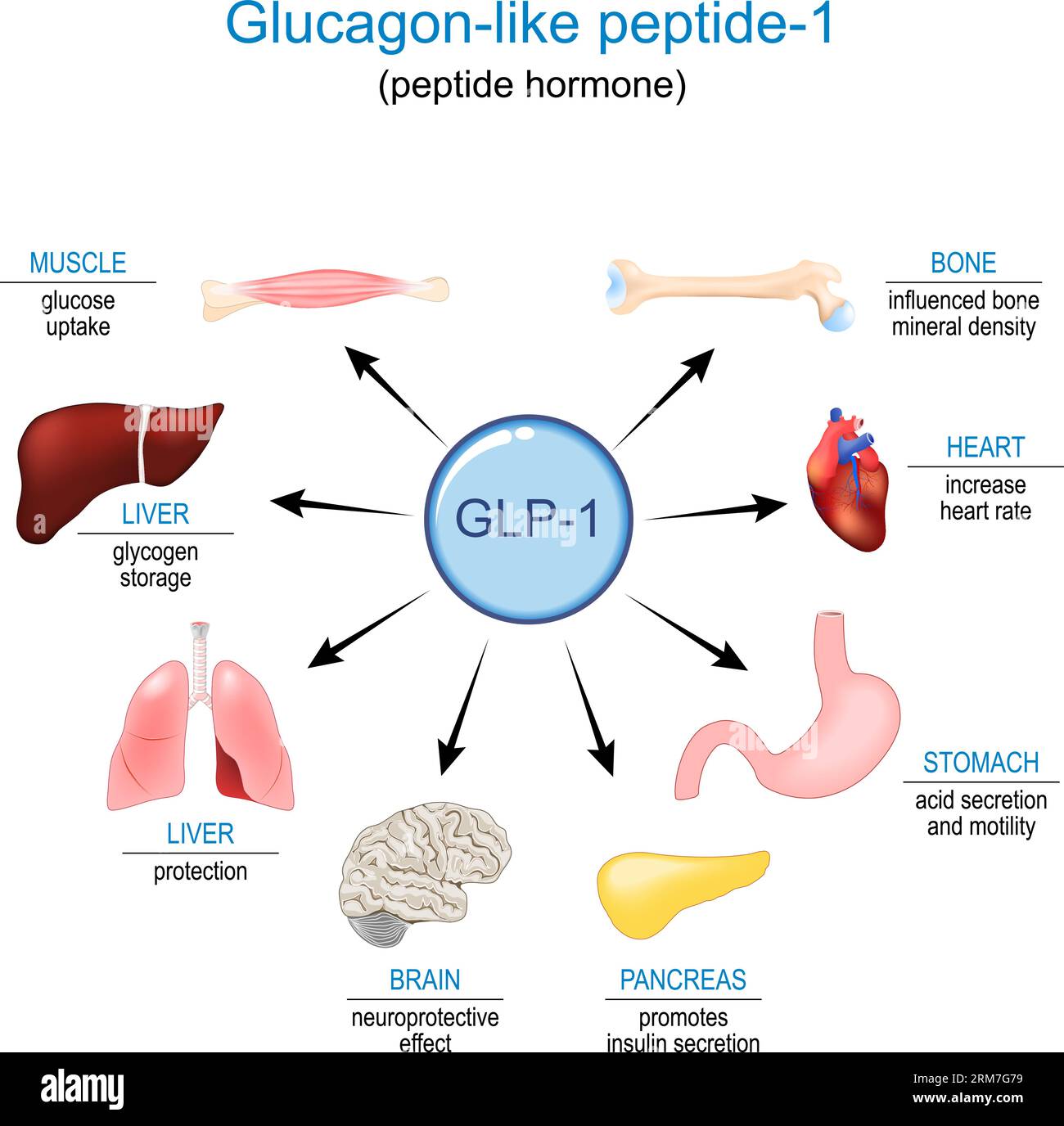
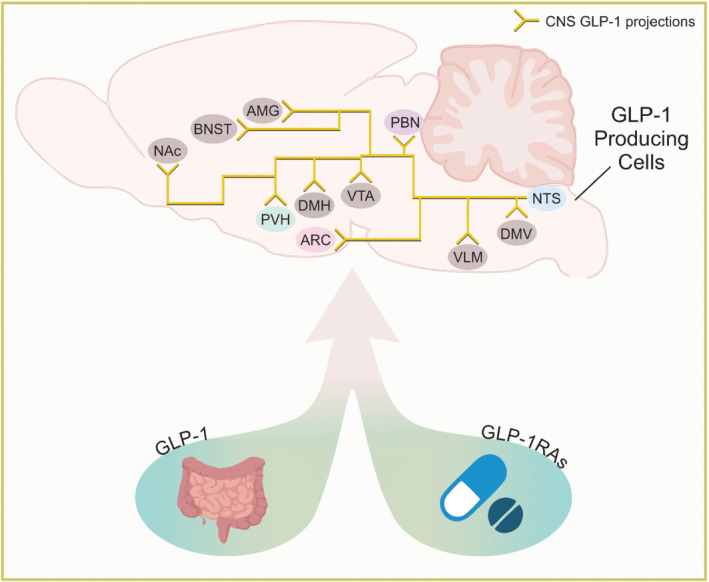
The GLP-1 receptor is a transmembrane protein that belongs to the class B family of G protein-coupled receptors. It is primarily expressed in the pancreas, gastrointestinal tract, and brain, where it plays a central role in regulating glucose metabolism, appetite, and satiety. When activated, the GLP-1 receptor stimulates insulin release, suppresses glucagon secretion, and slows gastric emptying, ultimately leading to improved glucose control and reduced appetite.

The Role of High Protein Diets in GLP-1 Receptor Activation
High protein diets have emerged as a crucial component in the management of GLP-1 receptor agonists, particularly for weight loss. Protein-rich foods stimulate the release of endogenous GLP-1, which in turn activates the GLP-1 receptor, enhancing glucose-dependent insulin secretion and promoting satiety. A high protein intake of 0.8-1g/lb body weight per day is recommended to offset the risk of lean muscle loss associated with rapid weight loss and appetite suppression.