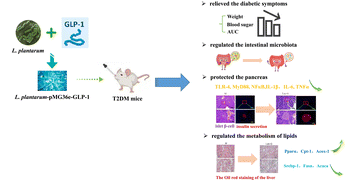
Hepatic Function and GLP-1: Understanding the Connection
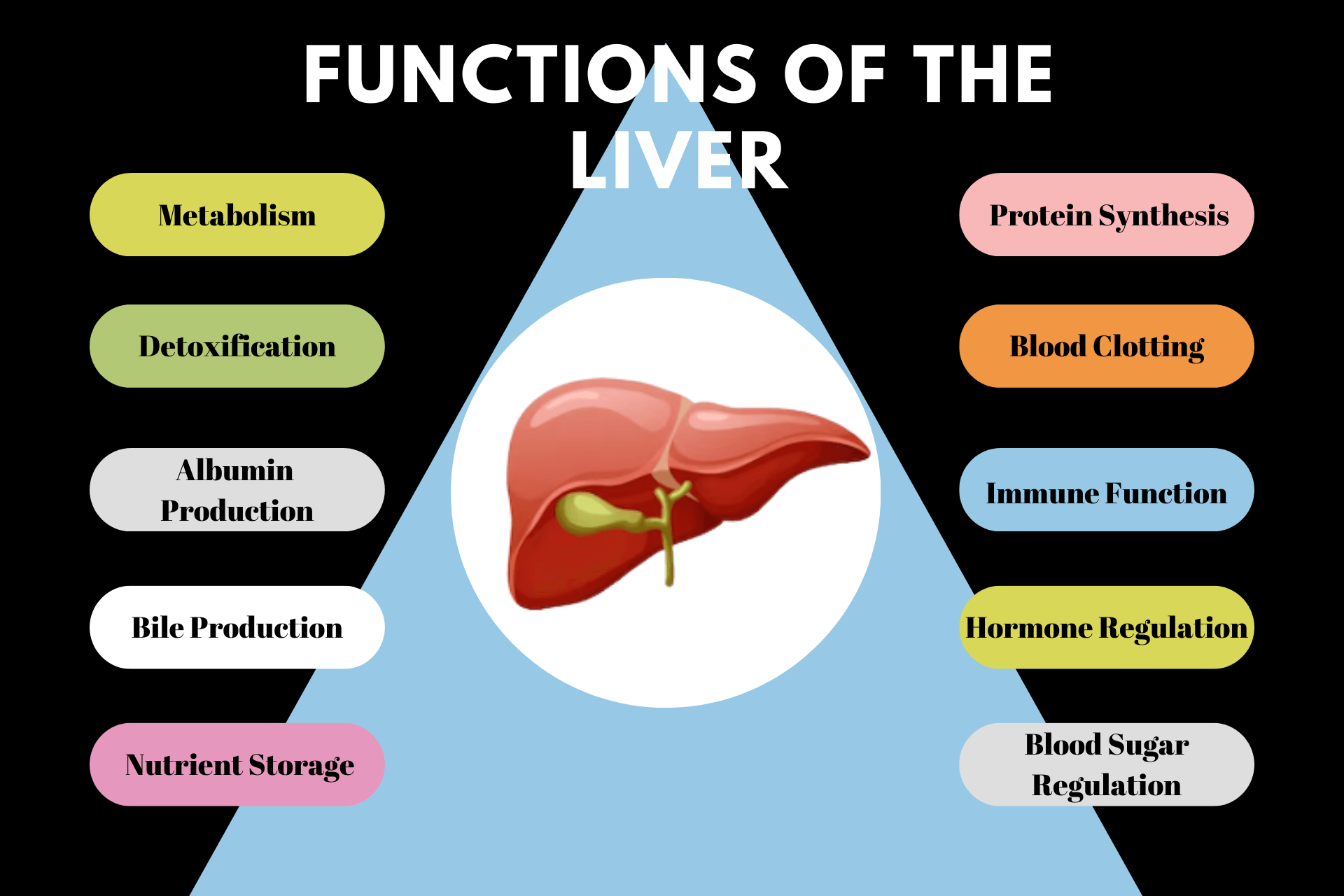
The liver plays a vital role in maintaining overall health, and any dysfunction can have significant consequences. Recent studies have highlighted the importance of glucagon-like peptide-1 (GLP-1) in liver function and its role in various metabolic processes. In this article, we will delve into the relationship between hepatic function and GLP-1, exploring the effects of GLP-1 on liver health and the implications for treatment.
The Role of GLP-1 in Hepatic Function
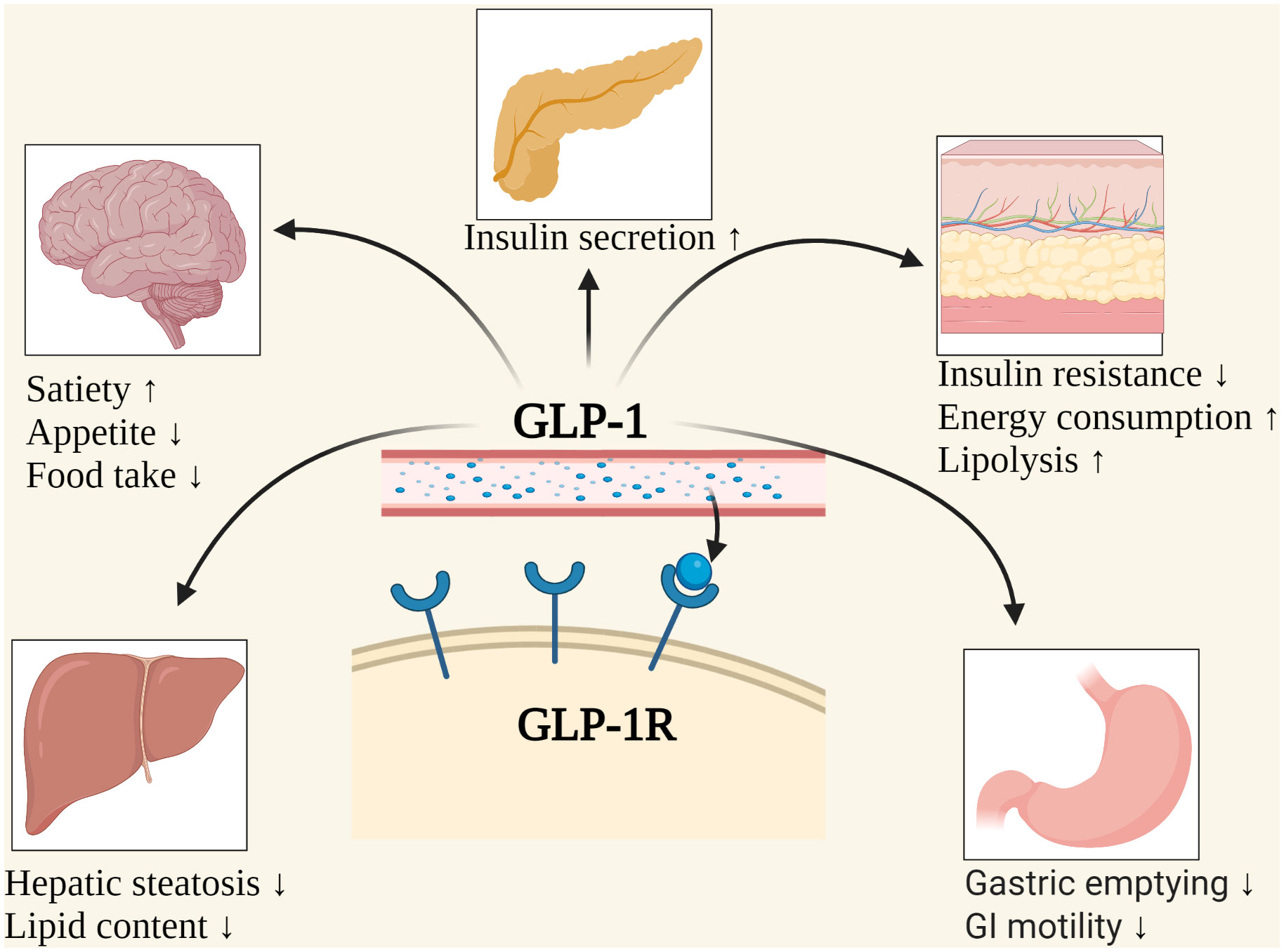
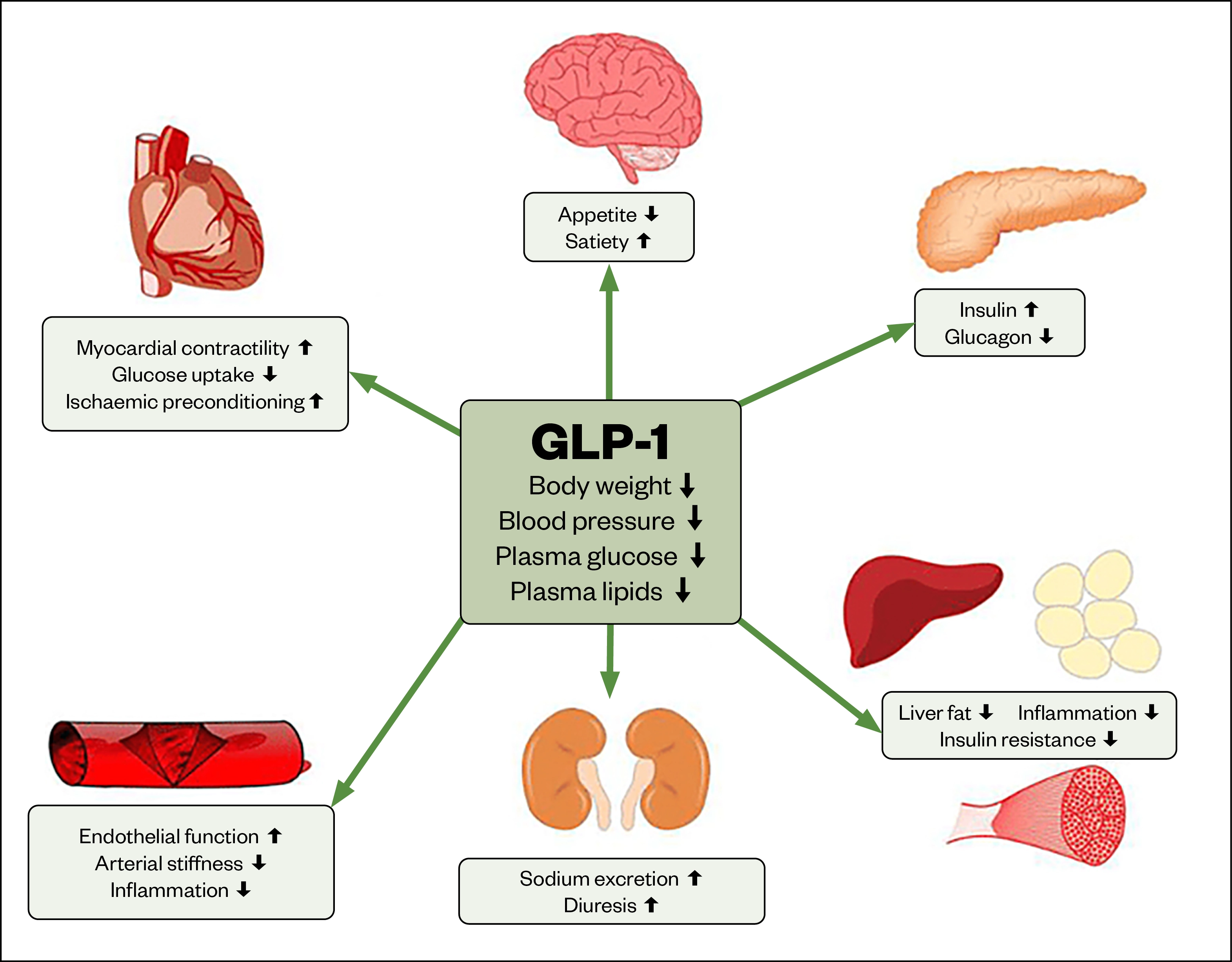
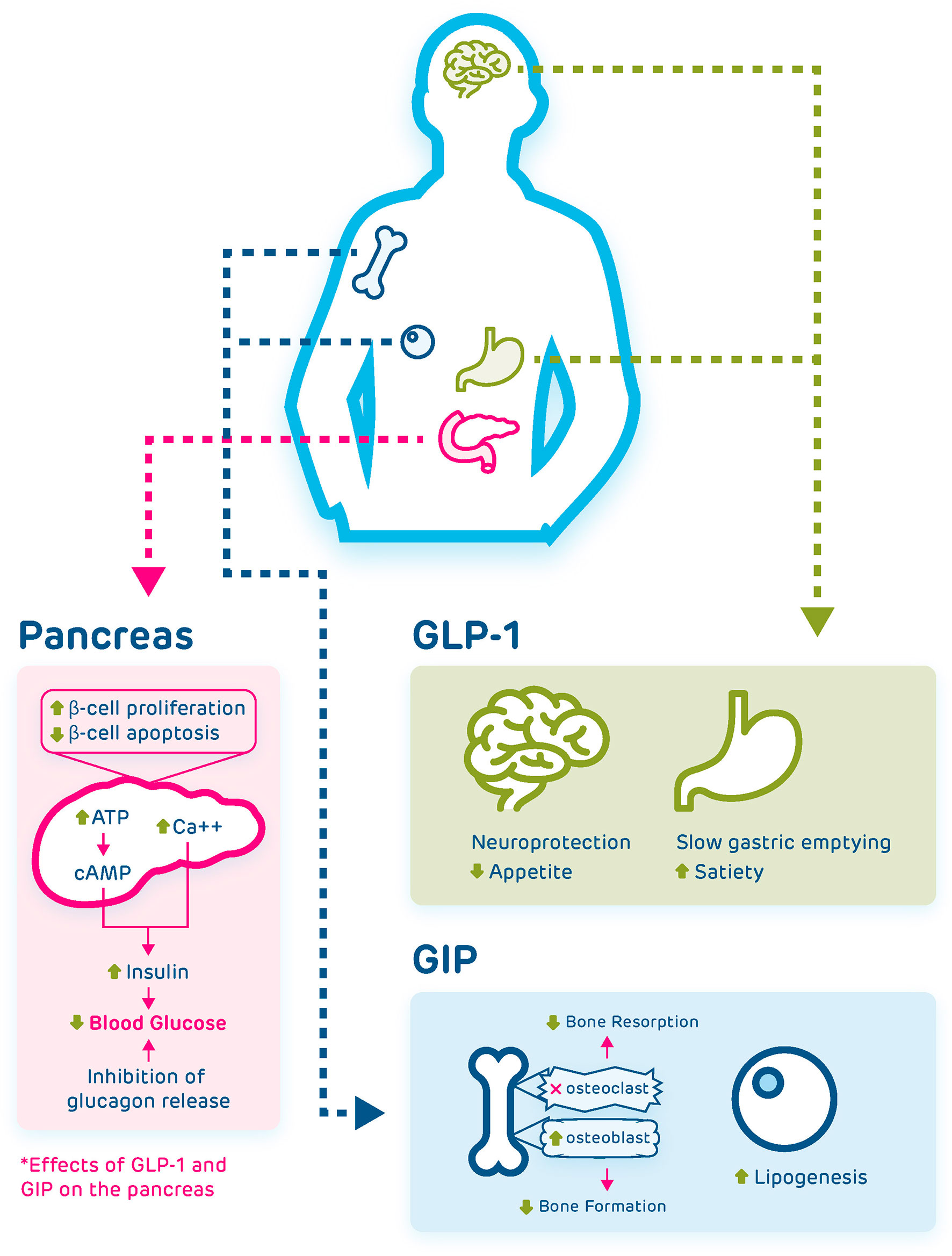
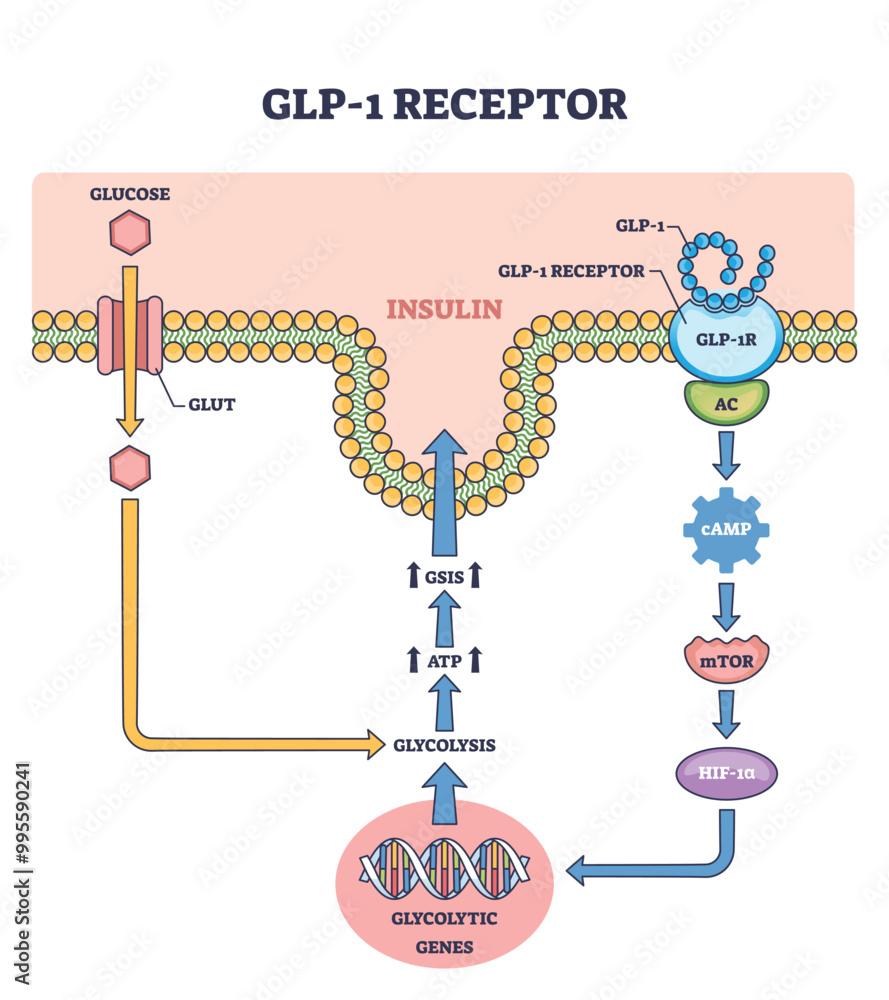
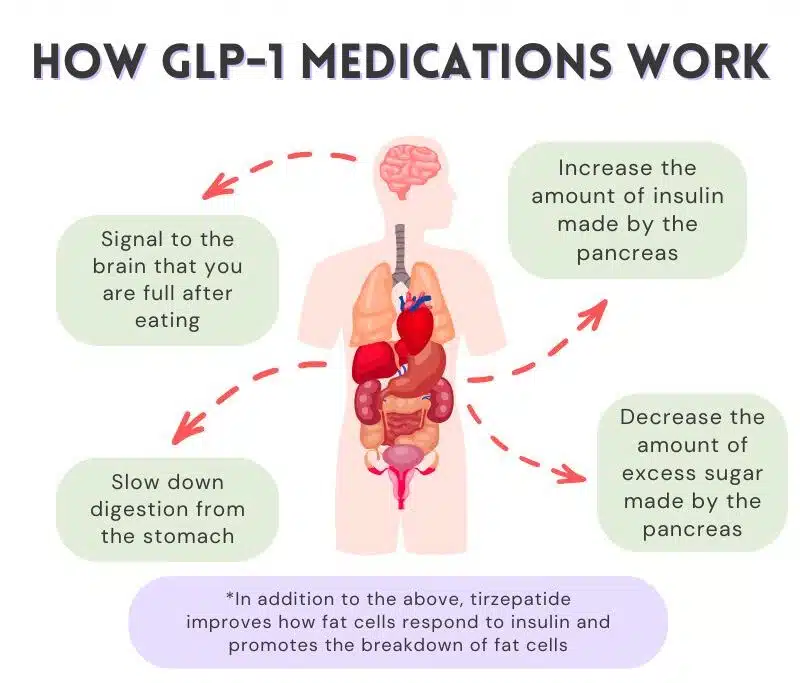
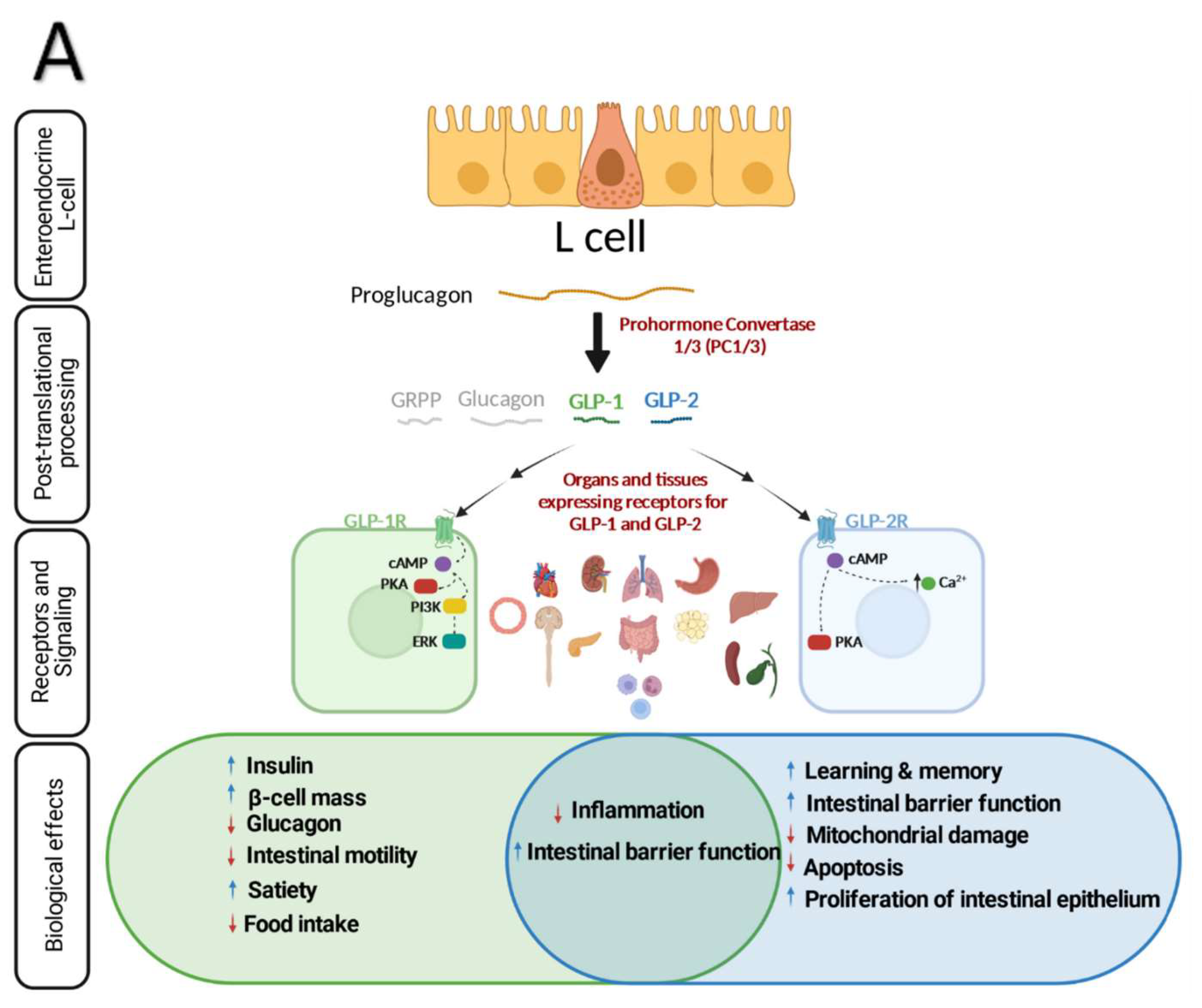
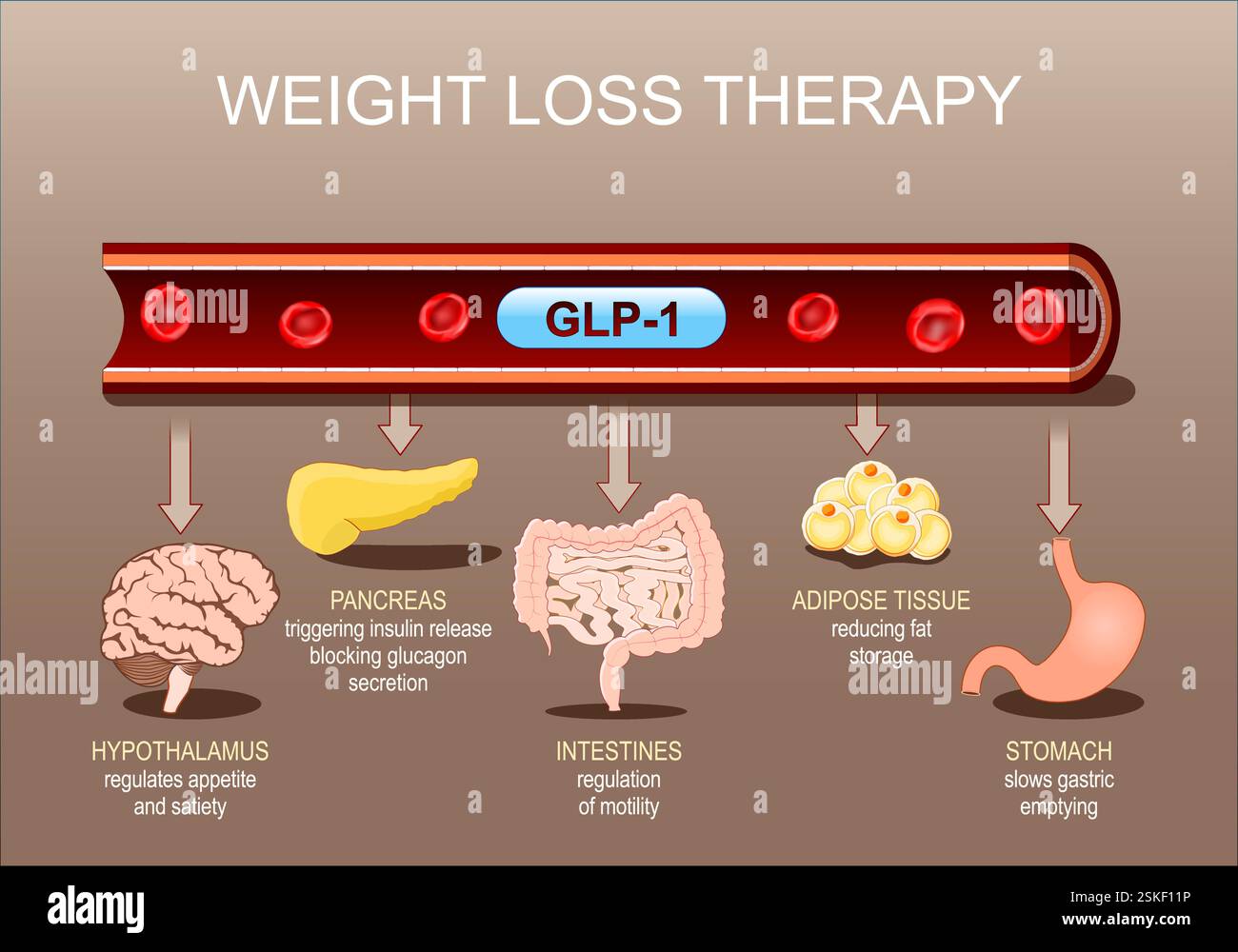
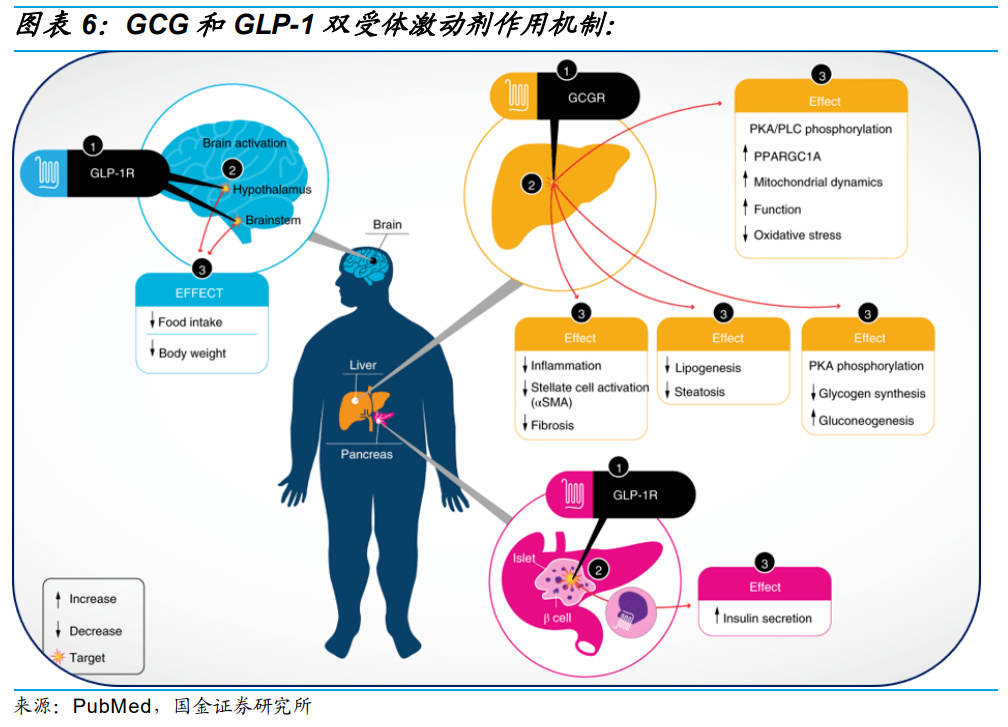
GLP-1 is an incretin hormone that regulates glucose metabolism and appetite. It is primarily produced in the gut and stimulates insulin secretion in response to meals. However, GLP-1 also has extrapancreatic effects, including those on liver function. Research has shown that GLP-1 receptor agonists (GLP-1RAs) can improve liver health by reducing liver fat content, decreasing inflammation, and improving markers of liver injury.

- GLP-1RAs have been shown to improve liver function in patients with non-alcoholic fatty liver disease (NAFLD) and non-alcoholic steatohepatitis (NASH).
- Studies have demonstrated that GLP-1RAs can reduce liver fat content and improve liver enzymes in patients with NAFLD and NASH.
- GLP-1RAs have also been found to decrease inflammation and improve markers of liver injury in patients with liver disease.