GLP-1 and Extended Fasting Periods for Improved Glucose Metabolism
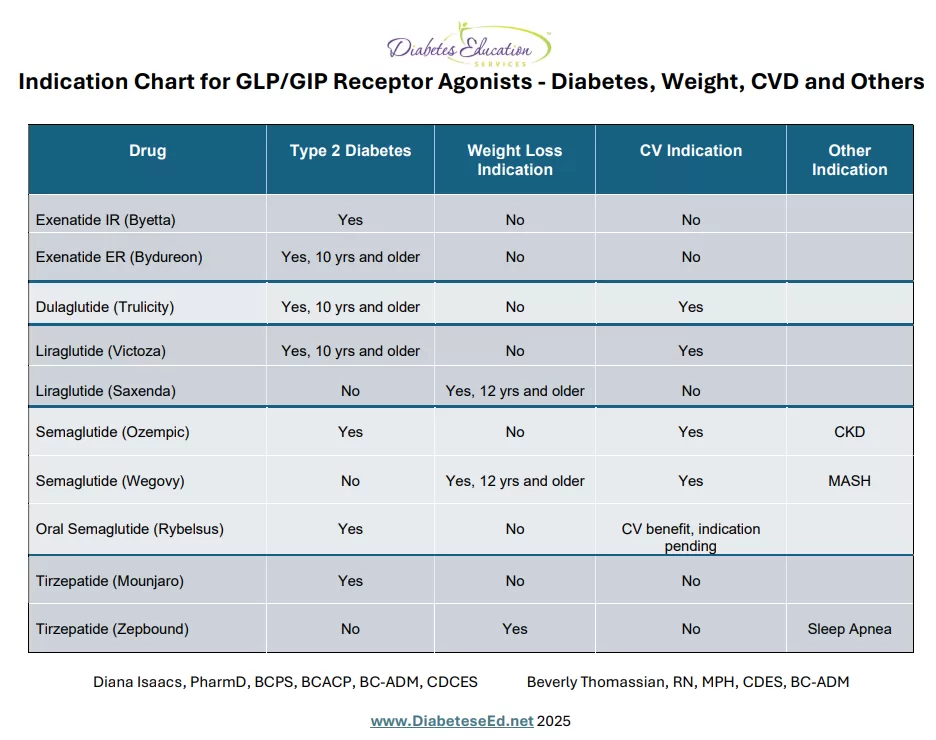
The narrative review of fasting and postprandial GLP-1 secretion in individuals with different metabolic conditions and degrees of glucose intolerance highlights the potential benefits of combining GLP-1 receptor agonists (GLP-1RAs) with extended fasting periods for improved glucose metabolism.
Understanding GLP-1 and Fasting
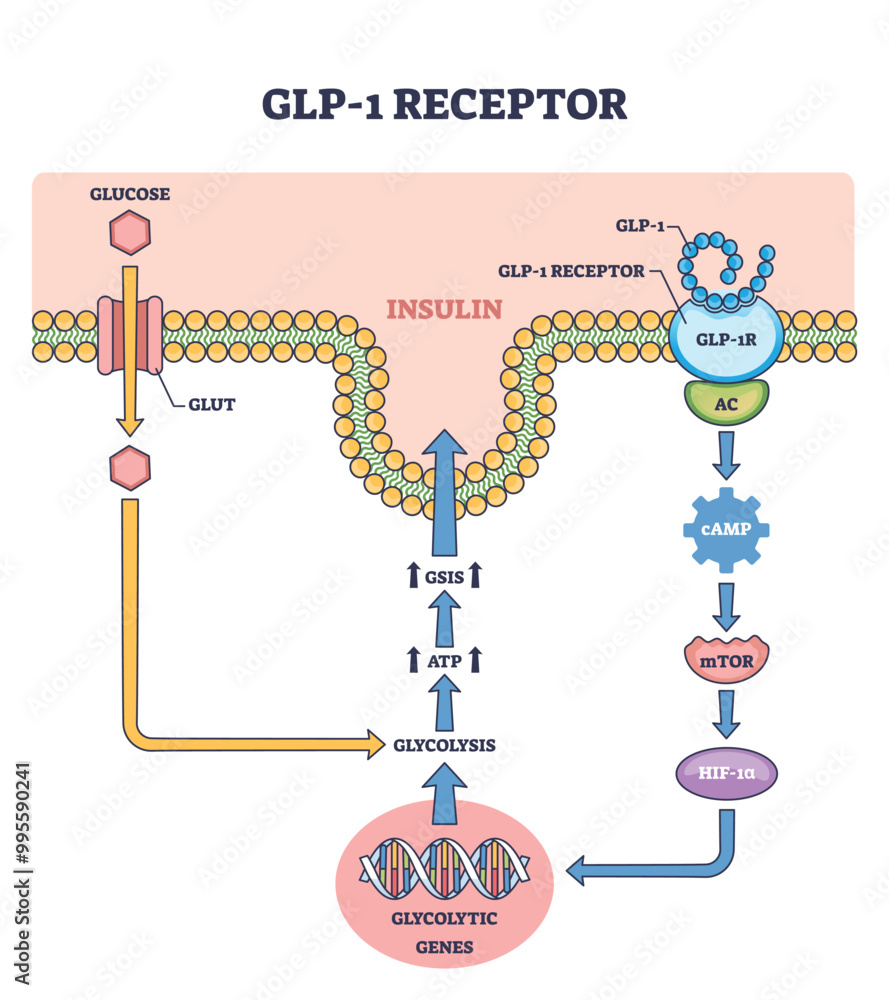
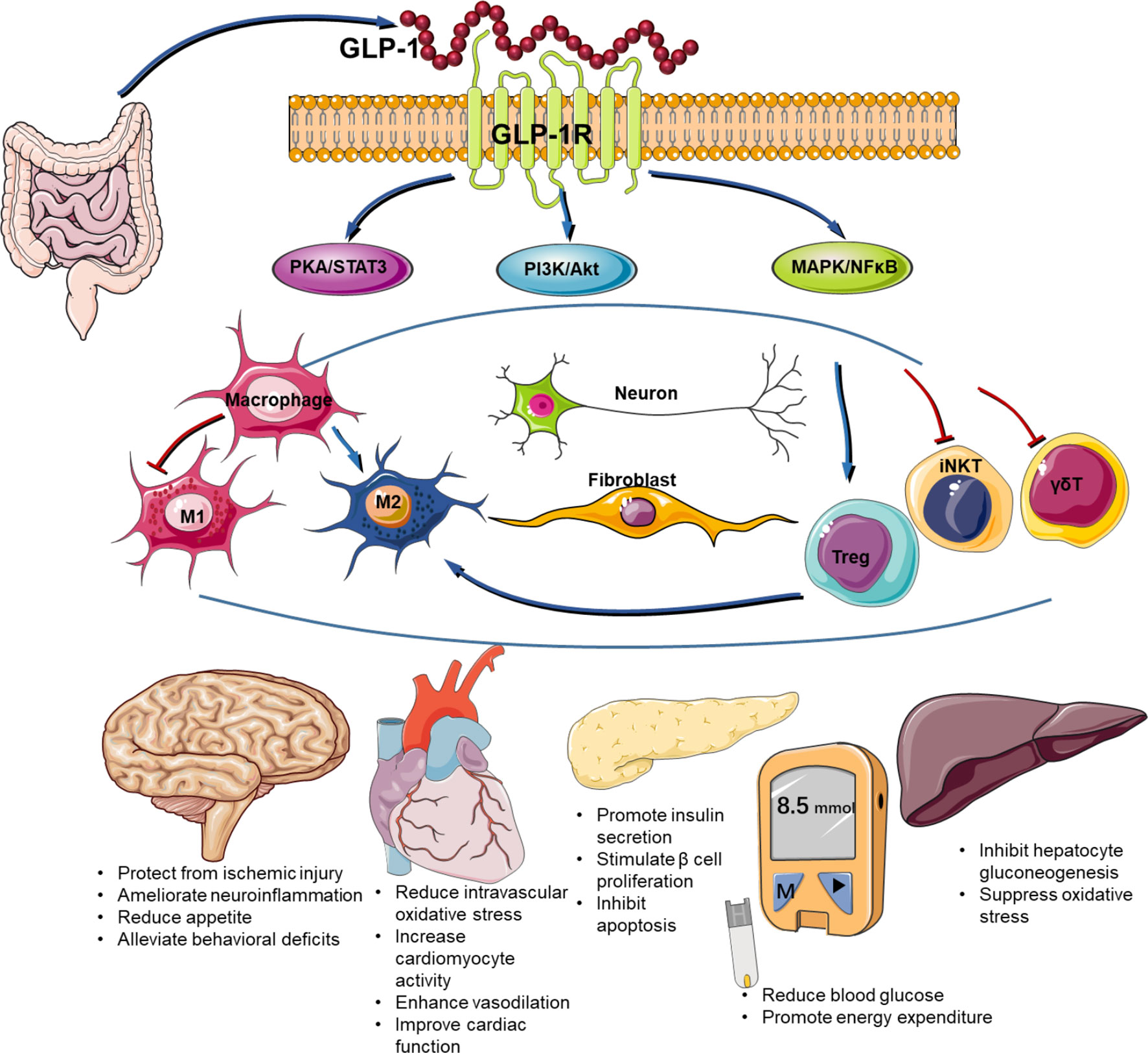
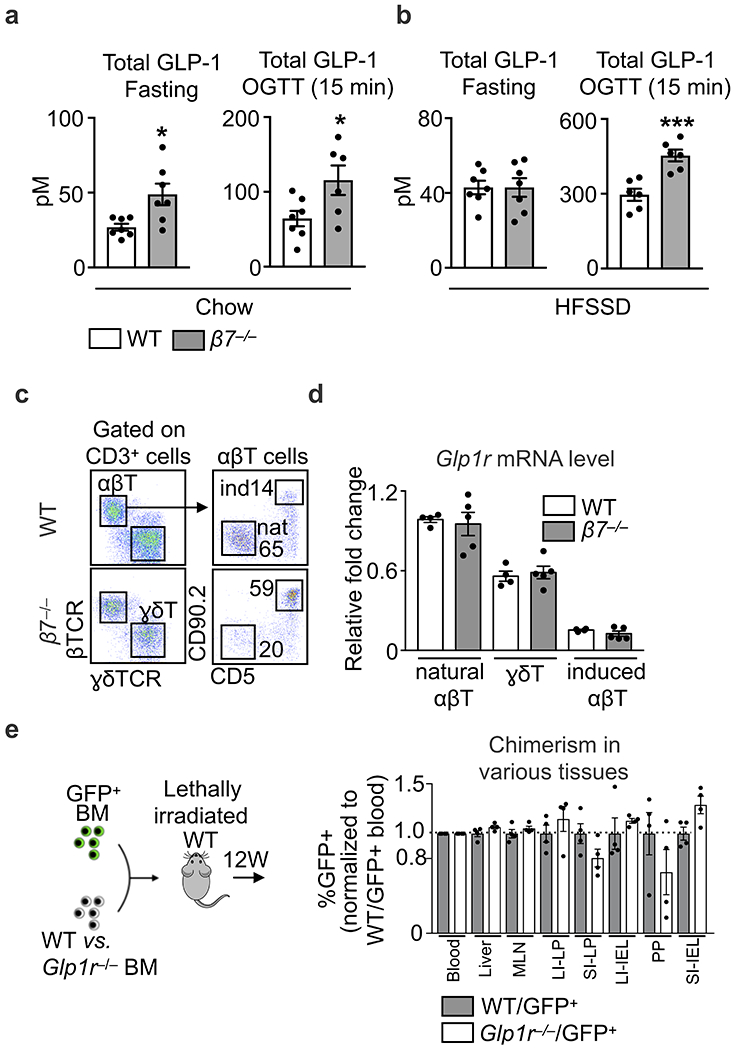
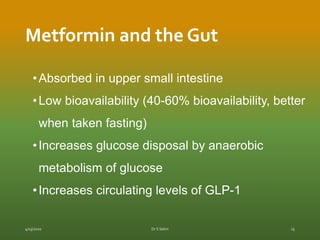
GLP-1 is a gastrointestinal peptide that plays a crucial role in glucose metabolism. It is secreted by L cells in the intestine in response to food intake and triggers postprandial secretion through nutrient-sensing via transporters and G-protein-coupled receptors (GPCRs). Research has shown that GLP-1 levels can start to rise within hours of fasting, with significant increases observed after prolonged fasting periods.
The Conceptual Model of Synergy
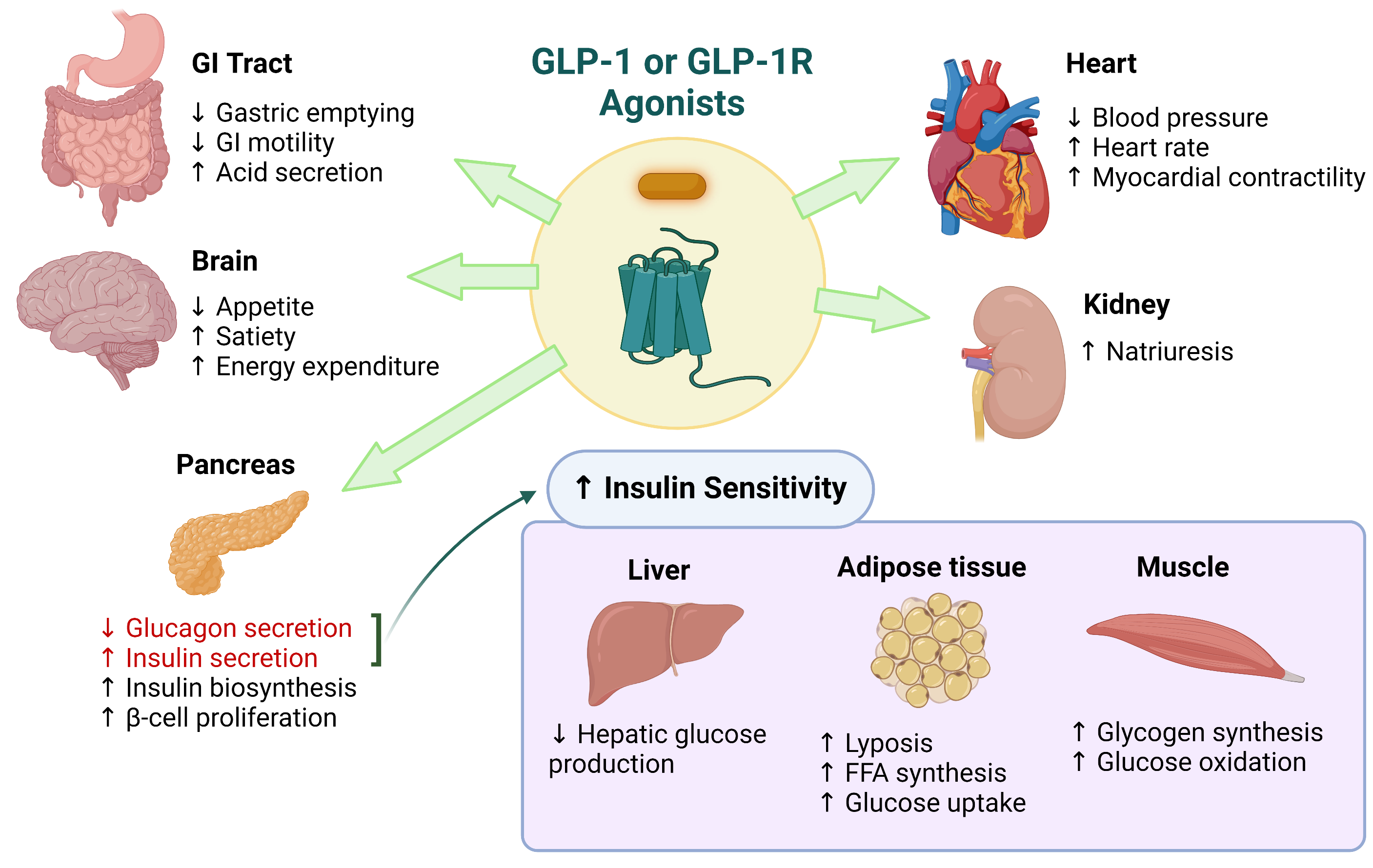
The conceptual model of synergy highlights how GLP-1 initiation reduces hunger and facilitates intermittent fasting, which in turn fosters lifestyle empowerment, decreases long-term drug dependency, and ultimately supports sustained weight loss and improved longevity.
Benefits of Combining GLP-1 and Fasting
Combining GLP-1 treatment with intermittent fasting can have several benefits, including improved glucose metabolism, enhanced weight loss, and regulation of hunger hormones. This approach can be particularly effective for individuals with obesity, type 2 diabetes, and other metabolic disorders.