Understanding GLP-1 Therapy for Insulin-Dependent Diabetes
Glucagon-like peptide-1 (GLP-1) therapy has emerged as a promising treatment option for insulin-dependent diabetes, particularly for individuals with type 1 diabetes. In this article, we will delve into the world of GLP-1 therapy, exploring its mechanisms, benefits, and potential risks. By understanding GLP-1 therapy, individuals with insulin-dependent diabetes can make informed decisions about their treatment plans.
The Science Behind GLP-1 Therapy
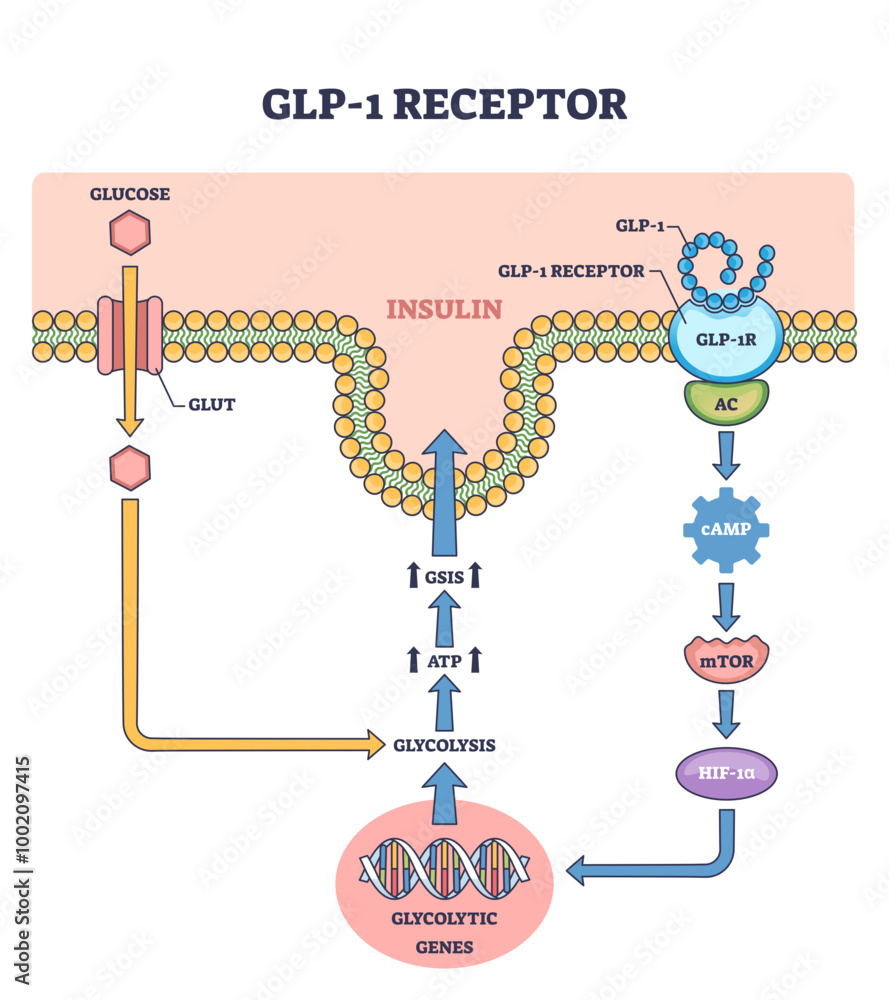
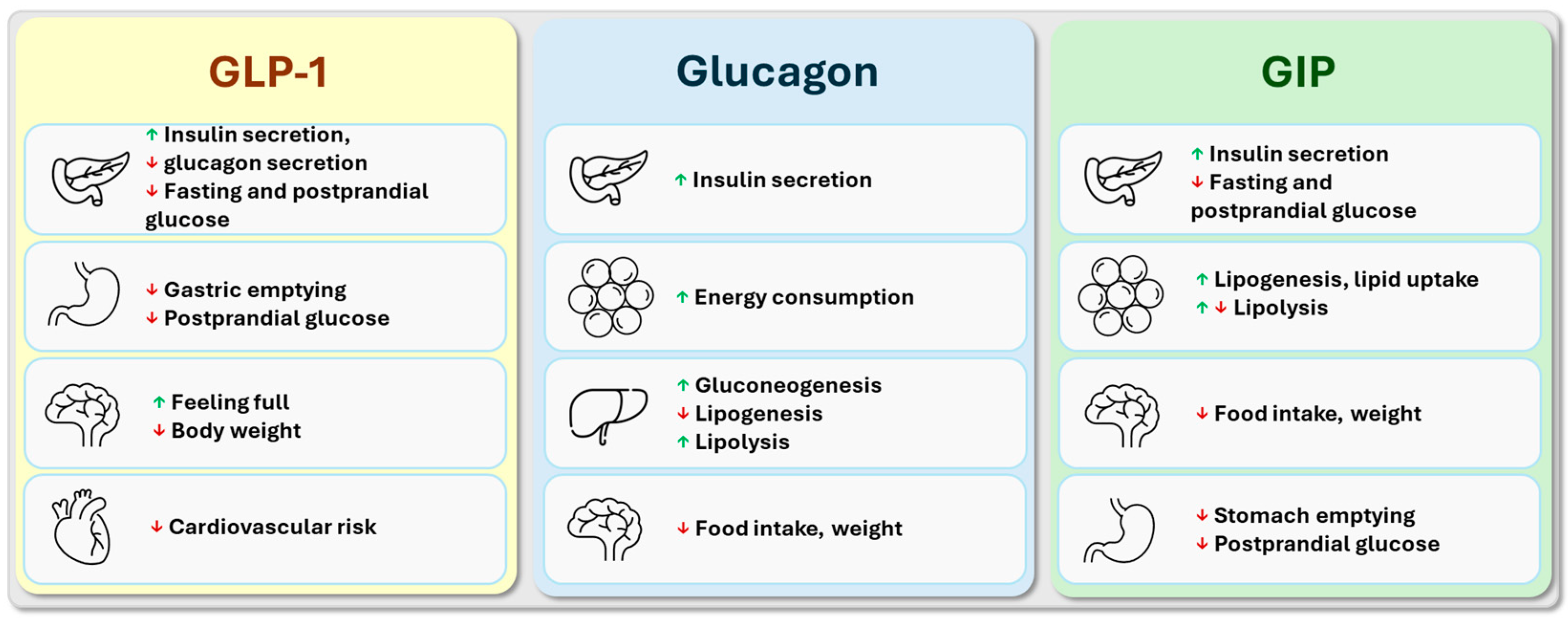
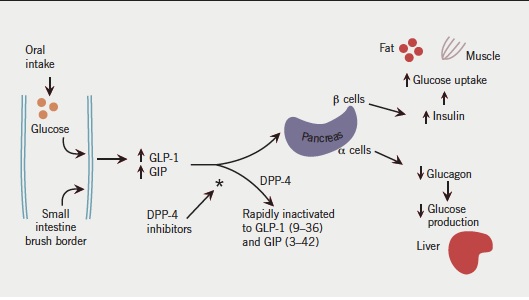
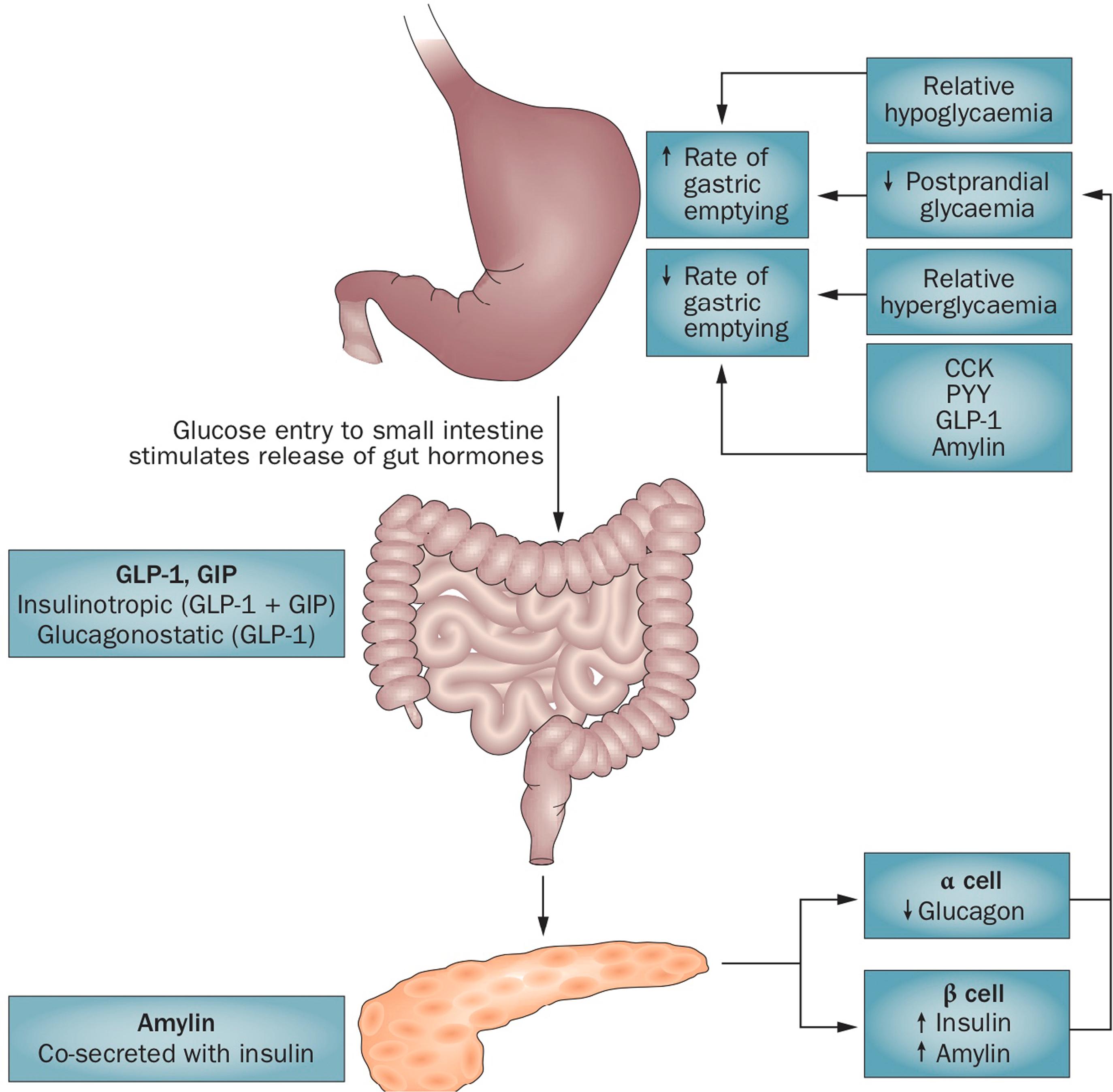
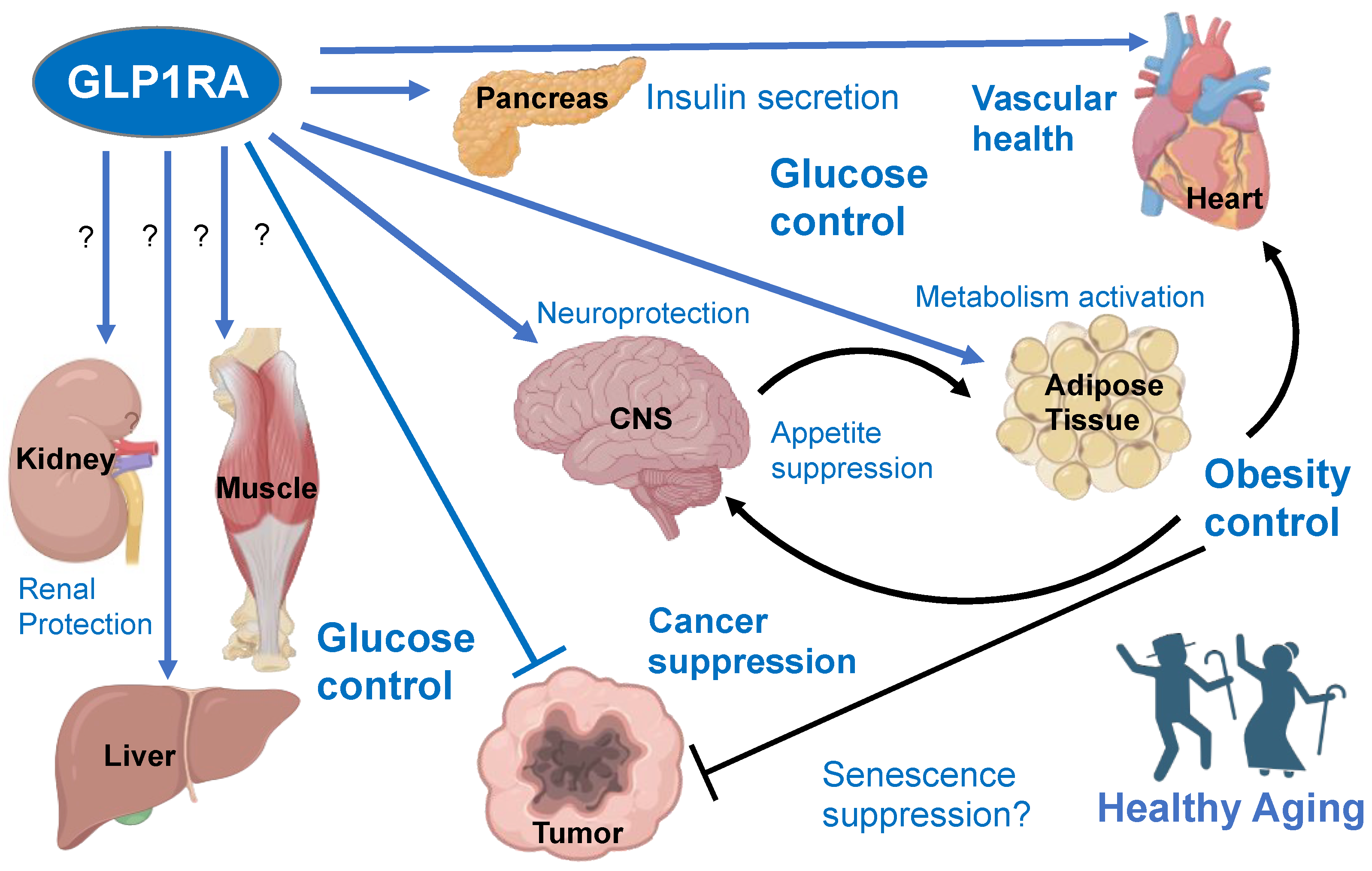
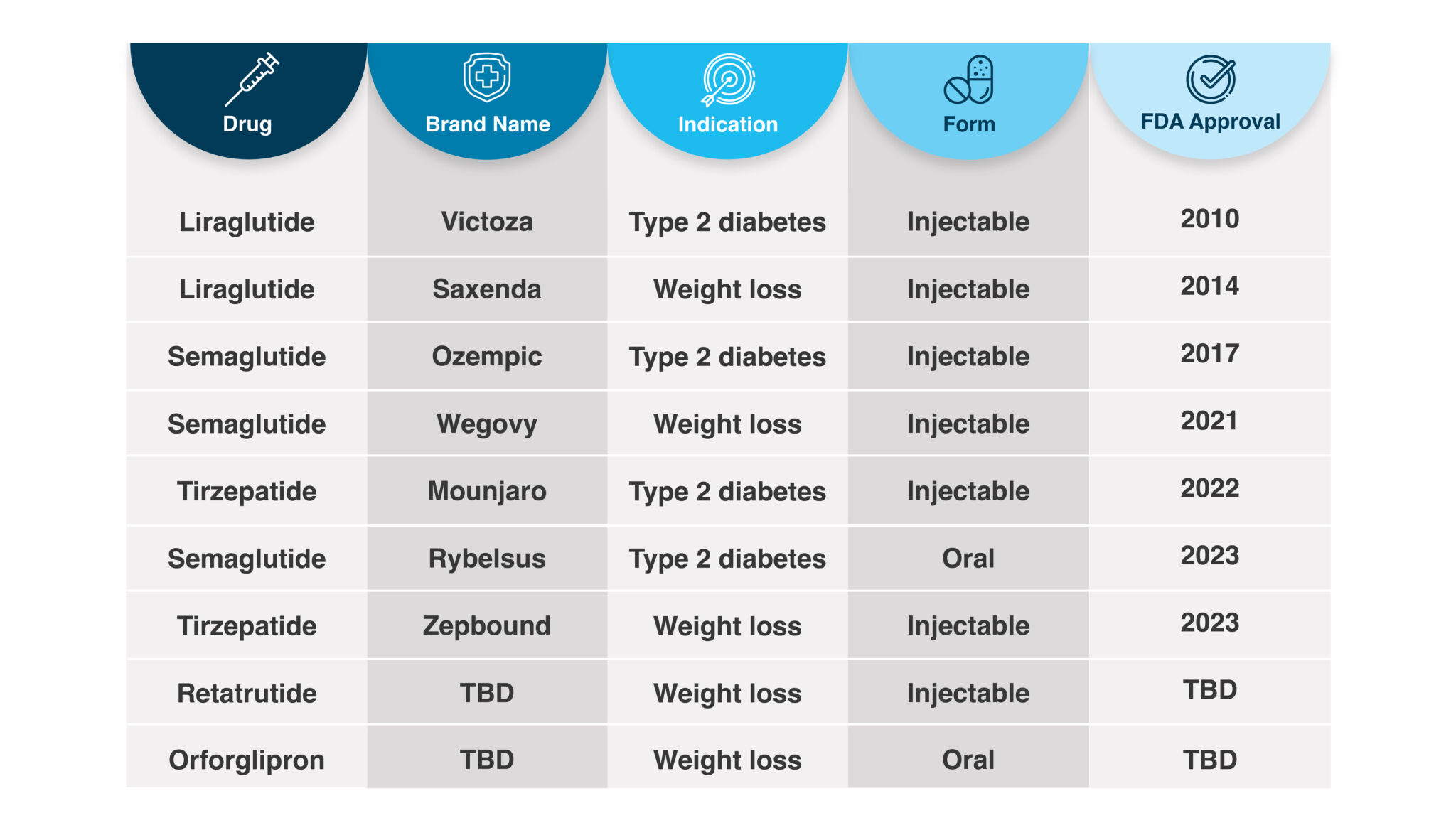
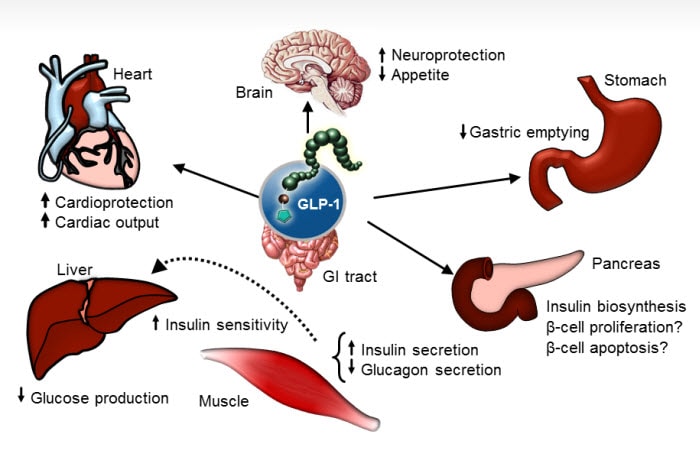
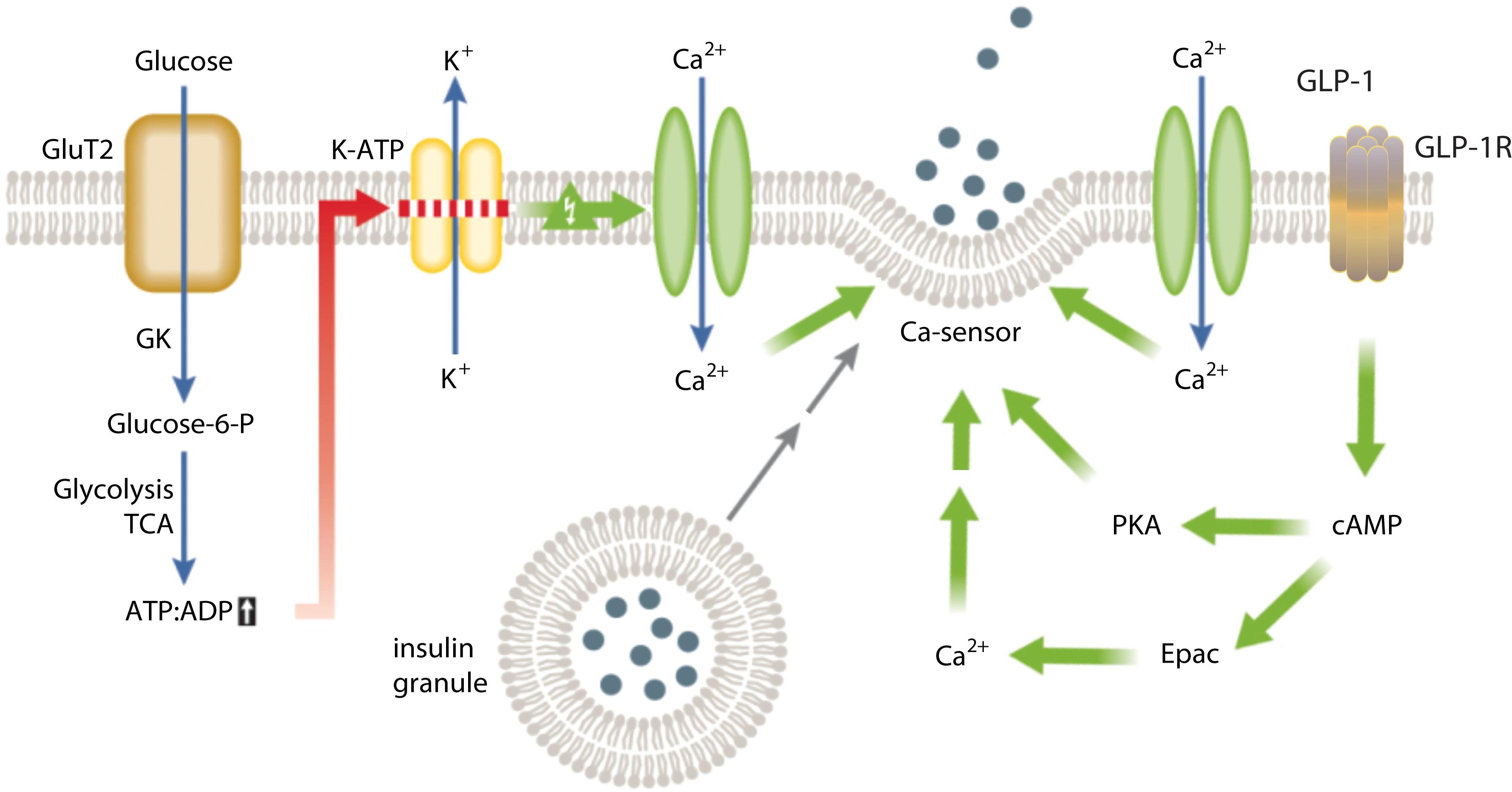
GLP-1 is a hormone produced by the intestines in response to food intake. It plays a crucial role in regulating blood sugar levels by stimulating insulin secretion and suppressing glucagon release. GLP-1 receptor agonists, such as semaglutide and tirzepatide, mimic the action of natural GLP-1, enhancing glucose-dependent insulin secretion and reducing appetite.
Benefits of GLP-1 Therapy for Insulin-Dependent Diabetes
Sustained caloric reduction and meaningful weight loss
Enhanced glucose-dependent insulin secretion
Suppressed glucagon release
Delayed gastric emptying
Increased satiety and reduced appetite
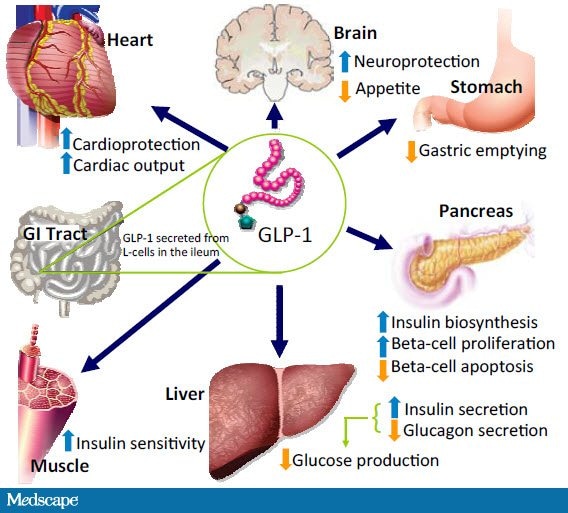
These benefits contribute to improved glycemic control, reduced cardiovascular risk, and enhanced quality of life for individuals with insulin-dependent diabetes.
Potential Risks and Side Effects of GLP-1 Therapy
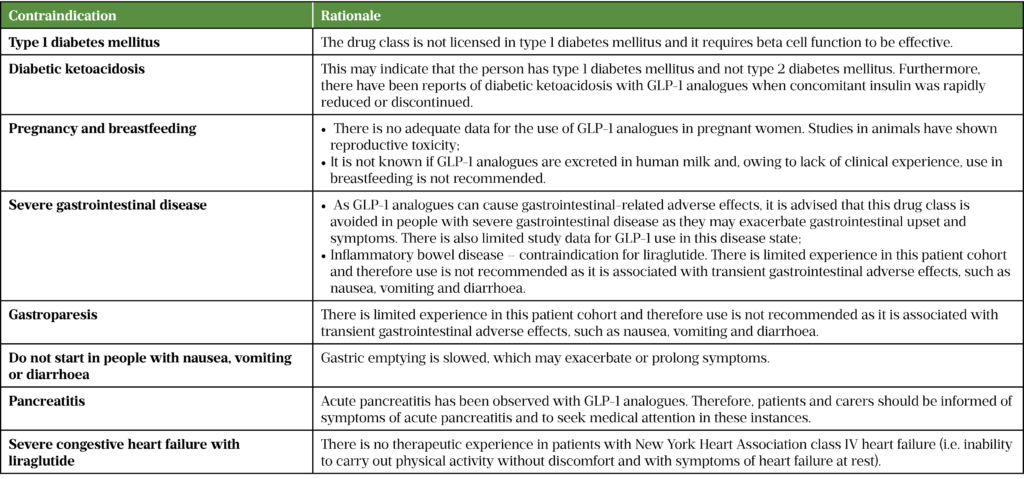
While GLP-1 therapy has shown promise, it is not without potential risks and side effects. Individuals with type 1 diabetes should be aware of the following:
Serious hypoglycemia and diabetic ketoacidosis
Nausea and vomiting
Diarrhea and abdominal pain
Injection site reactions