GLP-1 Receptor Agonists and Kidney Function: The Emerging Role of Diabetes Drugs in Kidney Health
Glucagon-like peptide-1 (GLP-1) receptor agonists have revolutionized the treatment of type 2 diabetes, offering improved glycemic control and weight loss. However, research has also uncovered their potential benefits for kidney health, sparking a new wave of interest in the role of these drugs in chronic kidney disease (CKD) management.
Understanding the Mechanisms Behind GLP-1 Receptor Agonists
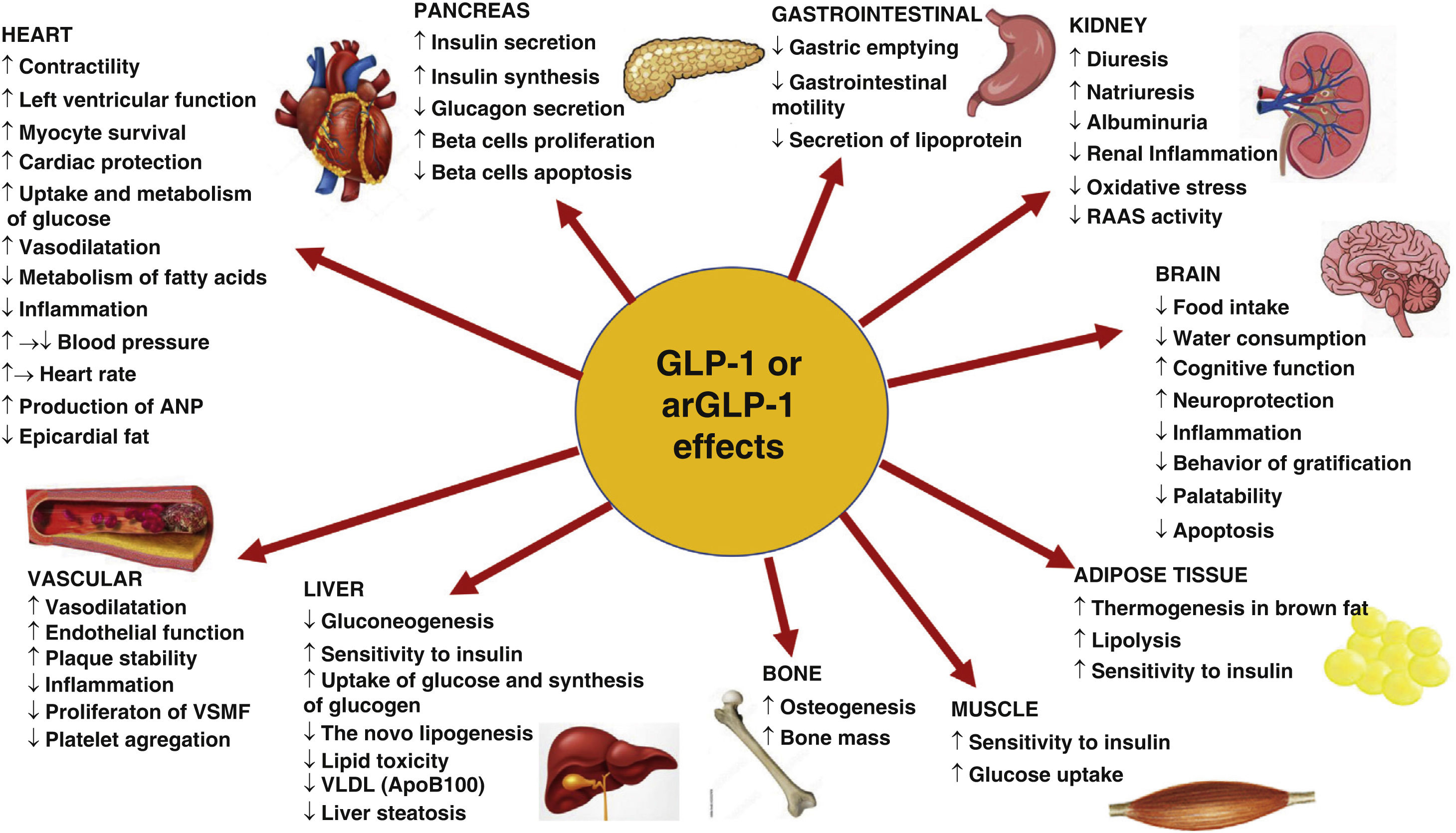
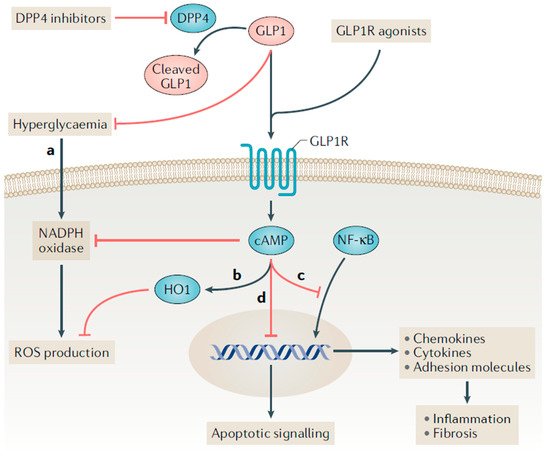
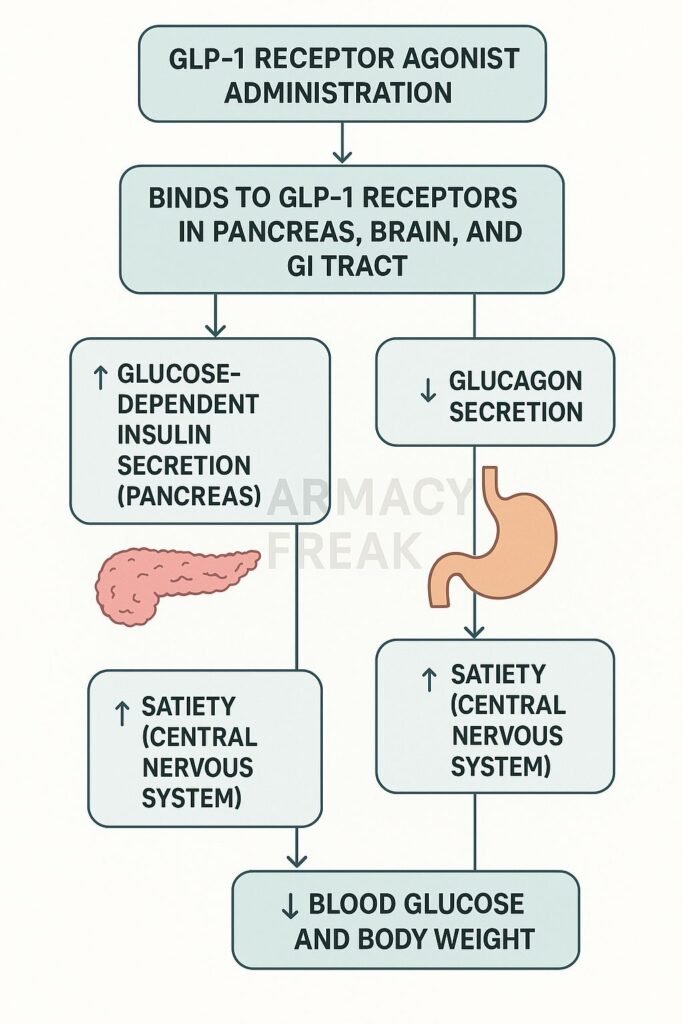
GLP-1 receptor agonists mimic the natural hormone GLP-1, which is released after eating to regulate blood sugar levels. By activating the GLP-1 receptor, these medications stimulate insulin production, slow gastric emptying, and reduce glucagon release, thereby improving glucose homeostasis. This unique mechanism of action not only enhances glycemic control but also has renoprotective effects, suggesting their potential in CKD management.
Renoprotective Effects of GLP-1 Receptor Agonists

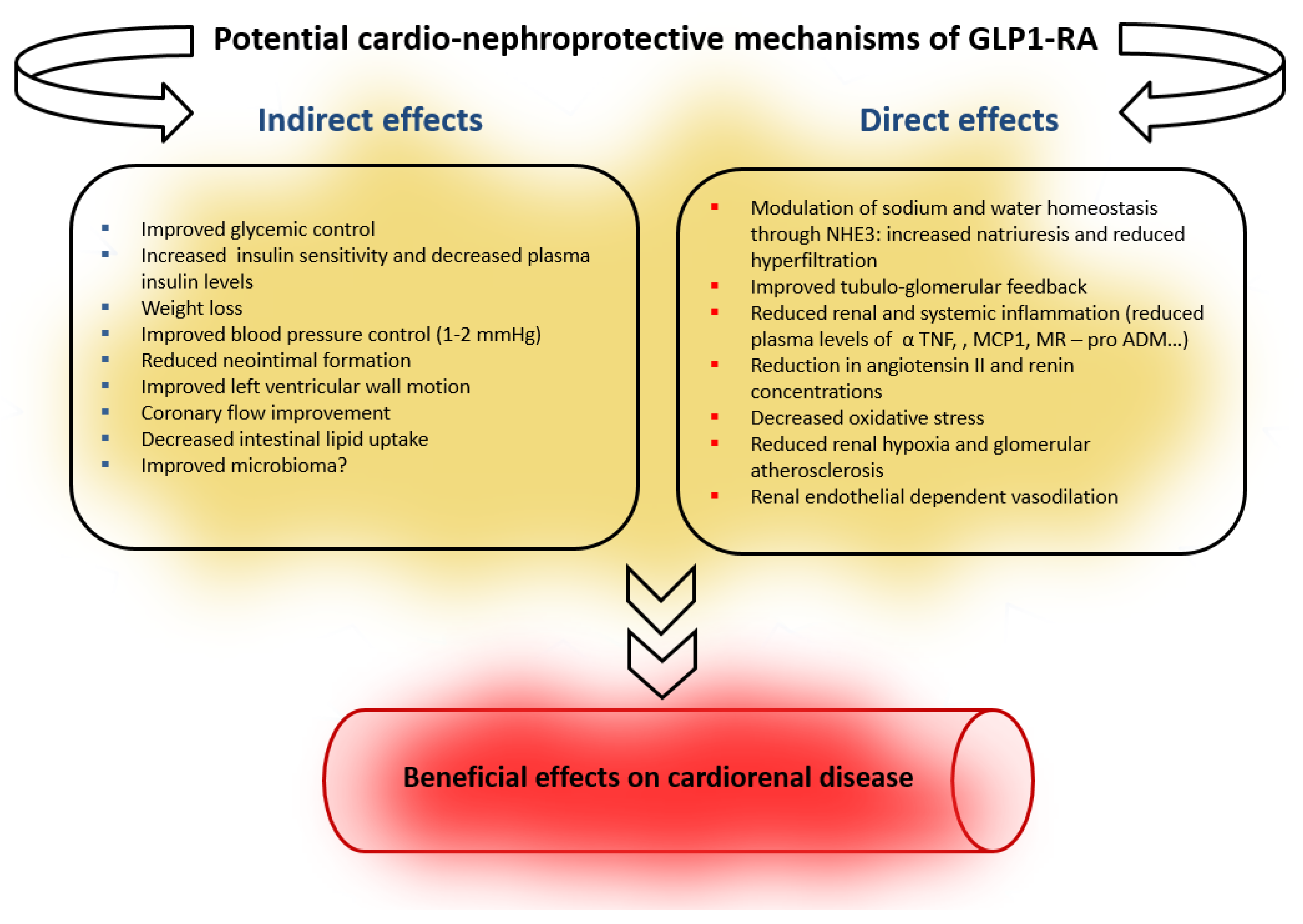
Studies have shown that GLP-1 receptor agonists can slow CKD progression by improving glycemic control, reducing albuminuria, and potentially protecting against glomerular damage. By improving tissue perfusion, these medications may also contribute to favorable kidney outcomes. Additionally, their cardiovascular benefits could indirectly enhance kidney health by reducing the risk of cardiovascular disease.
Emerging Evidence for GLP-1 Receptor Agonists in CKD Management
Research suggests that GLP-1 receptor agonists may be beneficial for patients with diabetes and CKD. A meta-analysis of cardiovascular outcomes trials found that these medications reduced the risk of major adverse cardiovascular events and hospitalization for heart failure. Furthermore, a recent study demonstrated that GLP-1 receptor agonists could slow CKD progression and reduce the risk of kidney disease progression in patients with diabetes.