GLP-1 Receptor Agonists and Blood Sugar Regulation: A Comprehensive Review
The management of blood sugar levels is a crucial aspect of treating and managing type 2 diabetes, obesity, and other metabolic disorders. In recent years, a class of medications known as glucagon-like peptide-1 (GLP-1) receptor agonists has emerged as a pivotal treatment option for these conditions.
Physiological Roles of GLP-1
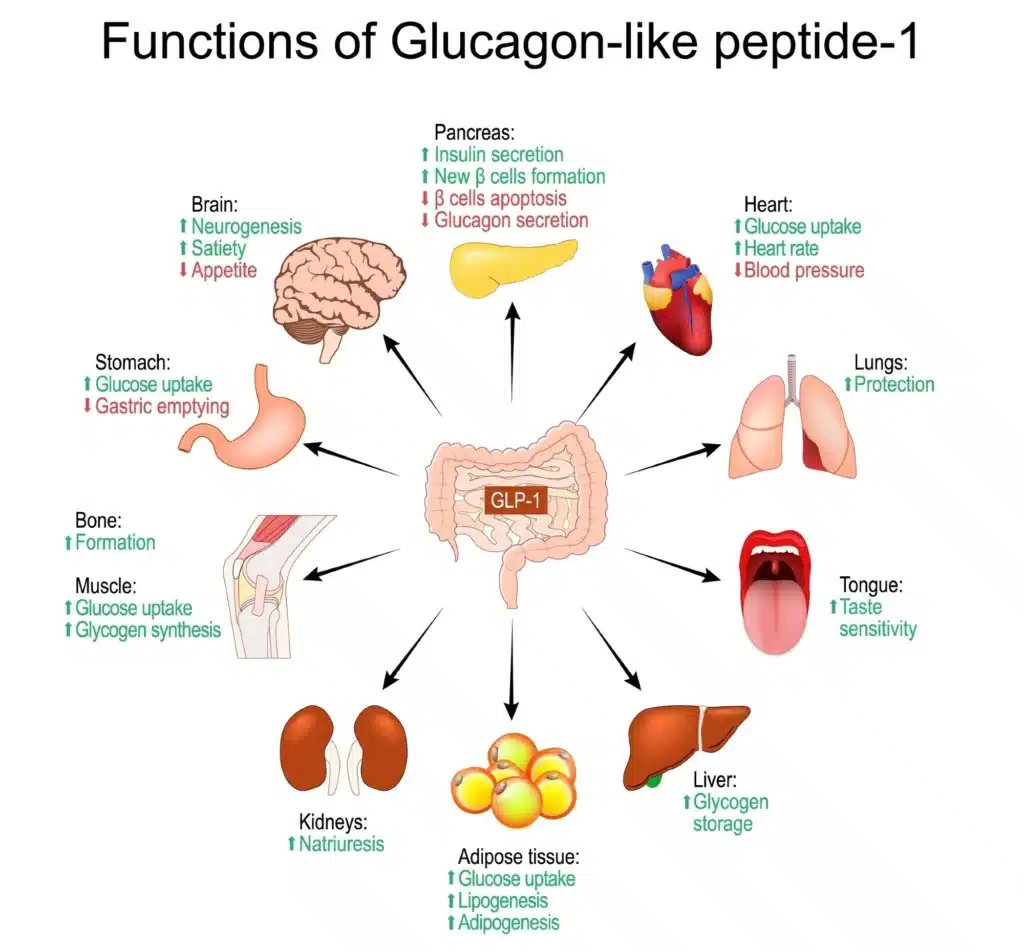
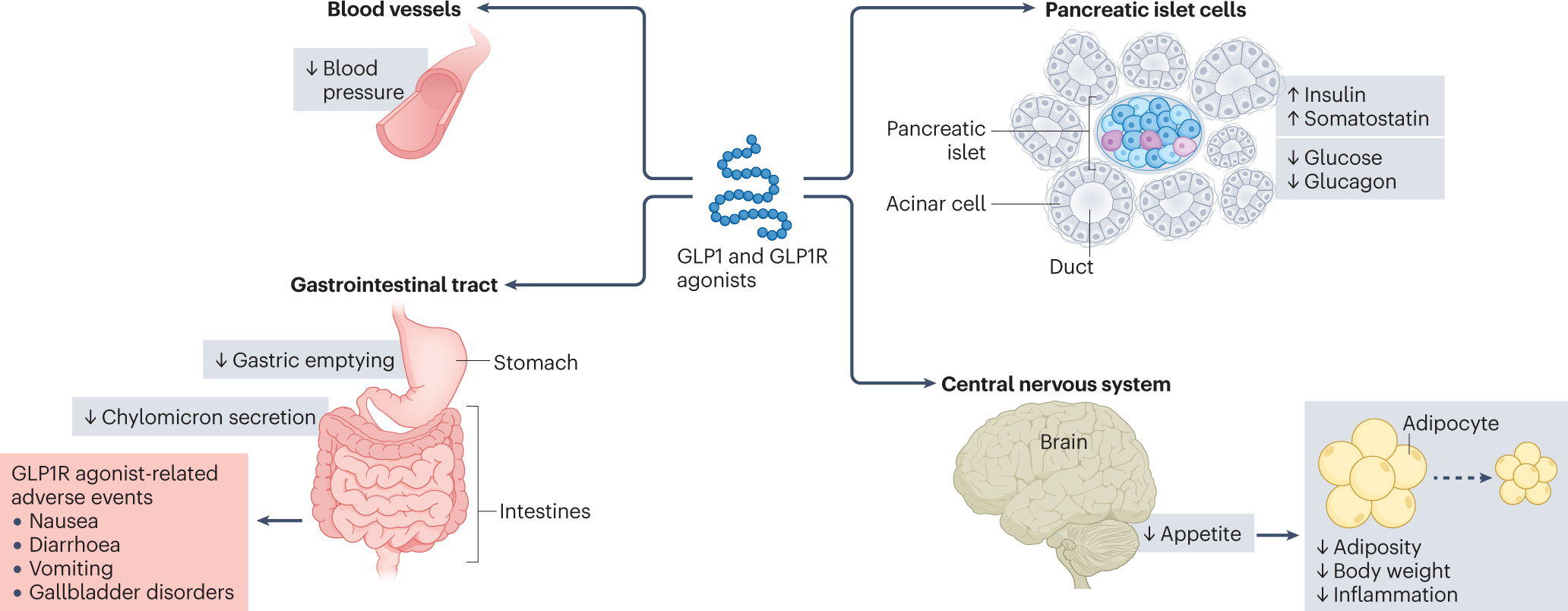
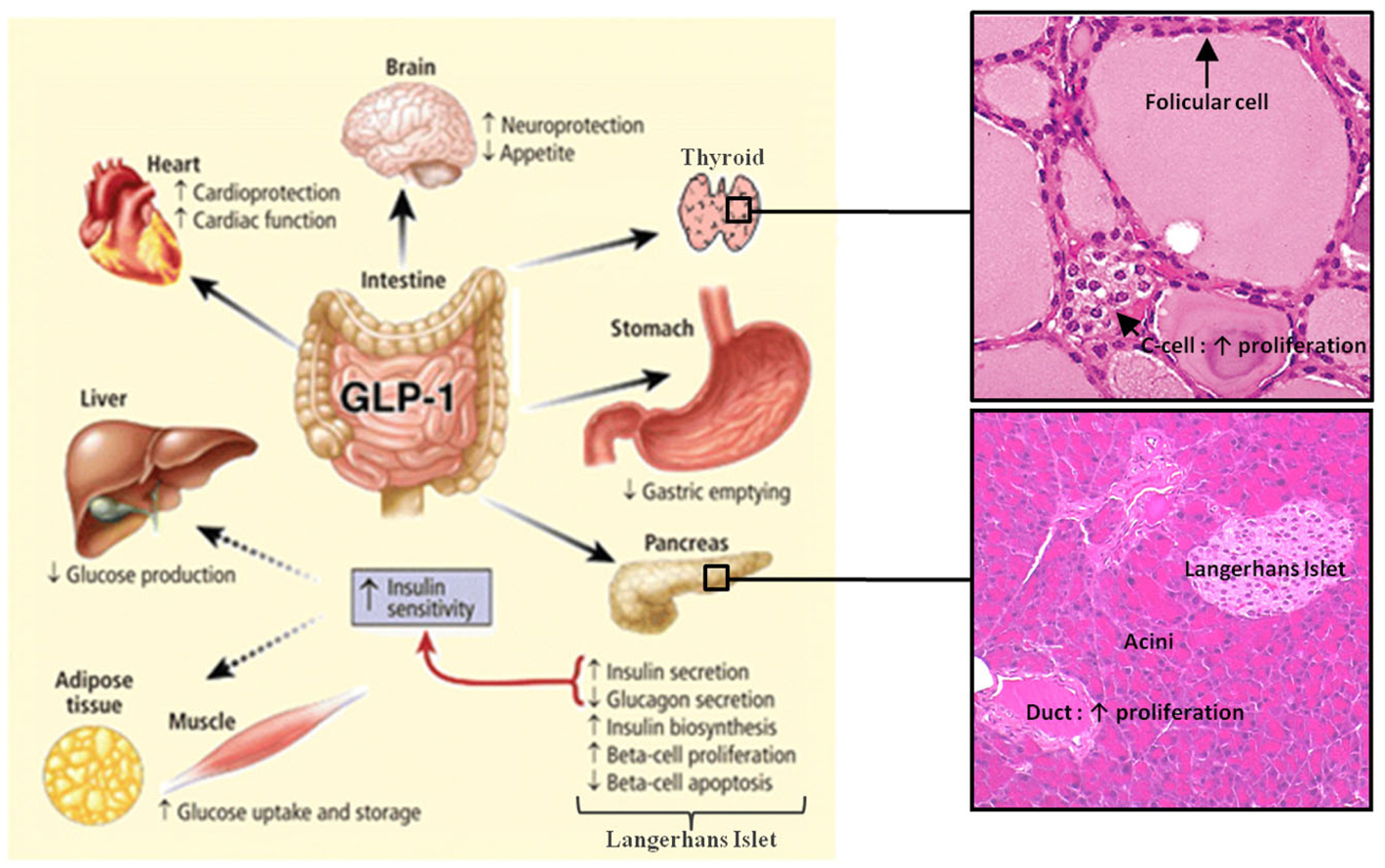
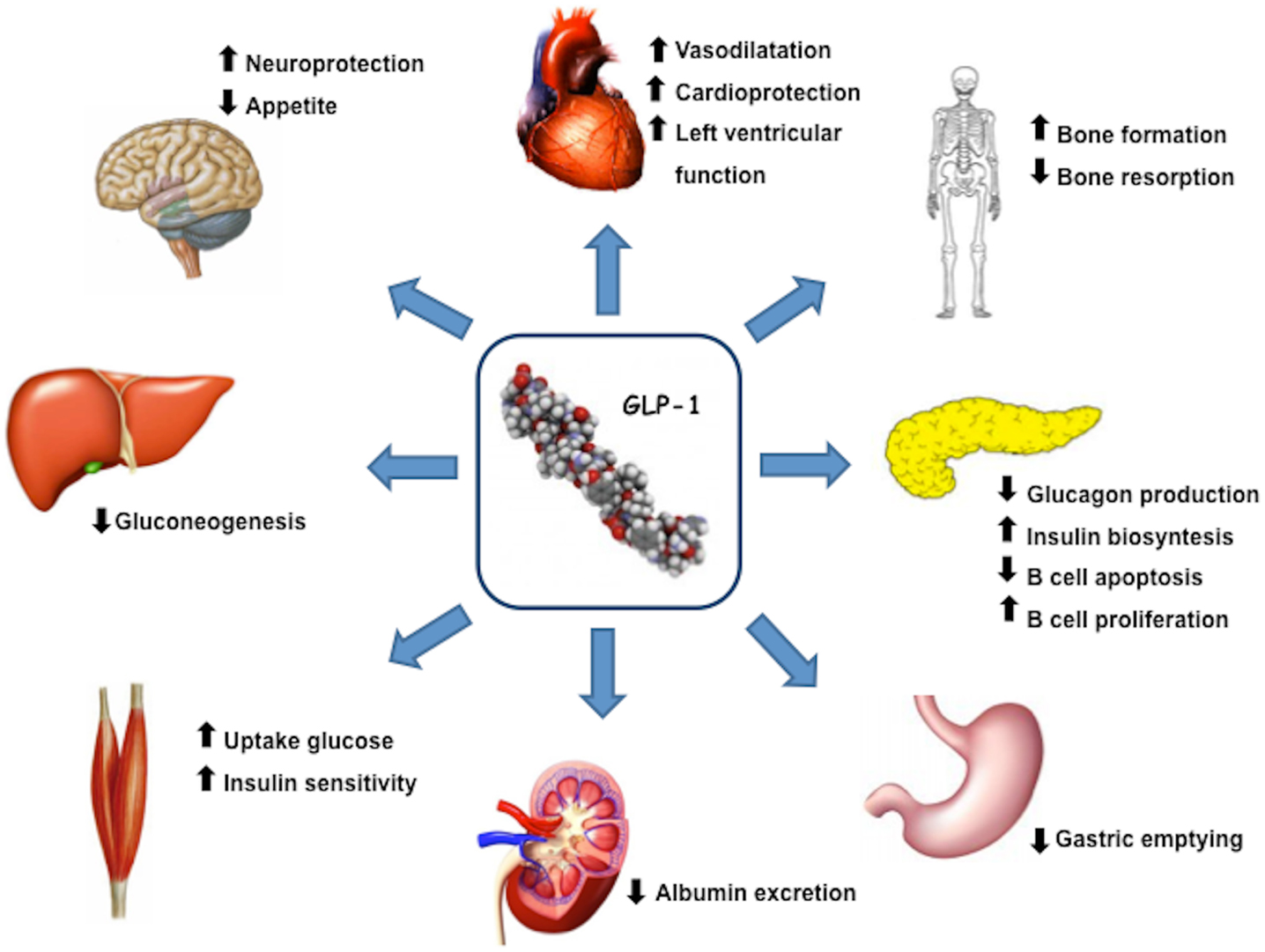
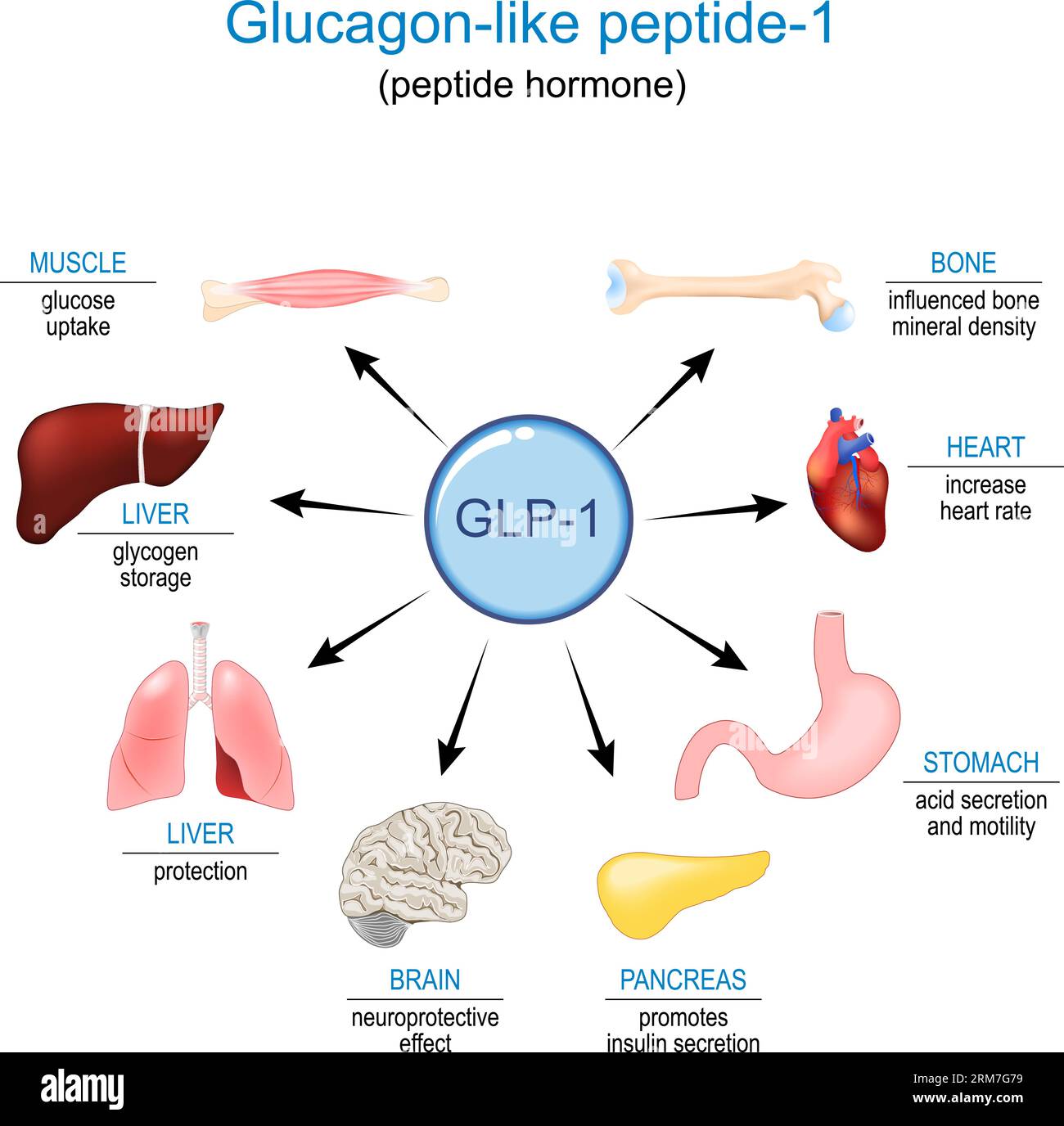
GLP-1 is a secreted peptide that plays a key role in regulating blood glucose homeostasis. It stimulates insulin secretion, slows gastric emptying, and suppresses glucagon release, thus maintaining healthy blood sugar levels. The GLP-1 receptor, found on beta cells of the pancreas and neurons of the brain, interacts with GLP-1 to modulate glucose metabolism and appetite.
GLP-1 Receptor Agonists in Diabetes Management

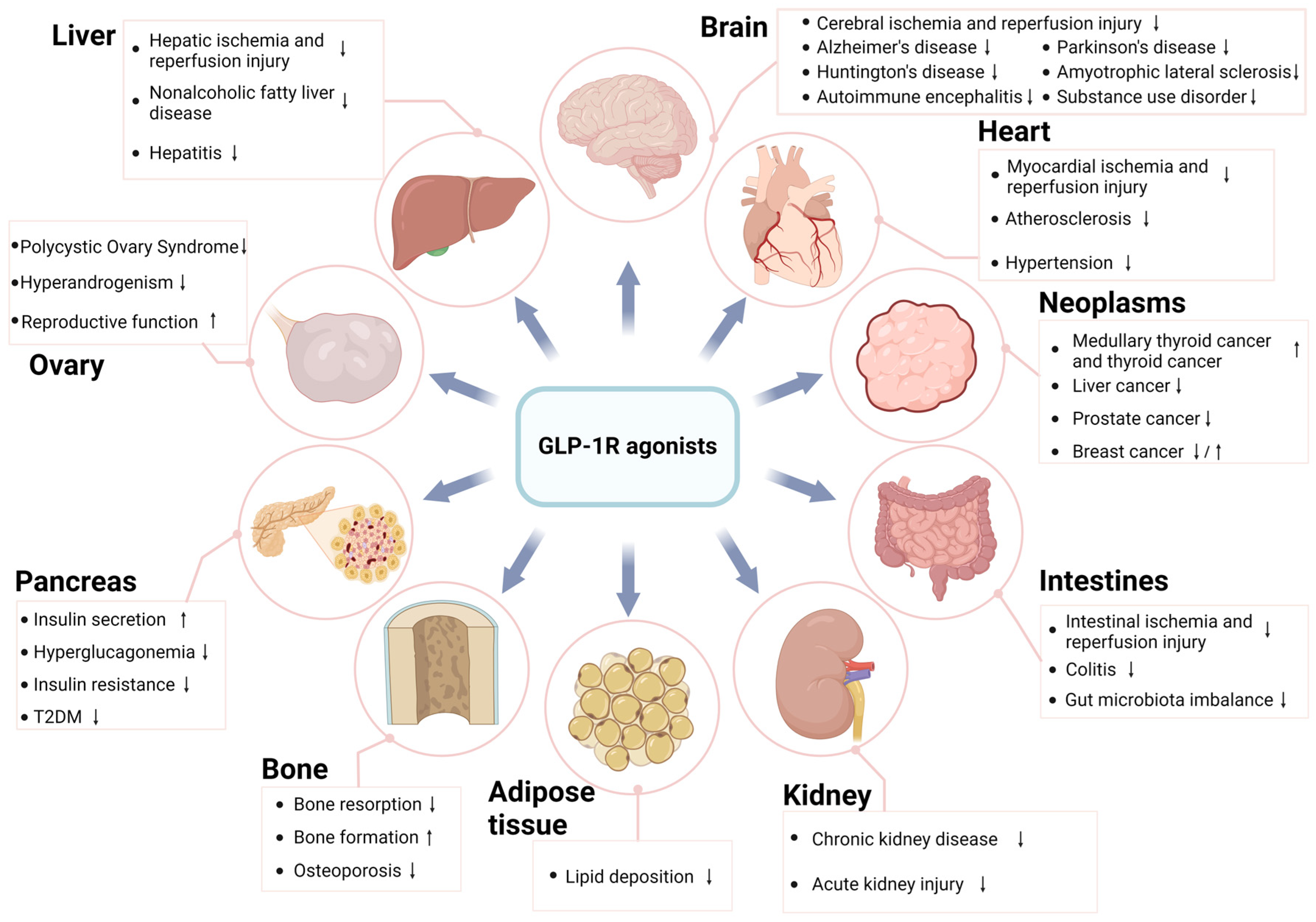
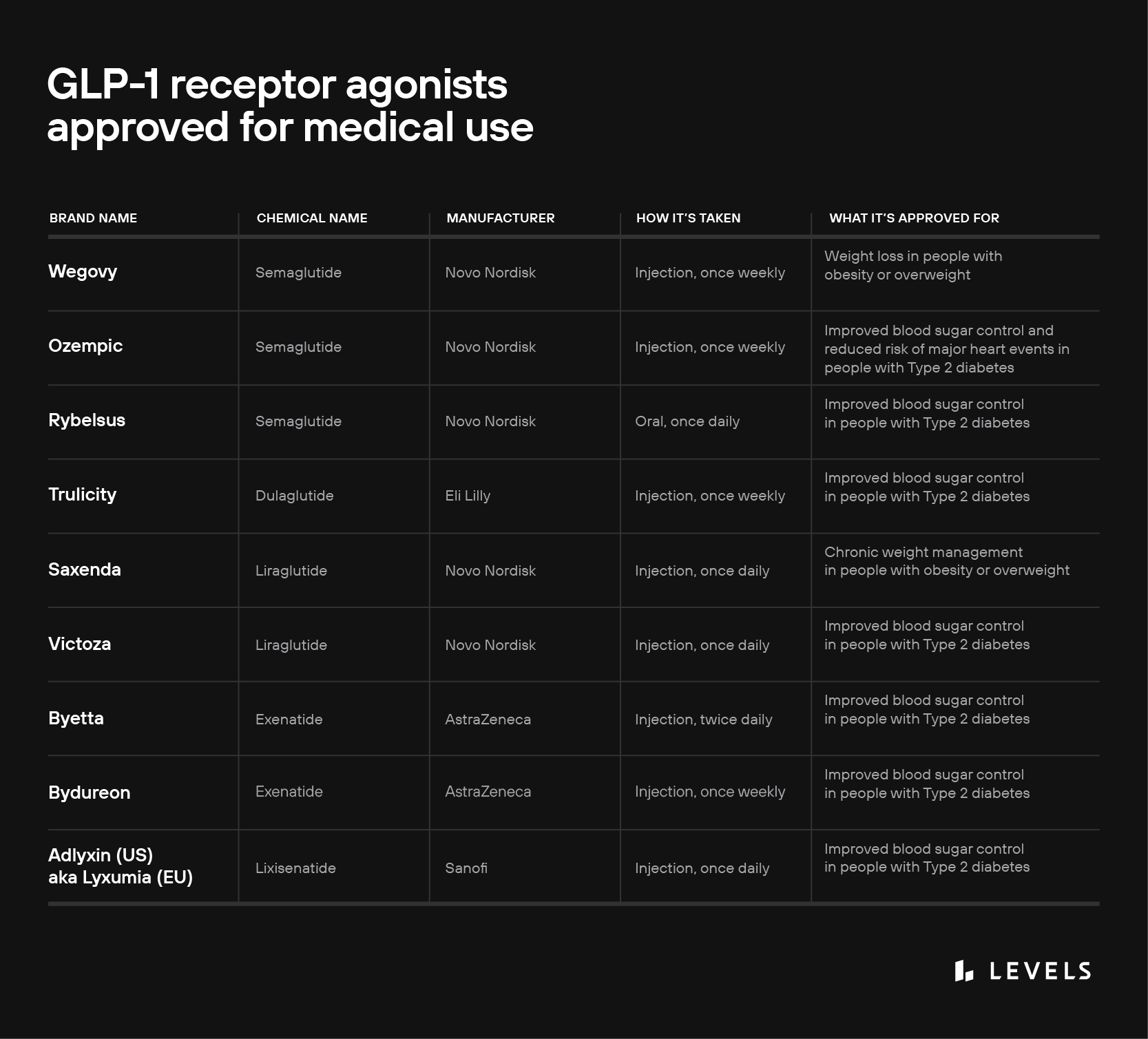
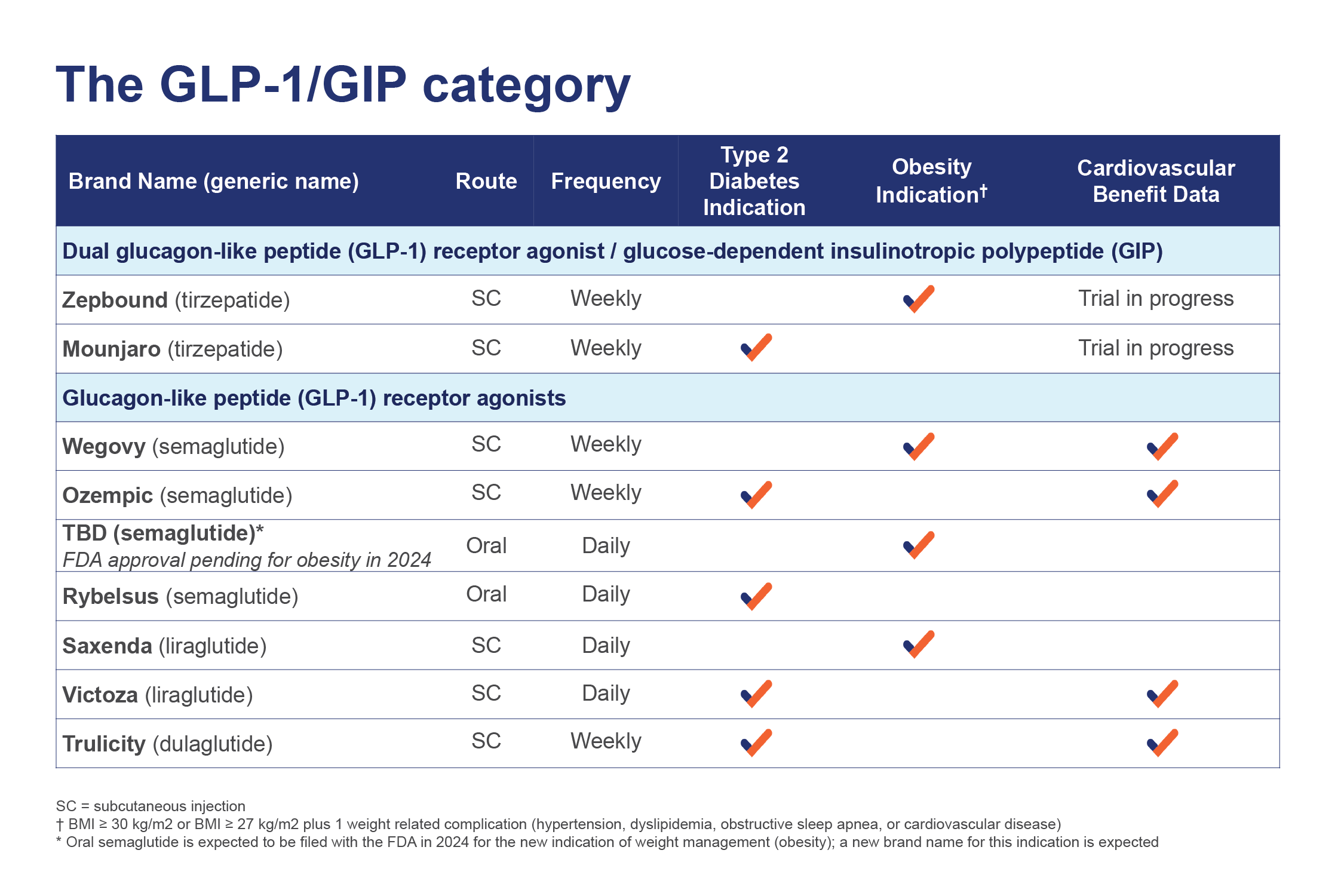
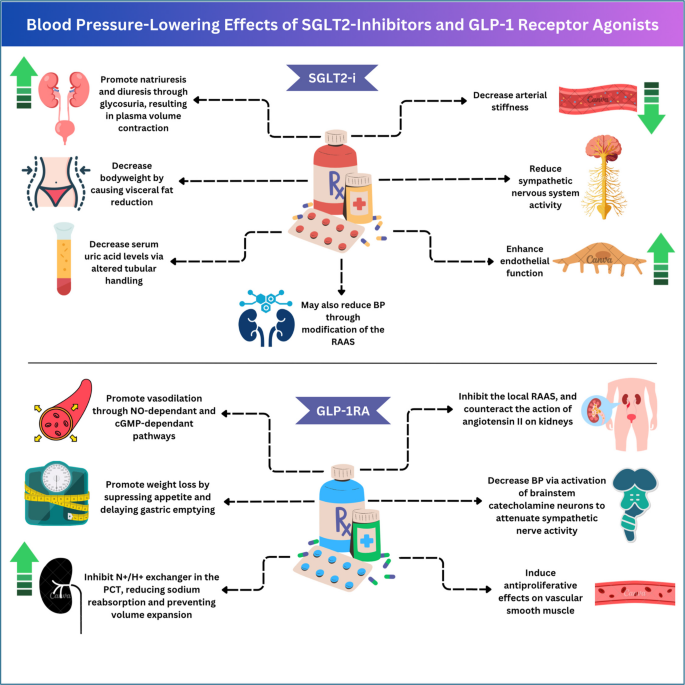
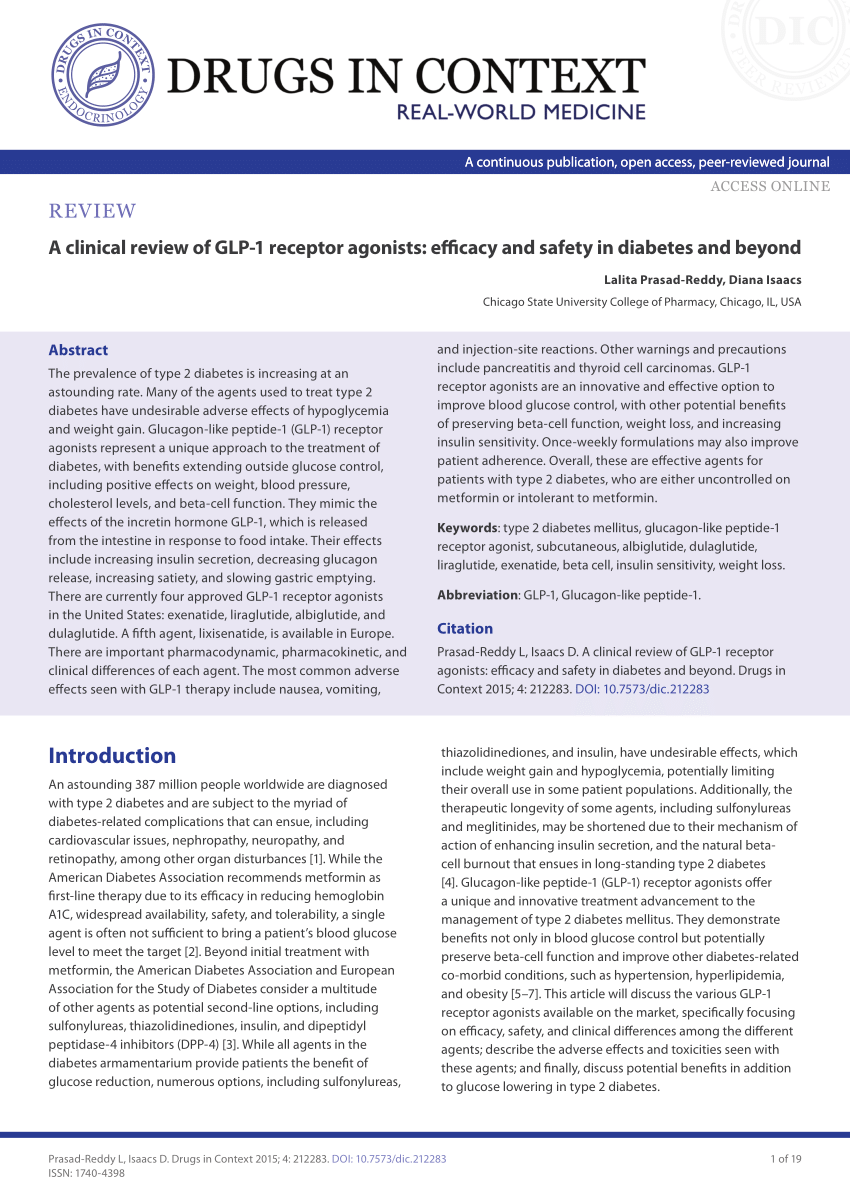
GLP-1 receptor agonists, such as liraglutide, semaglutide, and tirzepatide, mimic the action of natural GLP-1 to regulate blood sugar levels, promote weight loss, and offer cardiovascular benefits. These medications have been shown to improve glycemic control in patients with type 2 diabetes, reduce the risk of kidney disease and heart disease, and promote weight loss in obese patients.
Key Mechanisms of GLP-1 Receptor Agonists
- Stimulate insulin secretion in response to food intake
- Suppress glucagon release to reduce glucose production in the liver
- Regulate appetite and satiety by communicating with the brain
- Slow gastric emptying to control blood sugar spikes