GLP-1 Receptor Agonist Usage Guidelines: A Comprehensive Review
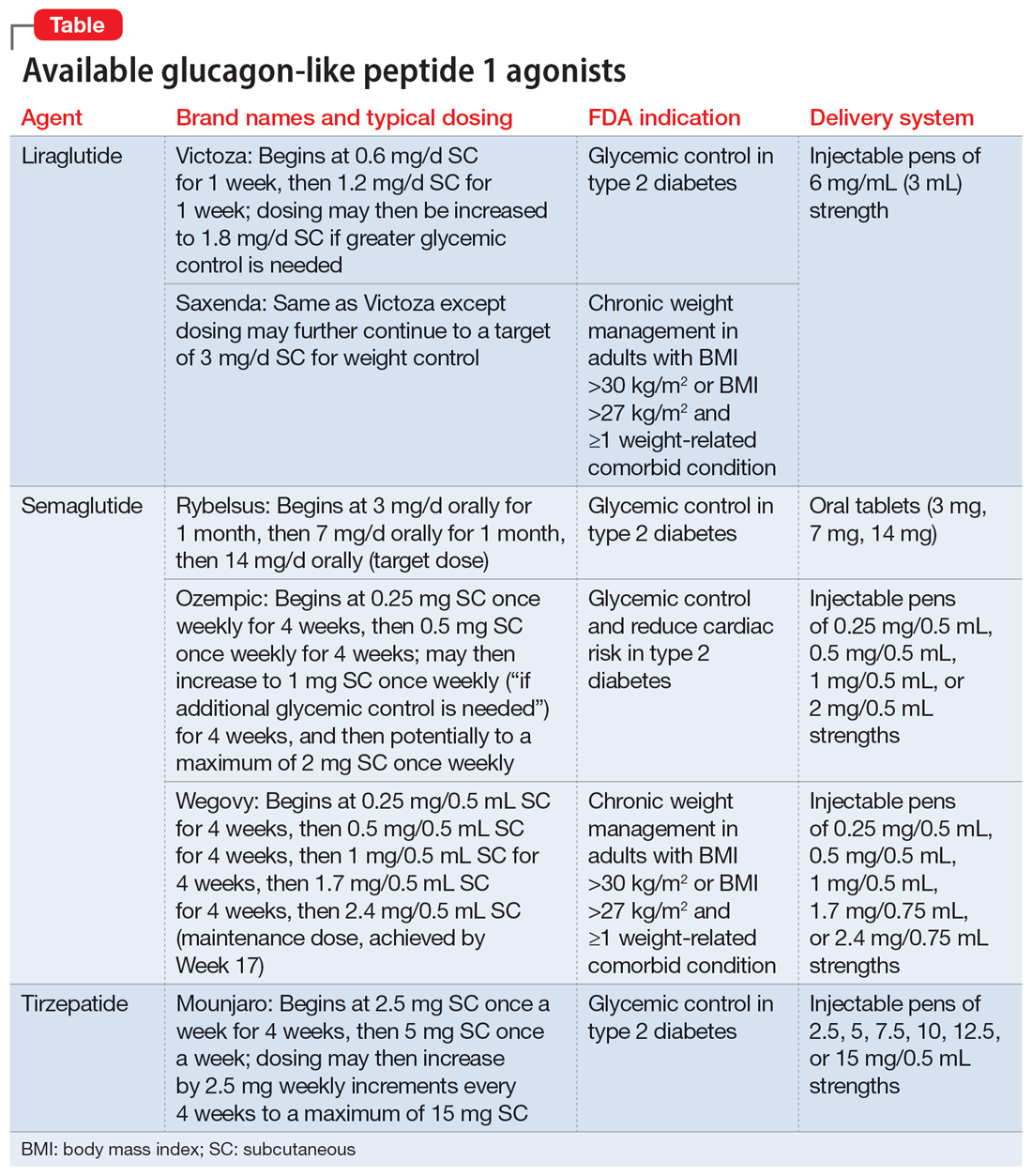
GLP-1 receptor agonists have revolutionized the treatment of metabolic diseases, including type 2 diabetes, obesity, and obesity-related cardiovascular diseases. These medications work by mimicking the action of the naturally occurring hormone glucagon-like peptide-1 (GLP-1), which plays a crucial role in regulating blood sugar levels, appetite, and weight.
GLP-1 Receptor Agonist Mechanism of Action
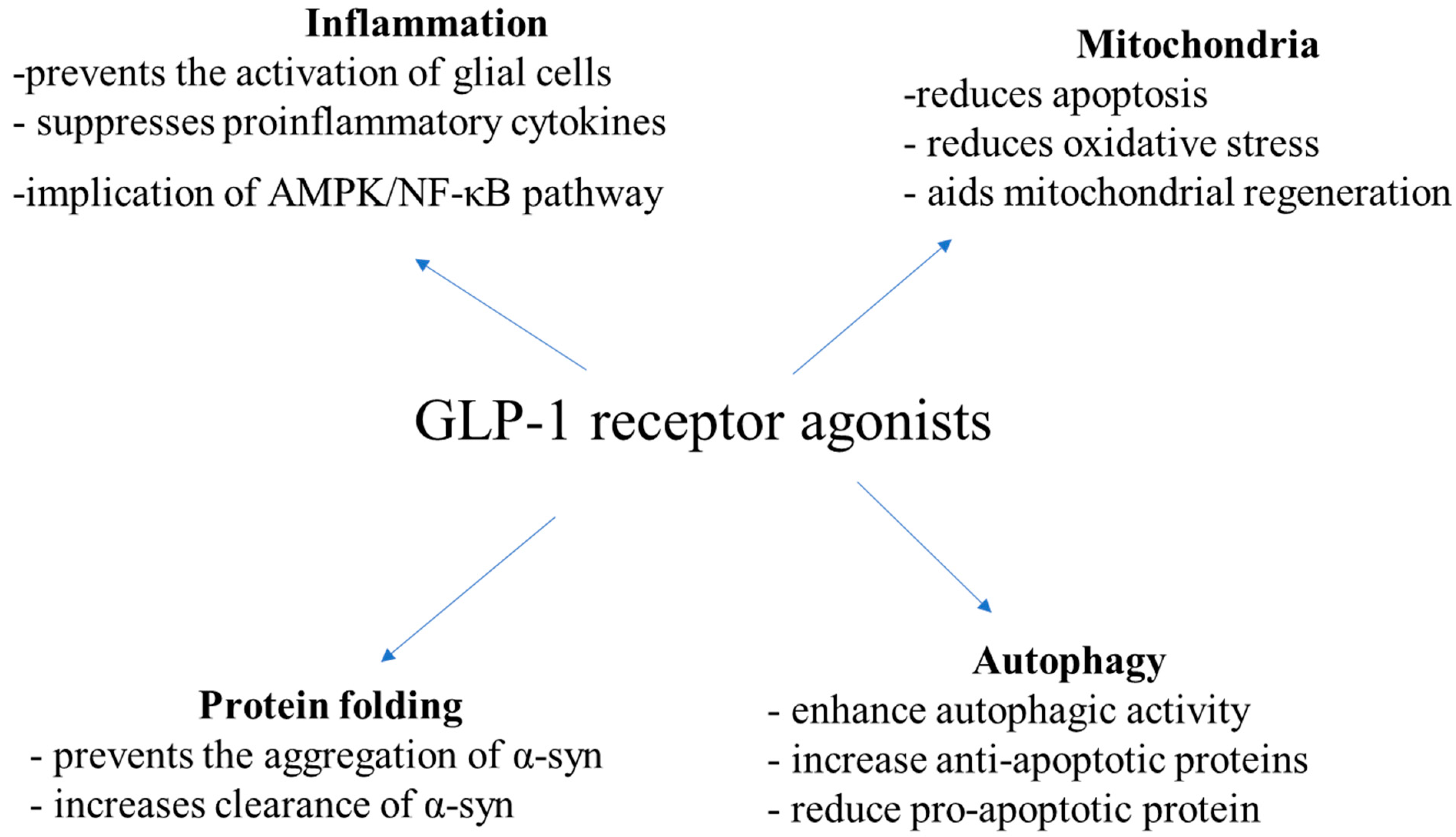
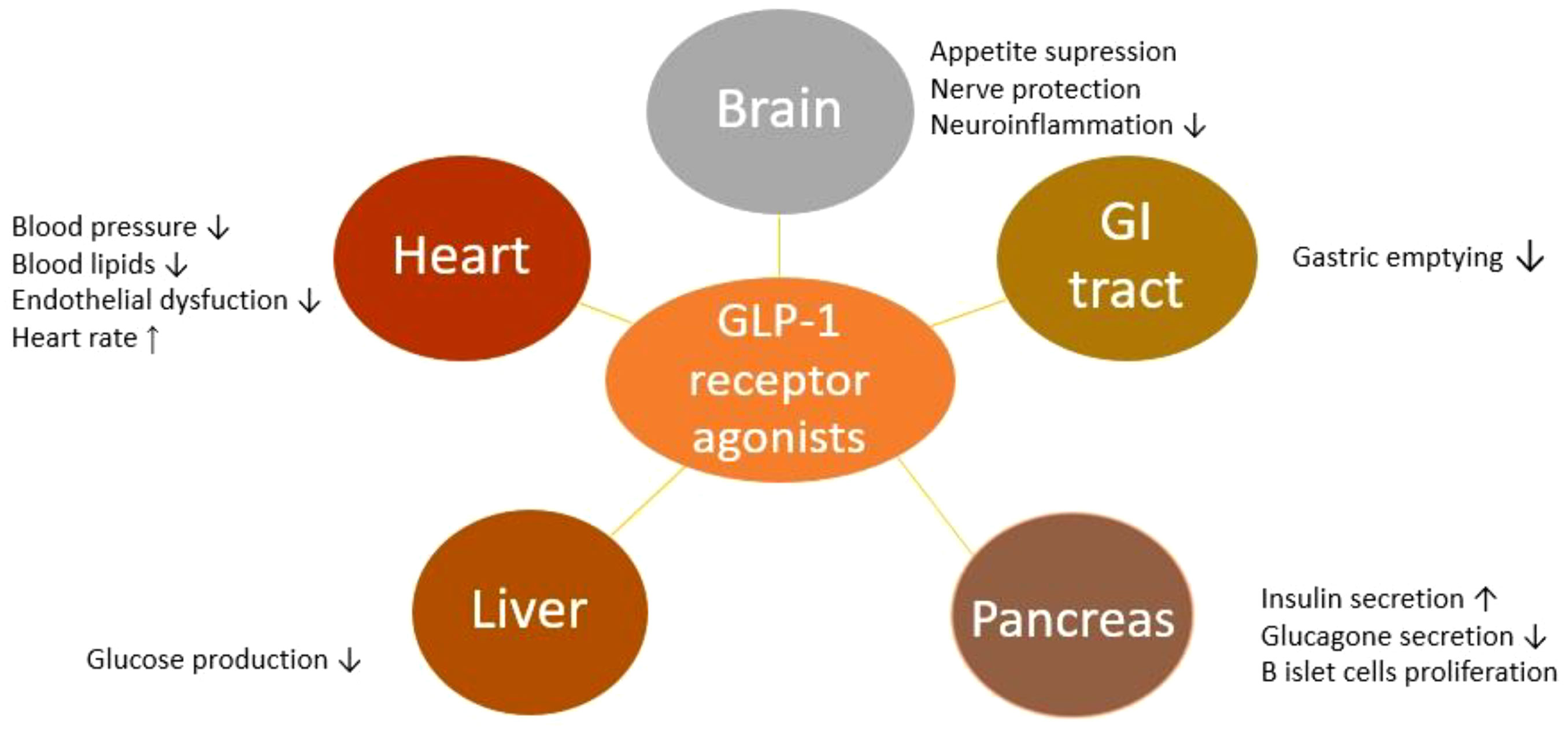
Glucagon-like peptide-1 receptor agonists act on the GLP-1 receptors in various organs, including the pancreas, brain, heart, and gut, to produce several beneficial effects, including:
- Increasing insulin secretion when blood glucose levels are high
- Reducing hepatic glucagon secretion
- Slowing gastric emptying to control postprandial glucose spikes
- Increasing satiety and reducing appetite
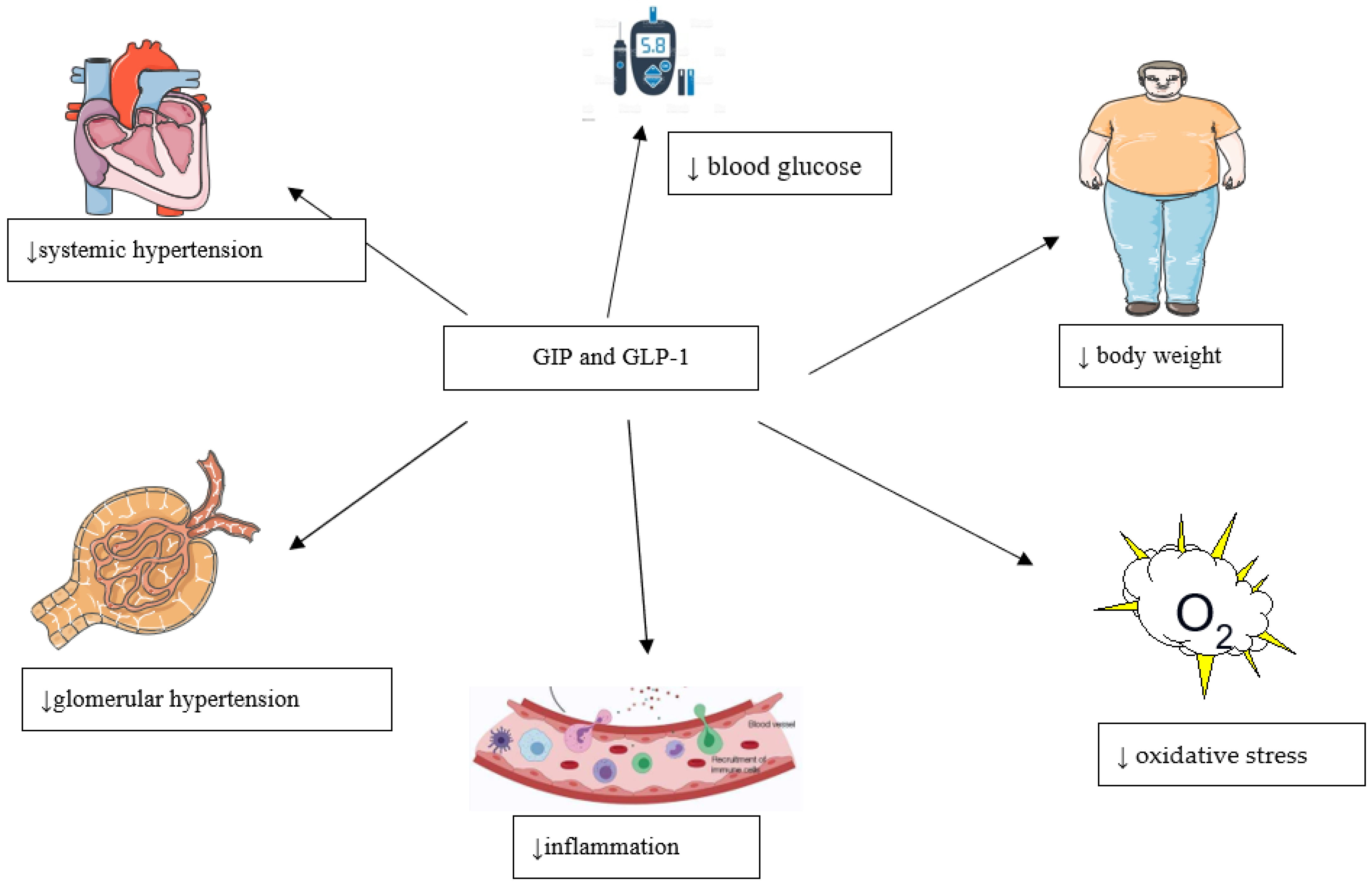
- Regulating blood glucose levels

GLP-1 Receptor Agonist Usage Guidelines: Recommendations for Type 2 Diabetes
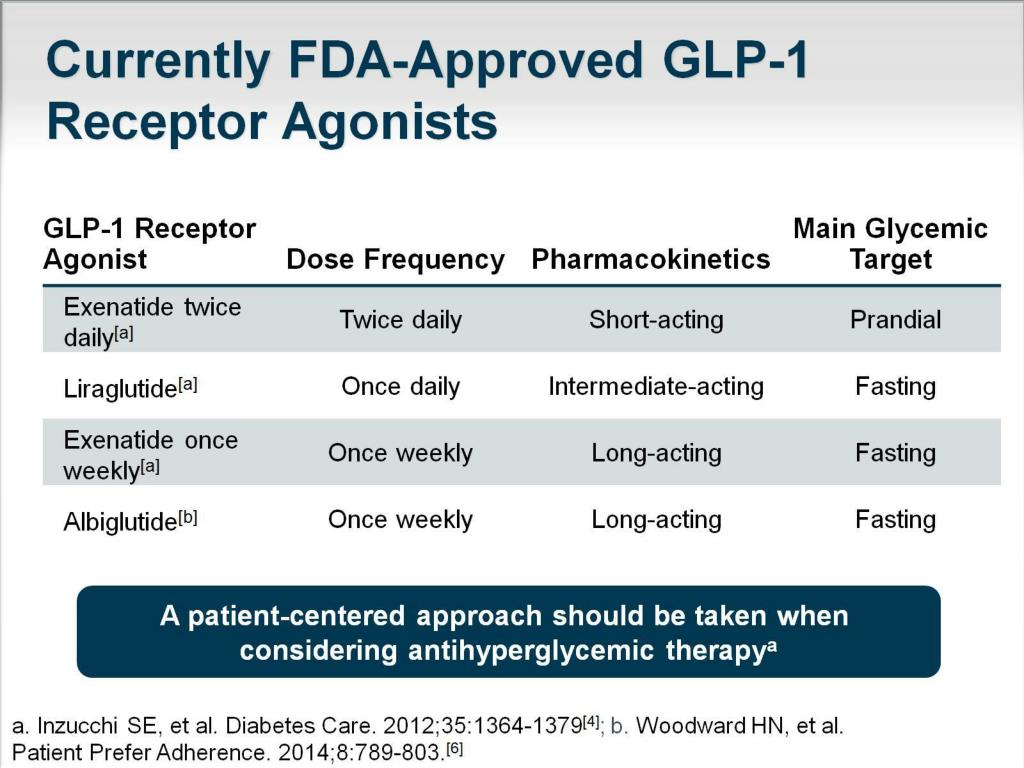
Current guidelines recommend the use of GLP-1 receptor agonists as an adjunct to lifestyle modifications and other medications to manage blood sugar levels in patients with type 2 diabetes. The American Diabetes Association (ADA) and the European Association for the Study of Diabetes (EASD) have jointly recommended the use of GLP-1 receptor agonists for patients with type 2 diabetes, especially those with a high cardiovascular risk.
GLP-1 Receptor Agonist Usage Guidelines for Cardiovascular Disease Prevention
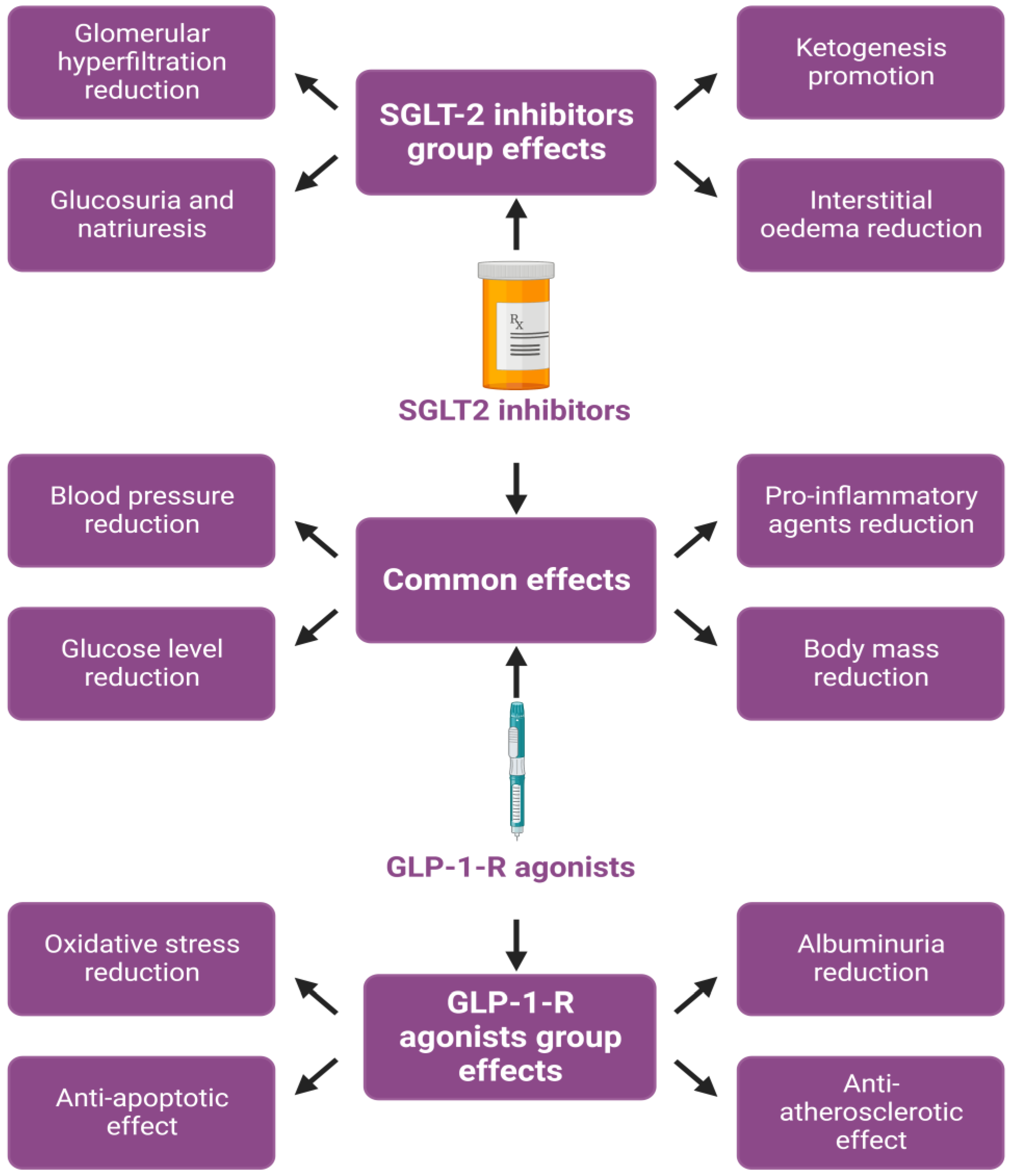
Recent studies have shown that GLP-1 receptor agonists can reduce the risk of major adverse cardiovascular events in patients with diabetes. The American Heart Association and the American Stroke Association have recommended the use of GLP-1 receptor agonists for primary prevention of stroke in patients with diabetes and elevated risk of atherosclerotic cardiovascular disease (ASCVD).