Unlocking the Secrets of GLP-1 Receptor Activation and Eating: The Hidden World of Appetite Regulation
The relationship between glucagon-like peptide-1 (GLP-1) receptor activation and eating is a complex and multifaceted one. While research has shed light on the role of GLP-1 in regulating appetite and glucose metabolism, many questions remain unanswered. In this article, we will delve into the world of GLP-1 receptor activation and its impact on eating, exploring the latest findings and implications for our understanding of appetite regulation.
What is GLP-1 Receptor Activation?
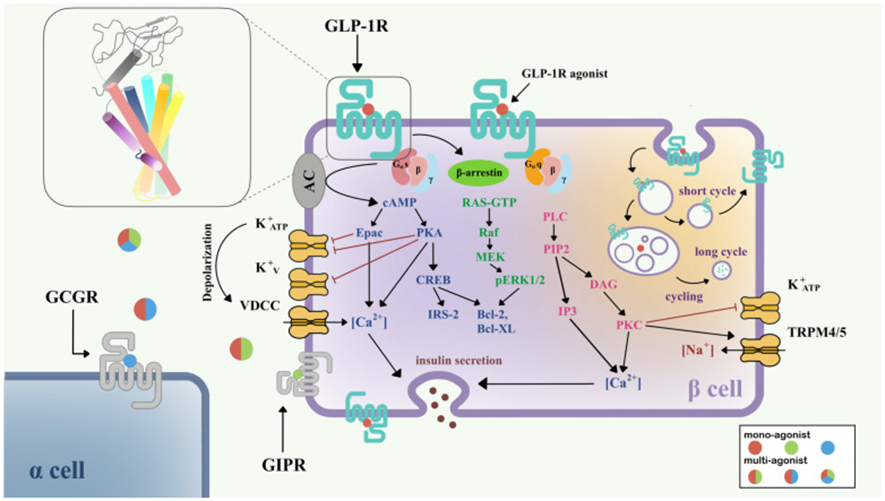
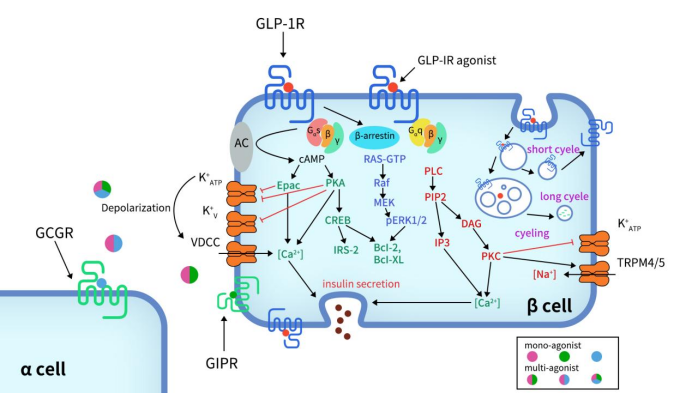
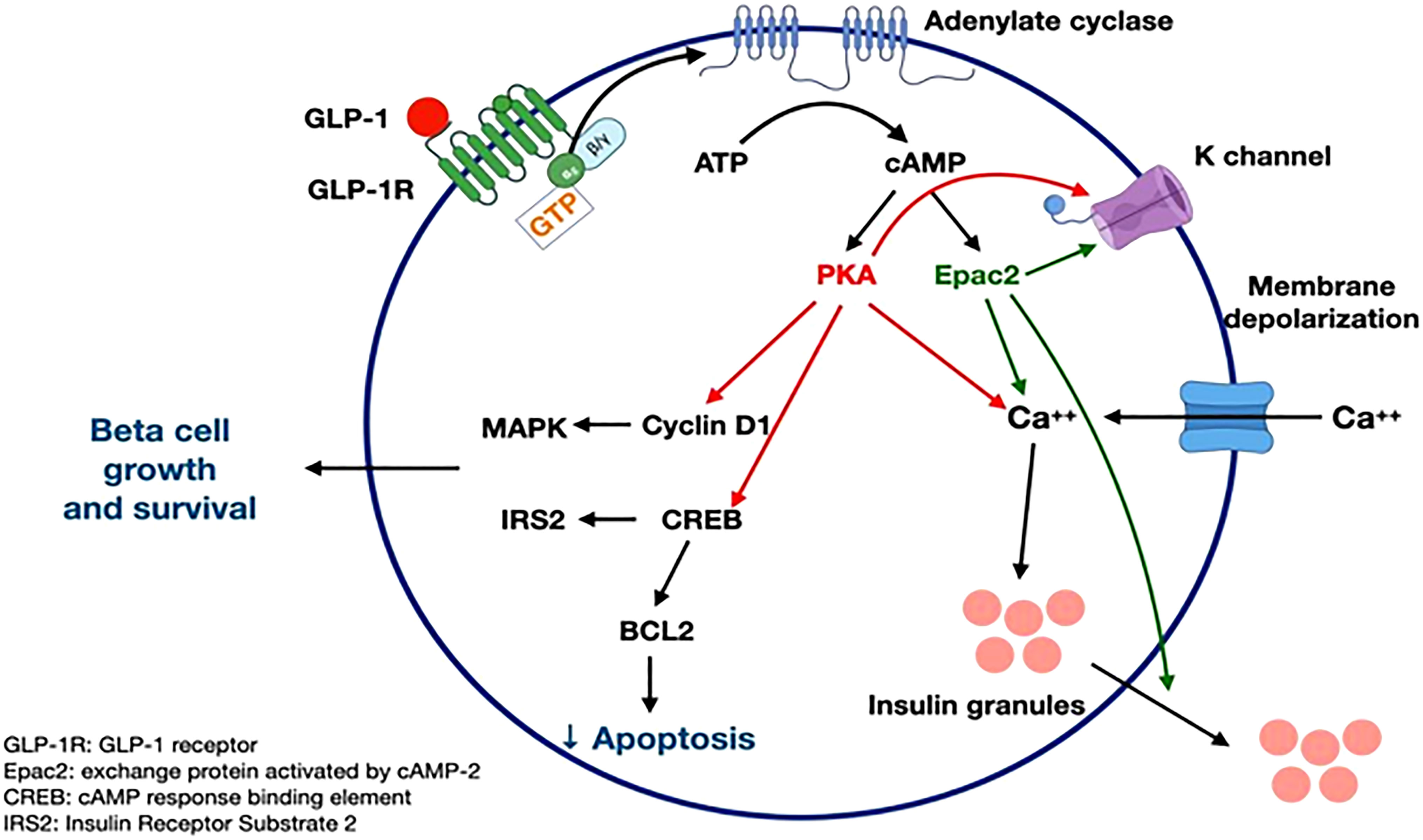
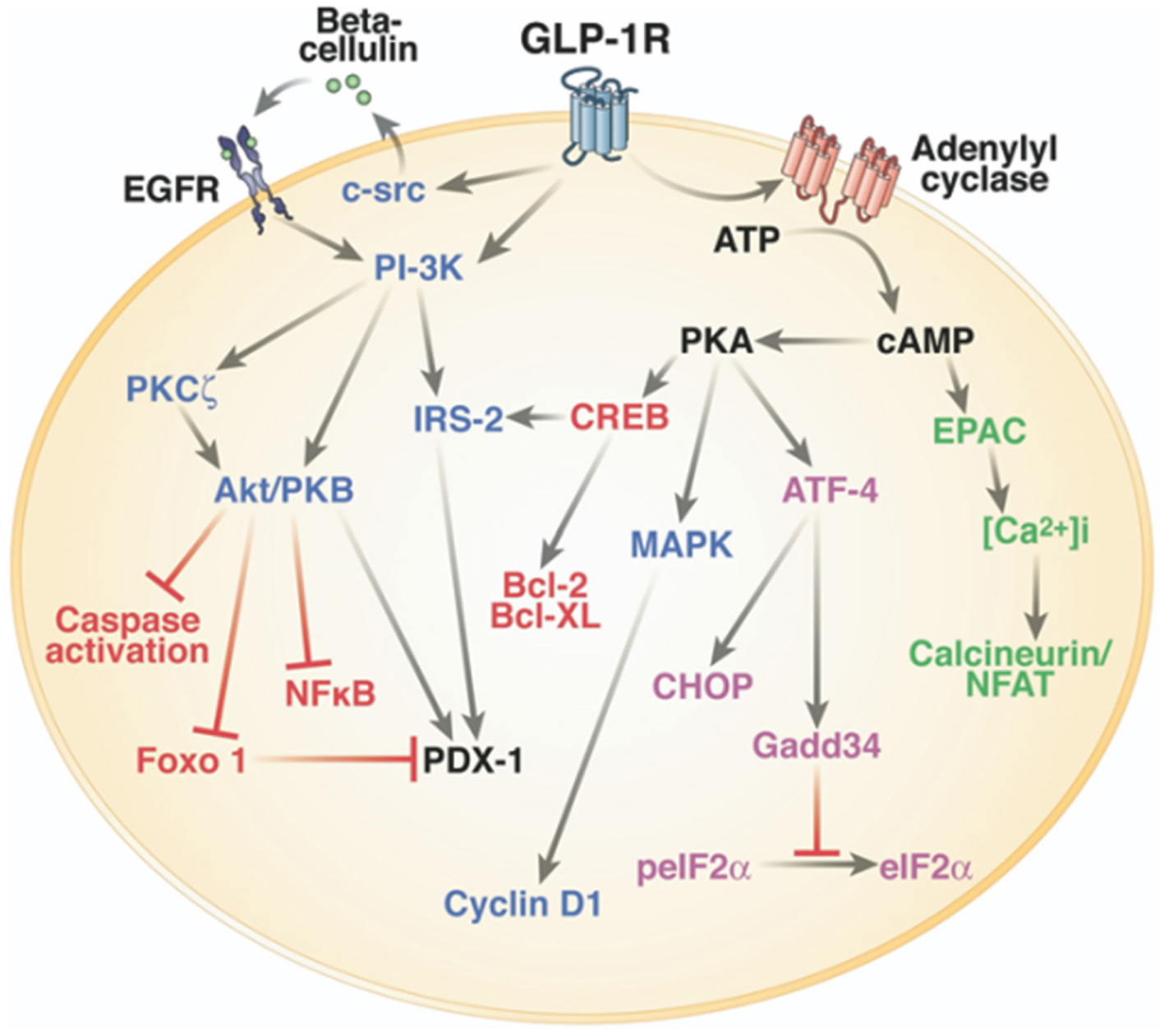
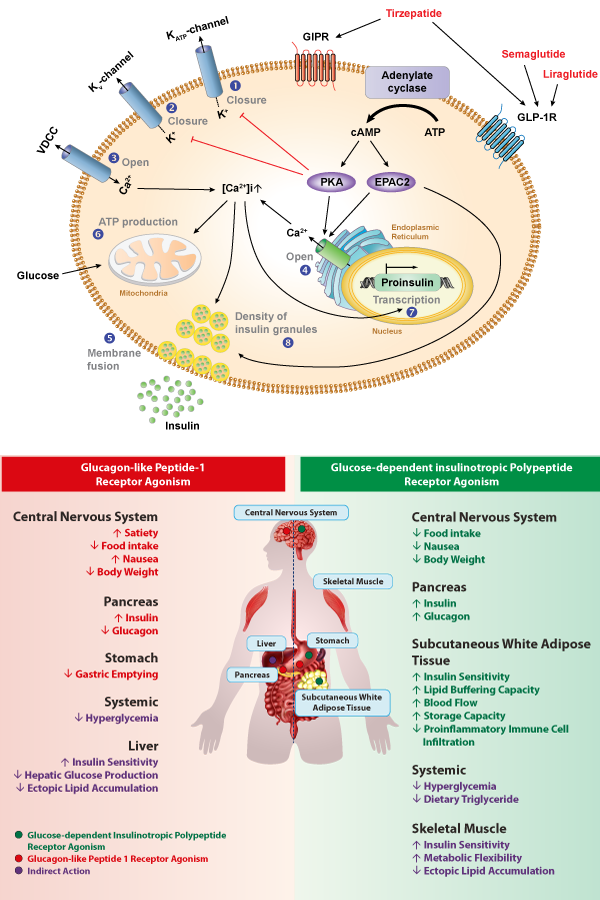
GLP-1 is a hormone that plays a crucial role in regulating blood sugar levels and appetite. It is produced in the small intestine and released in response to food consumption. When GLP-1 binds to its receptor, it triggers a cascade of signaling pathways that ultimately lead to changes in appetite and glucose metabolism. This process is known as GLP-1 receptor activation.

Key Sites of GLP-1 Receptor Activation
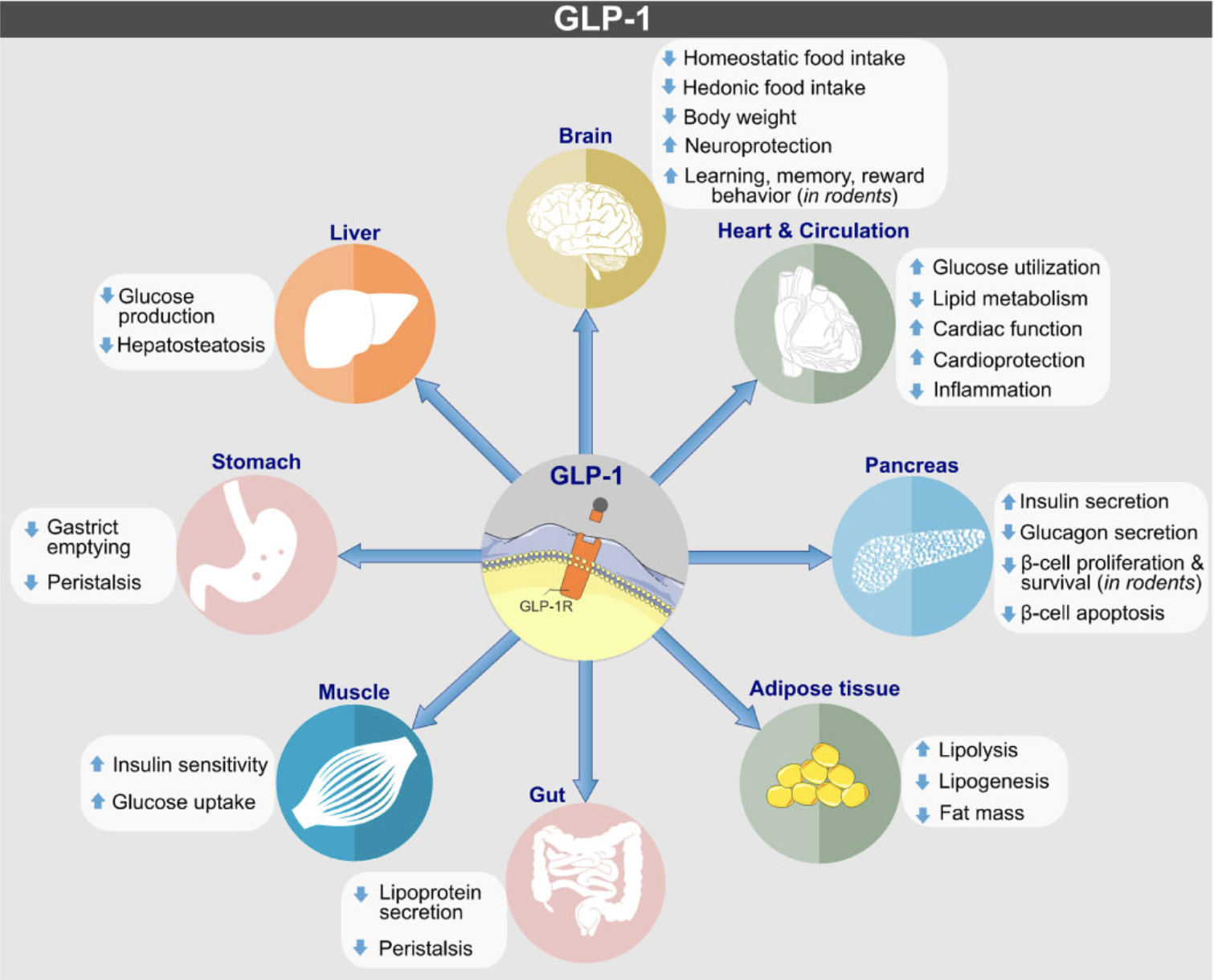
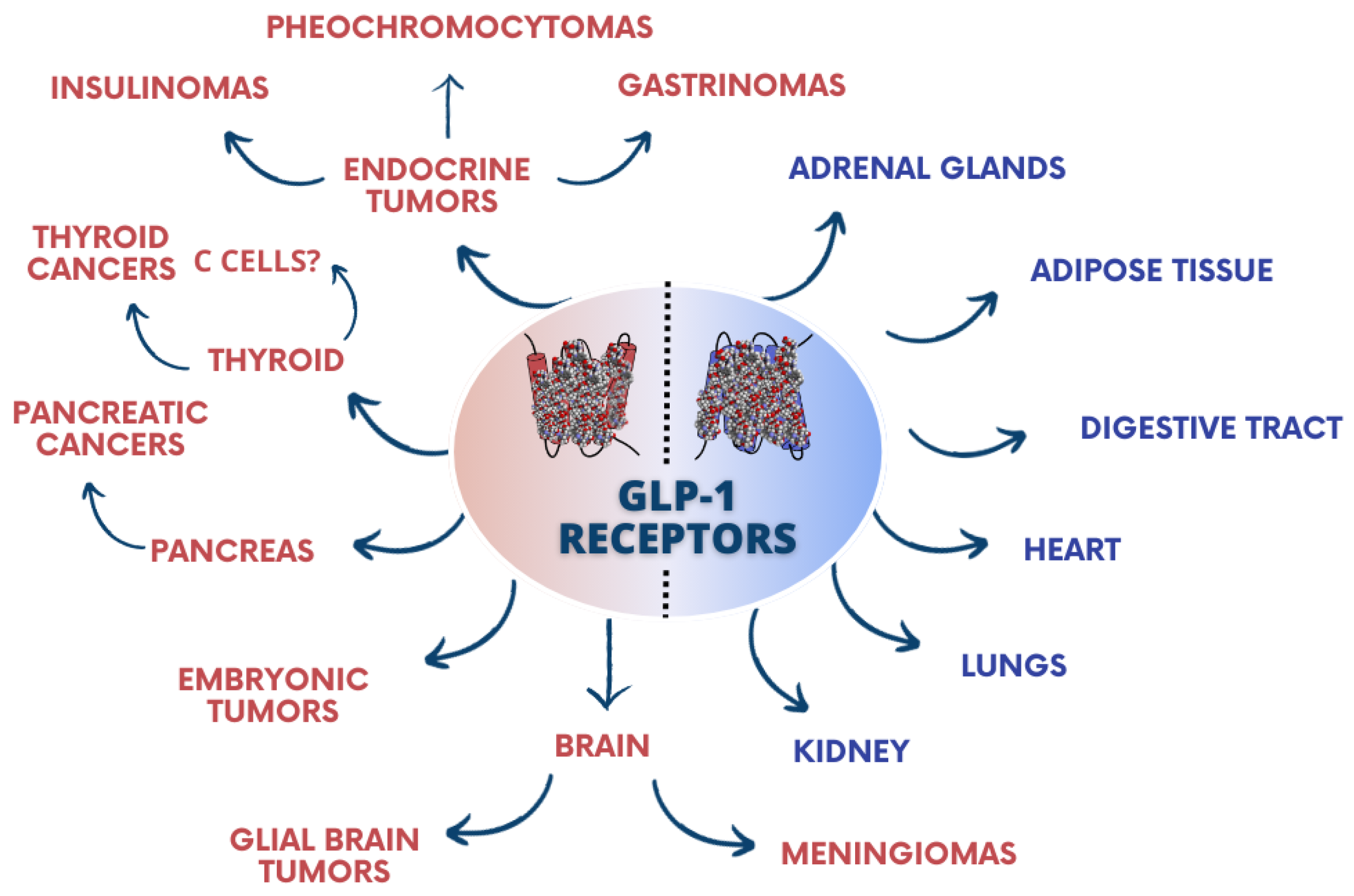
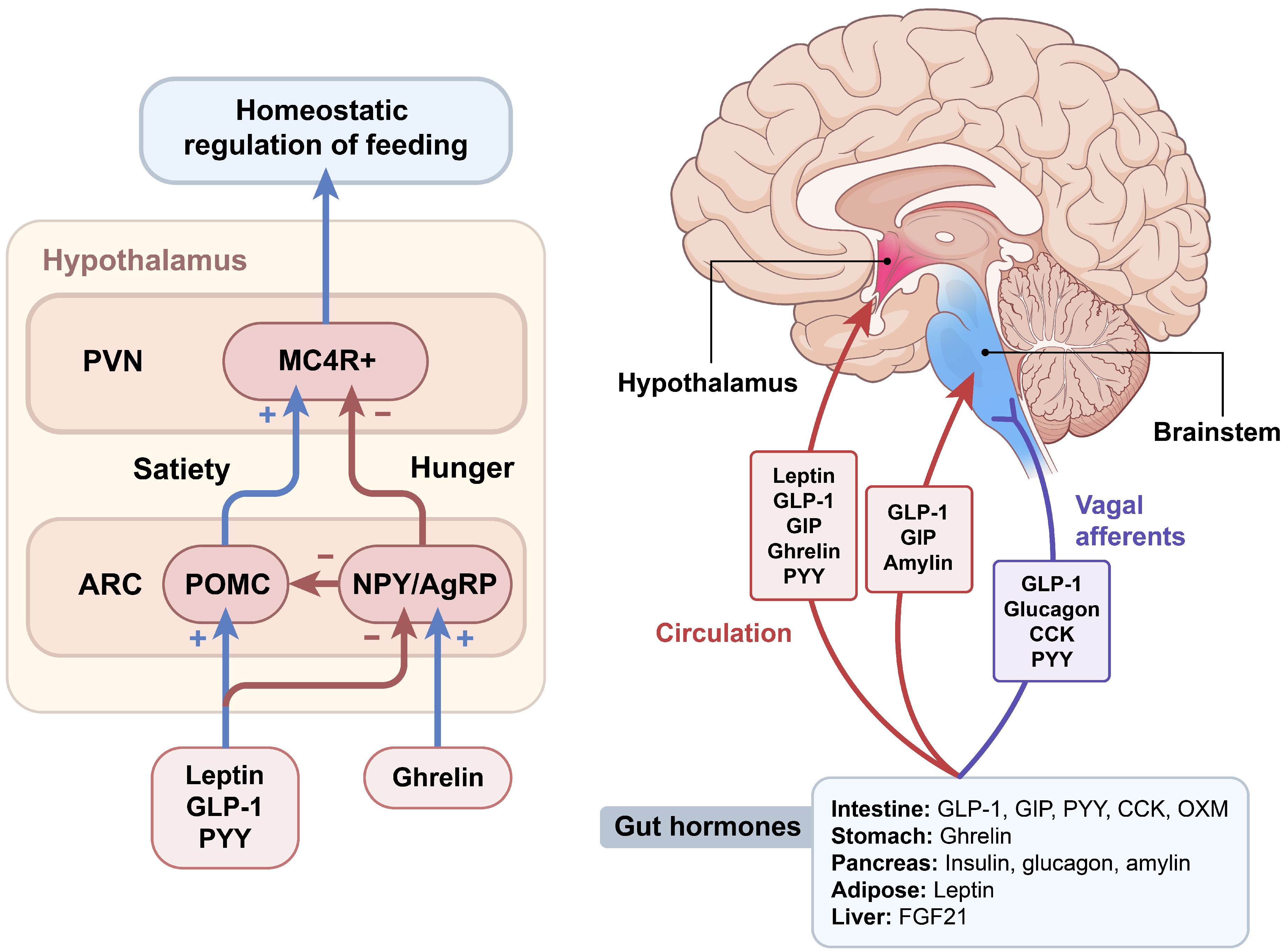
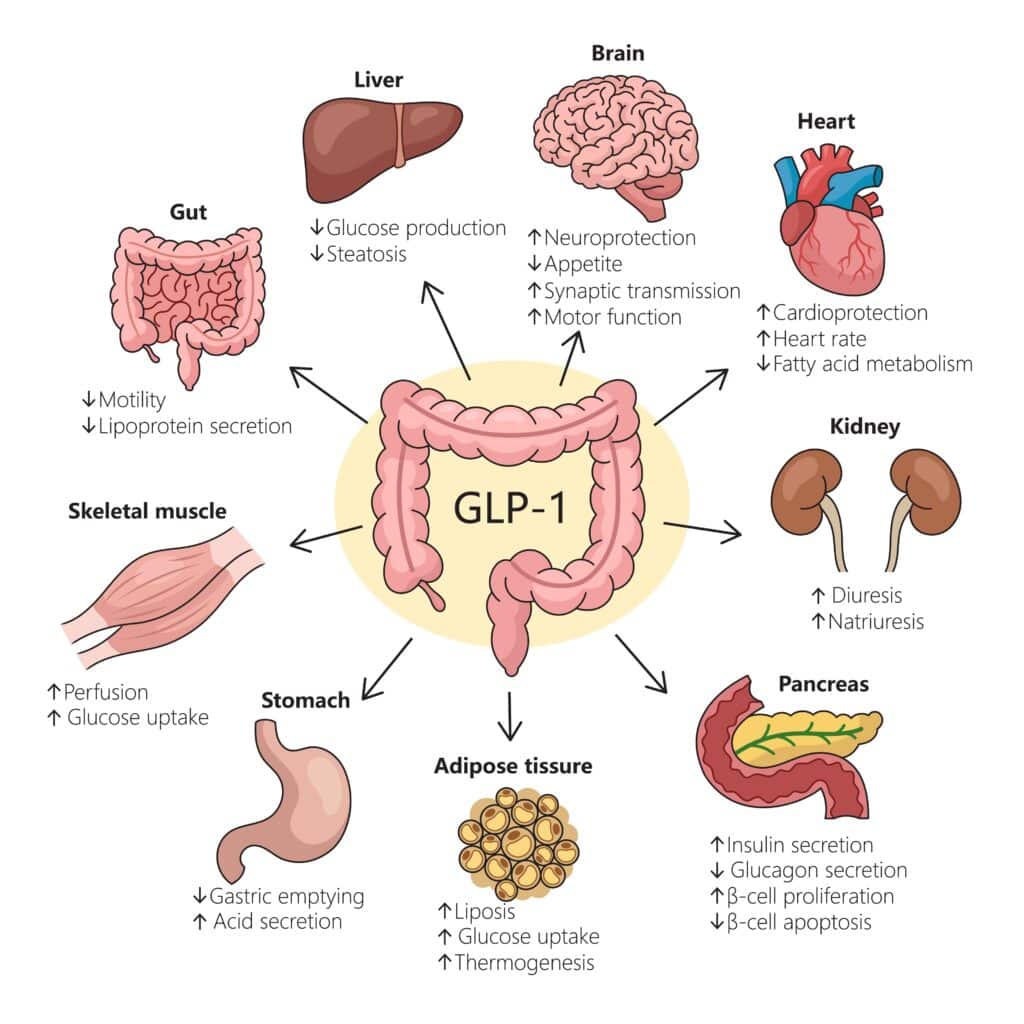
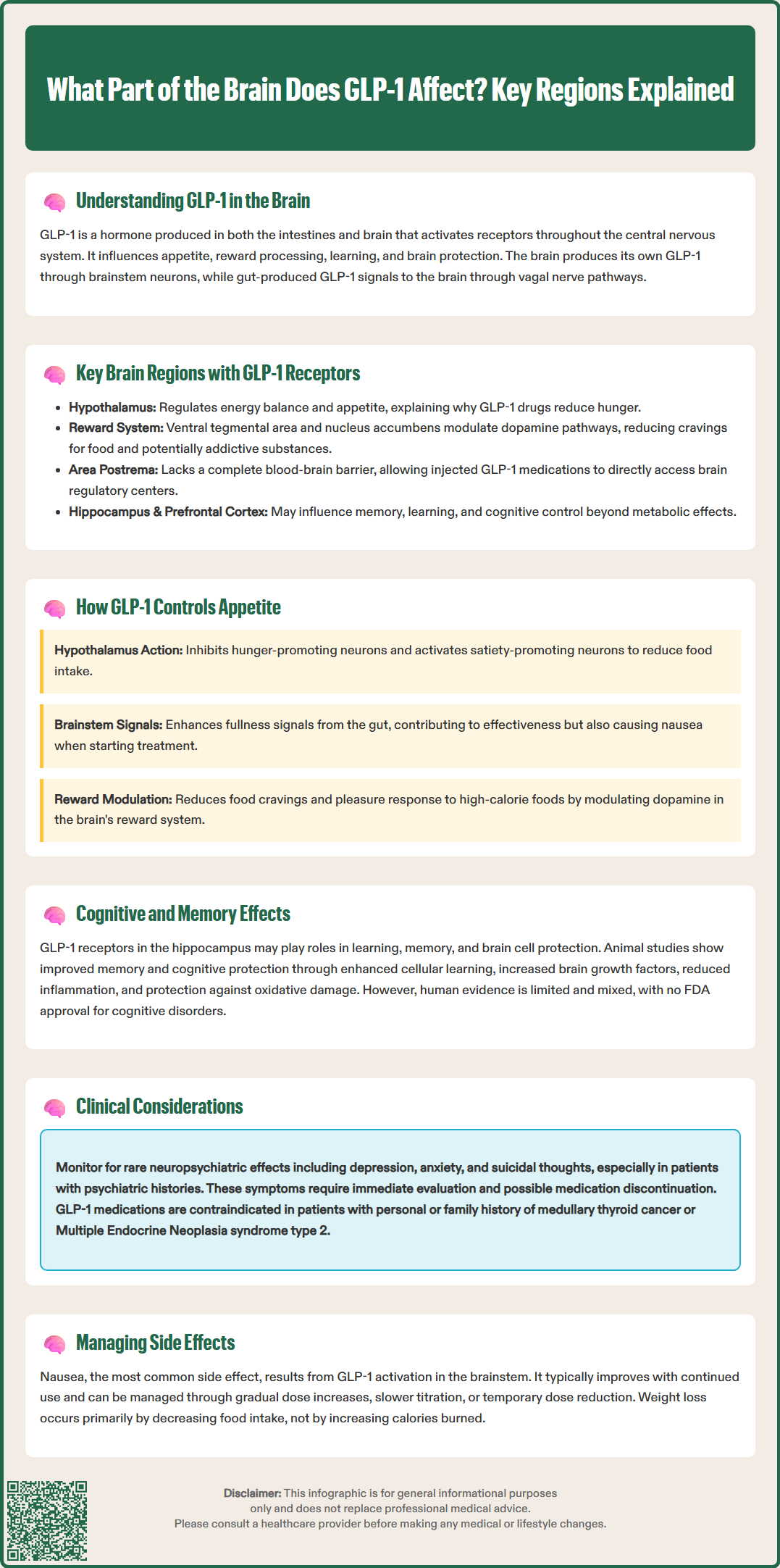
- Central nervous system: GLP-1 receptors are found in various parts of the brain, including the hypothalamus and brainstem, where they play a crucial role in regulating appetite and metabolism.
- Peripheral nervous system: GLP-1 receptors are also found in the gut, where they slow gastric emptying and regulate nutrient absorption.
- Gut microbiome: The gut microbiome influences GLP-1 release through the production of short-chain fatty acids, which activate GLP-1 receptors on intestinal cells.