Unlocking the Relationship Between GLP-1 and Thyroid Support
The connection between Glucagon-like Peptide-1 receptor agonists (GLP-1RAs) and thyroid health has garnered significant attention in recent years, particularly in managing type 2 diabetes mellitus. GLP-1RAs have been proven to be effective in weight loss and glucose control, yet their impact on thyroid function remains a subject of interest.
The Relationship Between GLP-1 and Thyroid Function
Research has revealed a complex relationship between GLP-1 receptor agonists and thyroid function. While GLP-1RAs are known for their efficacy in managing type 2 diabetes, there are concerns about their potential effects on thyroid health. Studies, including one conducted at the Mayo Clinic, have investigated the connection between GLP-1RA therapy and thyroid cancer risk. Despite concerns, the study found no overall increase in thyroid cancer risk associated with GLP-1RA therapy, suggesting early diagnoses may be attributed to detection bias rather than causation.

GLP-1 and Thyroid Support: The Role of GLP-1 Medications
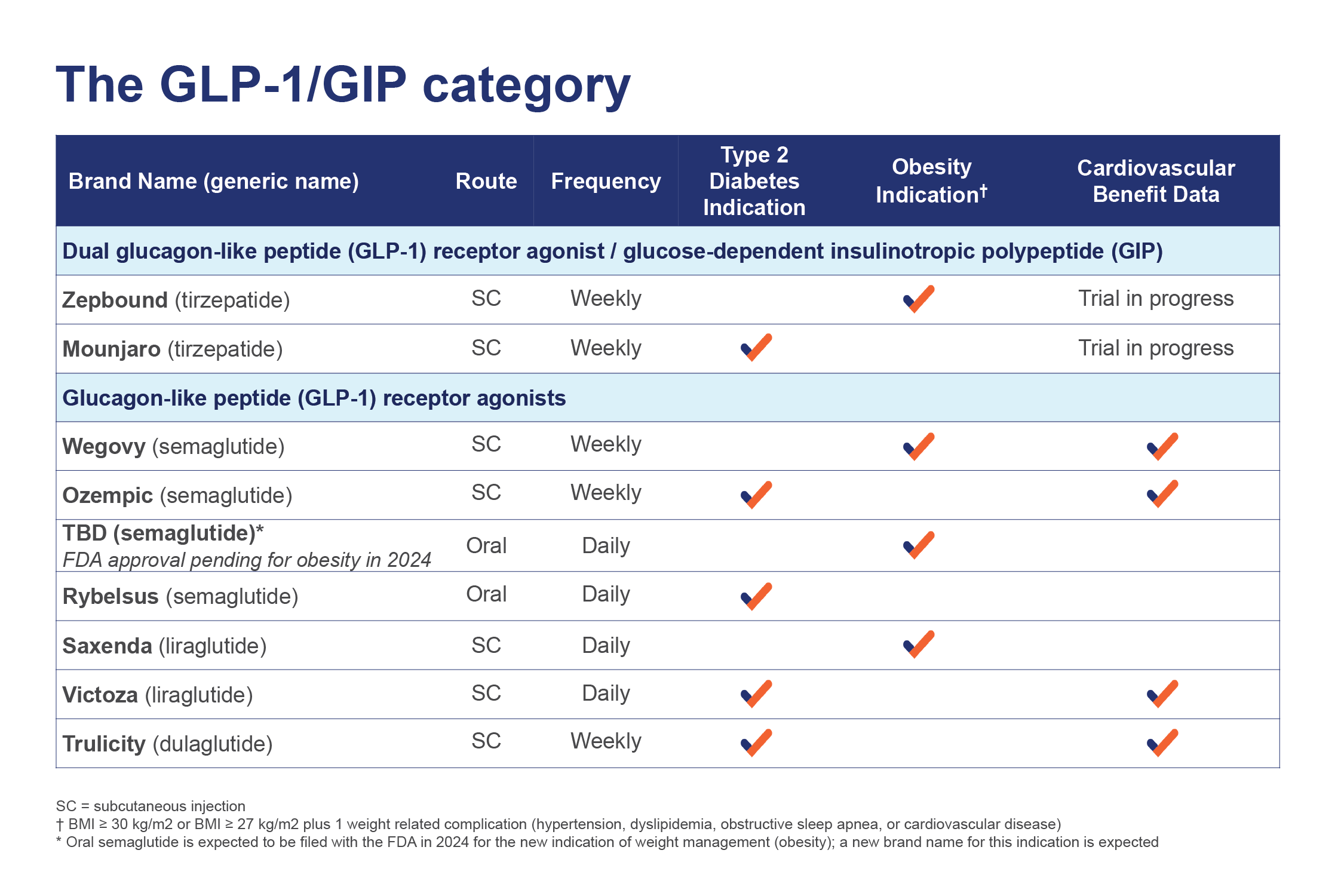
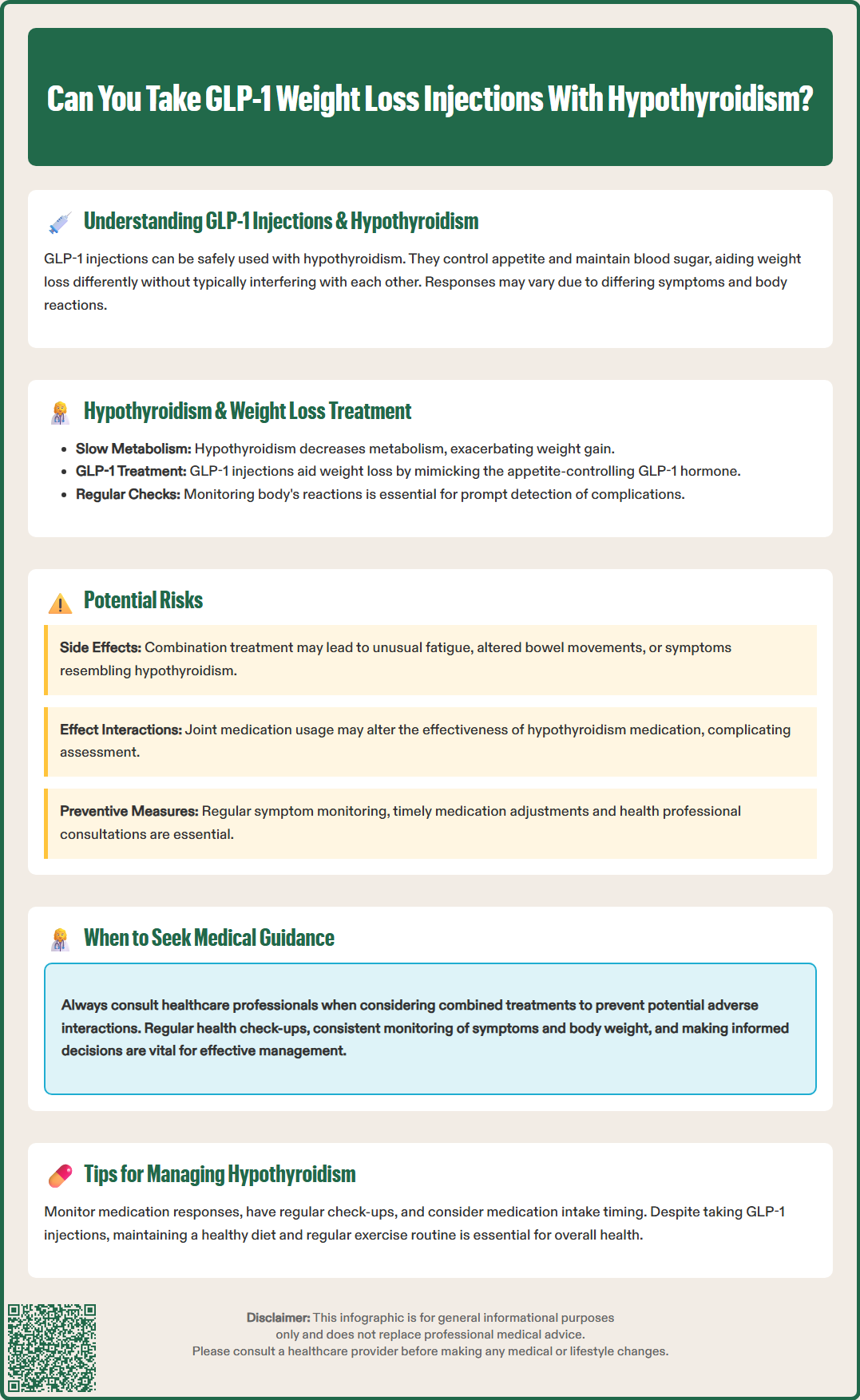
For individuals struggling with weight loss and hypothyroidism, GLP-1 medications may offer a glimmer of hope. These medications work by mimicking the effect of naturally produced GLP-1, a hormone that regulates digestion, blood sugar, and appetite. By activating GLP-1 receptors, GLP-1 medications can help promote weight loss and improve glucose control, making them an attractive option for individuals with thyroid disorders. However, it's essential to note that GLP-1 medications can interact with thyroid function, and experts recommend optimizing thyroid function before starting treatment to maximize benefits and minimize side effects.