GLP-1 and Leptin Resistance: Unpacking the Link
The realms of metabolic medicine have witnessed a significant shift with the advent of glucagon-like peptide-1 receptor agonists (GLP-1RAs). Initially designed to treat type 2 diabetes, these medications have proven efficacious in managing obesity and weight-related issues. However, the nuanced mechanisms underlying their efficacy are only beginning to unravel, particularly the interaction between GLP-1 and leptin resistance.
Leptin Resistance: The Silent Saboteur of Weight Management
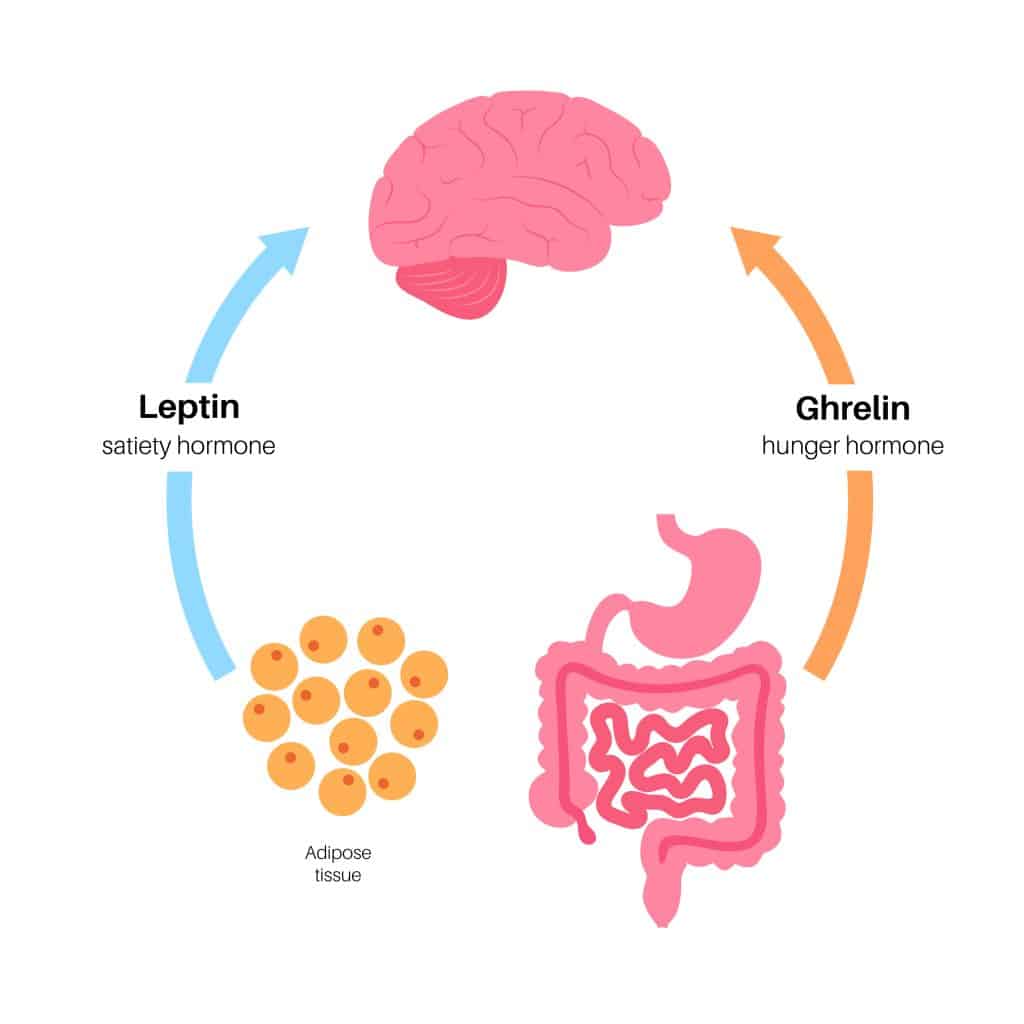
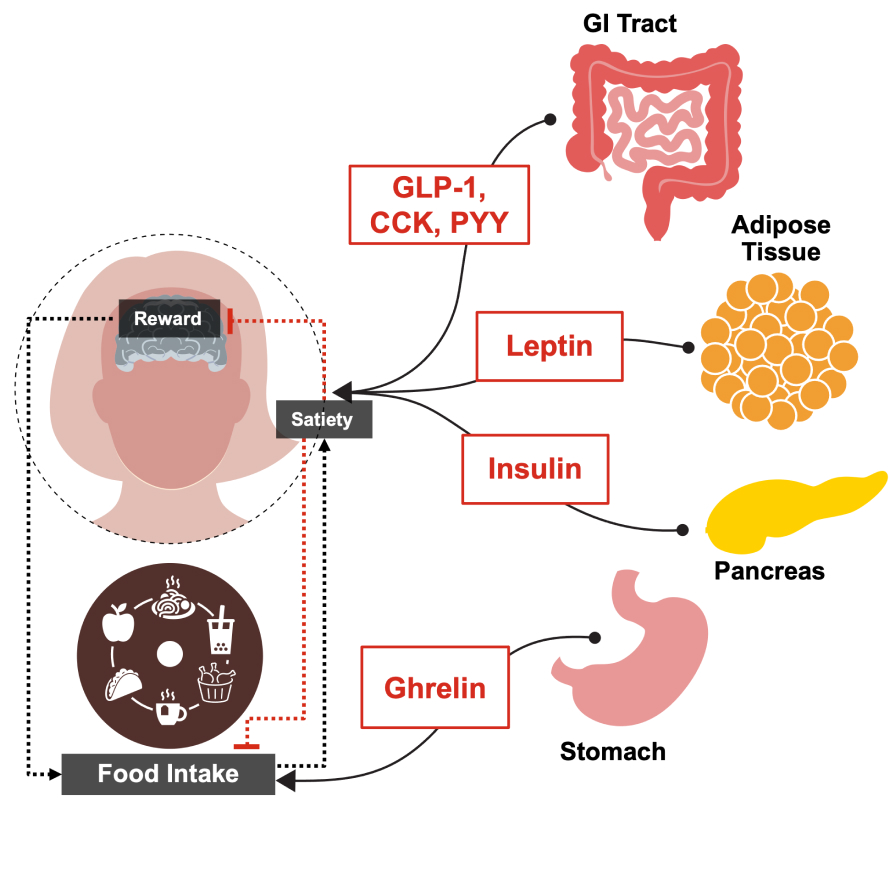
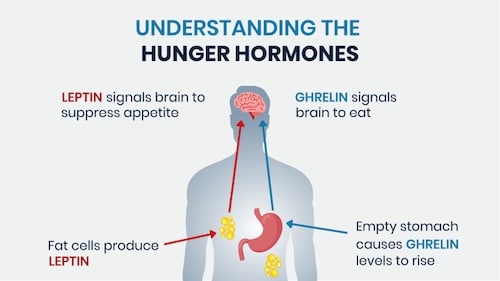
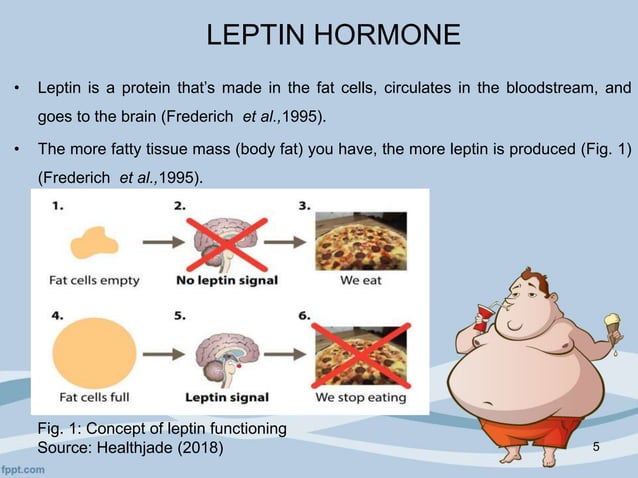
Leptin, an adipocyte-derived hormone, has long been recognized for its role in regulating energy balance, energy homeostasis, and body weight. In simple terms, leptin signals the brain about the body's energy status, dictating hunger and satiety signals. Morbidly obese individuals often exhibit leptin resistance, making it challenging to lose weight and maintain weight loss. This resistance conveys a muddled signal to the brain, indicating that the body still has an insatiable appetite for food, even when energy stores are plentiful.

Unraveling the GLP-1 and Leptin Connection
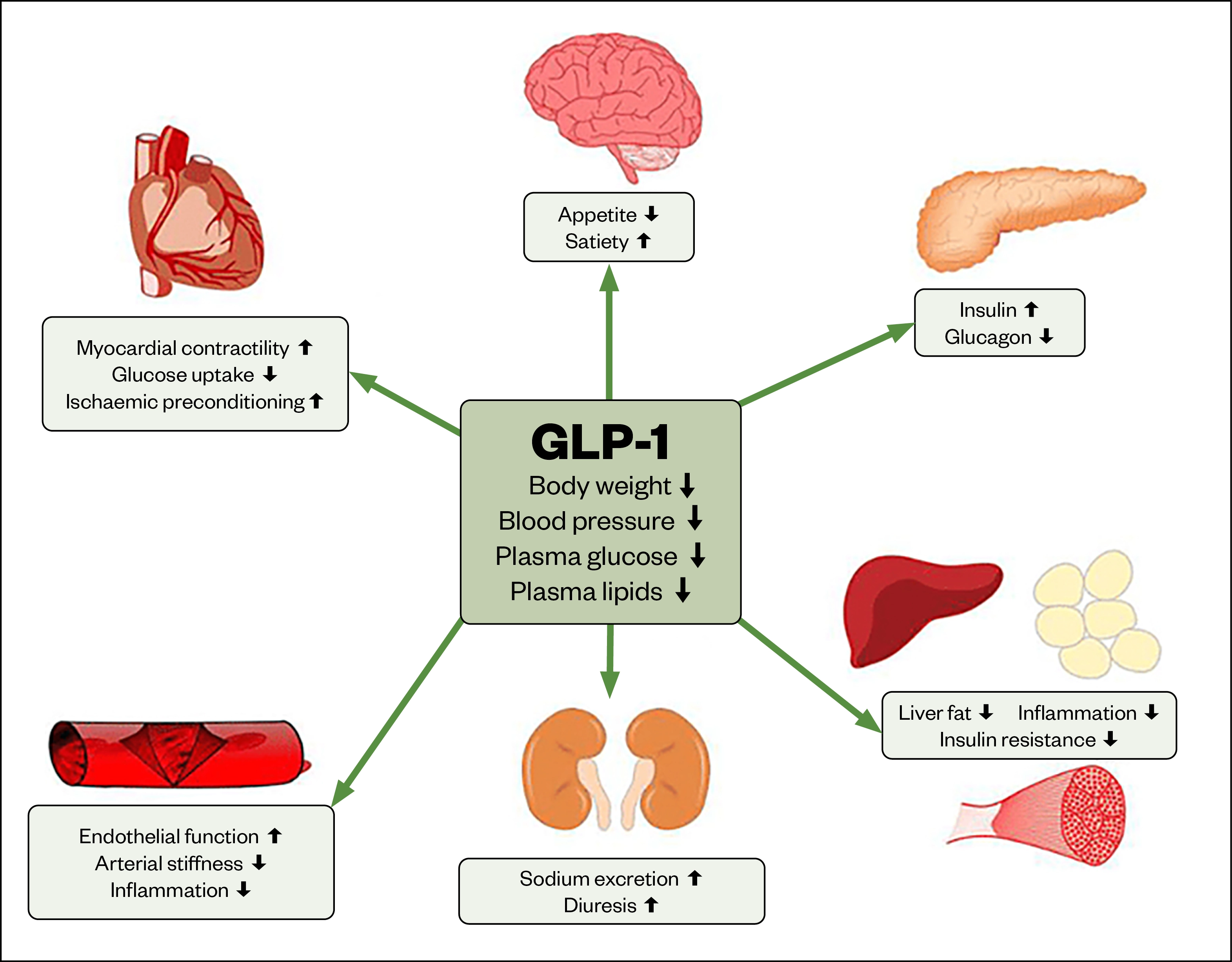
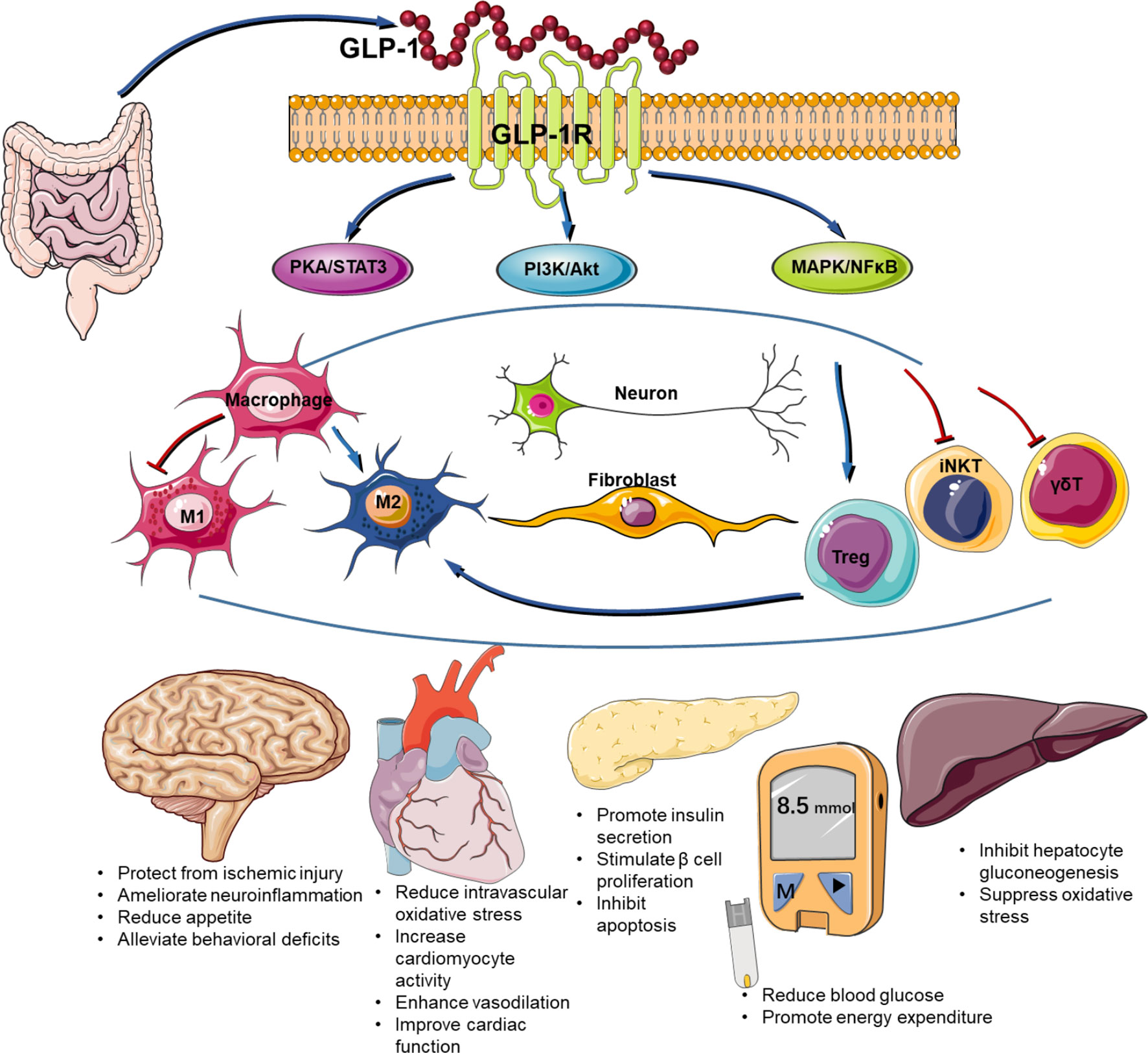
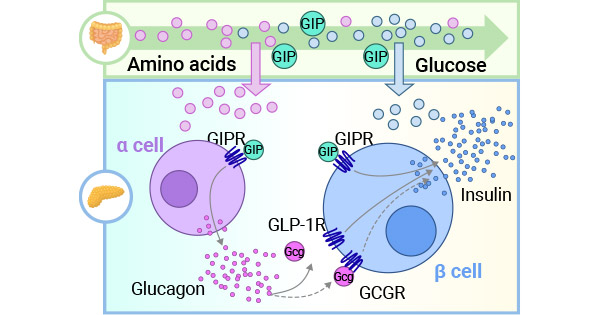
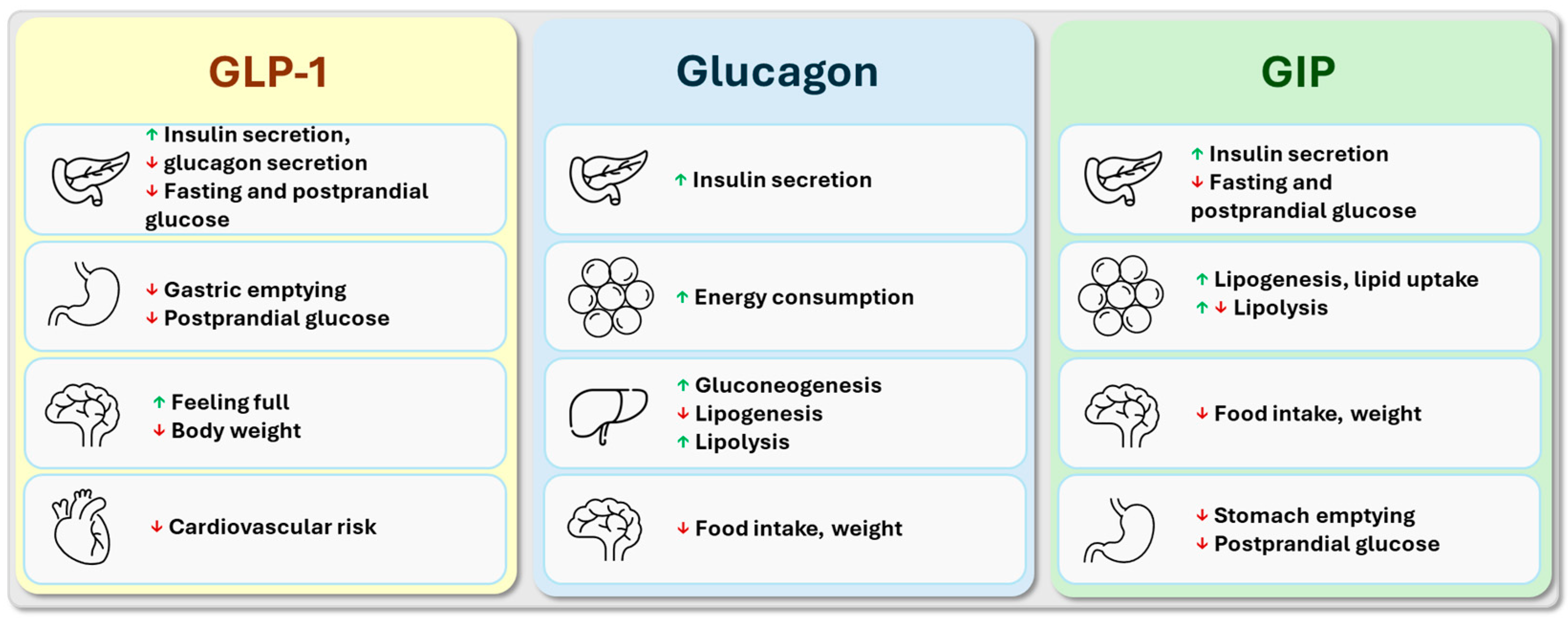
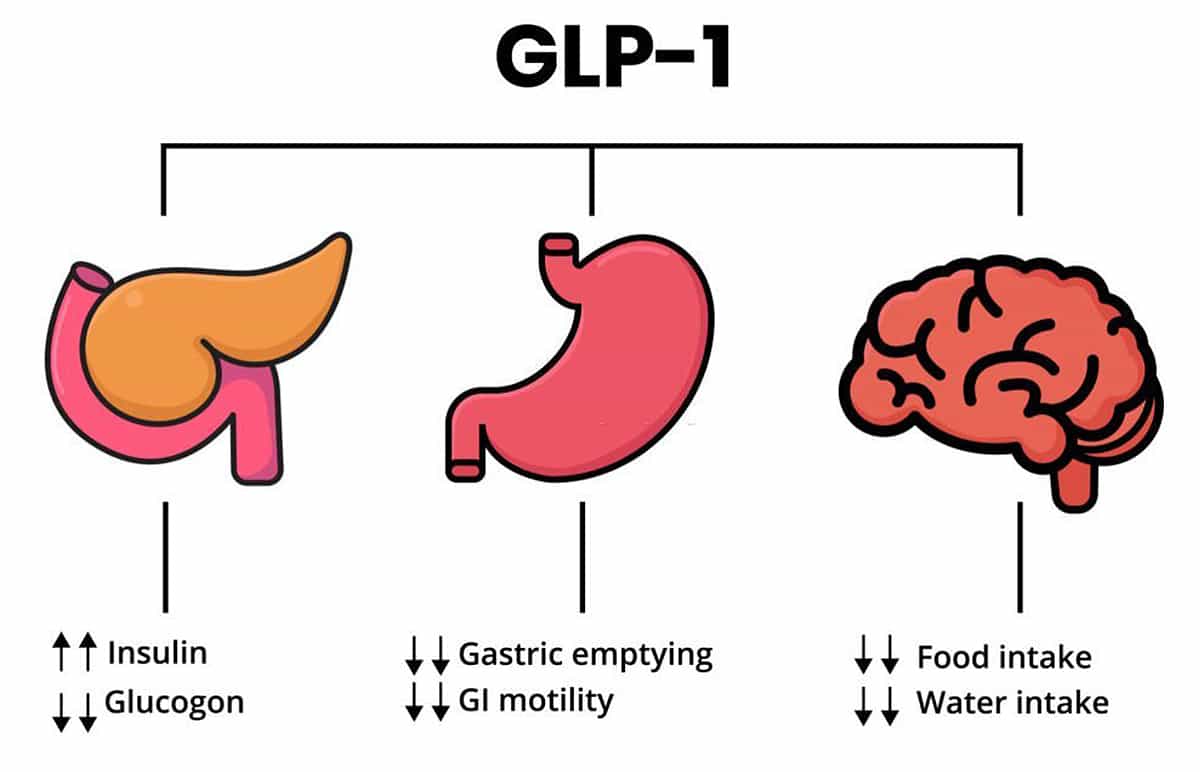
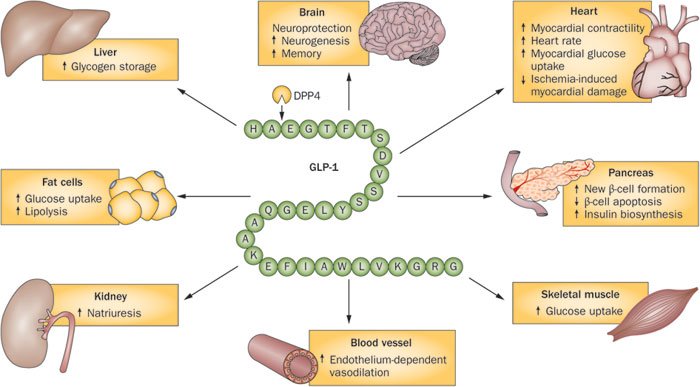
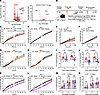
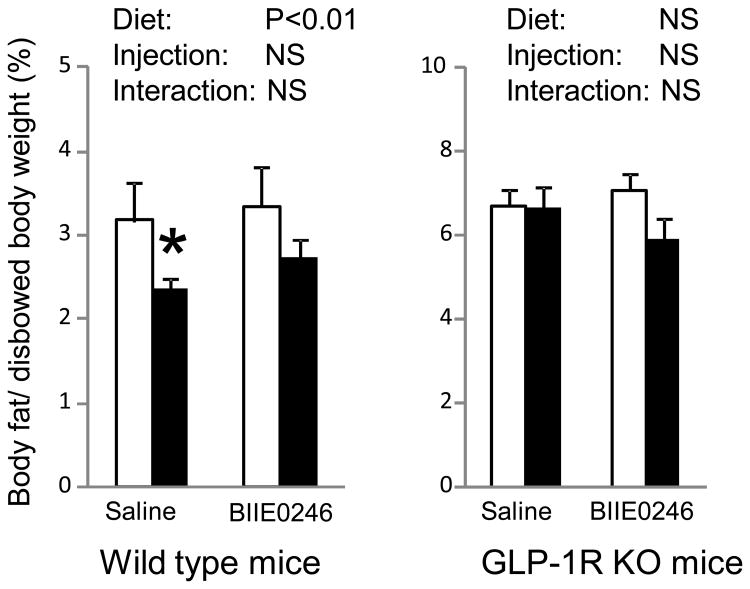
Research has shown that GLP-1, a hormone produced by intestinal L-cells, plays a pivotal role in suppressing appetite, enhancing insulin release, and facilitating weight loss. Recent studies have highlighted the intricate relationship between GLP-1 and leptin. Specifically, a study demonstrated for the first time that leptin stimulates GLP-1 secretion in rodent and human intestinal L-cells. This pivotal realization sparks a cascade of questions: How does leptin resistance affect GLP-1 signaling? Can targeting leptin resistance restore GLP-1 function and, ultimately, facilitate weight loss?