GLP-1 and Cardiovascular Disease Risk: Understanding the Connection
Glucagon-like peptide-1 receptor agonists (GLP-1RAs) have been a topic of interest in recent years, especially when it comes to managing diabetes and obesity. Research has shown that GLP-1 drugs can have a significant impact on cardiovascular disease risk, but how exactly do they work and what are the risks associated with stopping treatment? In this article, we'll explore the connection between GLP-1 and cardiovascular disease risk, including the benefits and potential drawbacks of using these medications.
What are GLP-1 Drugs?
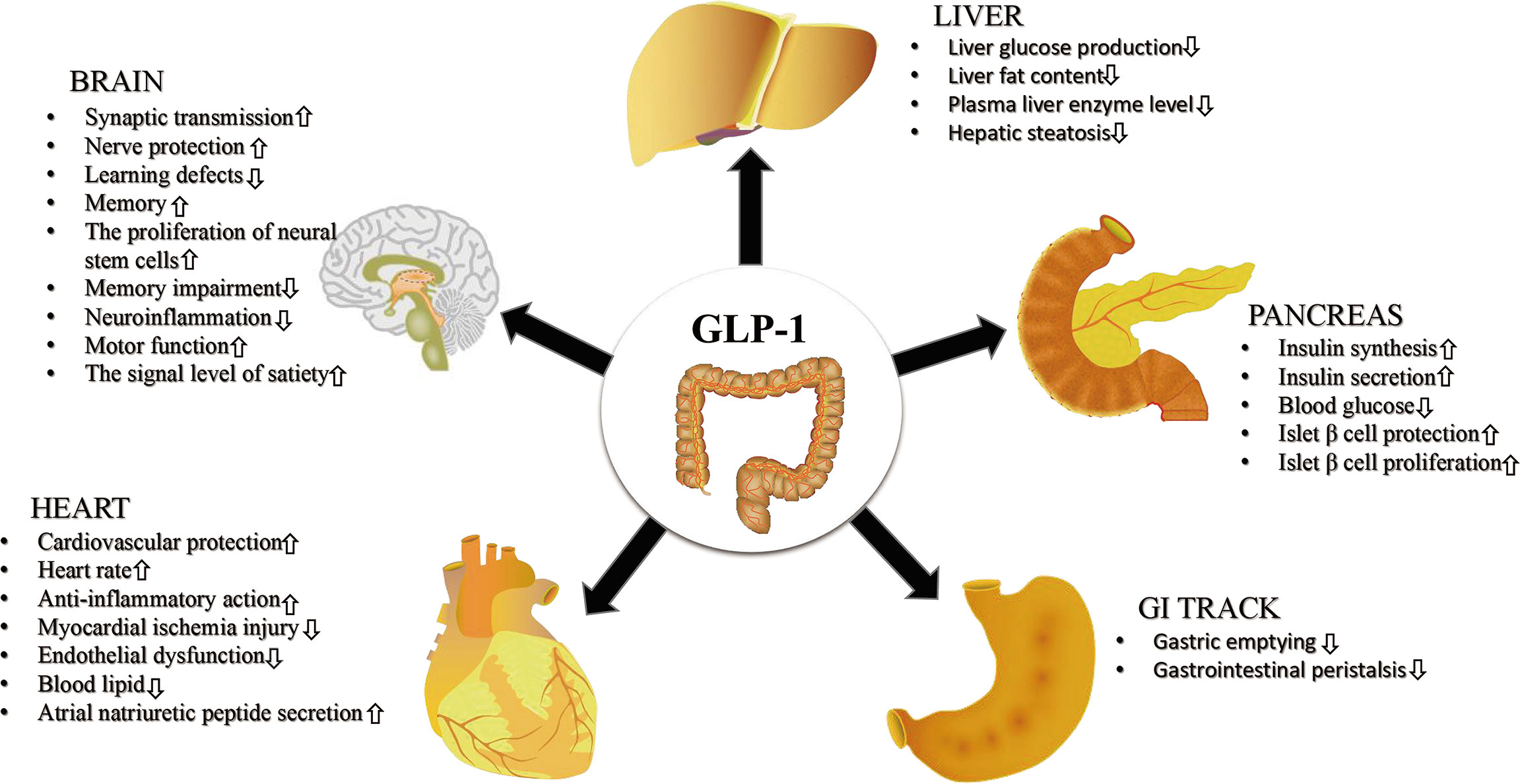
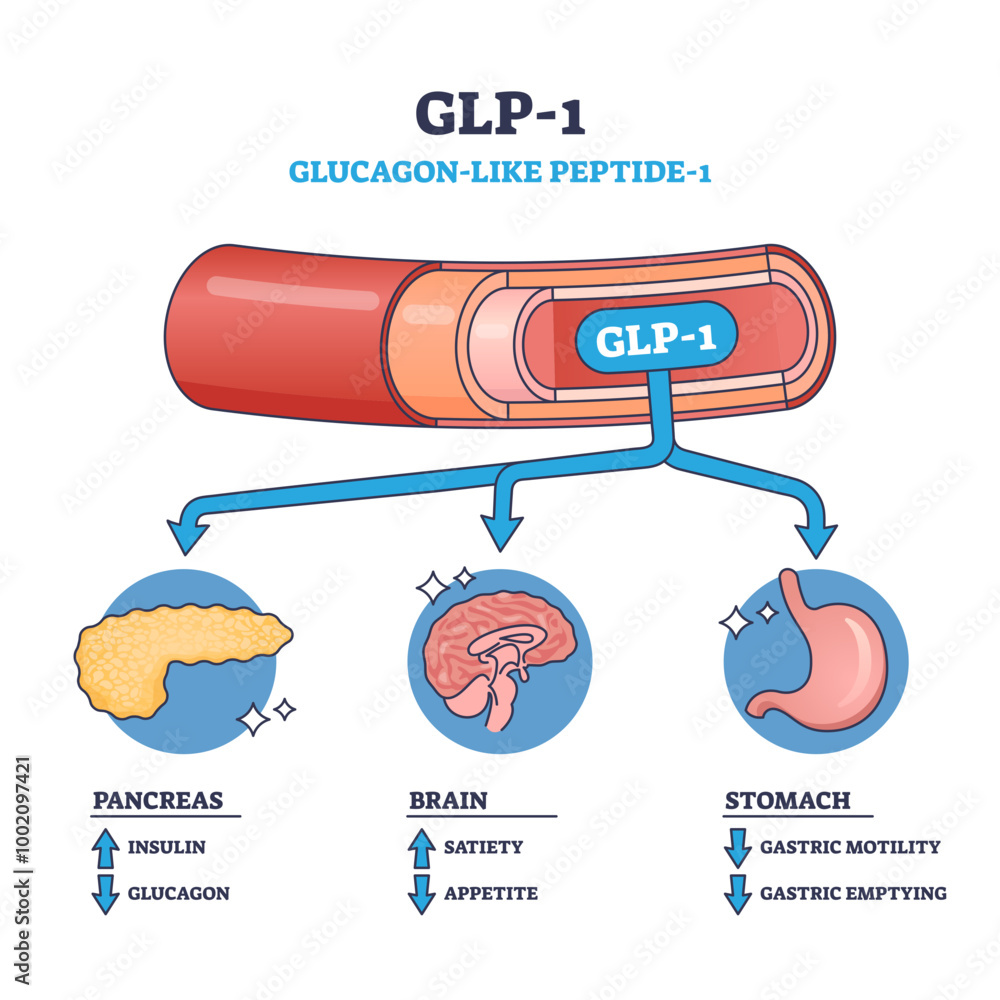
GLP-1RAs are a class of medications that mimic the action of the hormone glucagon-like peptide-1, which is released in response to meals. This hormone helps regulate blood sugar levels and suppresses the production of hunger hormones, leading to weight loss and improved glycemic control. Common GLP-1 drugs include semaglutide, tirzepatide, and liraglutide.
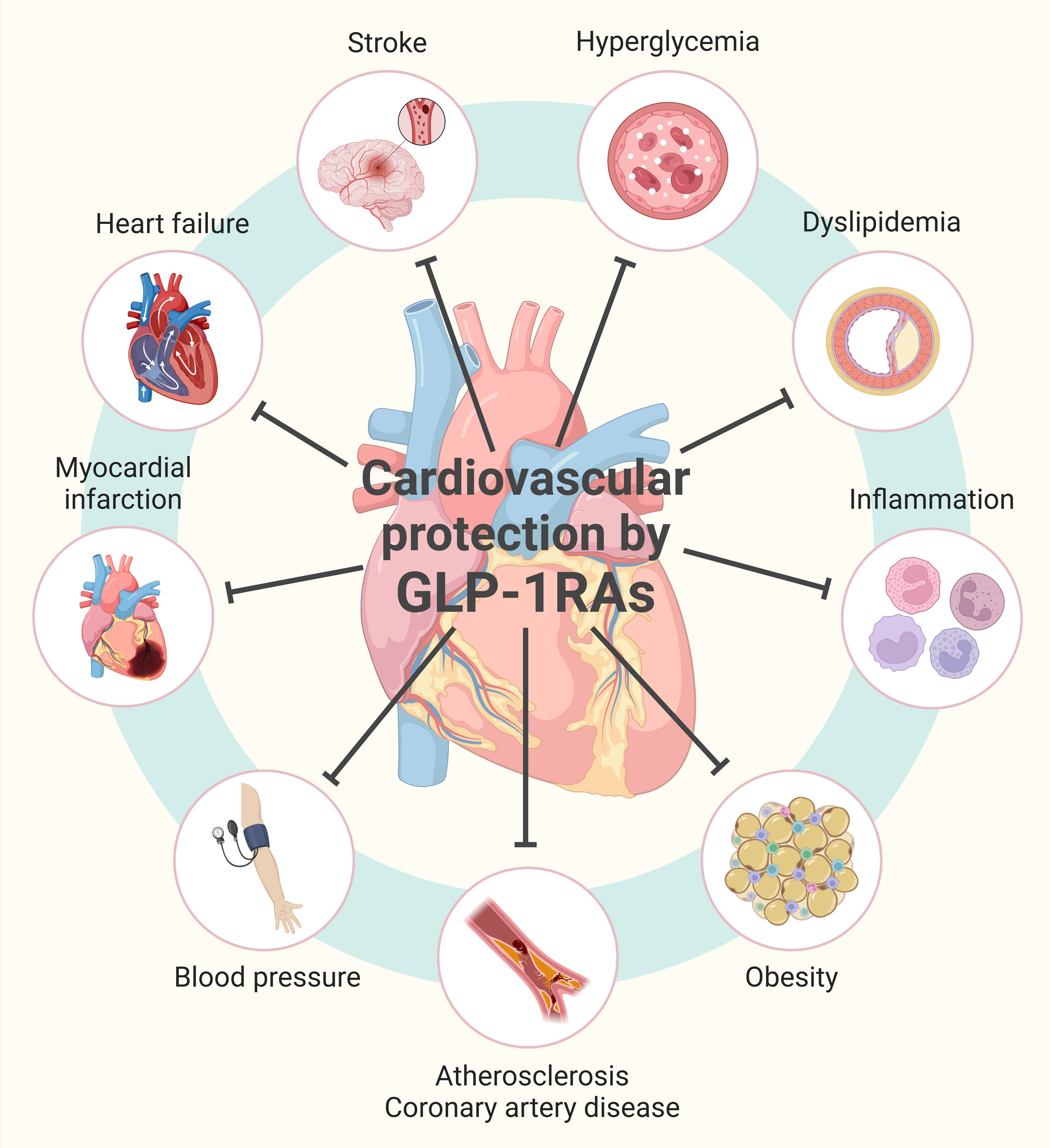
GLP-1 and Cardiovascular Disease Risk Reduction
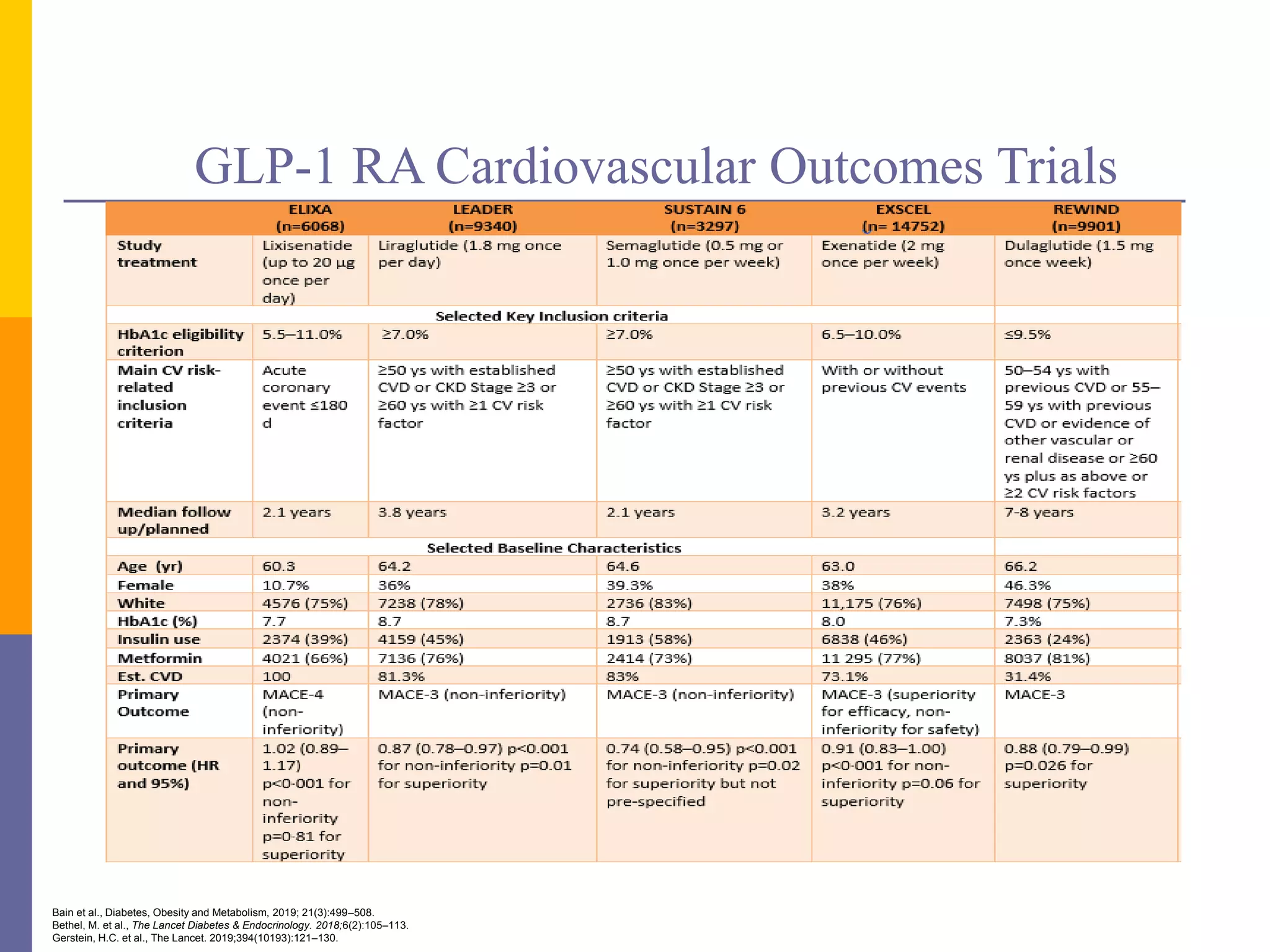
Research has consistently shown that GLP-1RAs can reduce the risk of major cardiovascular events, including heart attacks and strokes, in people with type 2 diabetes. A study published in BMJ Medicine found that continuous use of GLP-1 receptor agonists was associated with a lower risk of major cardiovascular events compared to sulfonylureas, with benefits increasing over time.