Breaking Down the Connection Between GLP-1 and Food Selection
New developments in diabetes treatment have introduced GLP-1 receptor agonists, a class of medications that have revolutionized the management of blood sugar levels in people with type 2 diabetes. While these medications offer numerous benefits, including improved glycemic control and weight loss, they also require careful consideration of diet. In this article, we will explore the relationship between GLP-1 and food selection, and provide practical tips for choosing the right foods to enhance the effectiveness of these medications.
What are GLP-1 Receptor Agonists?
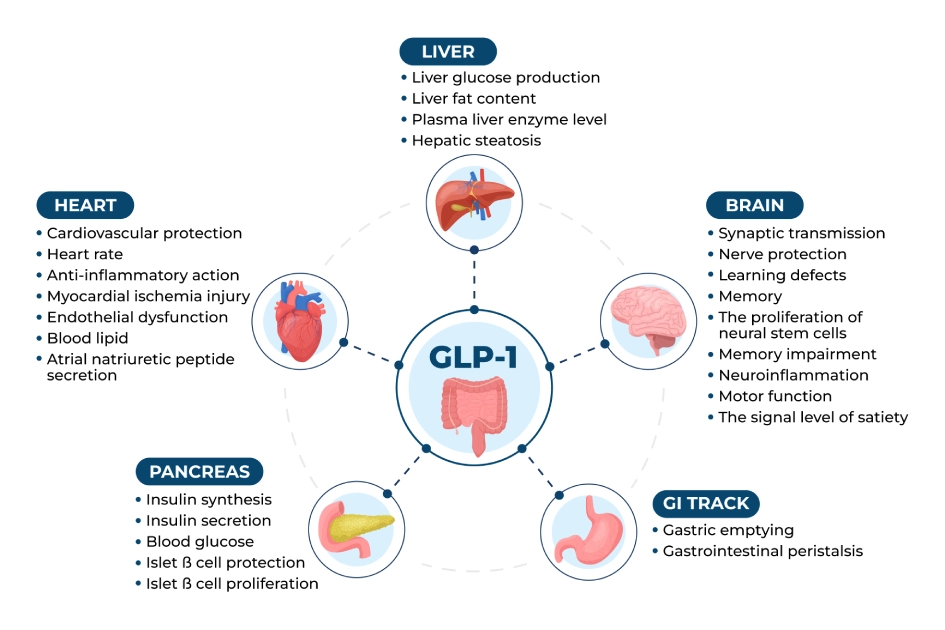
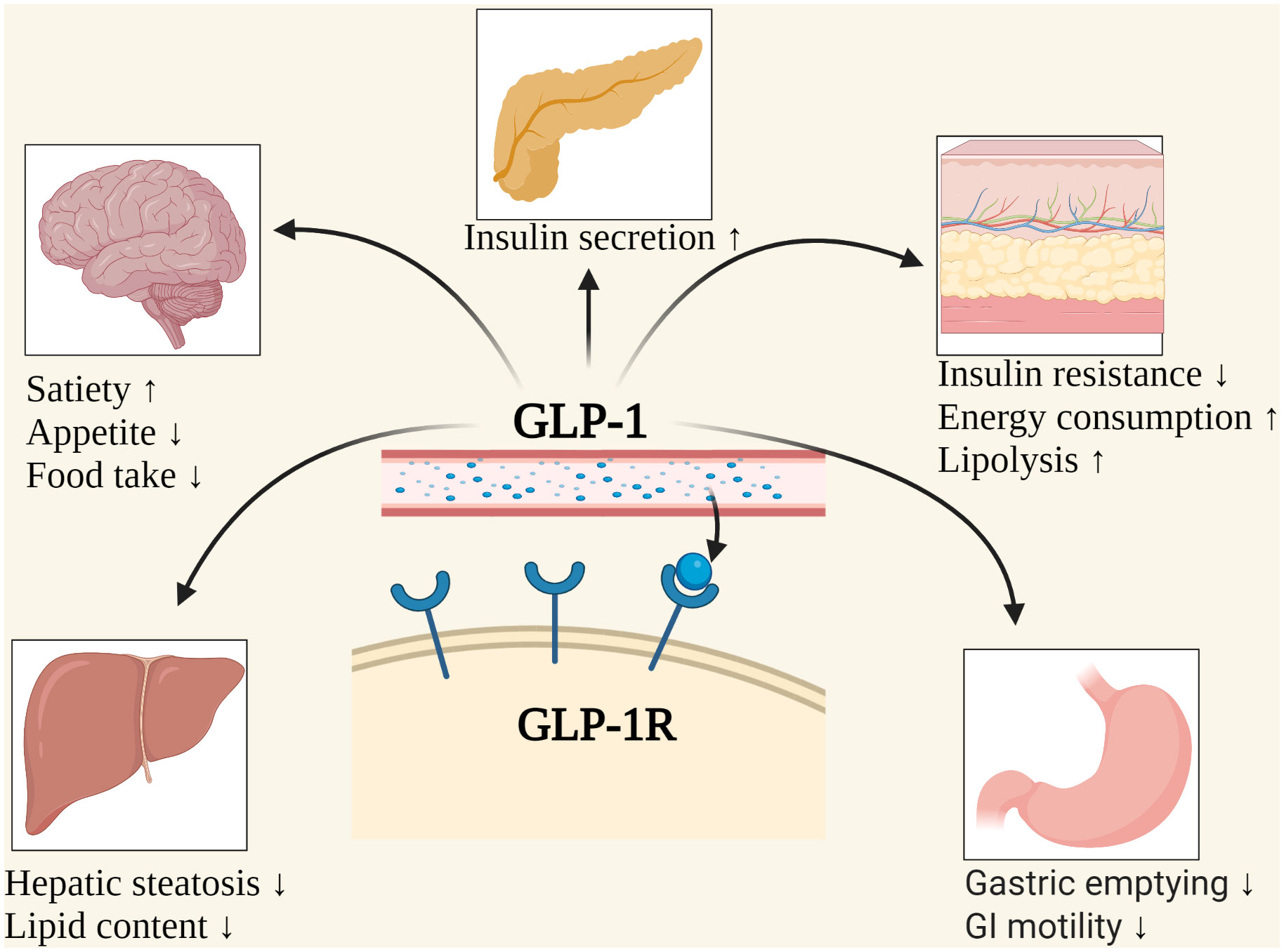
GLP-1 receptor agonists, such as semaglutide (Ozempic, Wegovy) and tirzepatide (Mounjaro, Zepbound), are injectable medications that mimic the action of the naturally occurring hormone glucagon-like peptide-1 (GLP-1). These medications work by binding to GLP-1 receptors in the pancreas and the brain, stimulating the secretion of insulin, slowing the absorption of glucose into the bloodstream, and promoting feelings of fullness and satiety.

The Importance of Food Selection on GLP-1 Efficacy
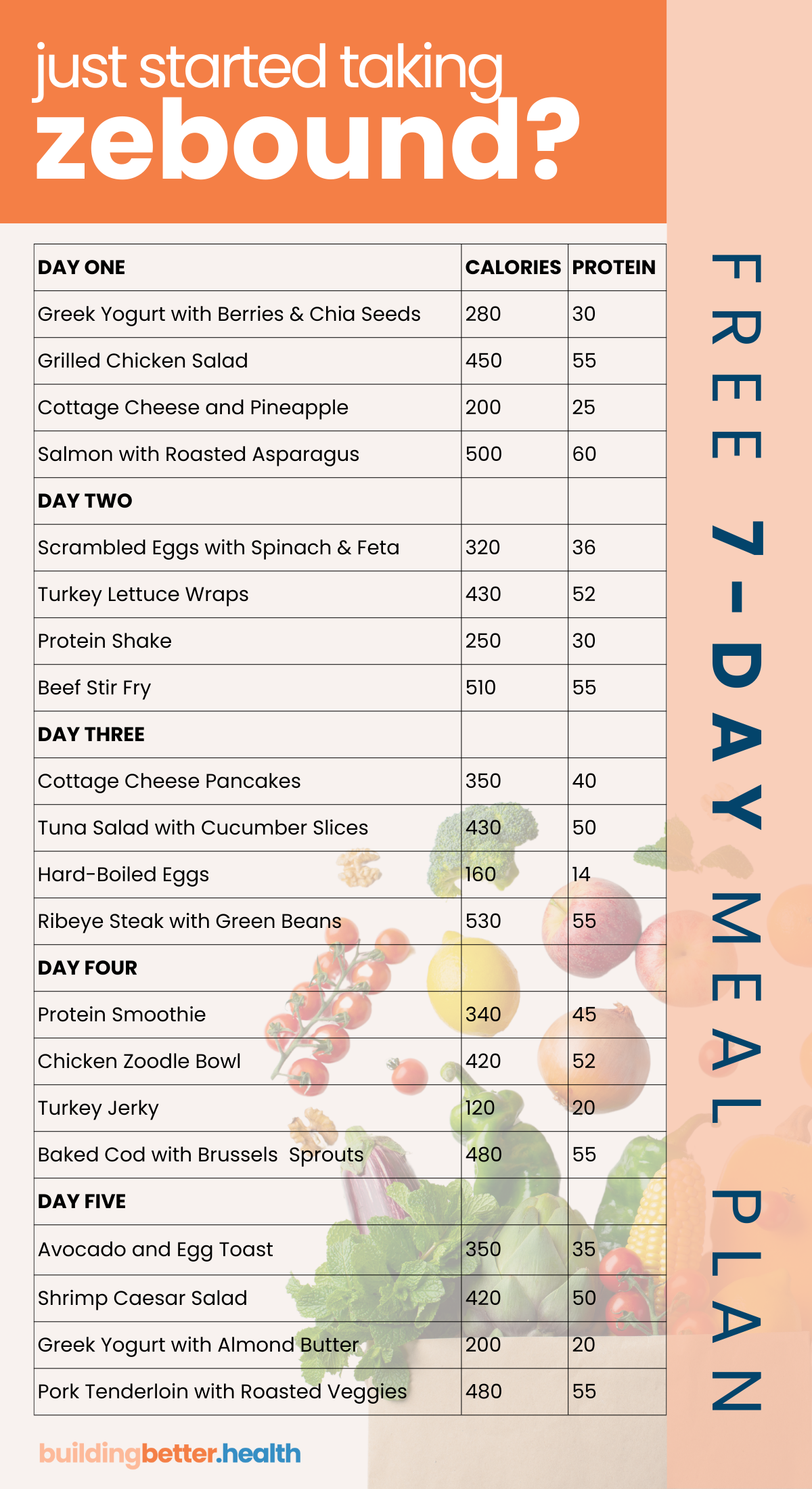
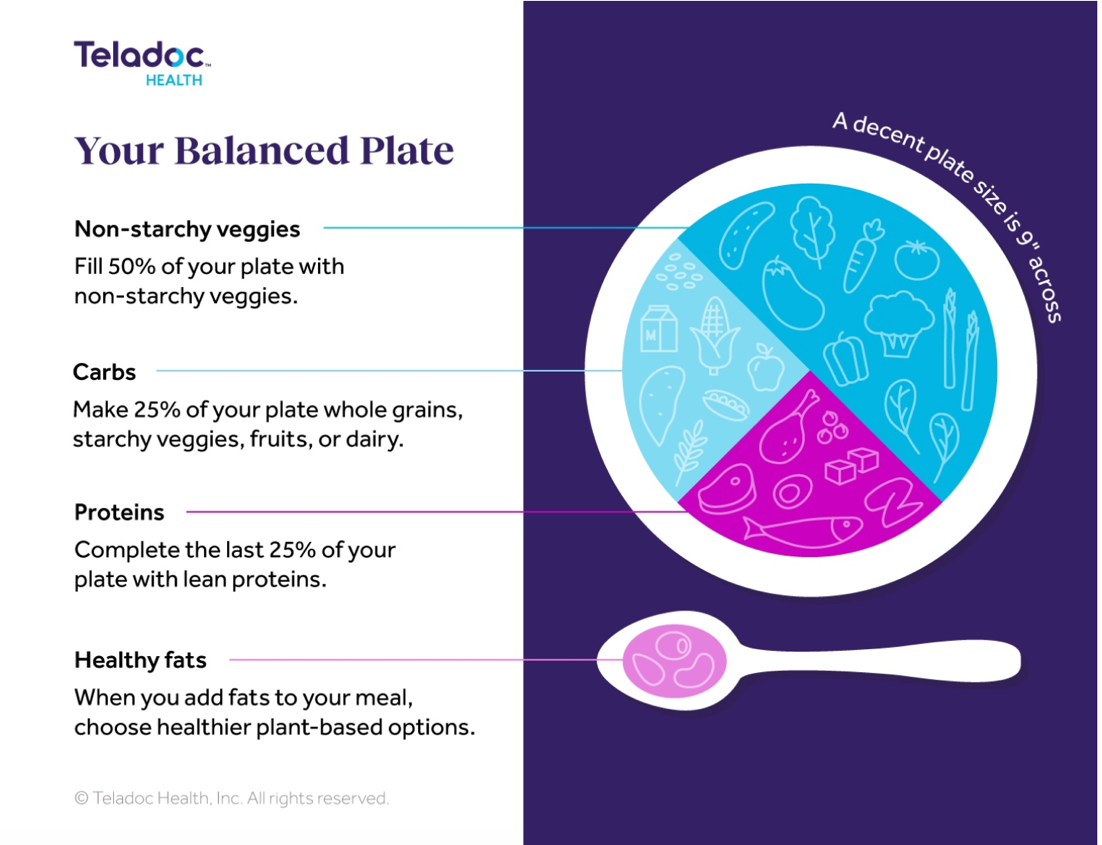
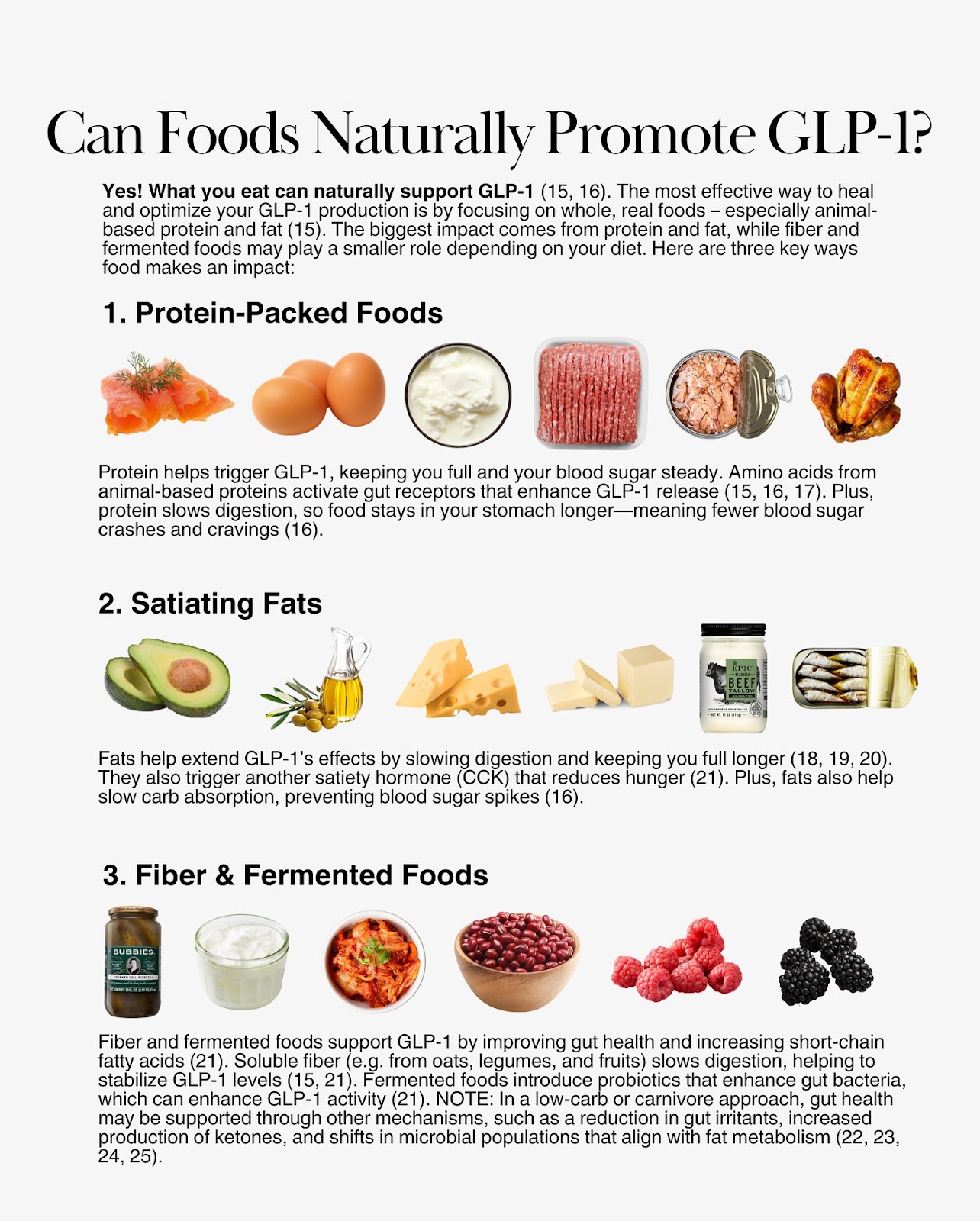
While GLP-1 receptor agonists offer numerous benefits, their effectiveness is influenced by the foods we eat. Eating the right foods can enhance the action of these medications, while consuming the wrong foods can lead to reduced efficacy and unpleasant side effects. In this section, we will discuss the types of foods that support the action of GLP-1 receptor agonists and those that should be avoided.

![GLP-1 Diet: Foods to Eat, Avoid & Sample Meal Plan [2026]](https://cdn.wellresourced.com/wp-content/uploads/2025/05/22120443/Product-Listing-3.jpg "GLP-1 Diet: Foods to Eat, Avoid & Sample Meal Plan [2026]")