GLP-1 Agonist for Appetite Regulation: Unlocking the Secrets of Weight Loss and Metabolism
Glucagon-like peptide-1 (GLP-1) receptor agonists (RAs) have revolutionized the management of obesity and type 2 diabetes. These medications work by modulating the body's metabolic processes, including appetite regulation. But how do they achieve this effect, and what implications does this have for our understanding of weight loss and metabolism?
Introduction to GLP-1 Receptor Agonists
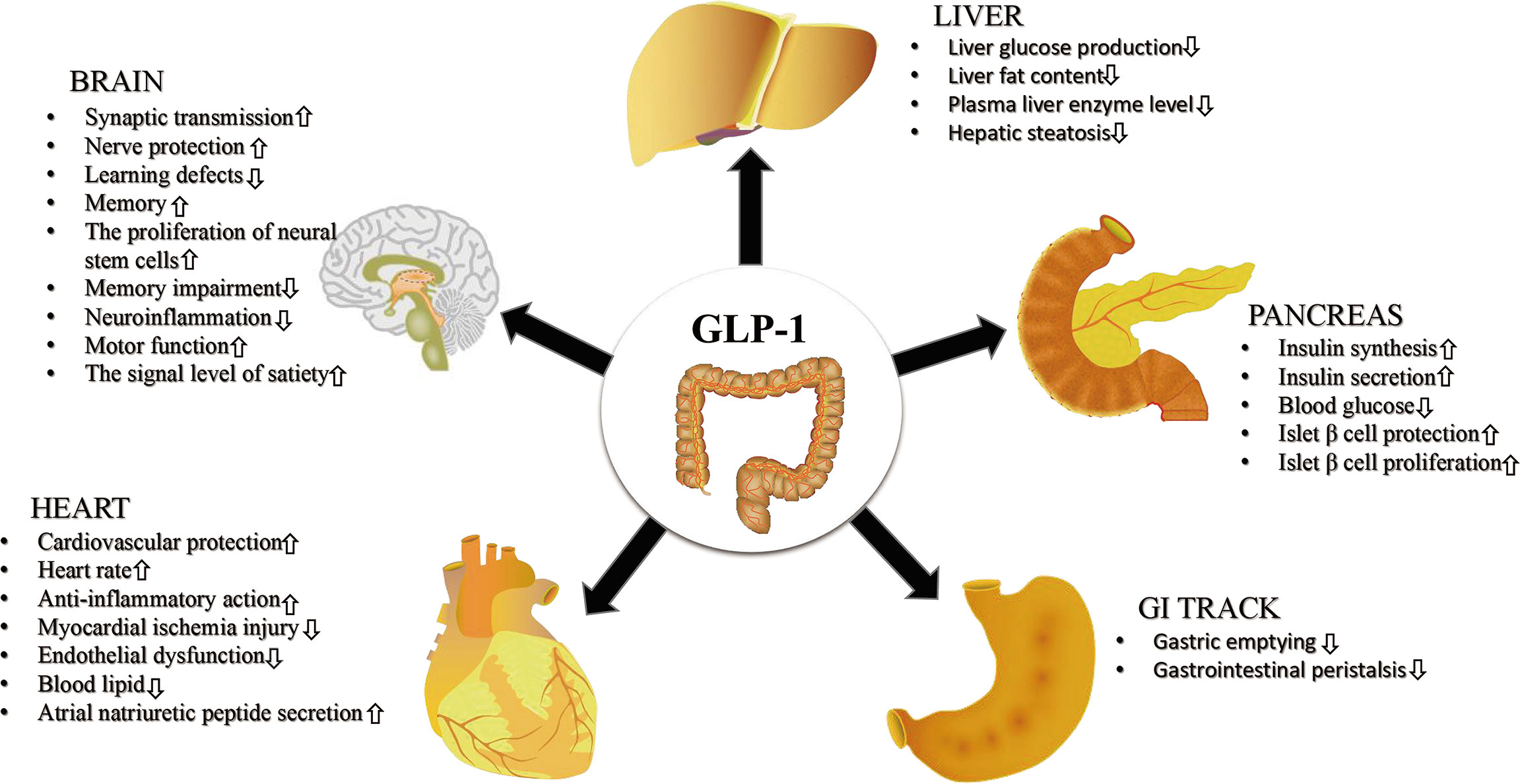
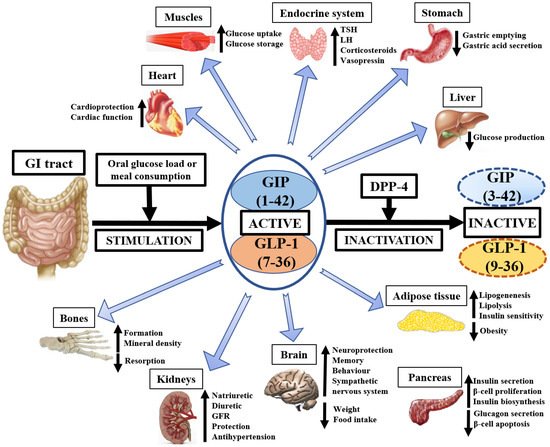
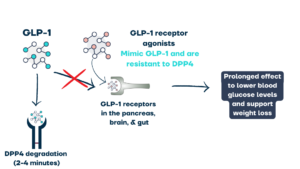
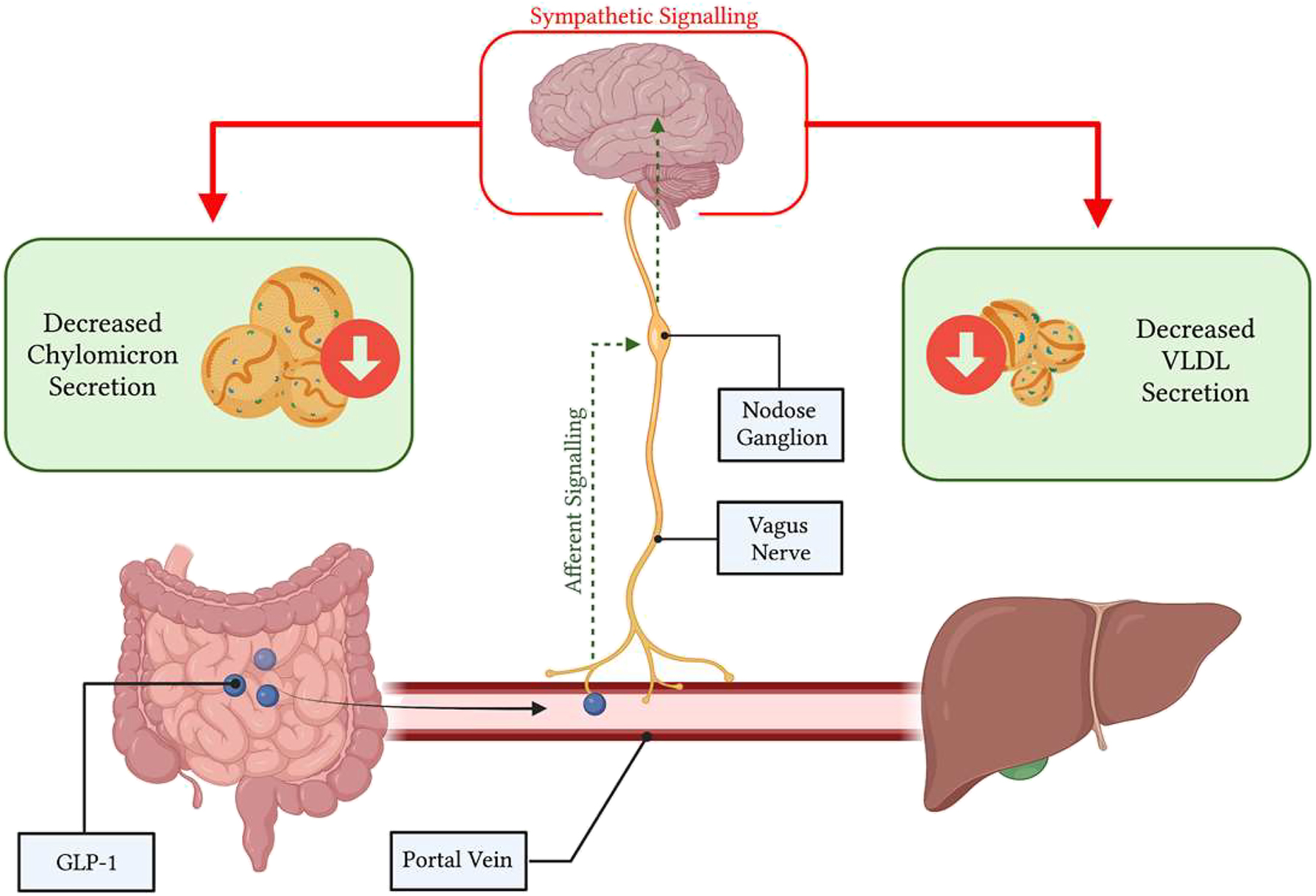
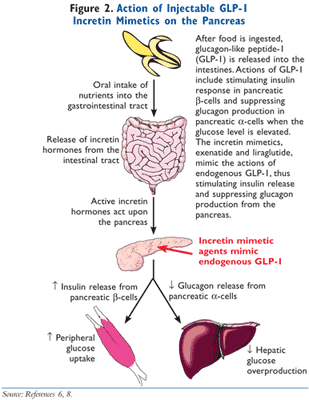
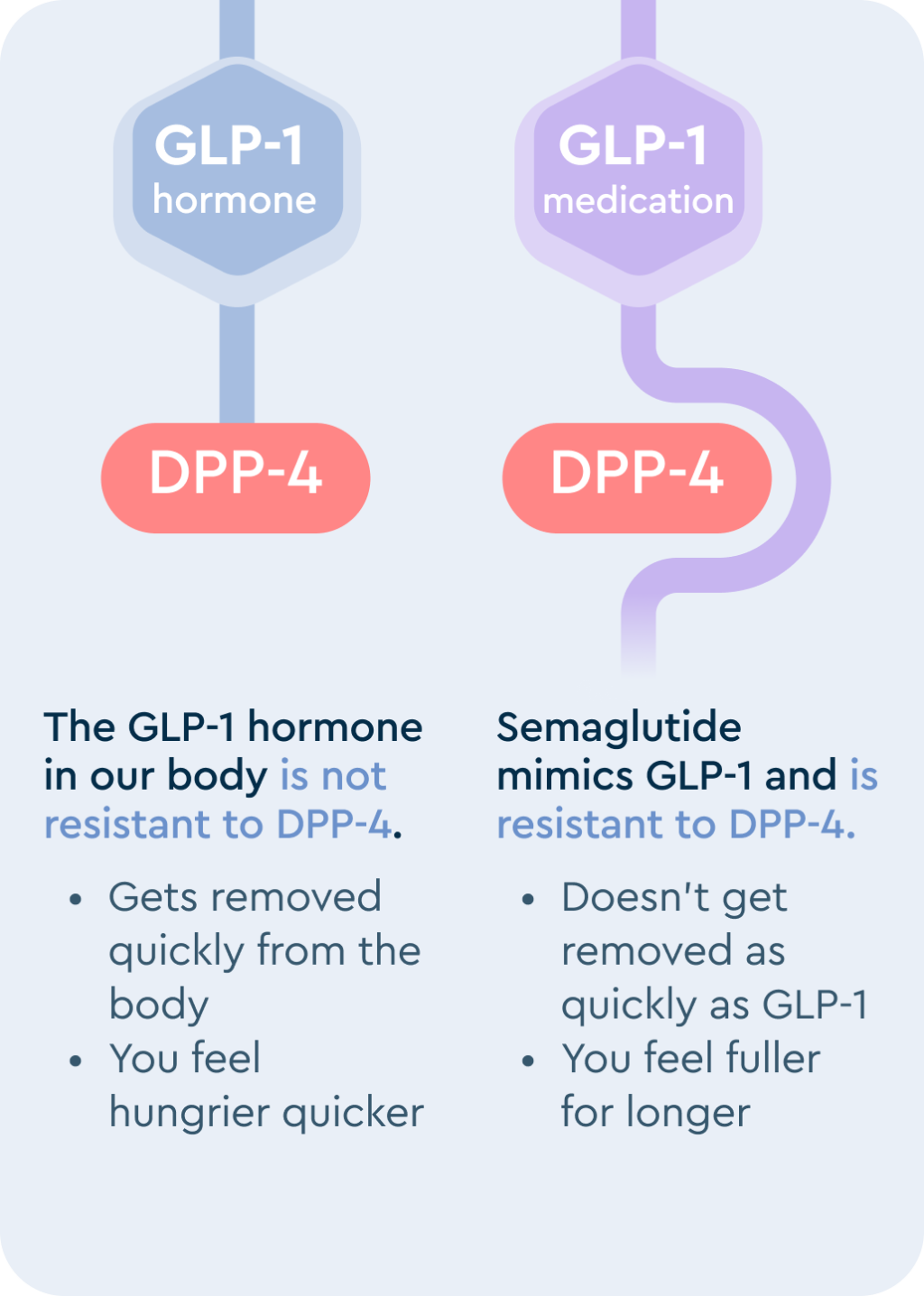
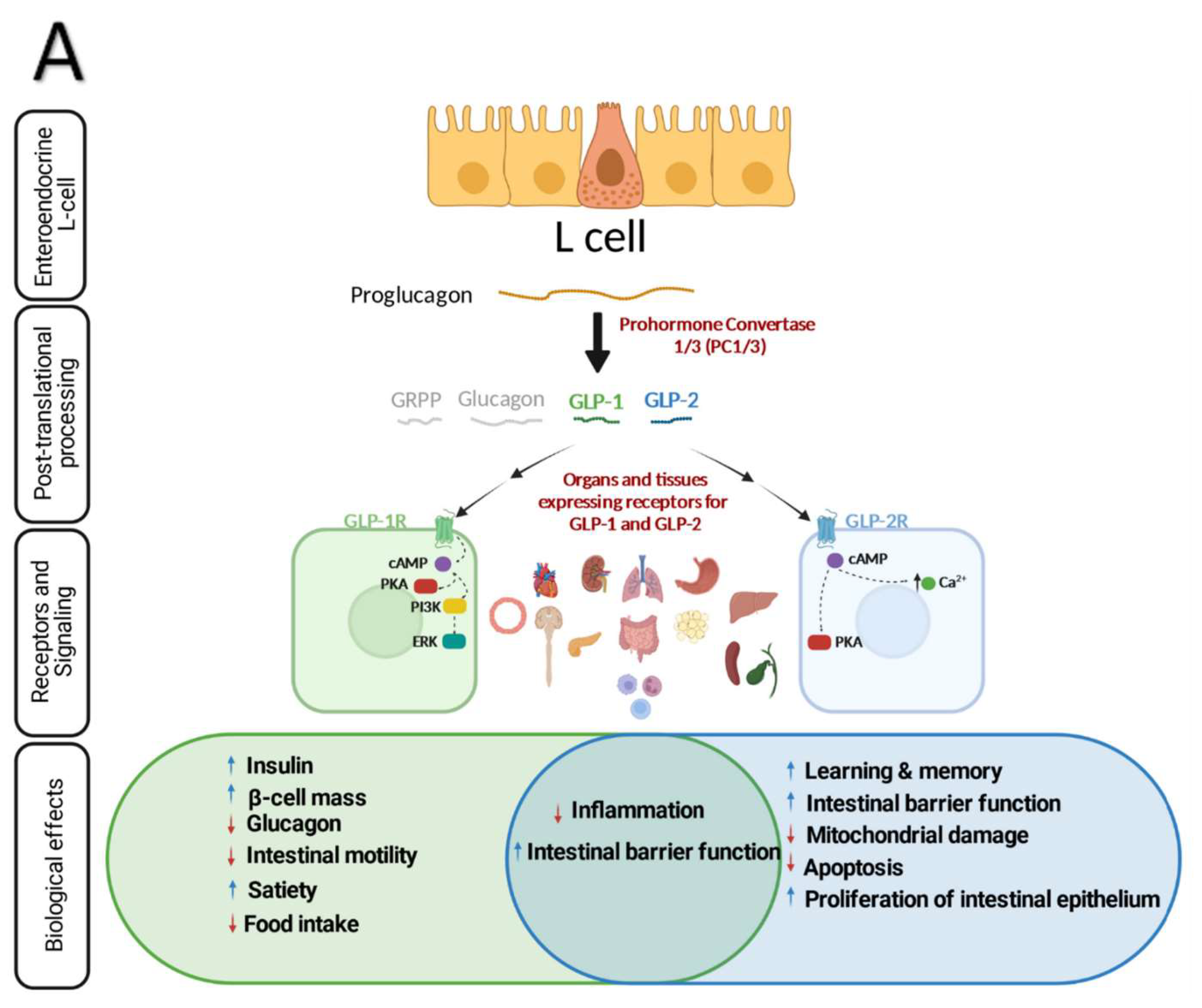
GLP-1 receptor agonists are a class of medications that mimic the action of the natural hormone glucagon-like peptide 1 (GLP-1). GLP-1 is produced by the intestinal L cells in response to food intake and plays a key role in regulating blood glucose levels and appetite.
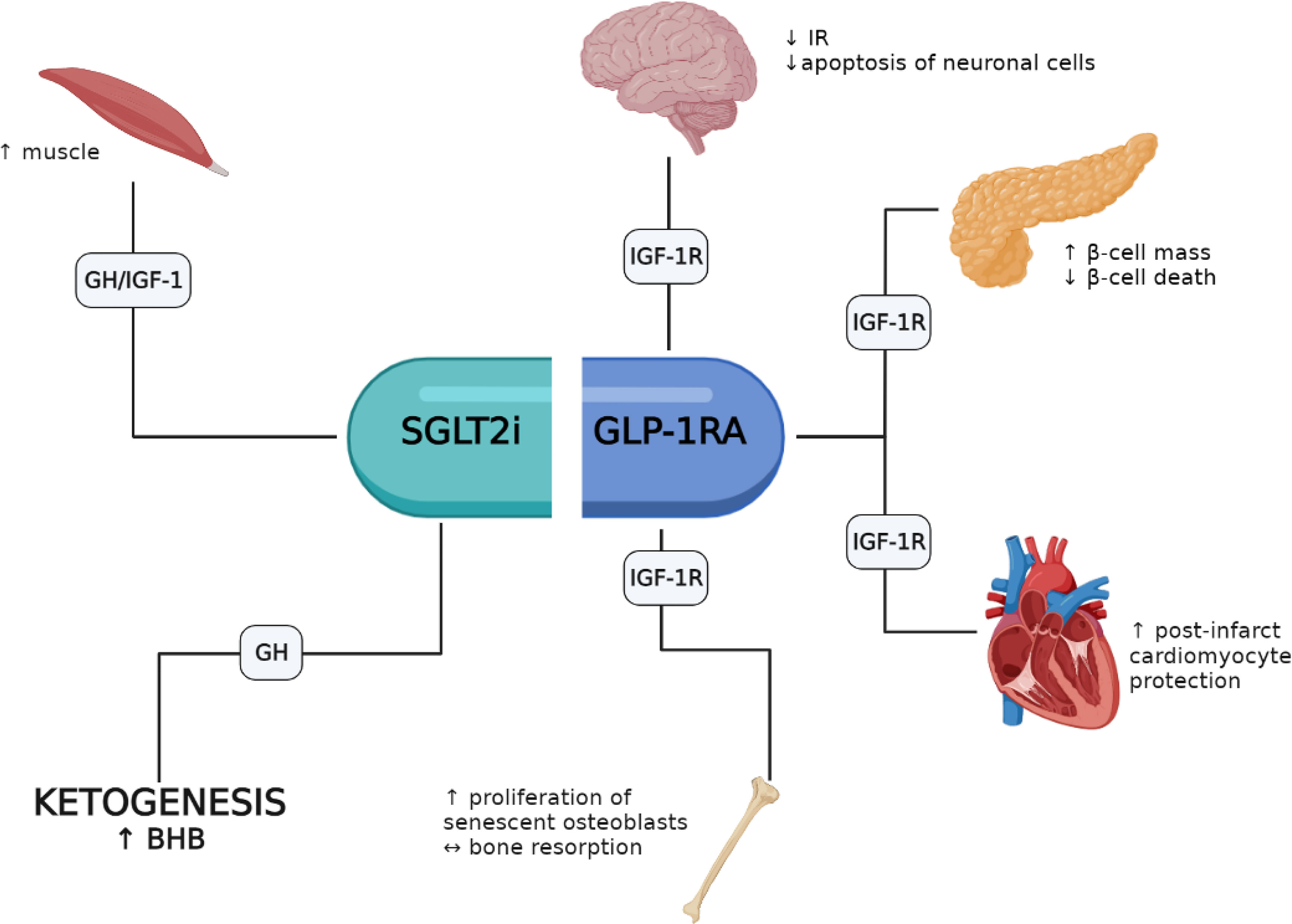
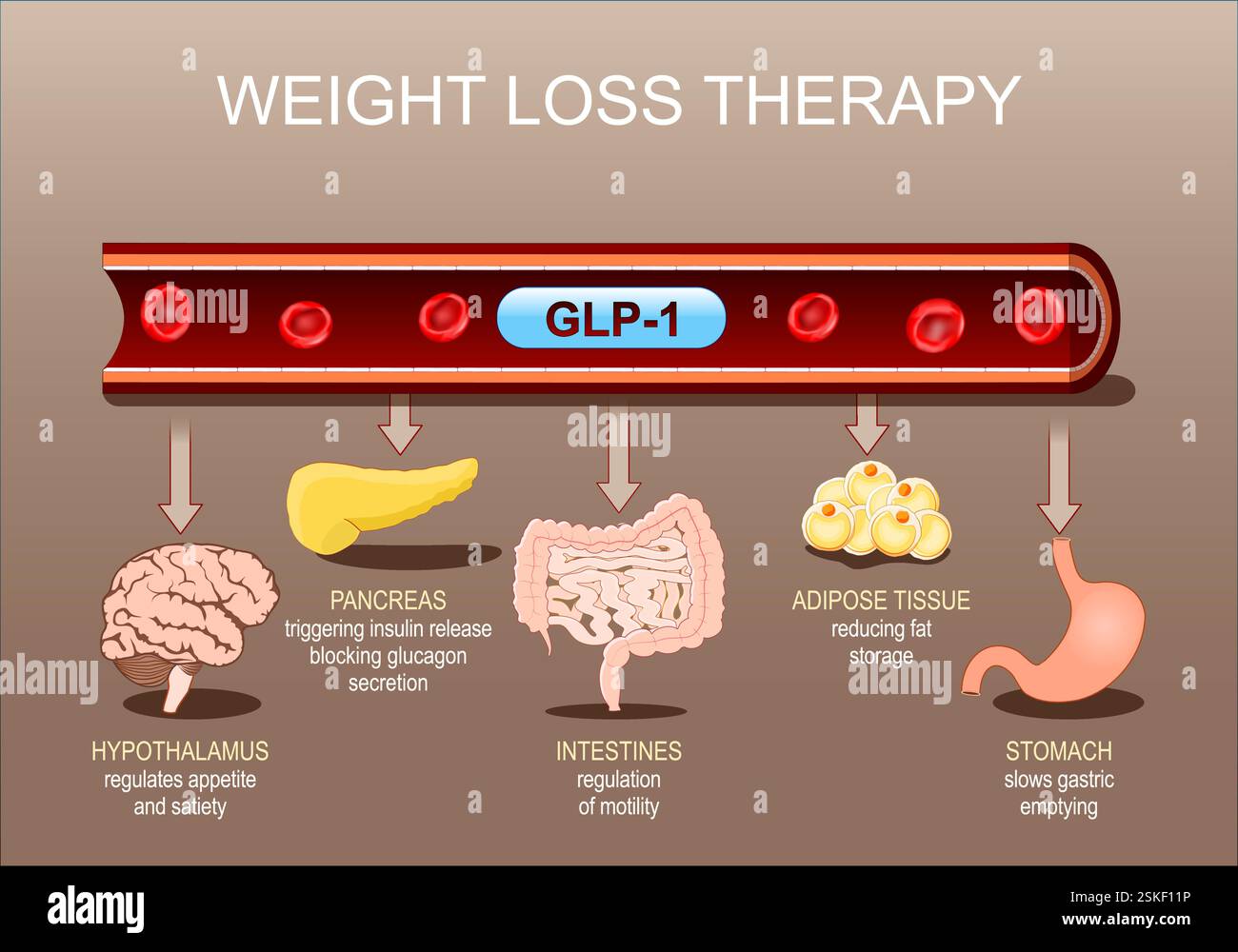
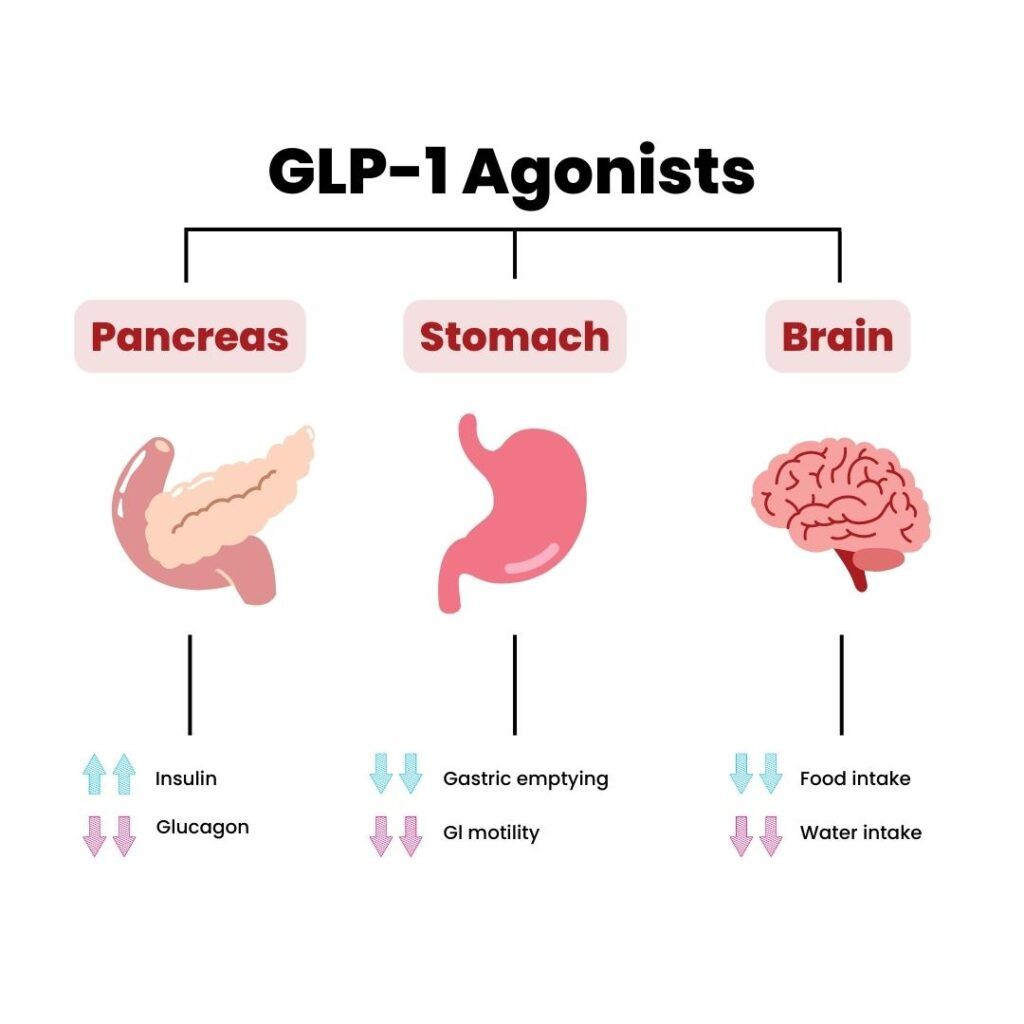
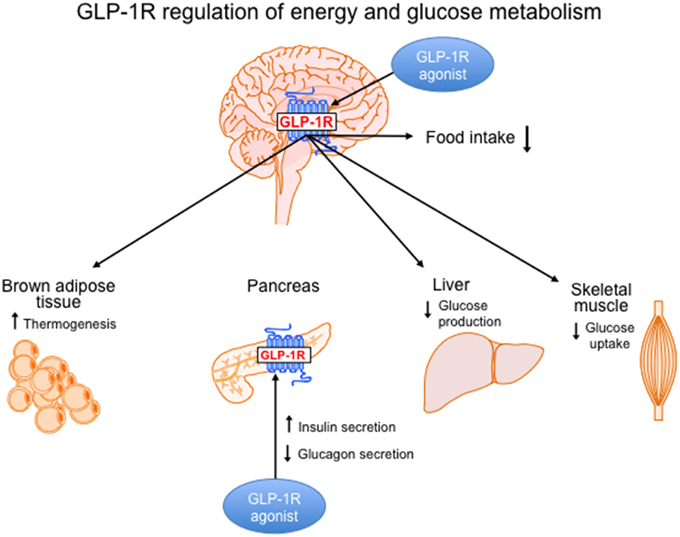
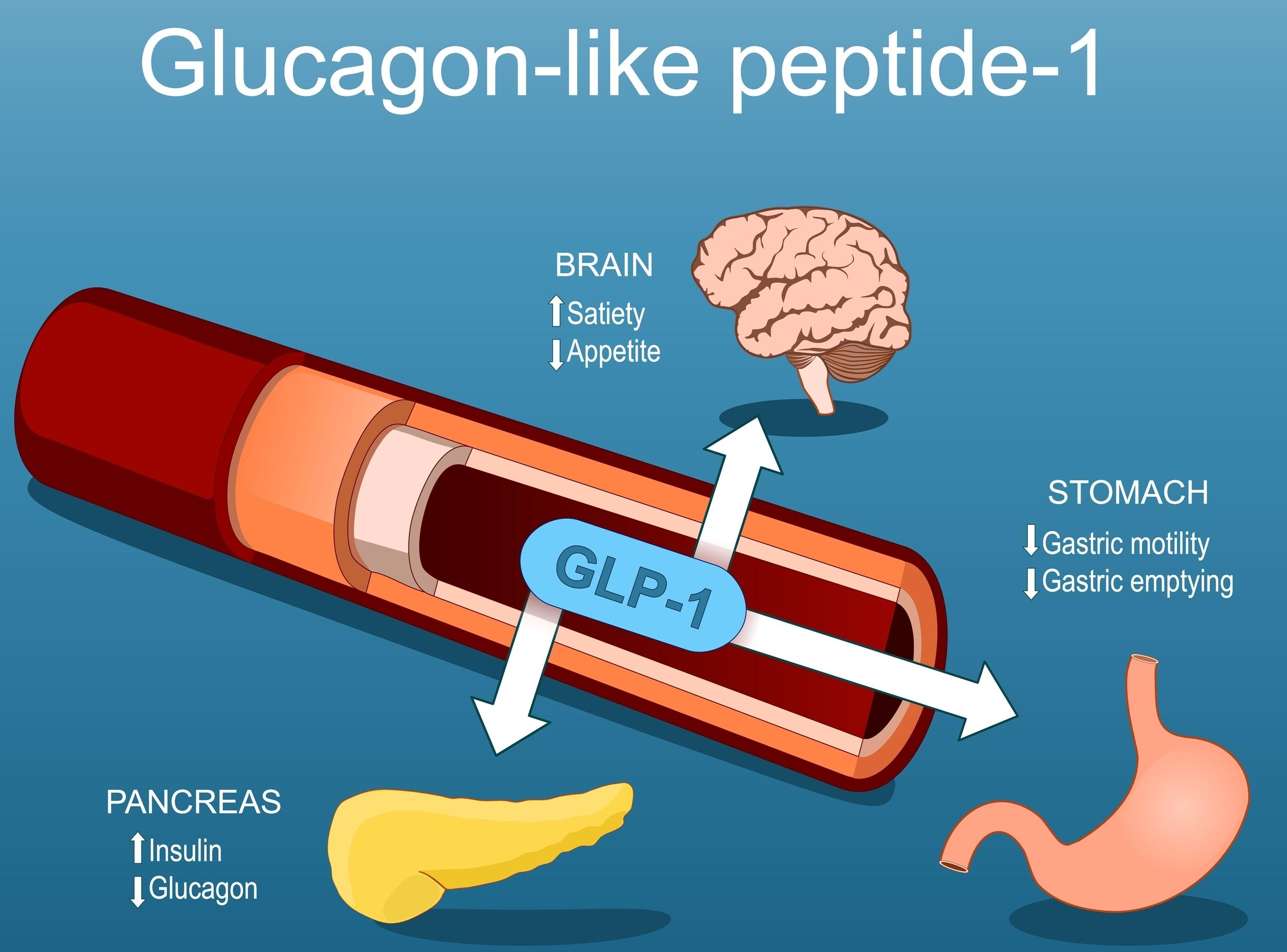
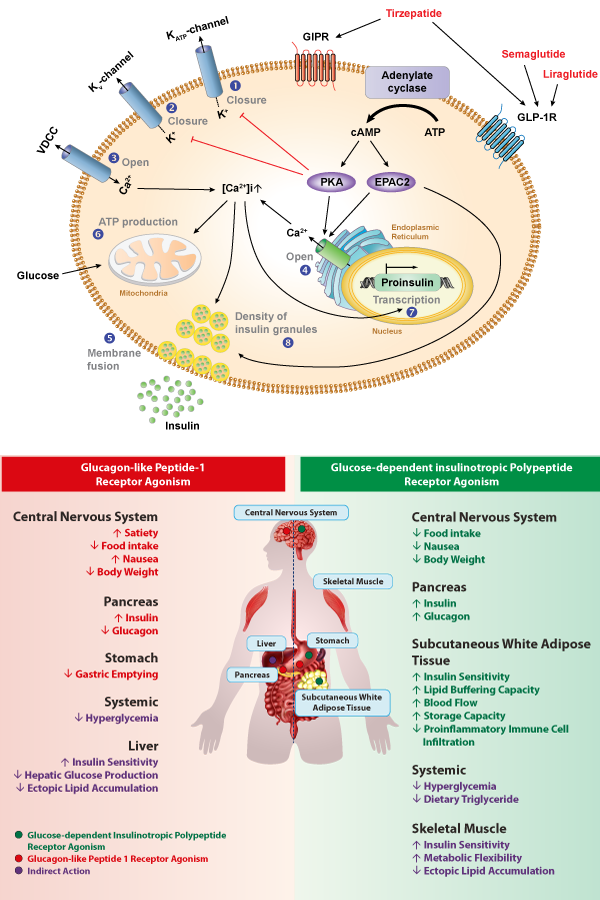
- GLP-1 agonists work by binding to the GLP-1 receptor in the pancreas, liver, and brain, triggering a cascade of physiological responses that regulate glucose and energy metabolism.
- These medications have been shown to be effective in reducing body weight, improving insulin sensitivity, and lowering blood glucose levels in individuals with type 2 diabetes and obesity.
- The mechanisms underlying GLP-1 agonist-induced weight loss and metabolic regulation are complex and multifaceted, involving central and peripheral pathways.
Central Mechanisms: Regulating Appetite and Energy Balance
GLP-1 agonists have been shown to modulate brain regions involved in appetite regulation, such as the hypothalamus and brainstem. This leads to a reduction in hunger and an increase in satiety, making it easier to maintain a healthy diet and exercise routine.