Eating Disorder Behavior GLP-1: Understanding the Risks and Benefits
The discovery of GLP-1 (Glucagon-like peptide-1) agonists has been hailed as a breakthrough in the treatment of type 2 diabetes and obesity. These medications work by targeting the brain's appetite and glucose-regulating pathways, leading to significant weight loss and improved metabolic outcomes. However, research suggests that GLP-1 agonists may have an unintended consequence on individuals with eating disorders (EDs), such as binge eating disorder (BED), anorexia nervosa (AN), and bulimia nervosa (BN).
GLP-1 Agonists and Eating Disorders: A Complex Relationship

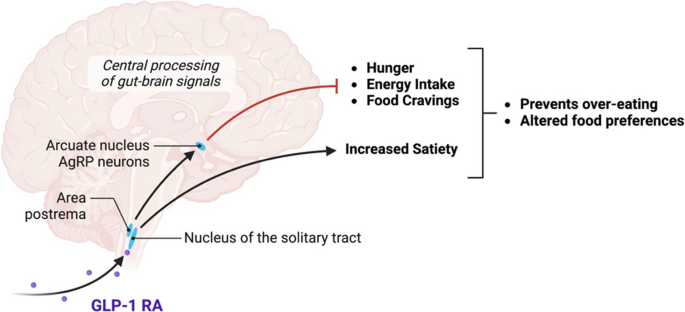
How GLP-1 Agonists Interact with the Brain
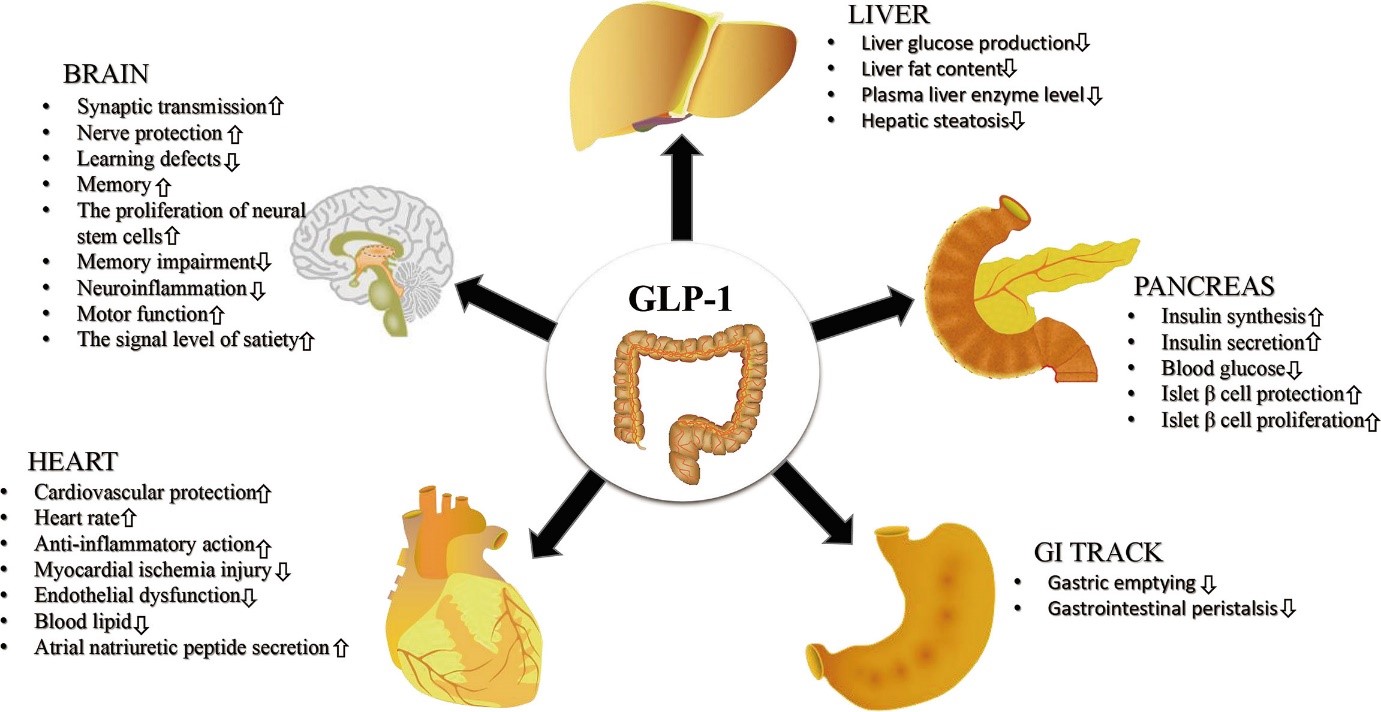
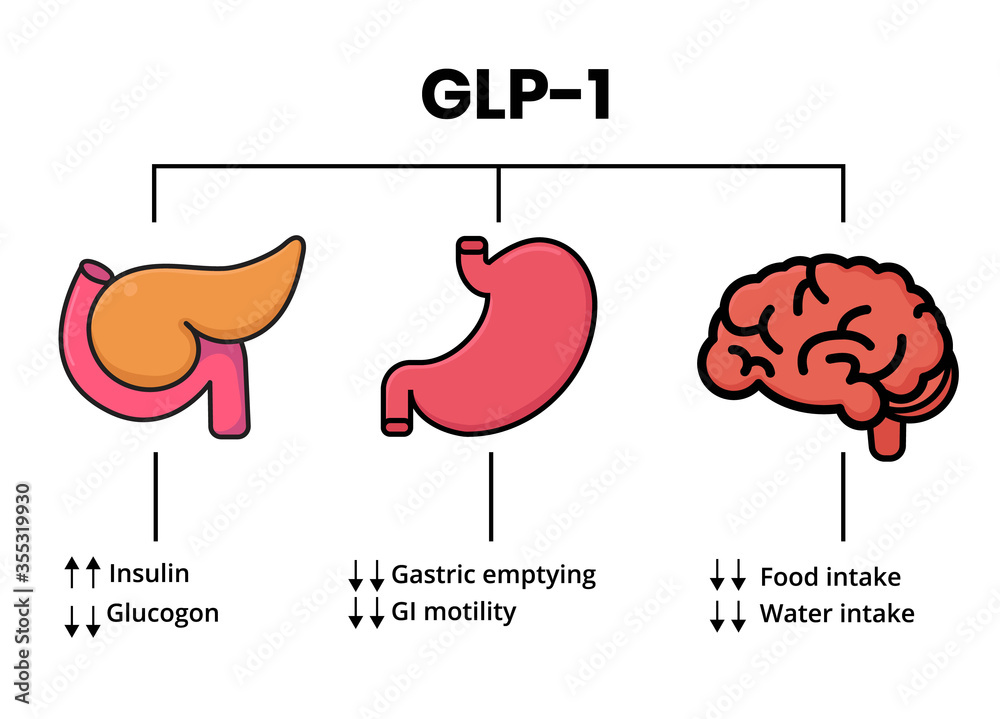
GLP-1 agonists mimic the action of the naturally occurring hormone glucagon-like peptide-1, which regulates appetite, digestion, and insulin release. By slowing gastric emptying, increasing satiety, reducing hunger and food cravings, and influencing reward pathways related to eating behavior, GLP-1 agonists aim to promote weight loss and improved glucose control.
Avoiding the Pitfalls of GLP-1 Agonists in Eating Disorders
Given the growing interest in GLP-1 agonists, clinicians are concerned that these medications may trigger eating disorder relapse by mimicking symptoms and disrupting intuitive eating signals. This is particularly worrisome for individuals with EDs, who already struggle with distorted eating habits and body image issues.