Drywall Crack Sealing: Expert Techniques for Seamless Repairs
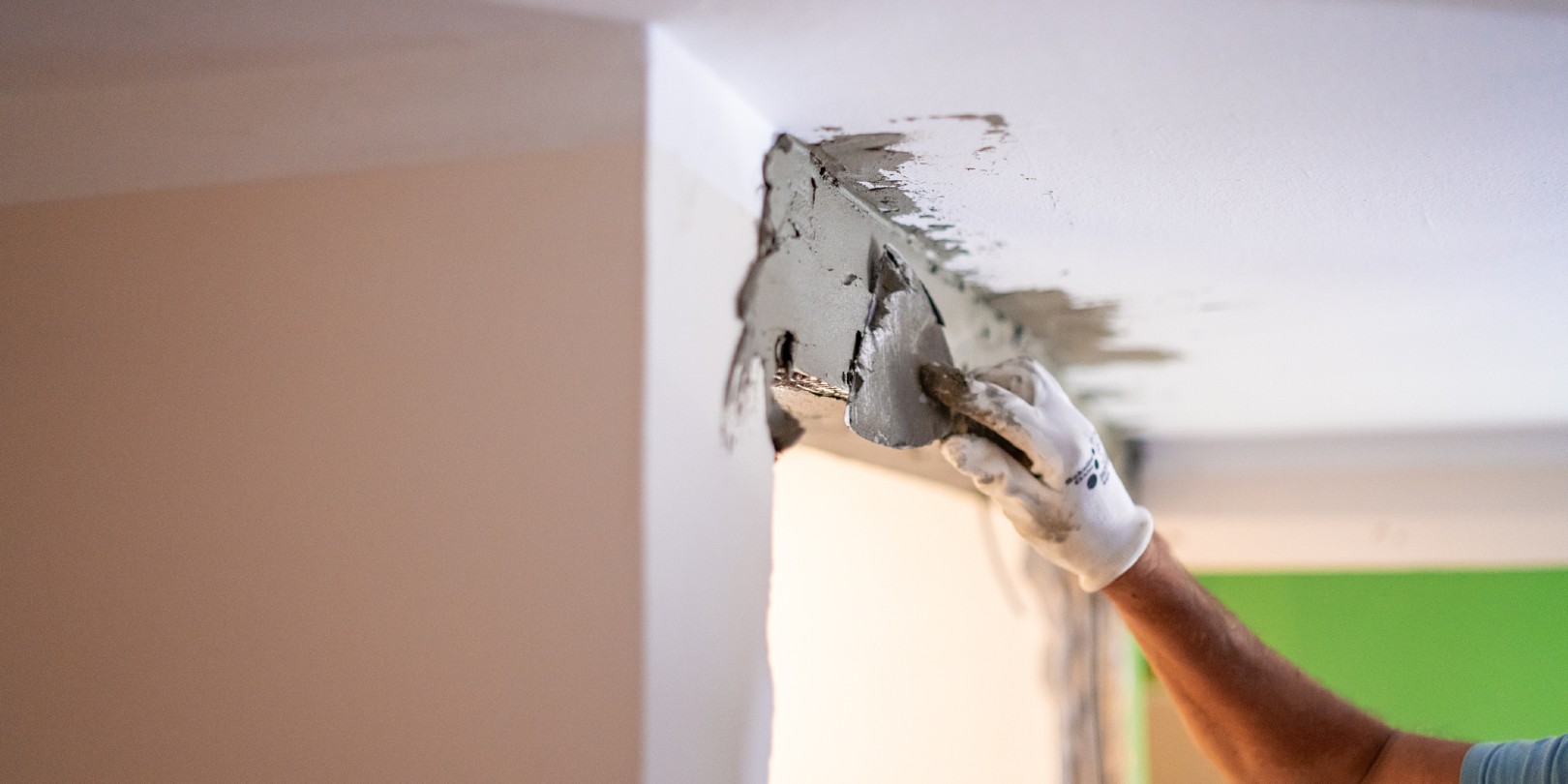
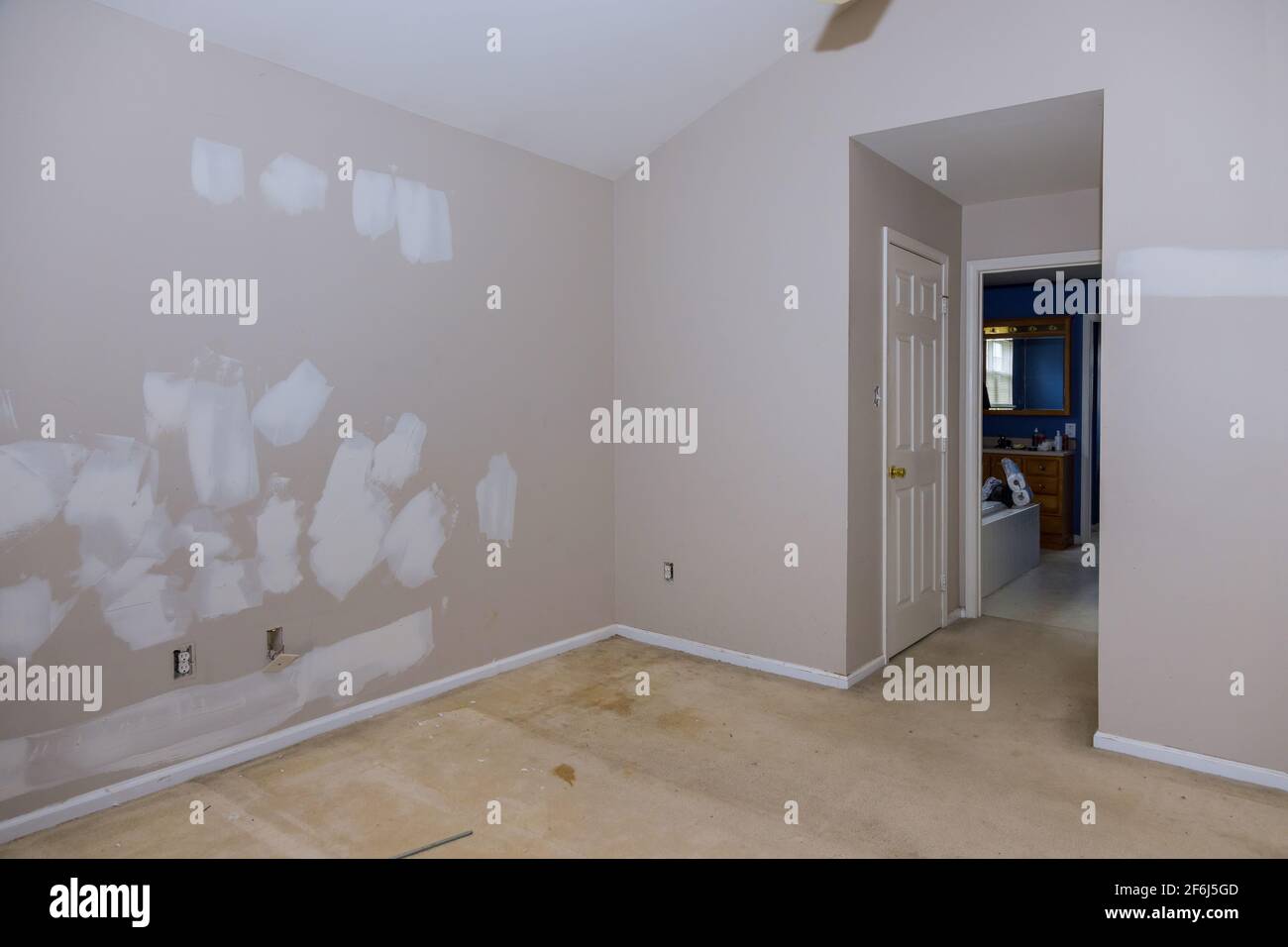
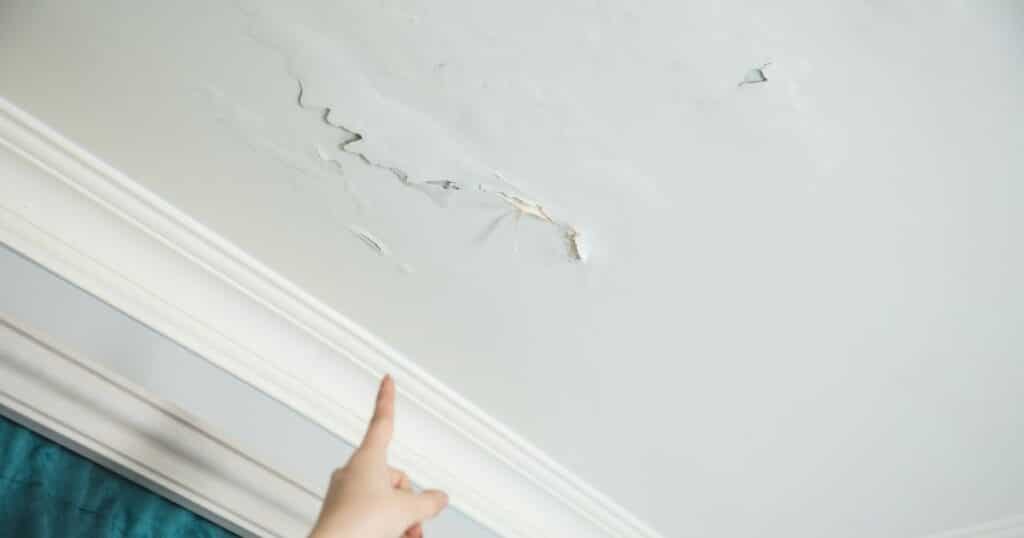
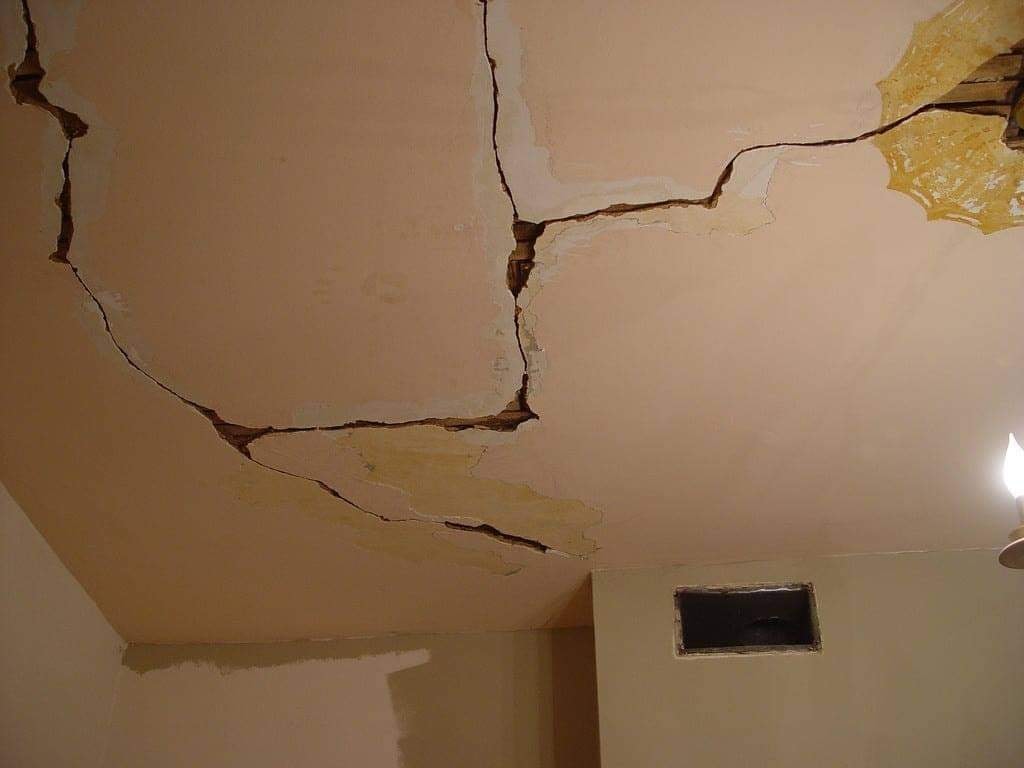
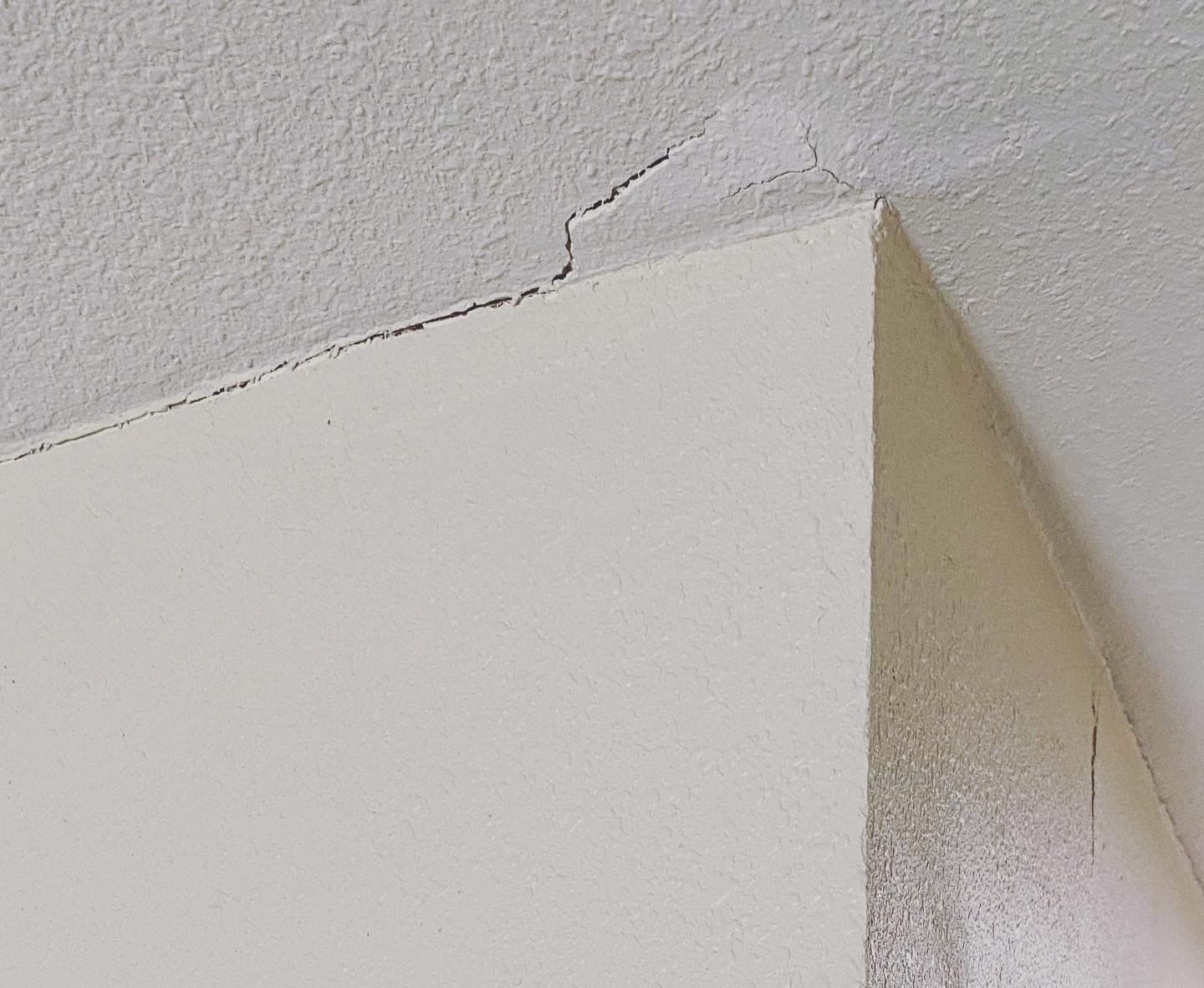
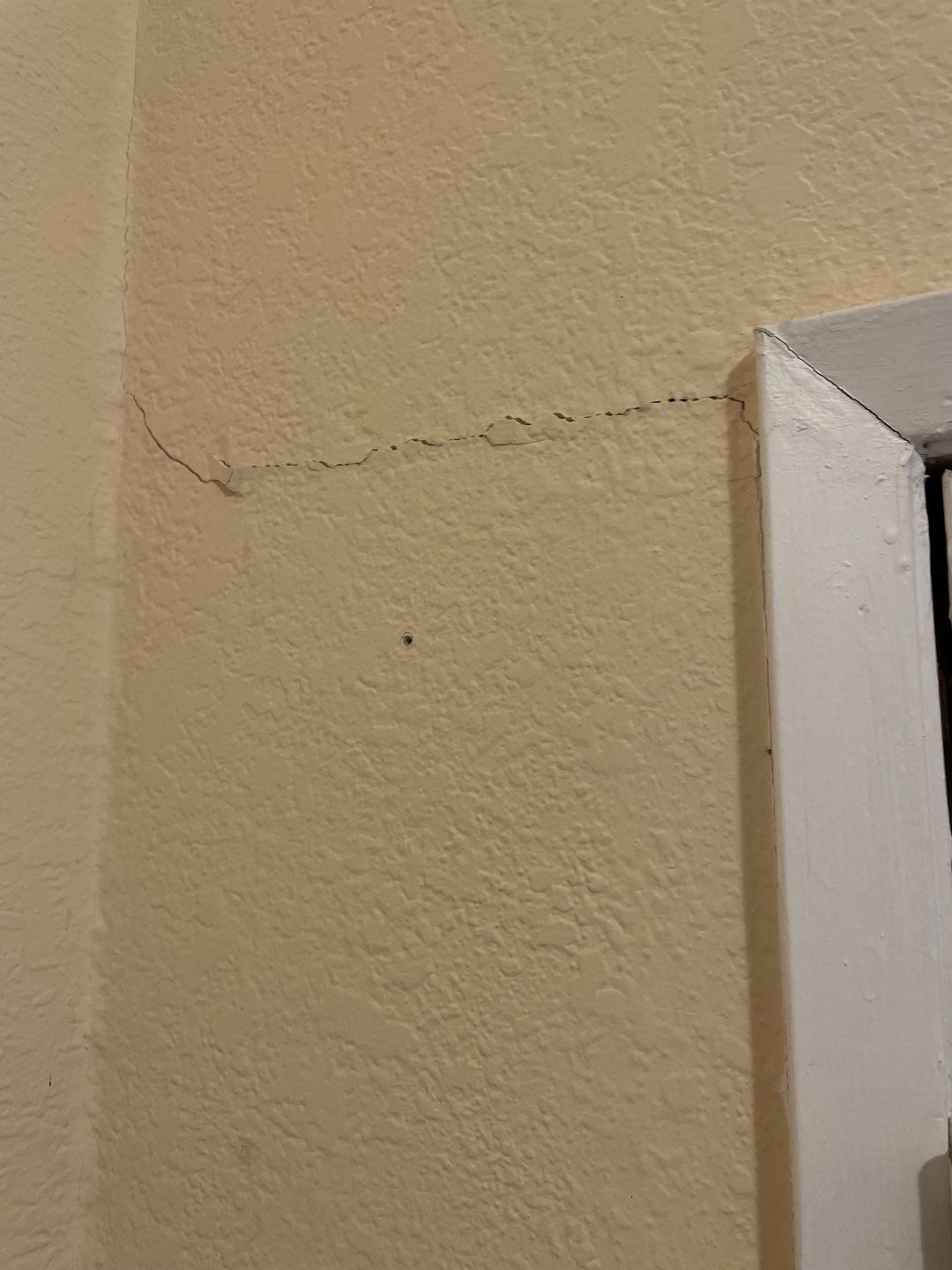
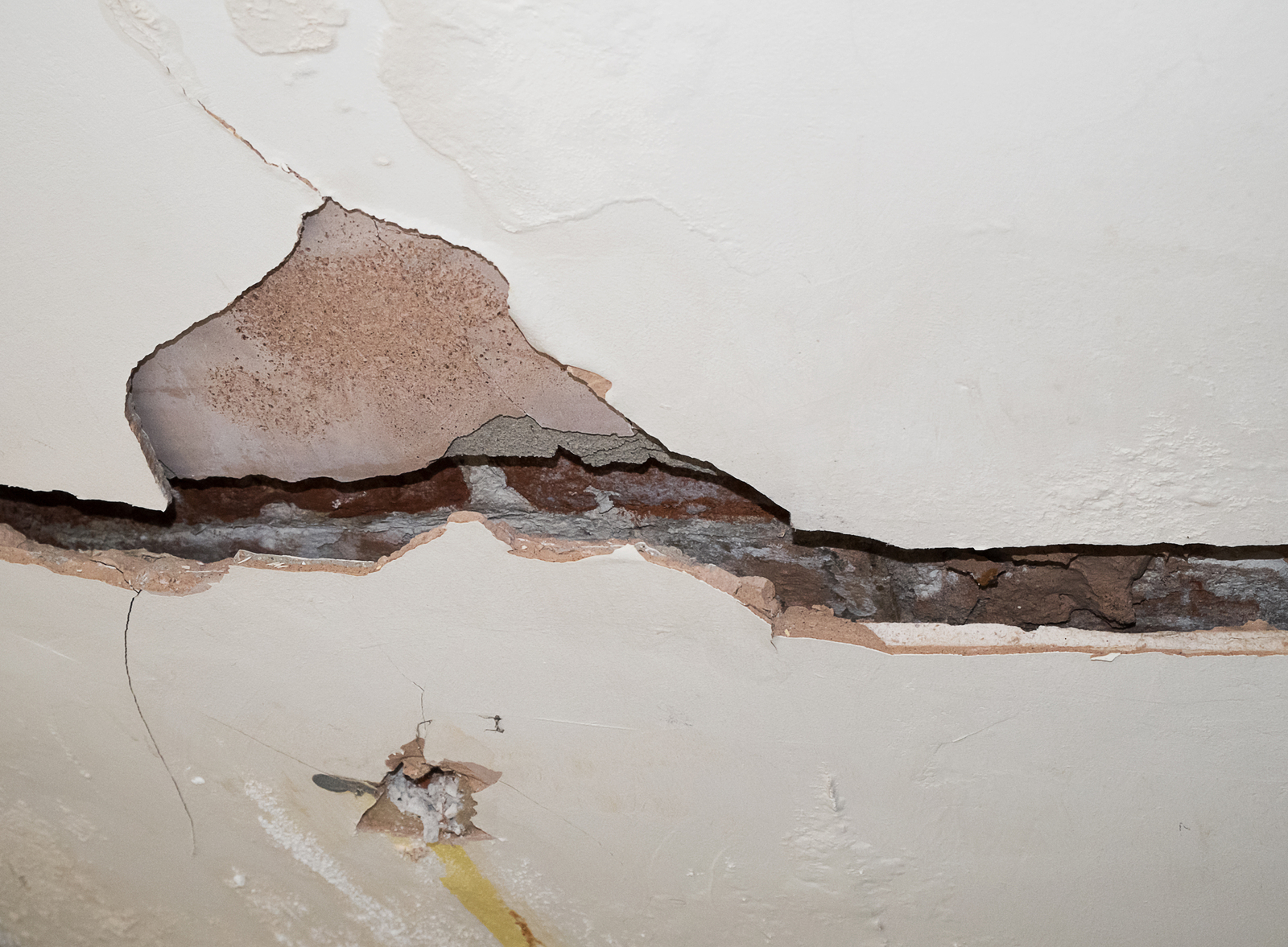
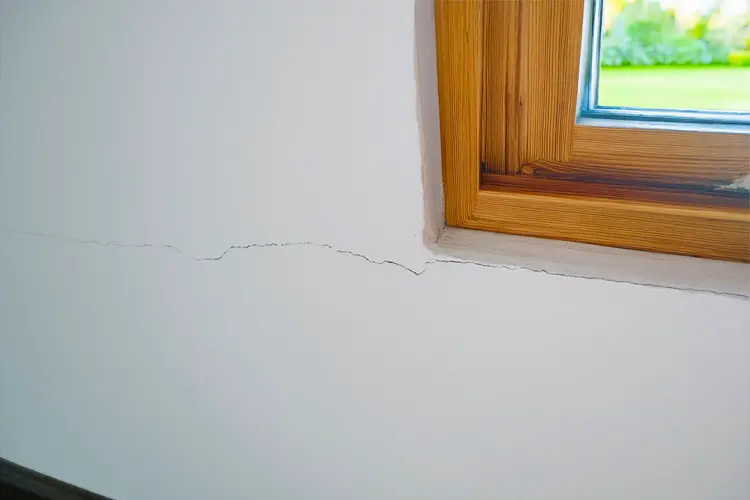
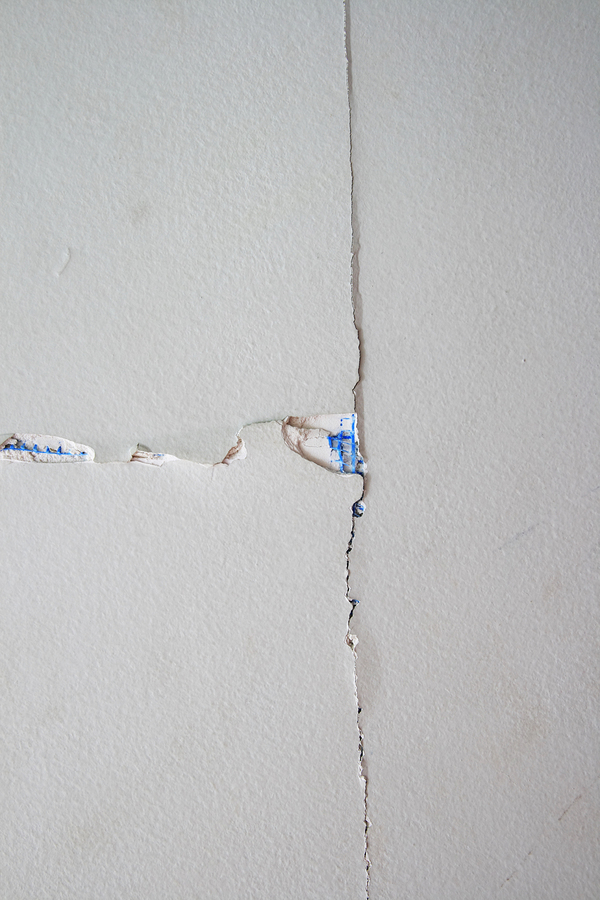
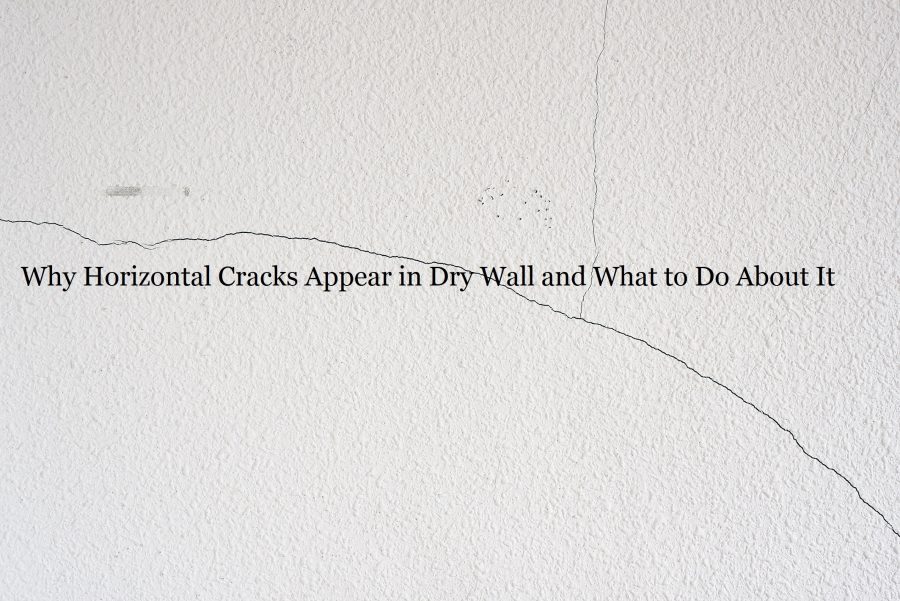
As homes settle, cracks may radiate from the corners of doors and windows, leaving unsightly gaps in your walls and ceilings. Fortunately, these cracks are easy and inexpensive to fix, and with the right techniques, you can achieve seamless repairs that last. In this comprehensive guide, we'll explore the world of drywall crack sealing, highlighting expert techniques, sealant choices, and DIY tips to get you started.
The Importance of Choosing the Right Sealant

When it comes to drywall crack sealing, not all sealants are created equal. Some types of sealants are better suited for specific applications, and using the wrong one can lead to a messy appearance or inadequate sealing. Here are some top-recommended sealant choices for drywall crack sealing, including their pros and cons:
- Acrylic Latex Caulk: This type of caulk is best for use with drywall, wood, and masonry. It's often called "painter's caulk" due to its ease of use and versatility. Pros: inexpensive, easy to use, seals well without odors, and cleans up easily with water. Cons: may not be suitable for large cracks or high-traffic areas.
- Joint Compound: This solution is most often used when hanging new drywall. It's essential to choose a high-quality joint compound that dries quickly and evenly. Pros: easy to apply, dries quickly, and provides a smooth finish. Cons: may not be suitable for large cracks or areas with high moisture levels.