Configuring a G Network for QoS (Quality of Service)
Introduction to QoS
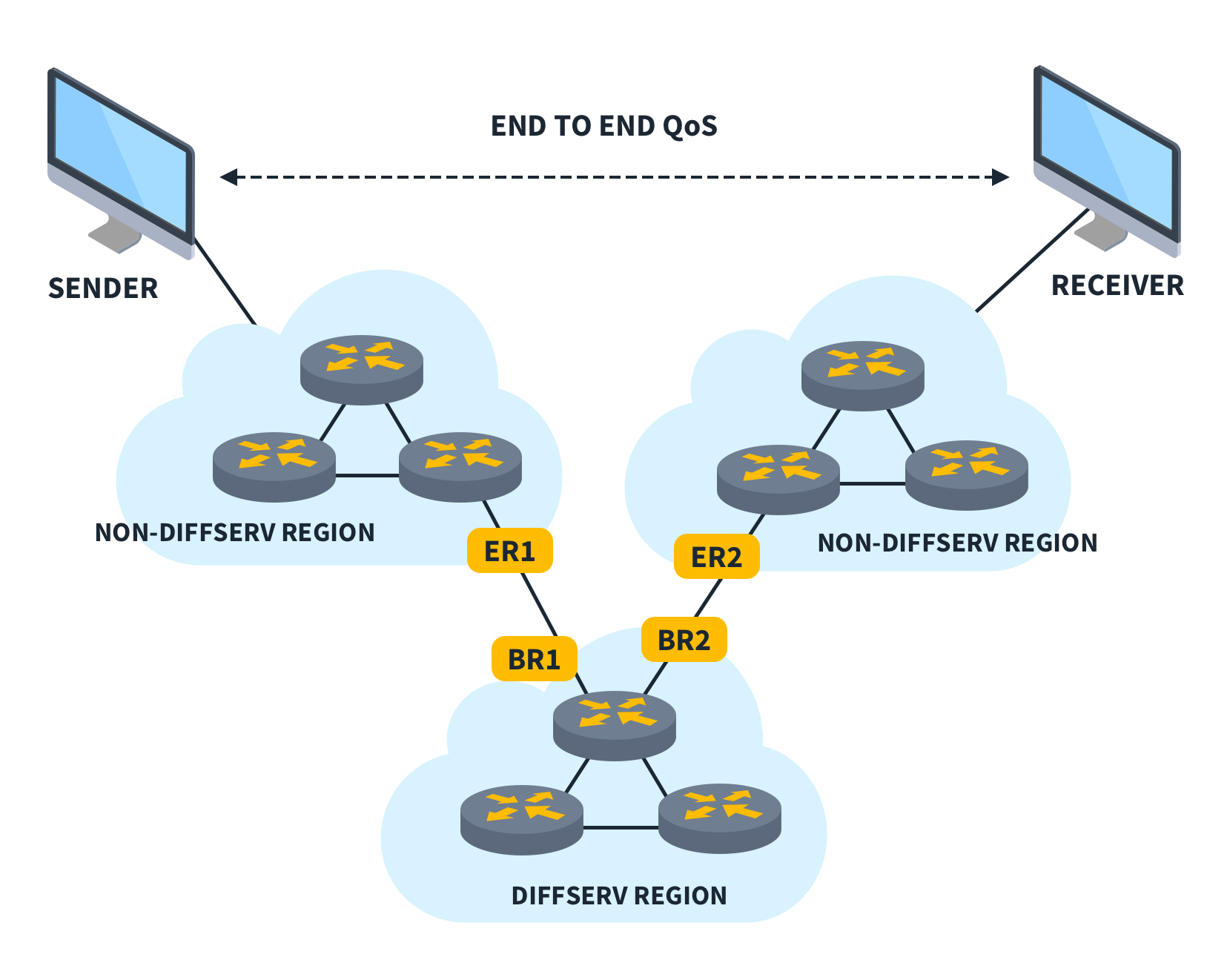
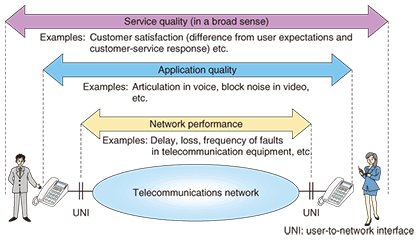
Quality of Service (QoS) refers to the enhancement of network service for selected traffic across technologies like Ethernet, Frame Relay, and IP-routed networks. Configuring a G network for QoS (Quality of Service) allows you to ensure that your applications receive predictable service levels, including data throughput capacity (bandwidth), latency variations (jitter), and delay.
How QoS Works
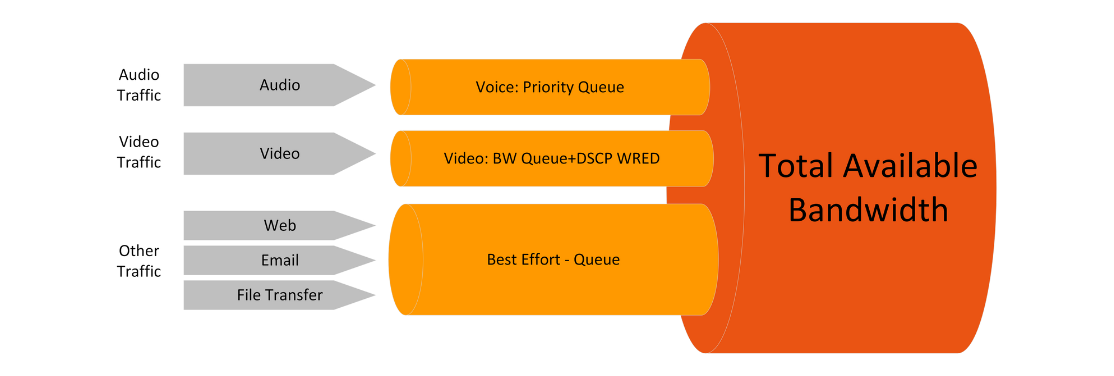
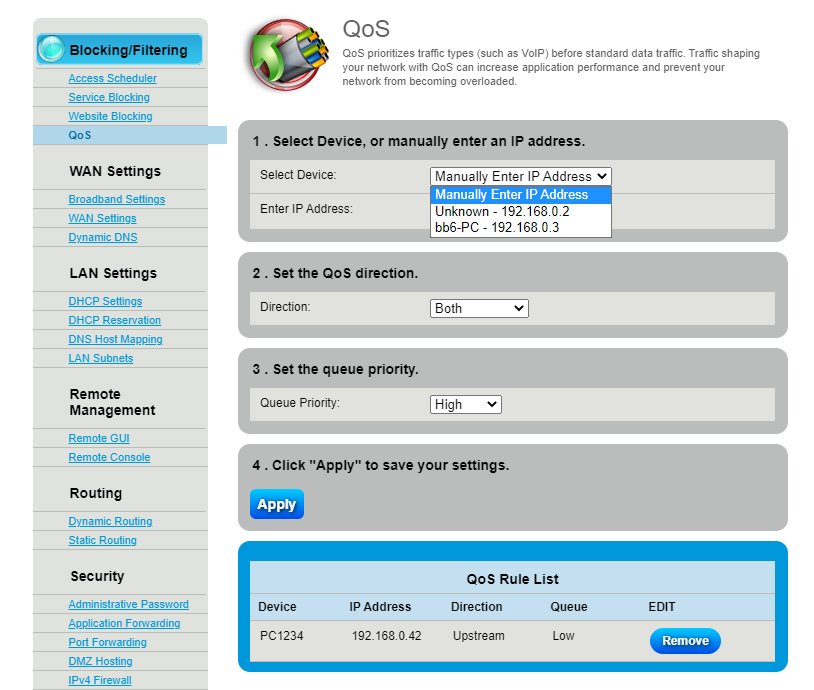
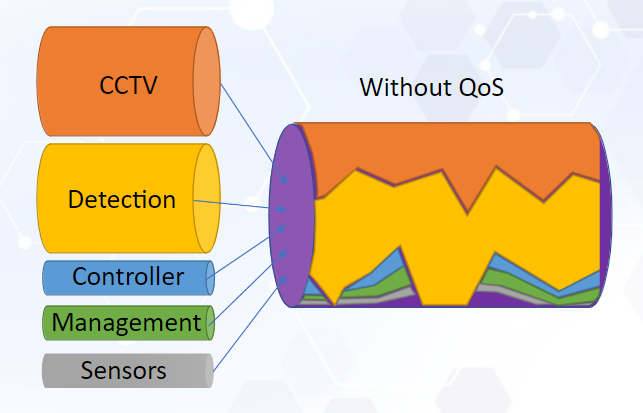
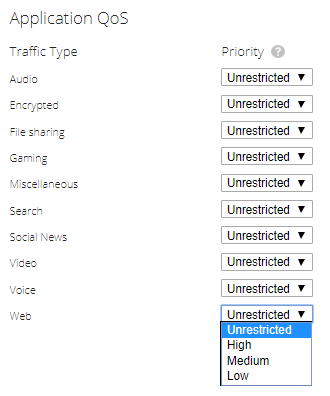
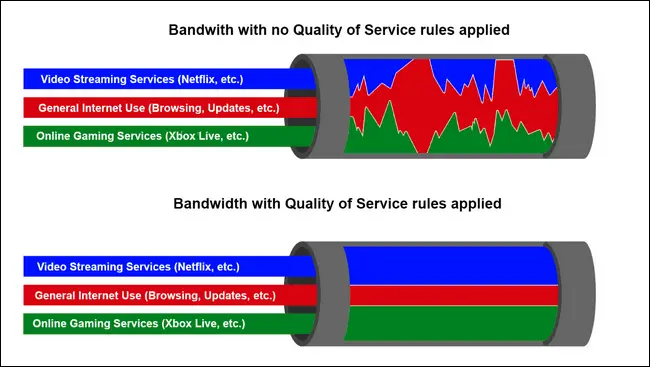
QoS manages network traffic to ensure the optimal delivery of important applications and services. It does this by prioritizing traffic and managing bandwidth allocation, preventing resource starvation and ensuring a predictable and efficient network environment. QoS is often used in applications such as online gaming, video conferencing, and voice over IP (VoIP).
Benefits of QoS
- Improved performance for critical applications
- Predictable and efficient network environment
- Prevents resource starvation and ensures optimal delivery of important applications and services
- Maximizes ROI on network infrastructure
Key Components of QoS
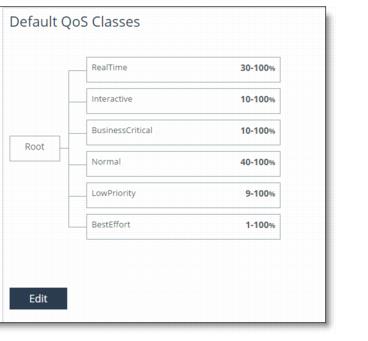
- Classification: Identifies traffic types and assigns them to a respective class of service.
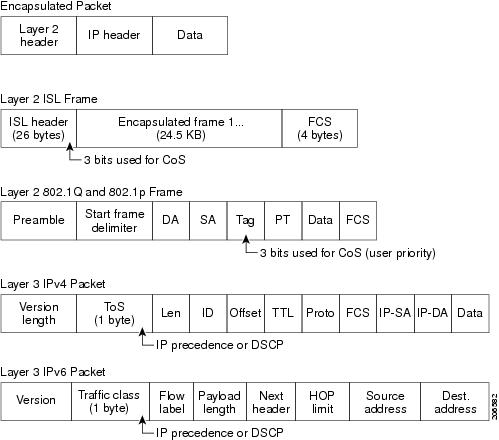
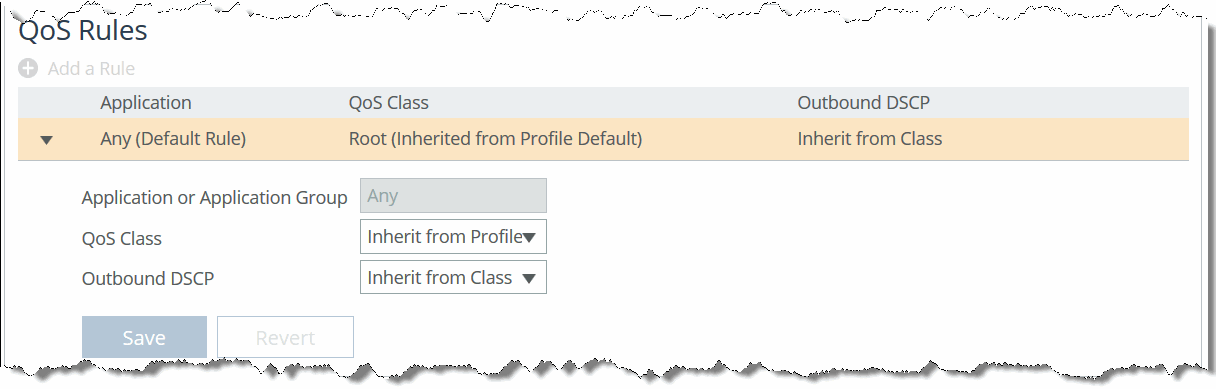
- Marking: Assigns a DSCP (DiffServ Code Point) value to mark packets, indicating their priority and service level.
- Queuing: Manages traffic by controlling the order in which packets are transmitted.
- Congestion avoidance and shaping: Prevents network congestion and ensures a consistent flow of traffic.
- Policing: Enforces network policies by regulating the transmission rate of traffic.