Configuring G Wireless Network for Precision Agriculture
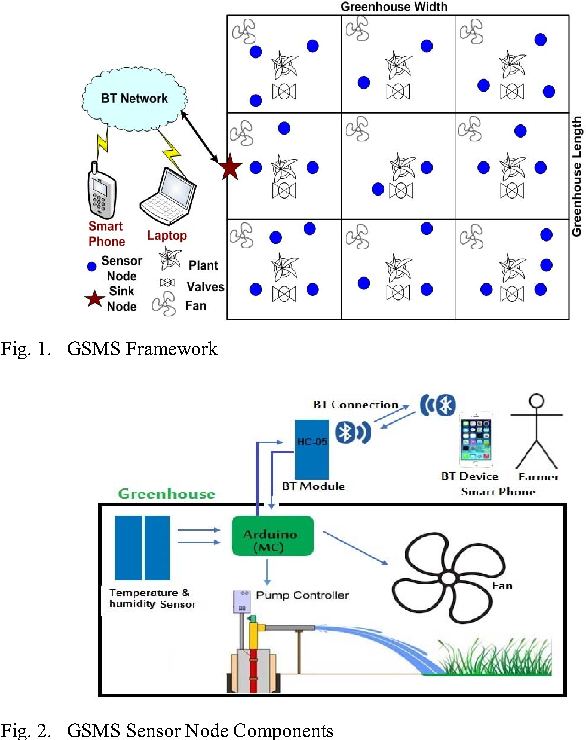
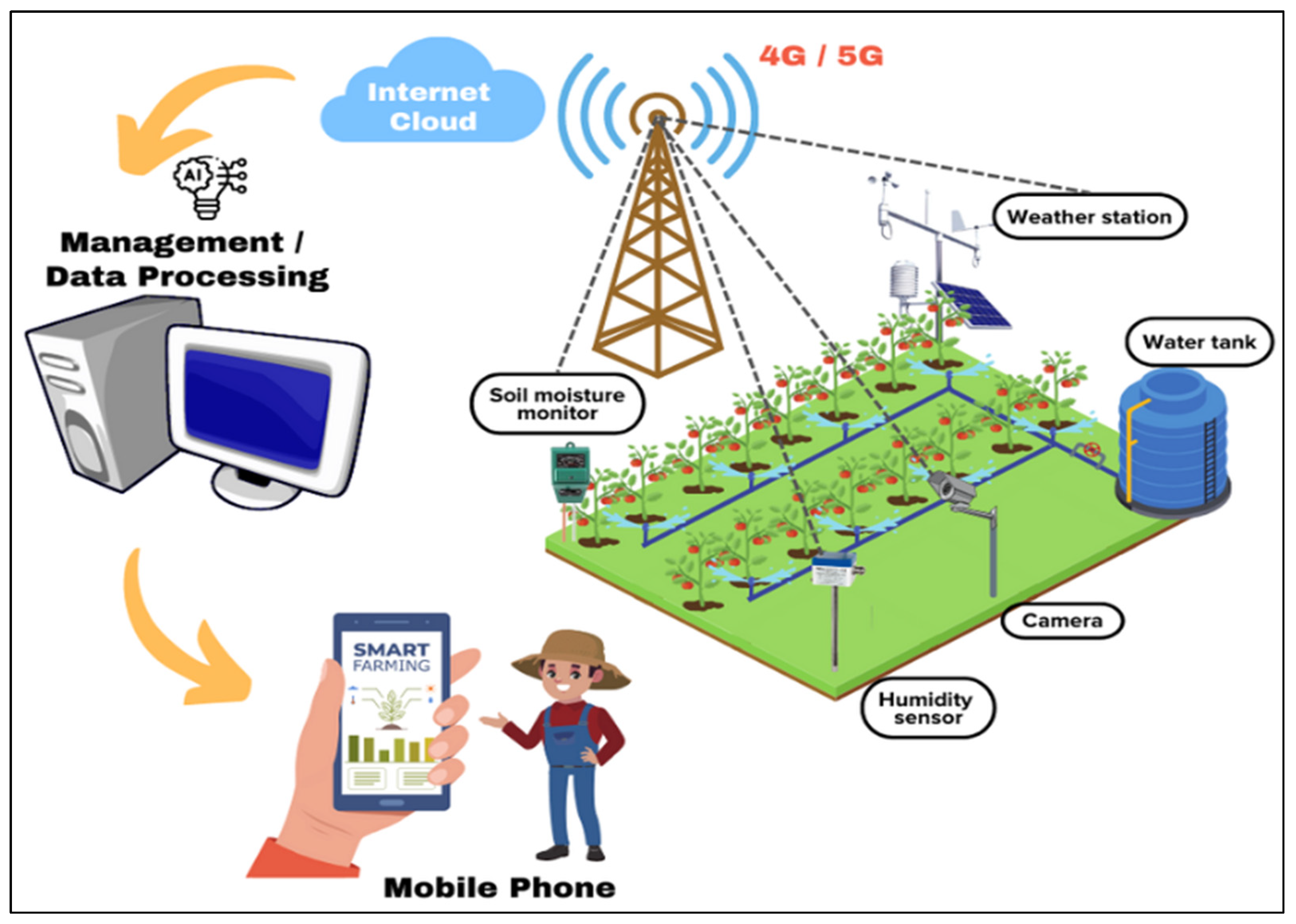
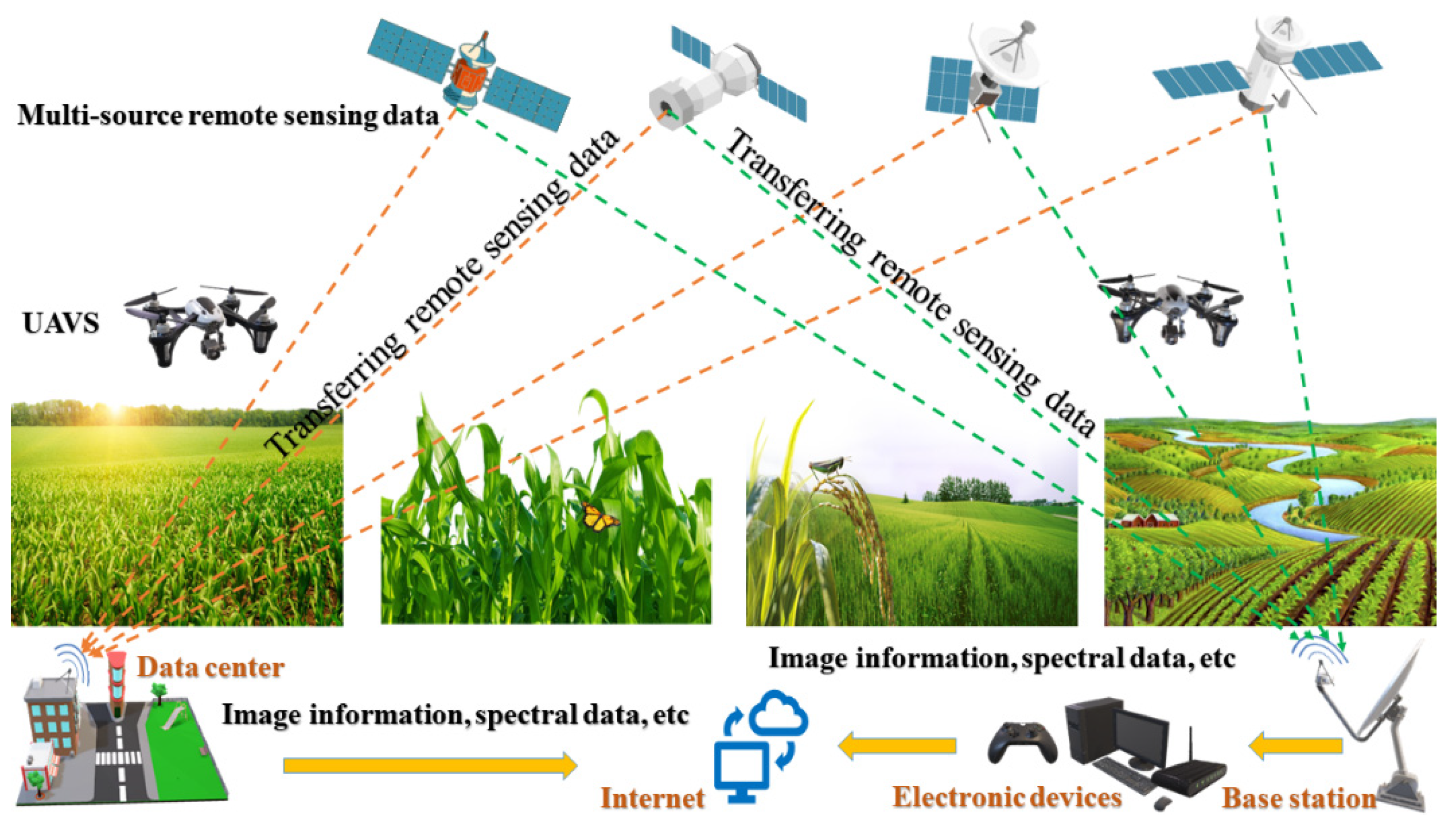
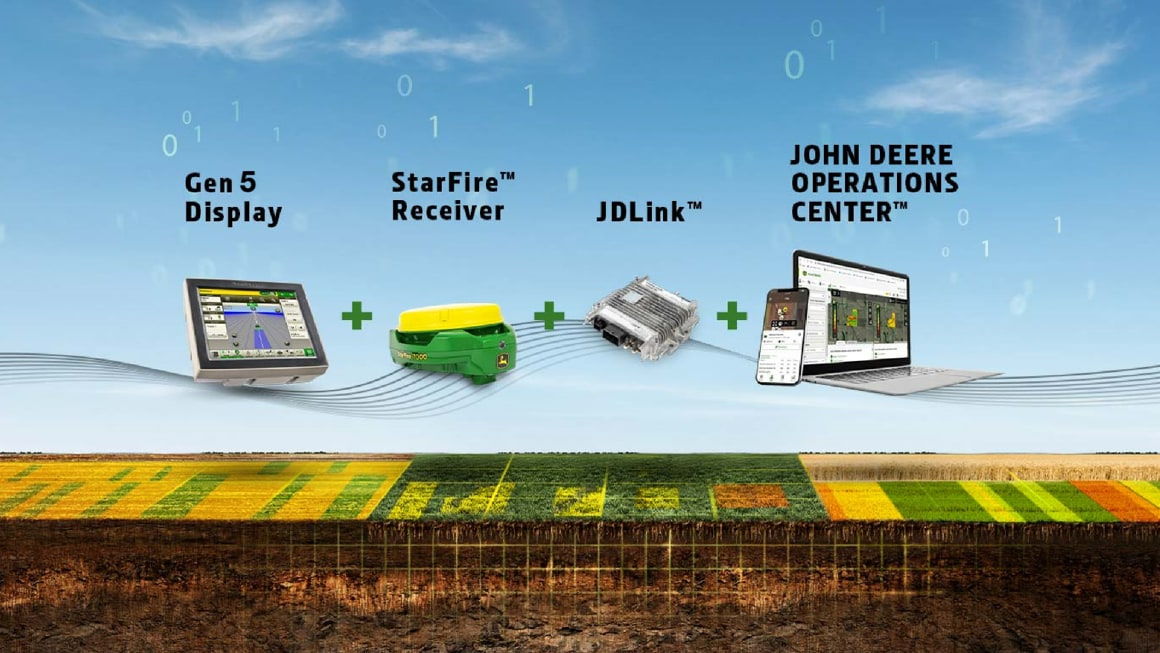
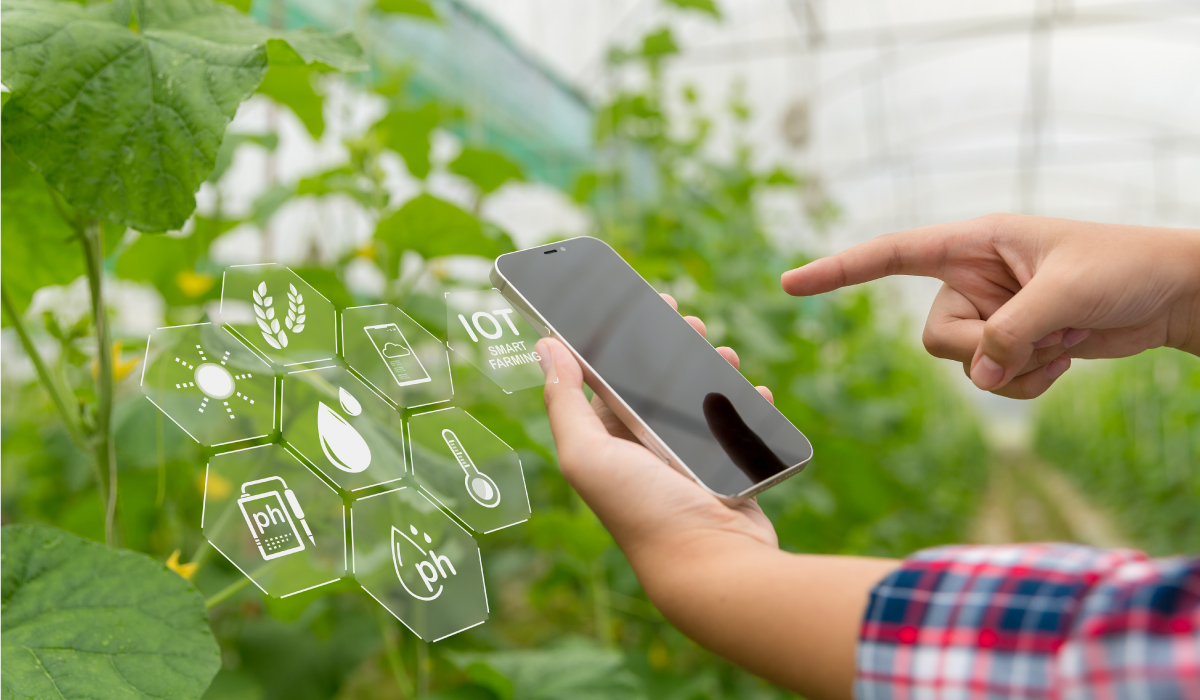
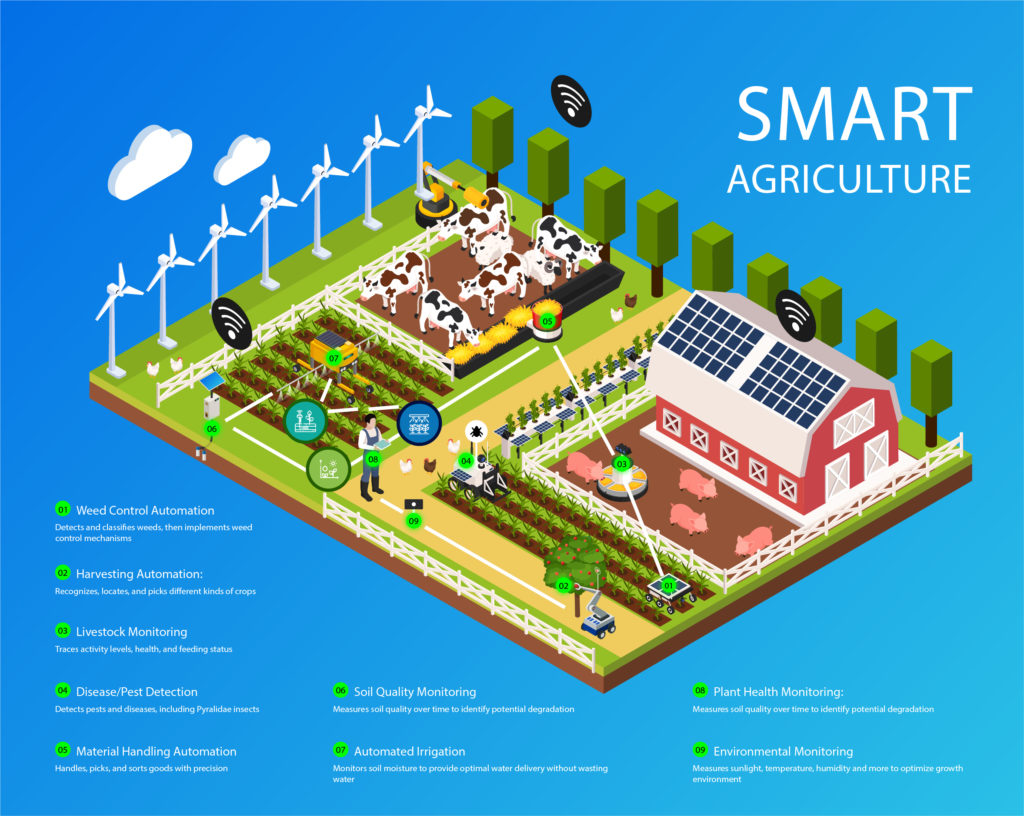
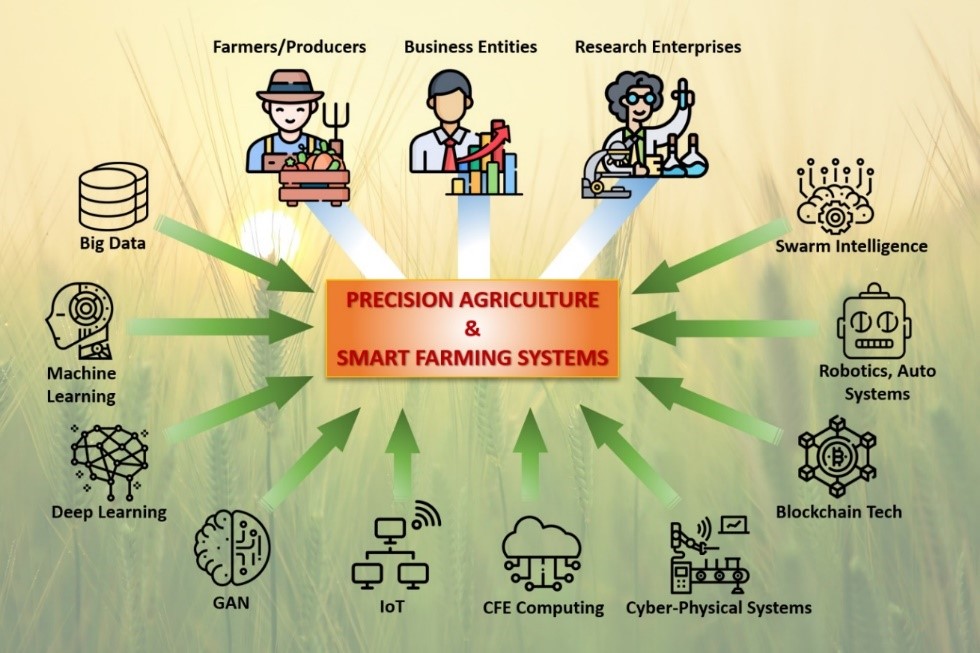
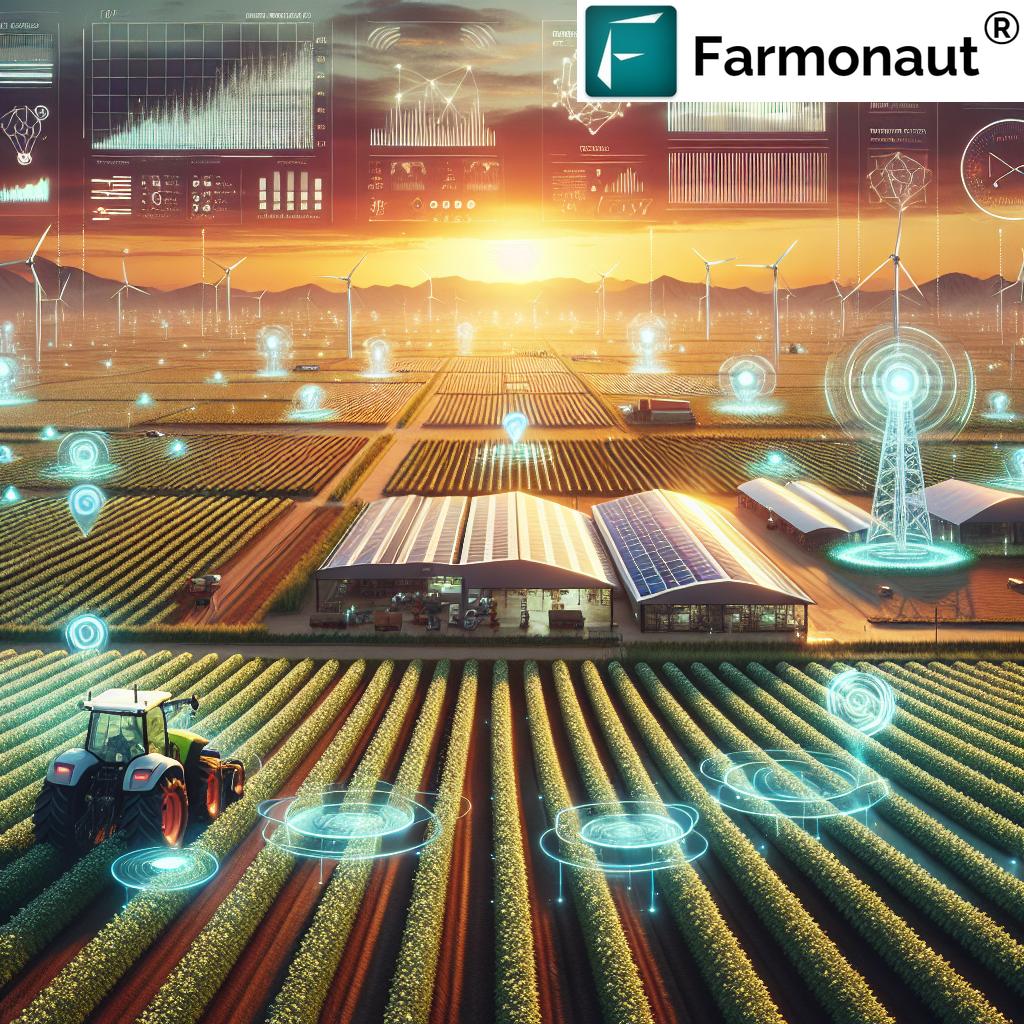
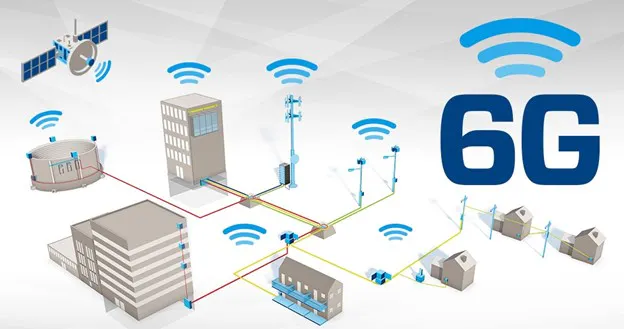
Precision agriculture is a farming approach that uses advanced technologies and data analysis to improve crop yields, reduce waste, and enhance decision-making. One key component of precision agriculture is the use of wireless sensor networks (WSNs) to collect and transmit data on various environmental and agricultural parameters. This article will focus on configuring G wireless network for precision agriculture, highlighting its benefits, challenges, and best practices.
Benefits of Wireless Sensor Networks in Precision Agriculture
- Real-time monitoring and control of agricultural and environmental parameters
- Improved crop yields and reduced waste through data-driven decision-making
- Enhanced resource management through optimized water, fertilizer, and pest control
- Increased efficiency and productivity through automation and remote monitoring
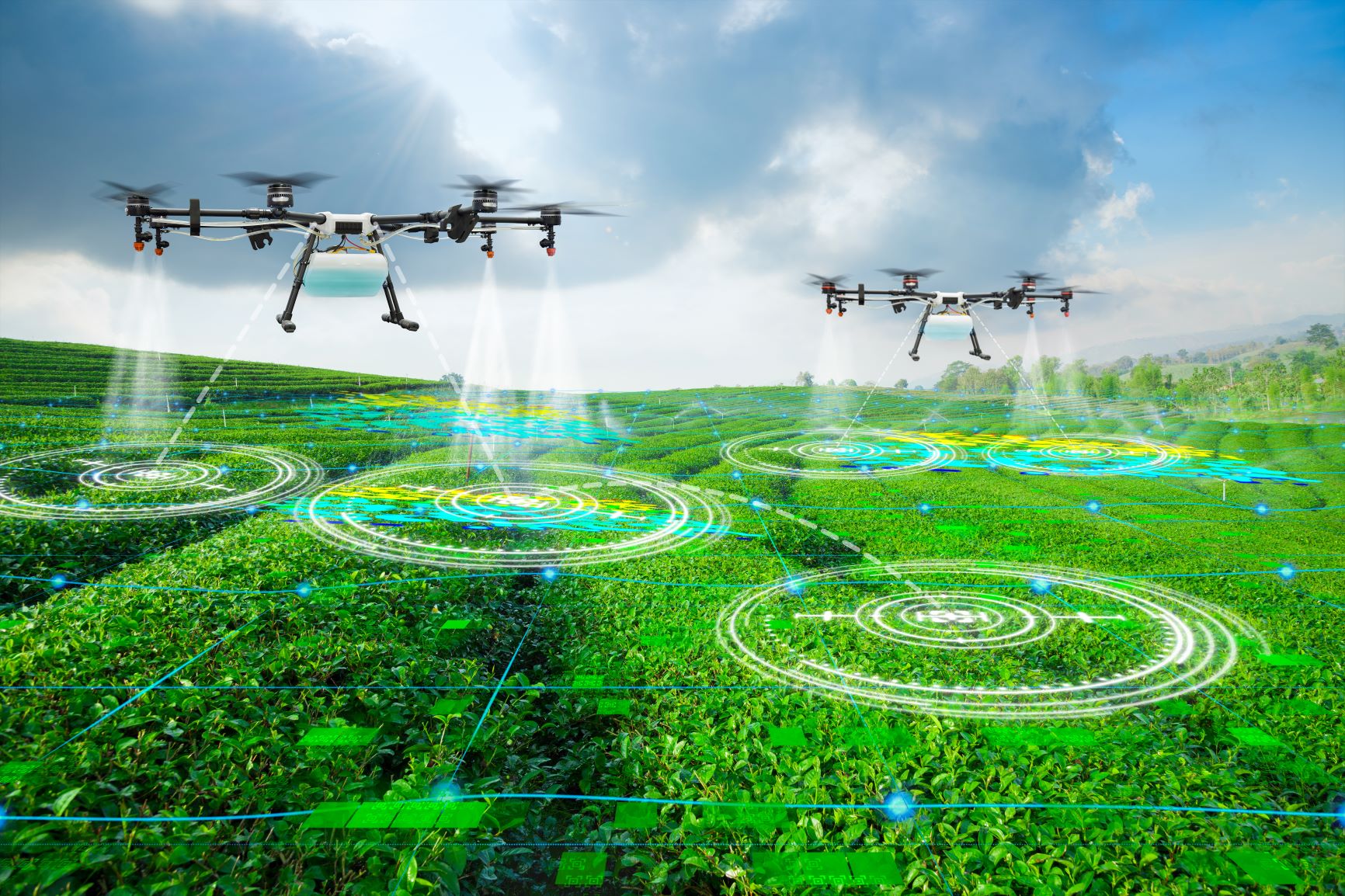
- Reduced labor costs and improved working conditions through the use of unmanned aerial vehicles (UAVs)
Challenges of Configuring G Wireless Network for Precision Agriculture
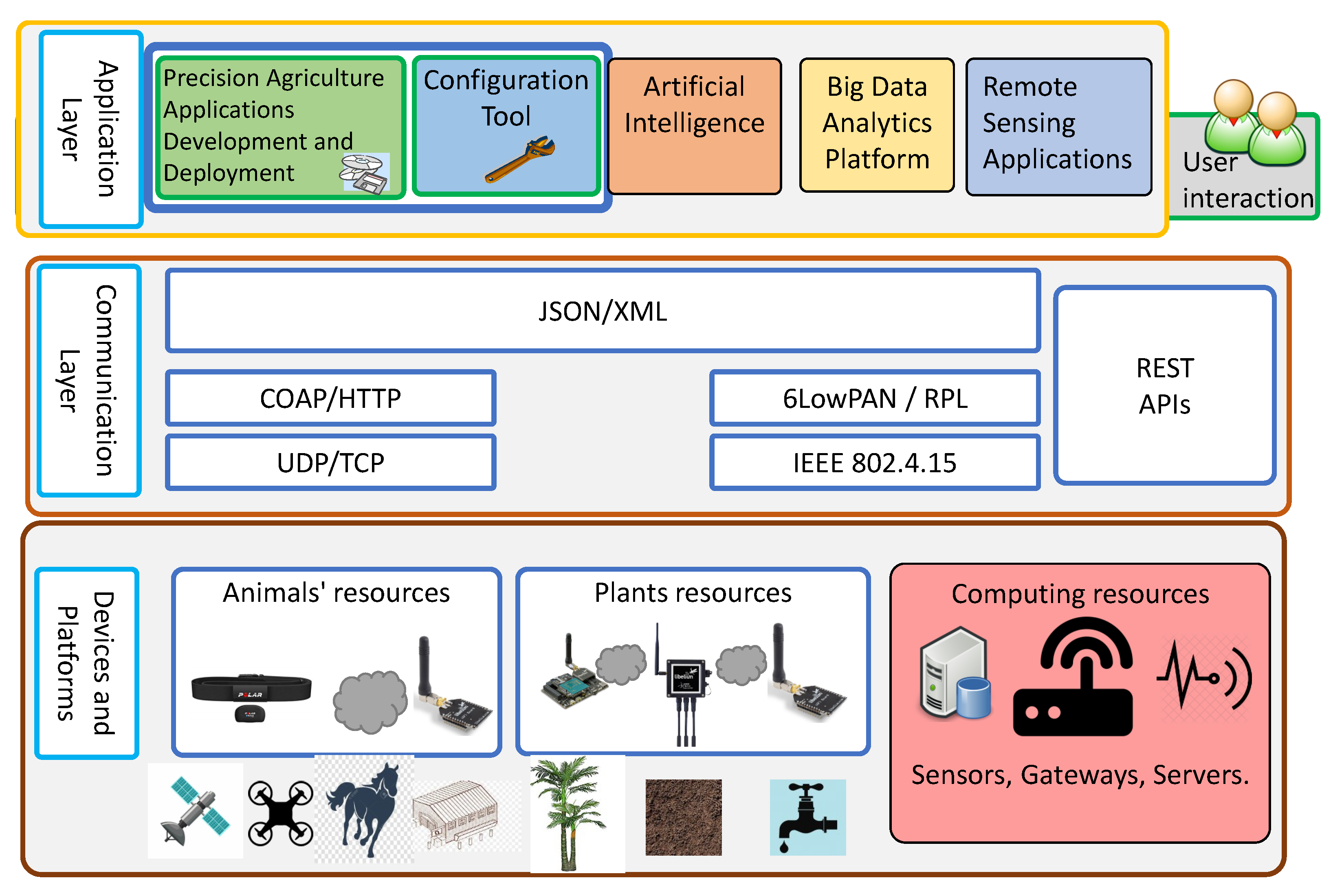
- Interoperability issues between different sensor types and devices
- Data transmission delays and packet loss due to environmental interference and signal strength
- Security concerns related to data privacy and unauthorized access
- Scalability and energy efficiency of the wireless network
- Standardization and compatibility issues between different wireless network technologies
Best Practices for Configuring G Wireless Network for Precision Agriculture
- Choose a wireless network technology that is suitable for the specific application and environment, such as LoRaWAN or ZigBee
- Implement a network topology that is scalable, reliable, and energy-efficient, such as a star or mesh topology
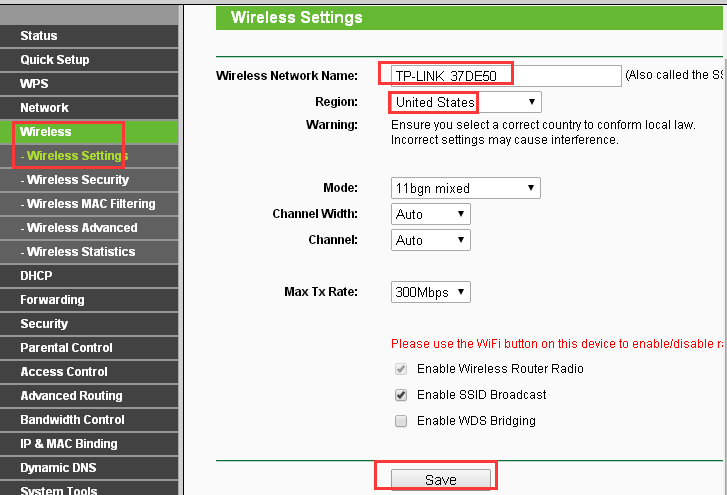
- Use encryption and secure authentication protocols to ensure data privacy and prevent unauthorized access
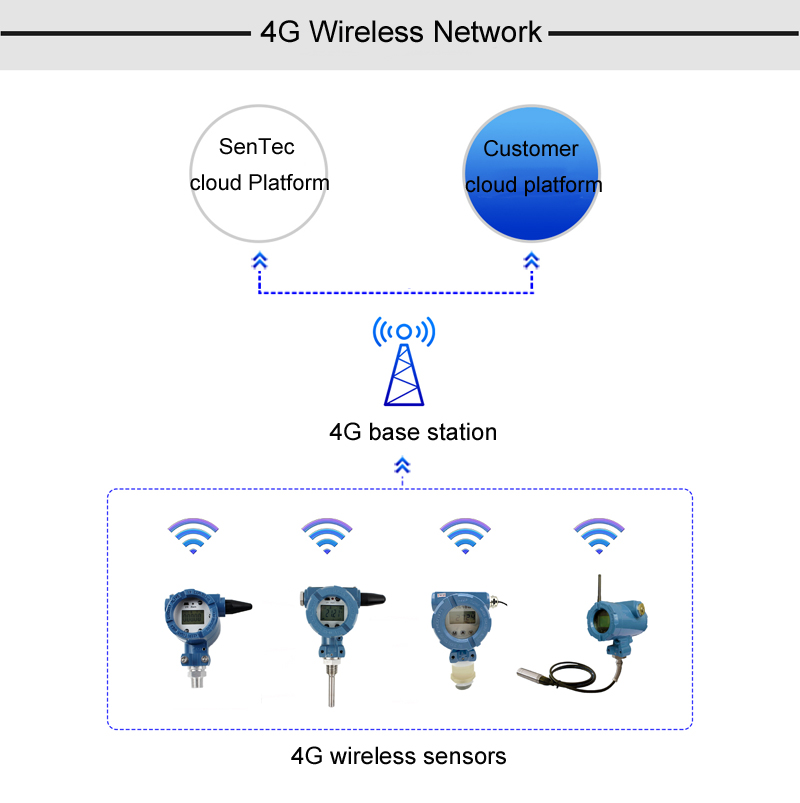
- Implement a data storage and transmission system that is capable of handling large amounts of data, such as a cloud platform or a local server
- Develop and implement data analysis and visualization tools to enable real-time decision-making and improve crop productivity