Carbon Offset and Sustainable Development: A Necessity for a Brighter Future
As the world continues to grapple with the challenges of climate change, carbon offsetting has become an increasingly popular solution to mitigate the impact of our daily activities on the environment. However, there is more to carbon offsetting than meets the eye. To truly make a difference, we need to explore the complex relationship between carbon offsetting and sustainable development.
What is Carbon Offsetting?
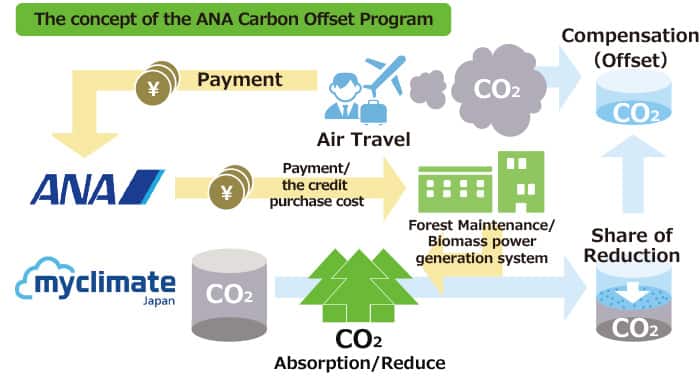
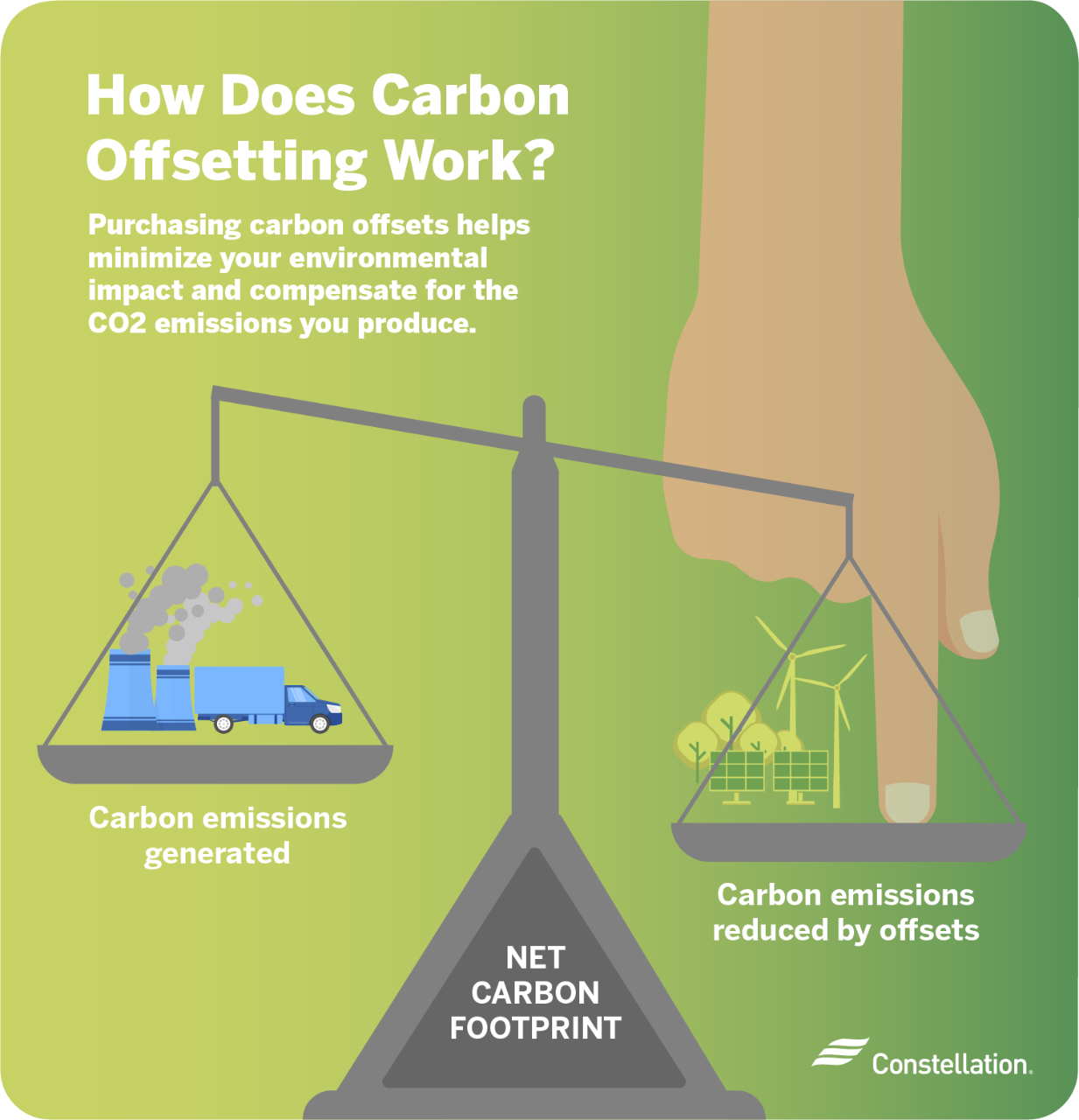
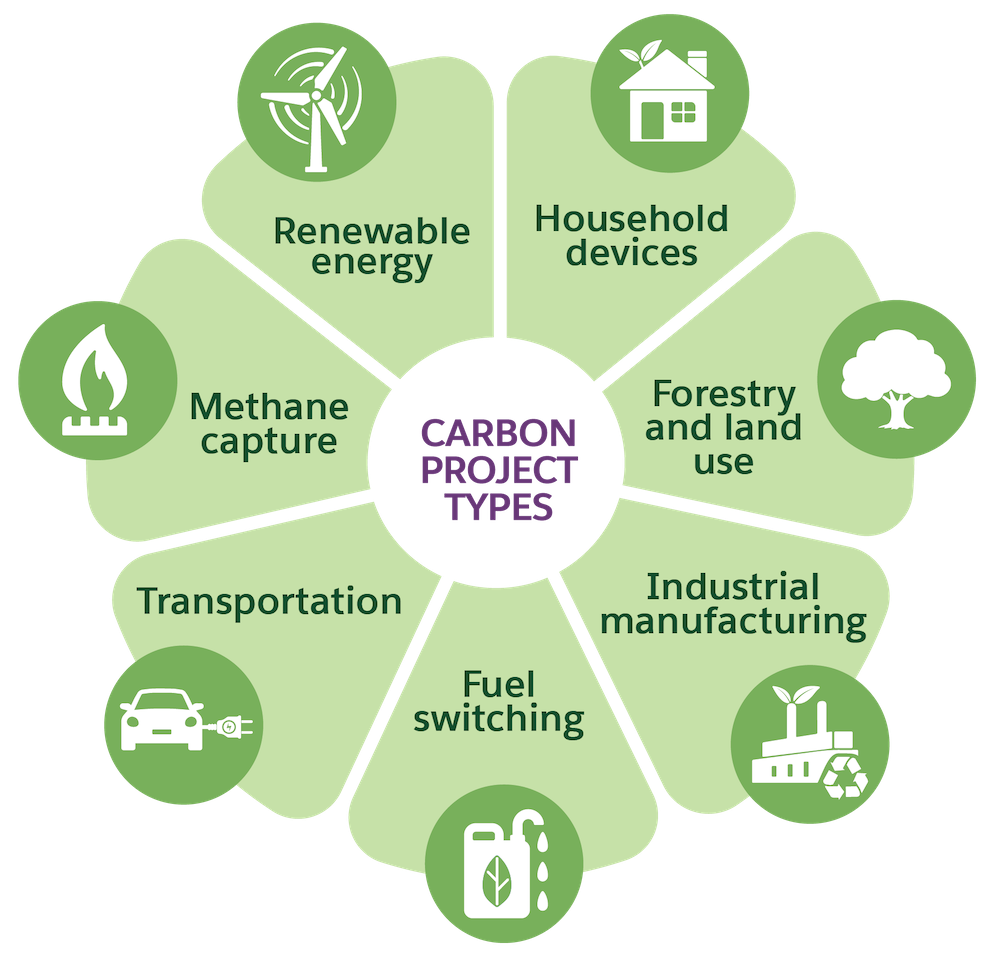
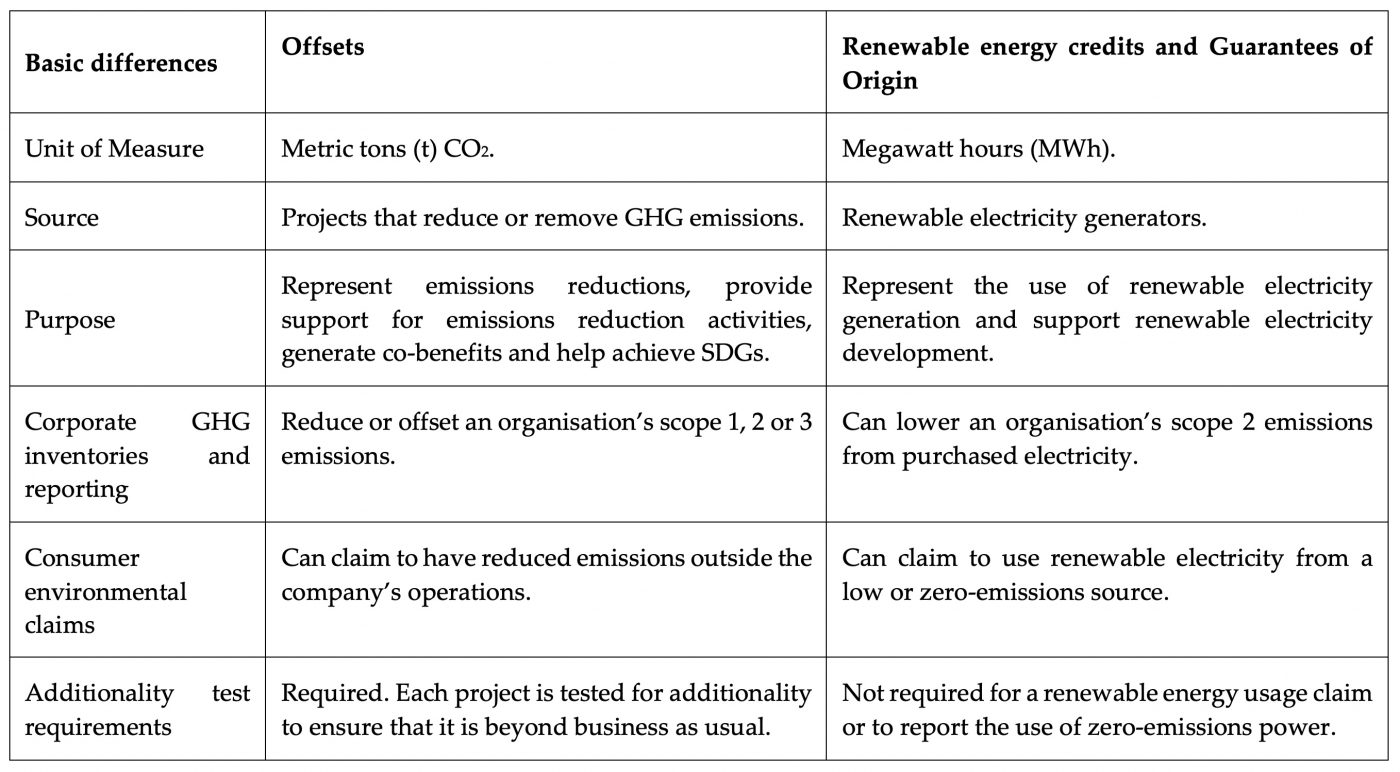
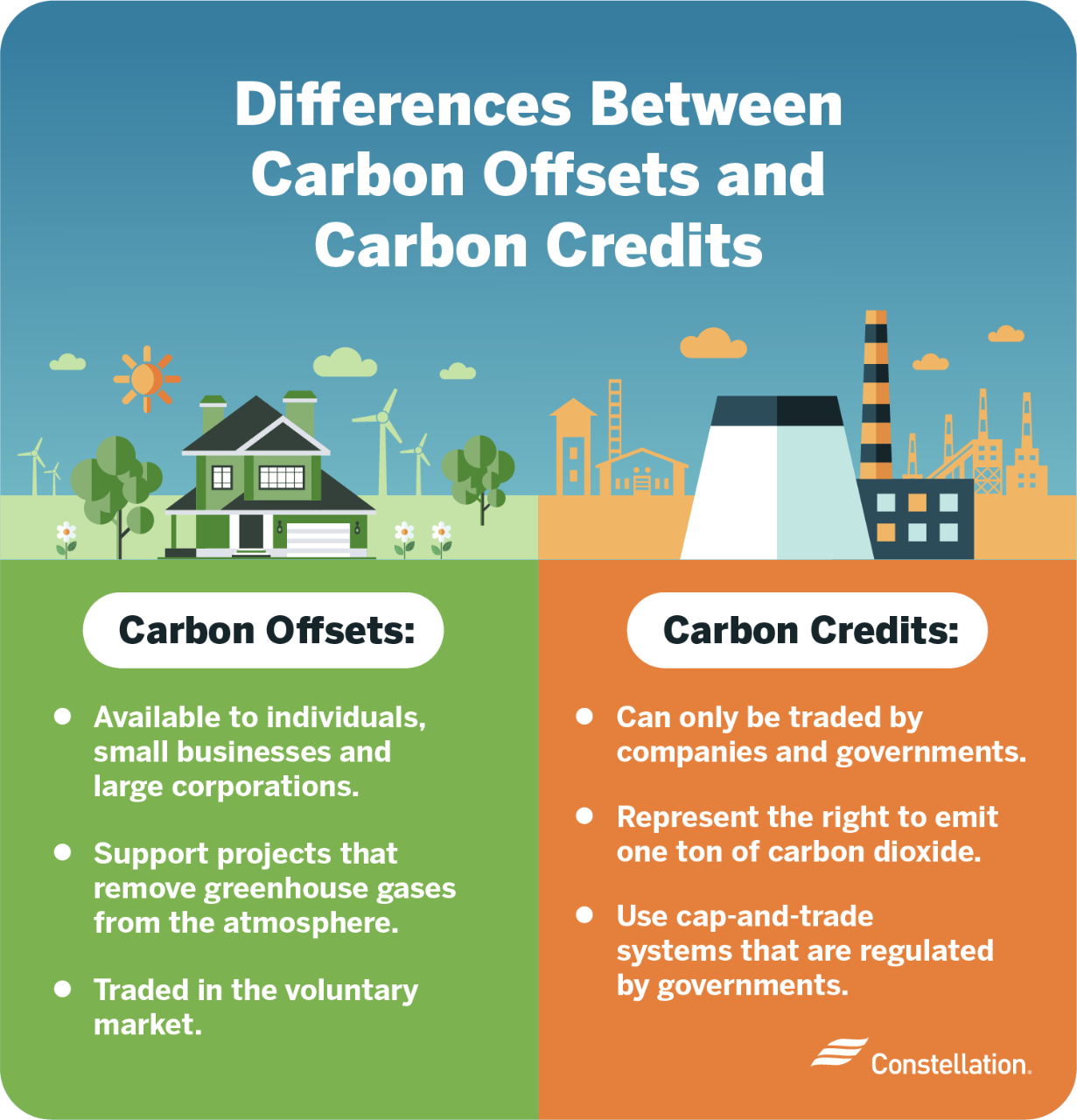
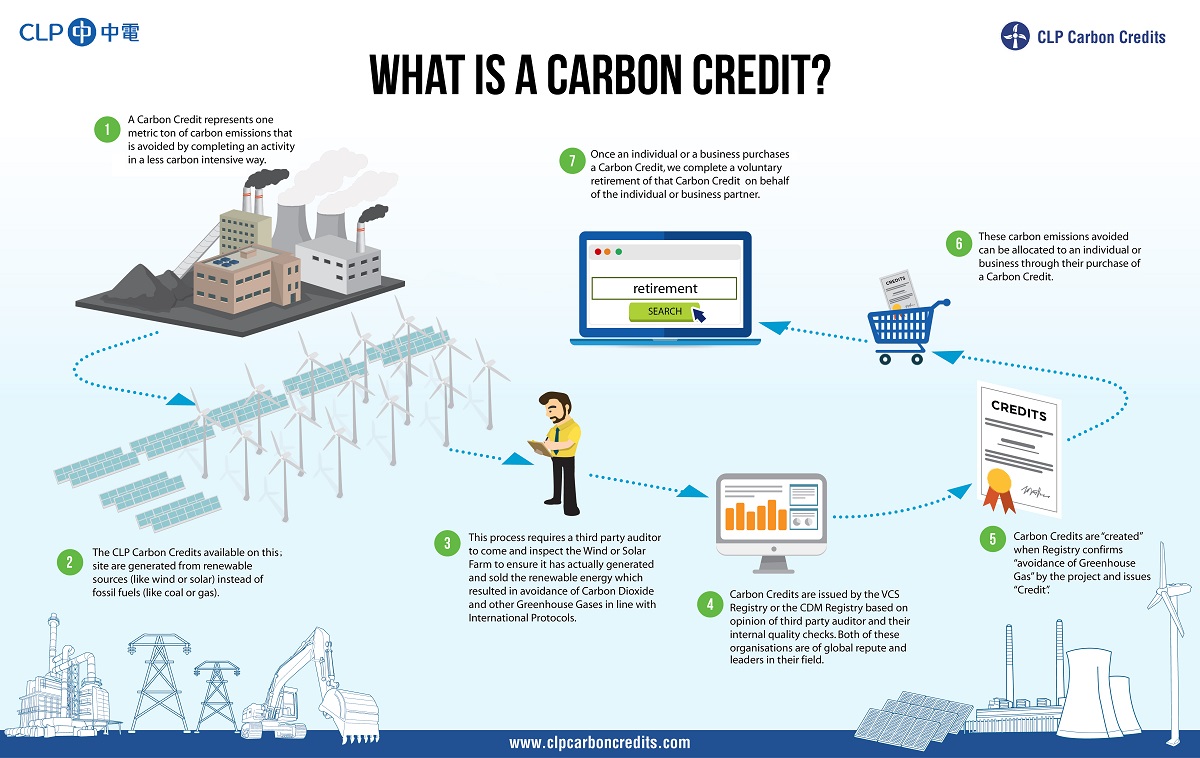
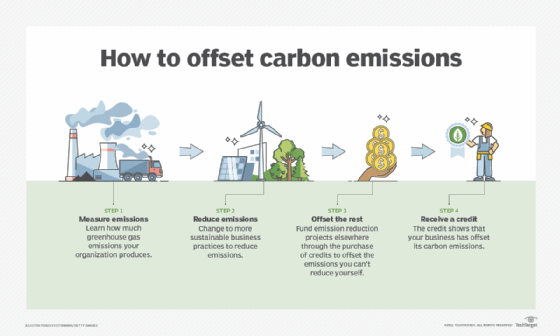
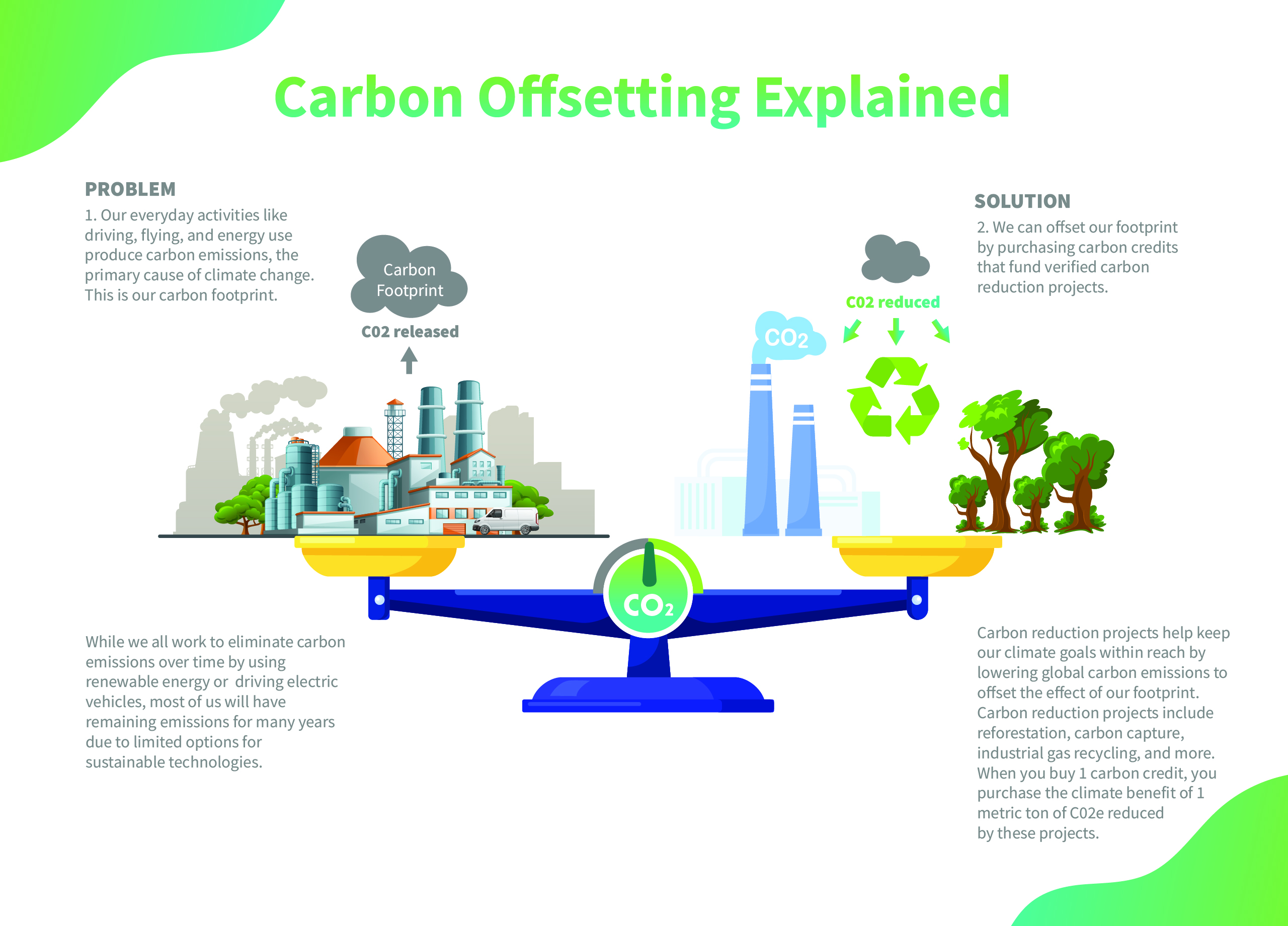
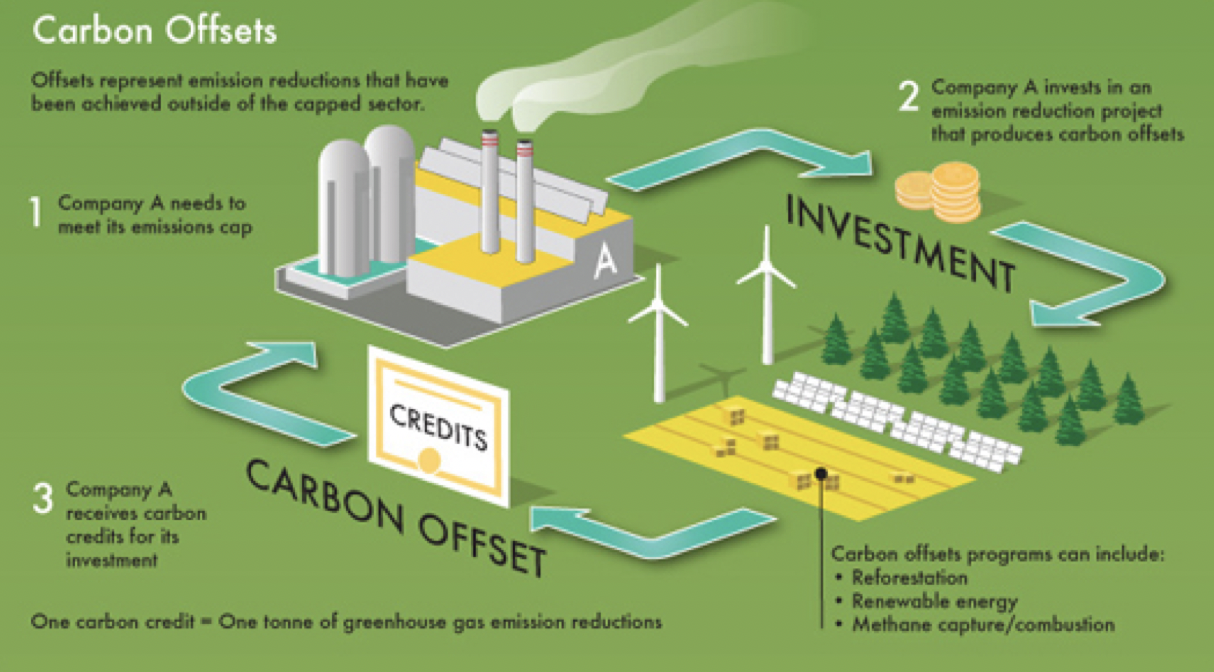
Carbon offsetting, in simple terms, is a process where an individual or organization compensates for their greenhouse gas emissions by investing in projects that reduce or eliminate emissions elsewhere. This creates a balance between the emissions produced and the emissions reduced, ensuring that the net impact on the atmosphere is zero. The World Wildlife Fund defines carbon offsets as "activities that reduce greenhouse gas emissions or remove carbon dioxide from the atmosphere, verified by a third-party organization."
Key Standards for Carbon Offsetting
- Gold Standard: This is one of the most widely recognized carbon offsetting standards, which focuses on sustainable development and additional social and environmental benefits alongside carbon reduction.
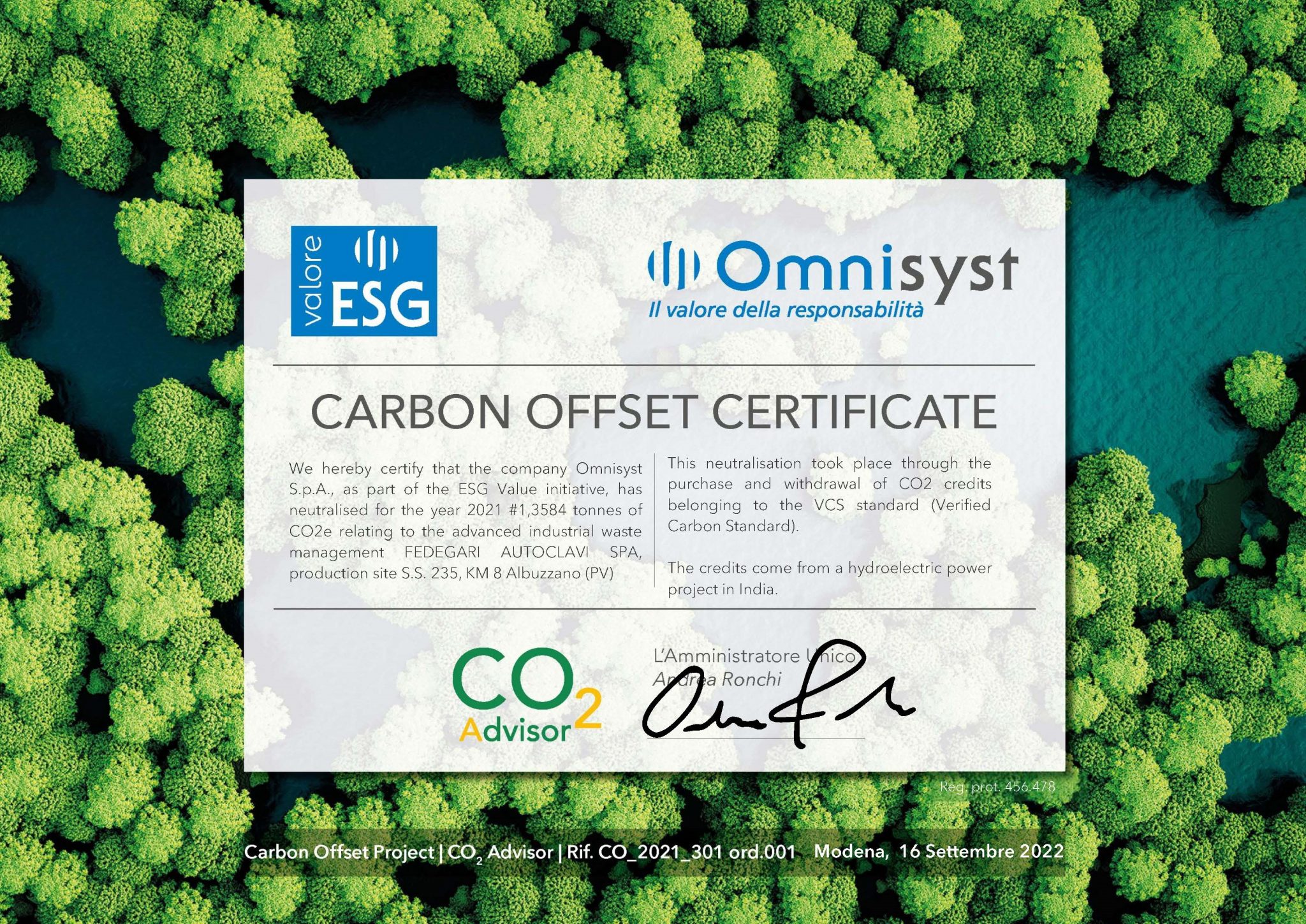
- Verified Carbon Standard (VCS): The VCS Program is the world's most widely used greenhouse gas crediting program, driving finance toward activities that reduce and remove emissions, improve livelihoods, and protect nature.
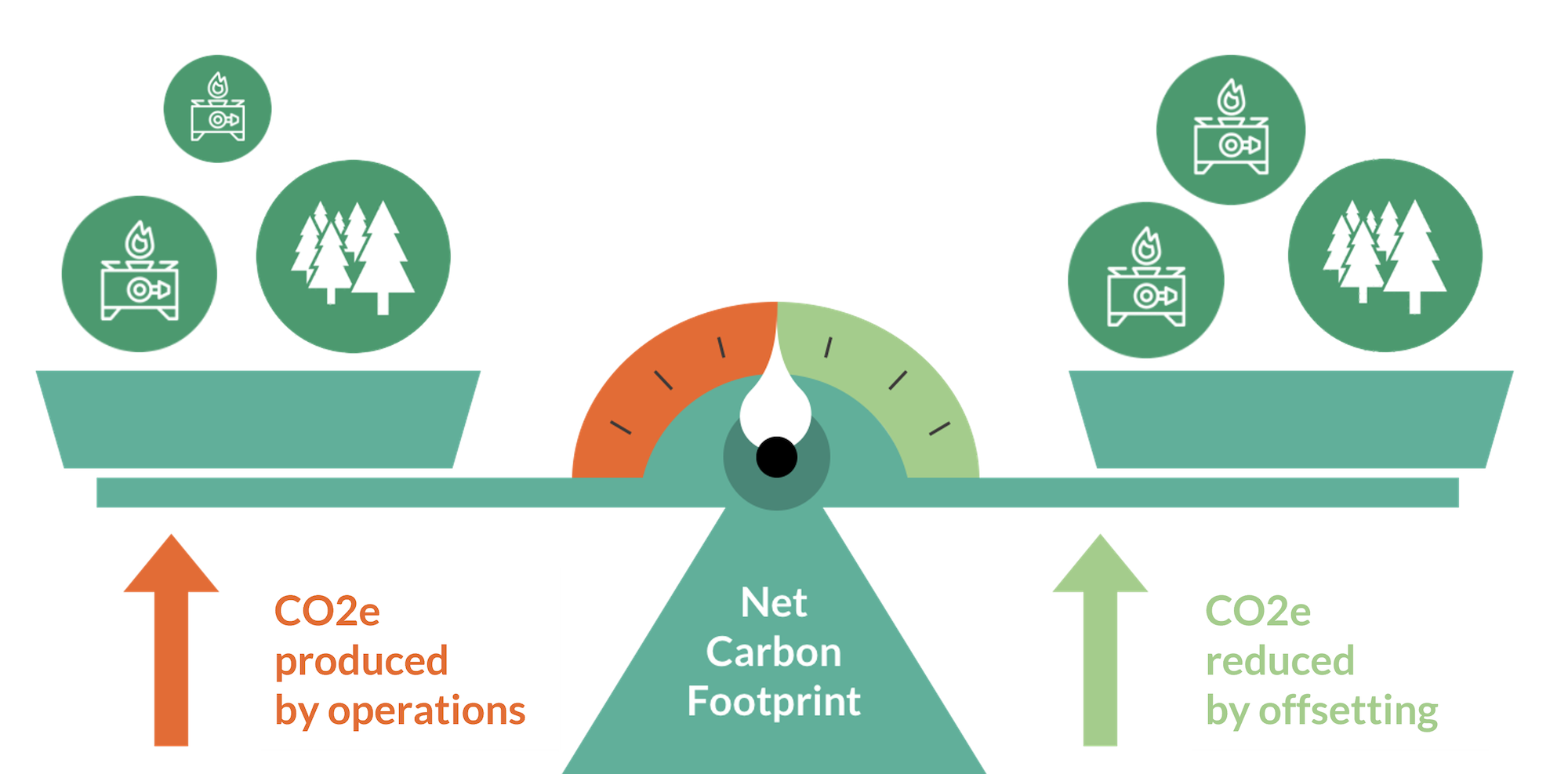.png "Carbon Offsets Explained | Climate Impact Partners")