Flight Times for Different Drone Batteries: What You Need to Know
Discovering the ins and outs of drone batteries is essential for any UAV enthusiast or commercial operator. From understanding the differences between LiPo vs. Li-ion batteries to calculating flight times, knowing how to choose the right battery can make all the difference in your aerial adventures. In this article, we'll delve into the world of flight times for different drone batteries, exploring the factors that affect flight time, the importance of battery safety, and more.
Factors Affecting Flight Time

When it comes to flight times, there are several factors that come into play. The type of battery used, the weight of the payload, environmental conditions, and flight patterns all influence how long your drone can stay airborne during missions. Let's break it down:
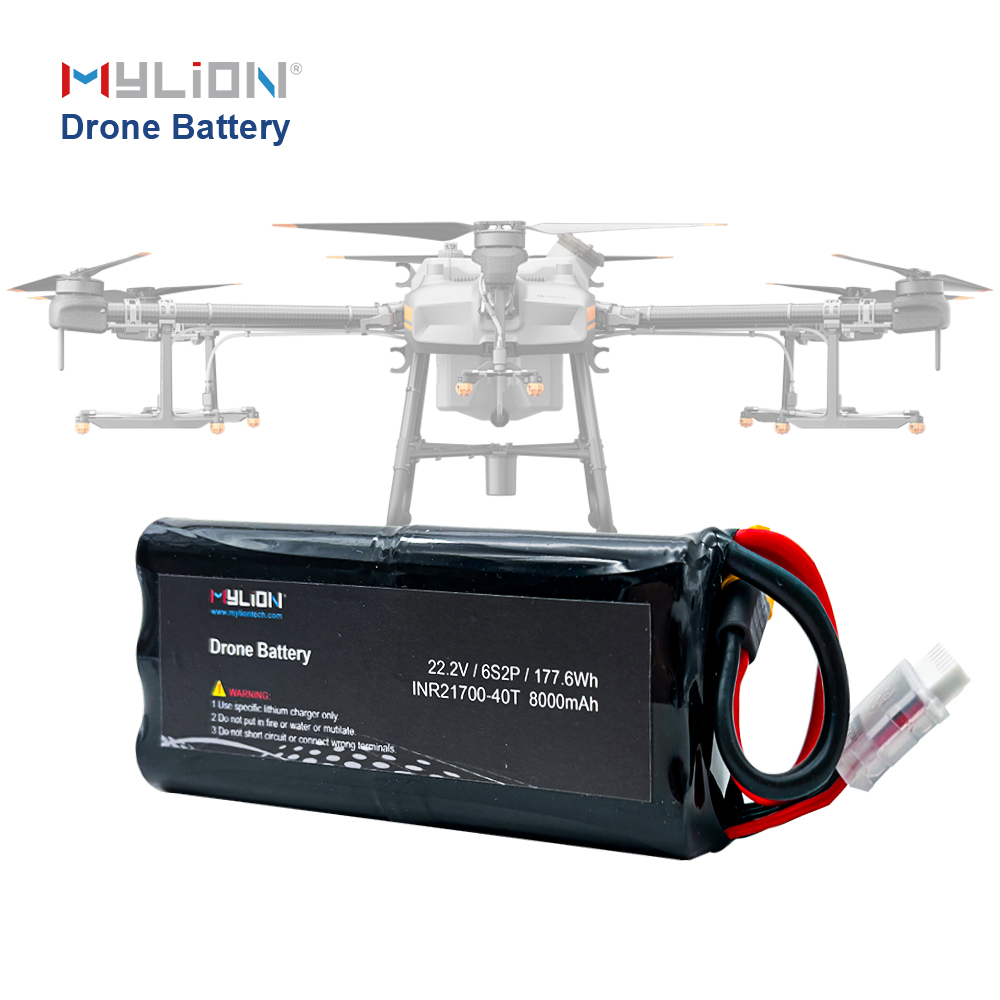
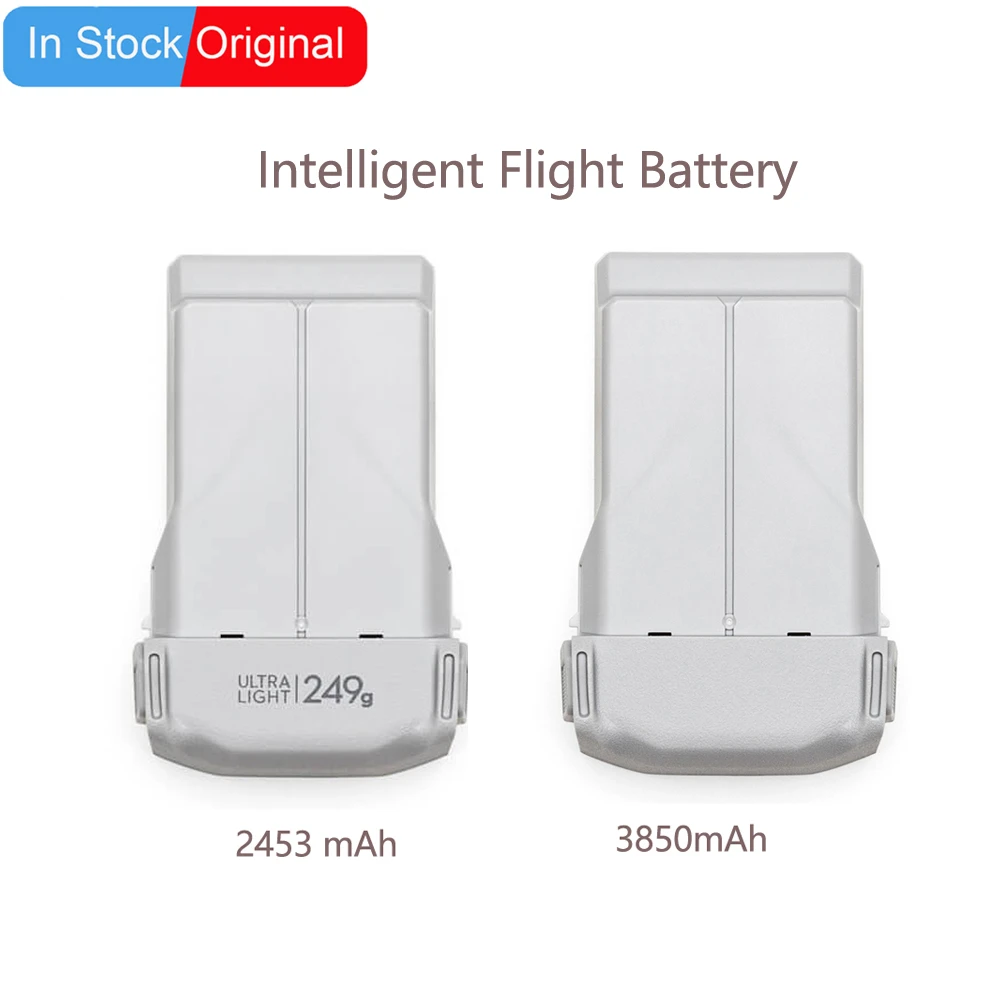
- **Battery Capacity**: The capacity of the battery measured in watt-hours (Wh) or ampere-hours (Ah) directly affects flight time. Higher-capacity batteries provide more power for longer flights.
- **Payload Weight**: The weight of the payload, including the camera, sensors, and any other equipment, reduces the drone's overall power-to-weight ratio, impacting flight time.
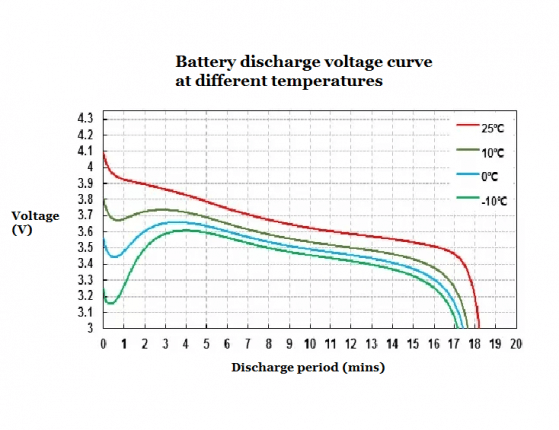
- **Environmental Conditions**: Temperature, humidity, and air pressure all influence battery performance and, subsequently, flight time.
- **Flight Patterns**: Aggressive flying, turbulence, and wind resistance can reduce flight time, while smooth, steady flight patterns can prolong it.