Understanding Blood Sugar Levels on a Low-Carb Diet
When it comes to managing blood sugar levels, many people turn to a low-carb diet as a viable solution. But how do these diets impact blood sugar levels, and are they truly effective in achieving better blood sugar control? In this article, we'll delve into the world of low-carb diets and explore the relationship between carbohydrate intake and blood sugar levels.
What is a Low-Carb Diet?
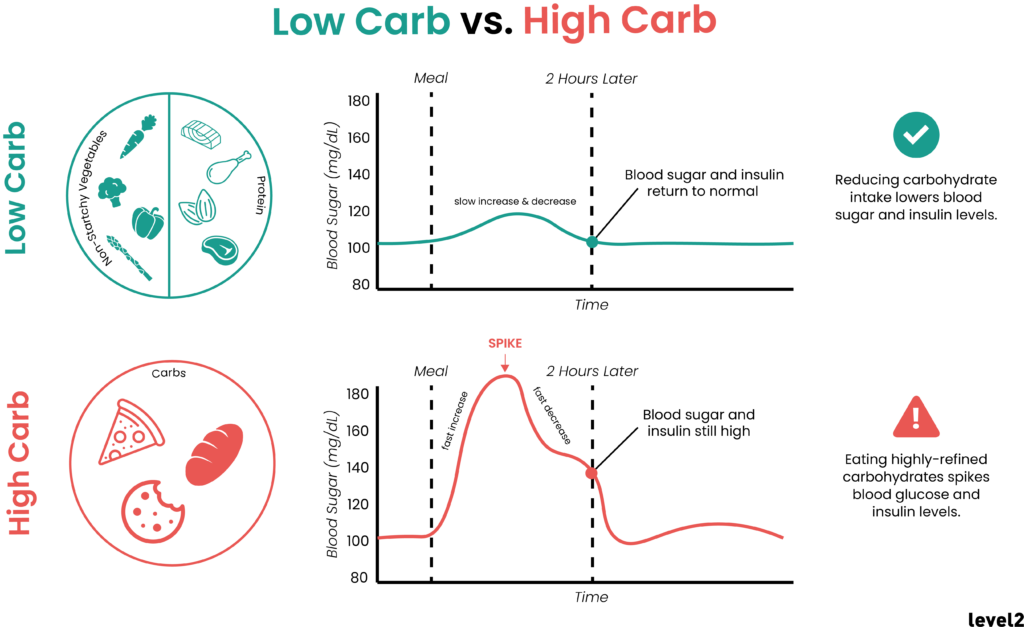
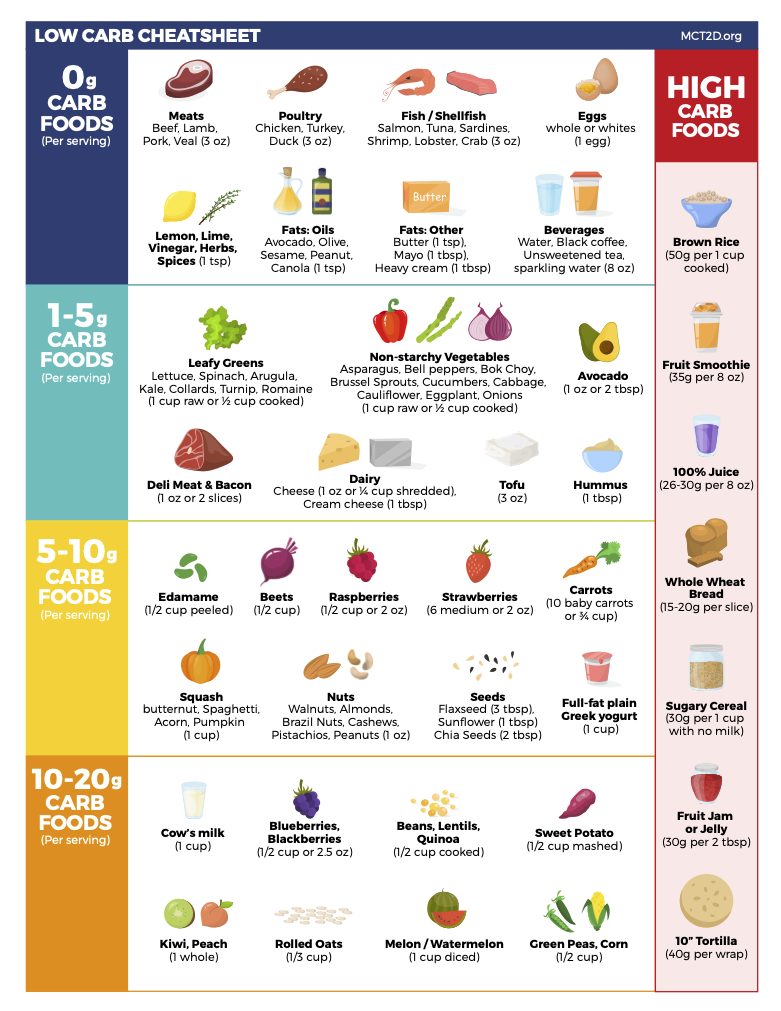
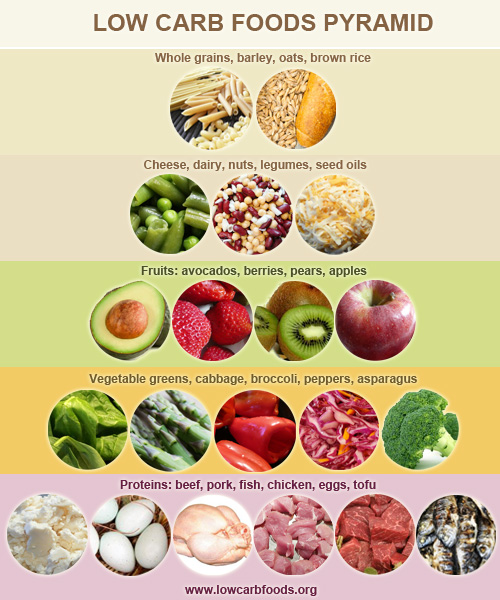
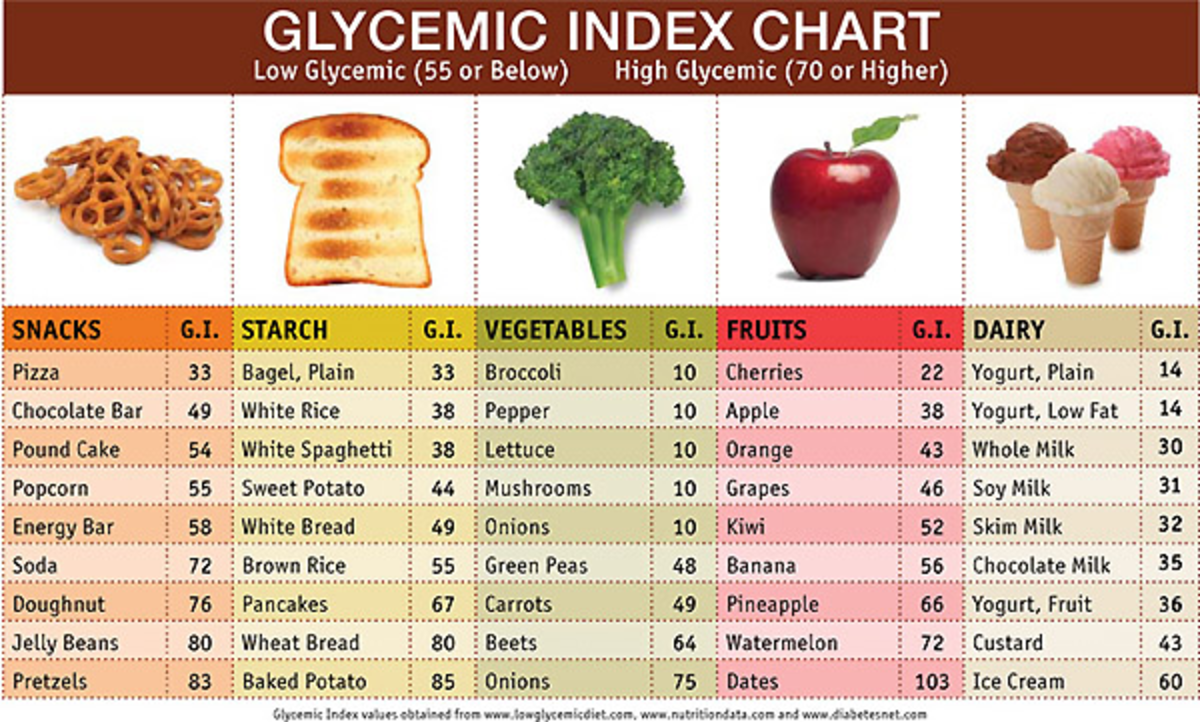
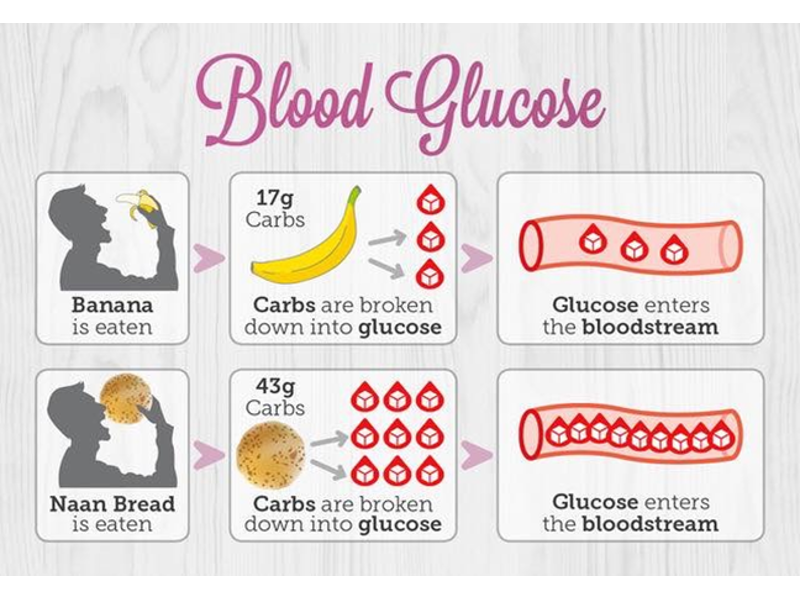
A low-carb diet is a nutritional approach that restricts the intake of carbohydrates, which are known to rapidly raise blood sugar levels. By minimizing carbohydrate consumption, a low-carb diet can help individuals with diabetes or pre-diabetes to stabilize their blood sugar levels and reduce insulin resistance.
How do Low-Carb Diets Impact Blood Sugar Levels?

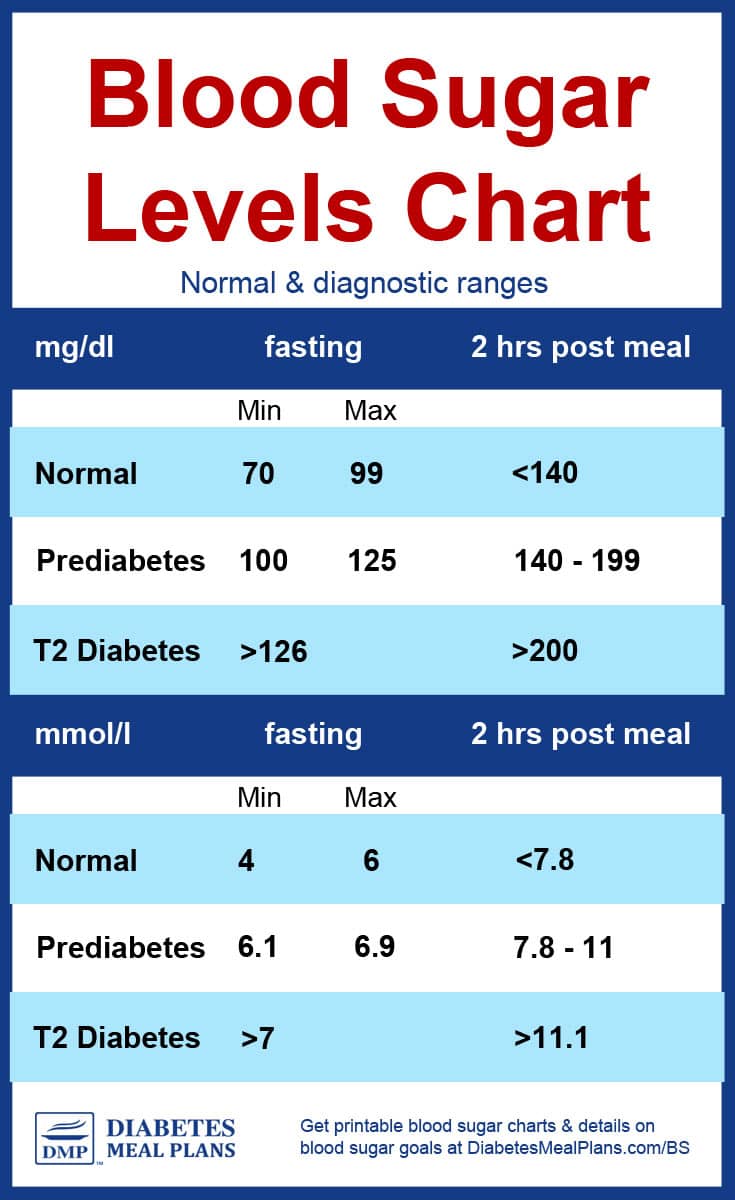
Studies have shown that following a low-carb diet can lead to more stable blood sugar levels, particularly in individuals with diabetes or pre-diabetes. By reducing carbohydrate intake, individuals on a low-carb diet may experience lower fasting blood sugar levels, improved insulin sensitivity, and reduced insulin resistance.
Types of Low-Carb Diets
- Very Low-Carb Diets: These diets restrict carbohydrate intake to 20-50 grams per day, resulting in rapid weight loss and improved blood sugar control.
- Low-Carb Diets: These diets restrict carbohydrate intake to 50-100 grams per day, promoting weight loss and improved blood sugar control while allowing for some flexibility in carbohydrate intake.
- Ketogenic Diets: These high-fat, low-carb diets cause the body to enter a state of ketosis, resulting in improved blood sugar control, weight loss, and increased energy levels.