Voicing Executive Function for Emergency Situations
Emergency management and crisis leadership demand more than technical skills and knowledge in today's fast-paced and complex world. To better access information on demand, make appropriate decisions, and lead most effectively, it is essential to understand how the brain works. A critical cognitive skill set known as executive function (EF) is at the heart of effective decision-making in high-pressure situations.
What is Executive Function?
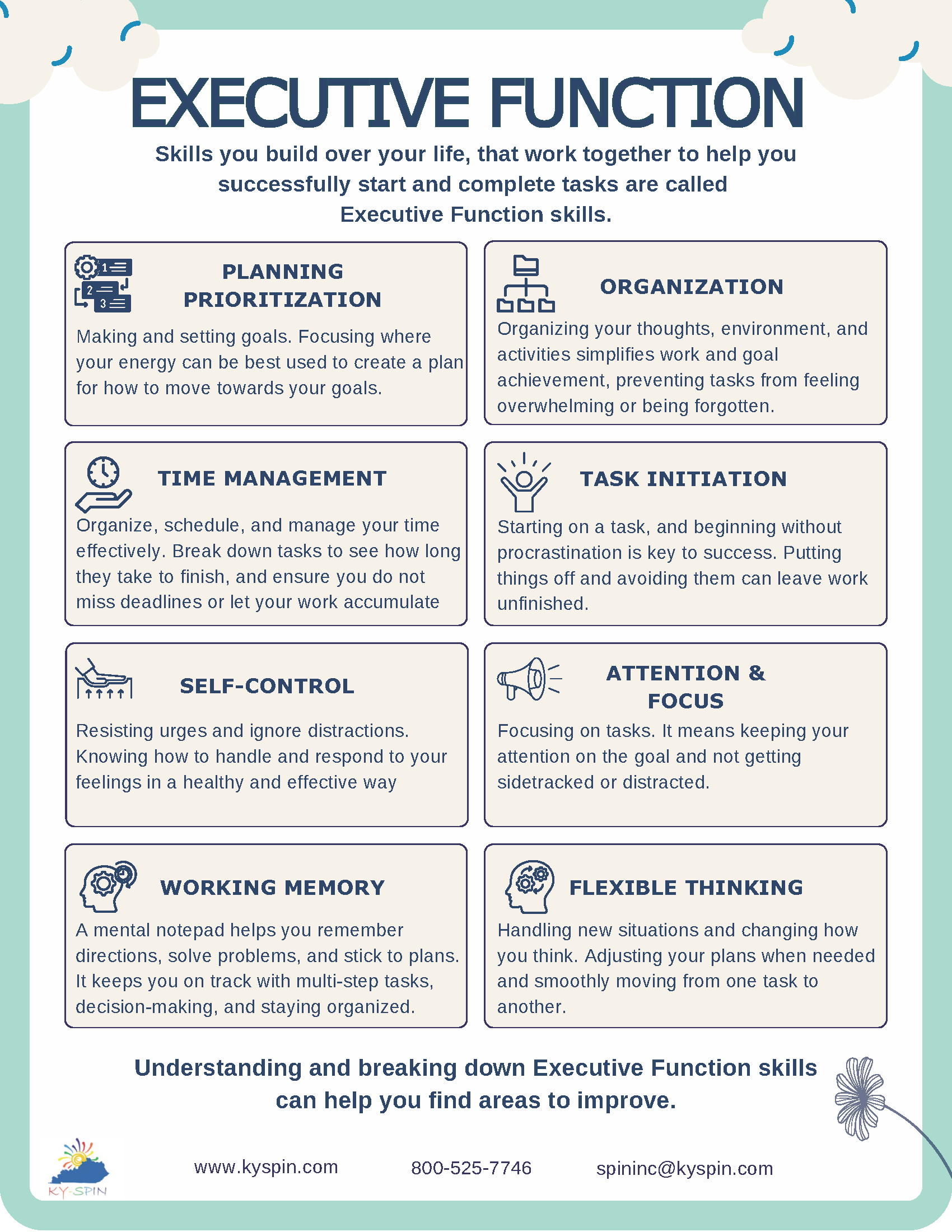
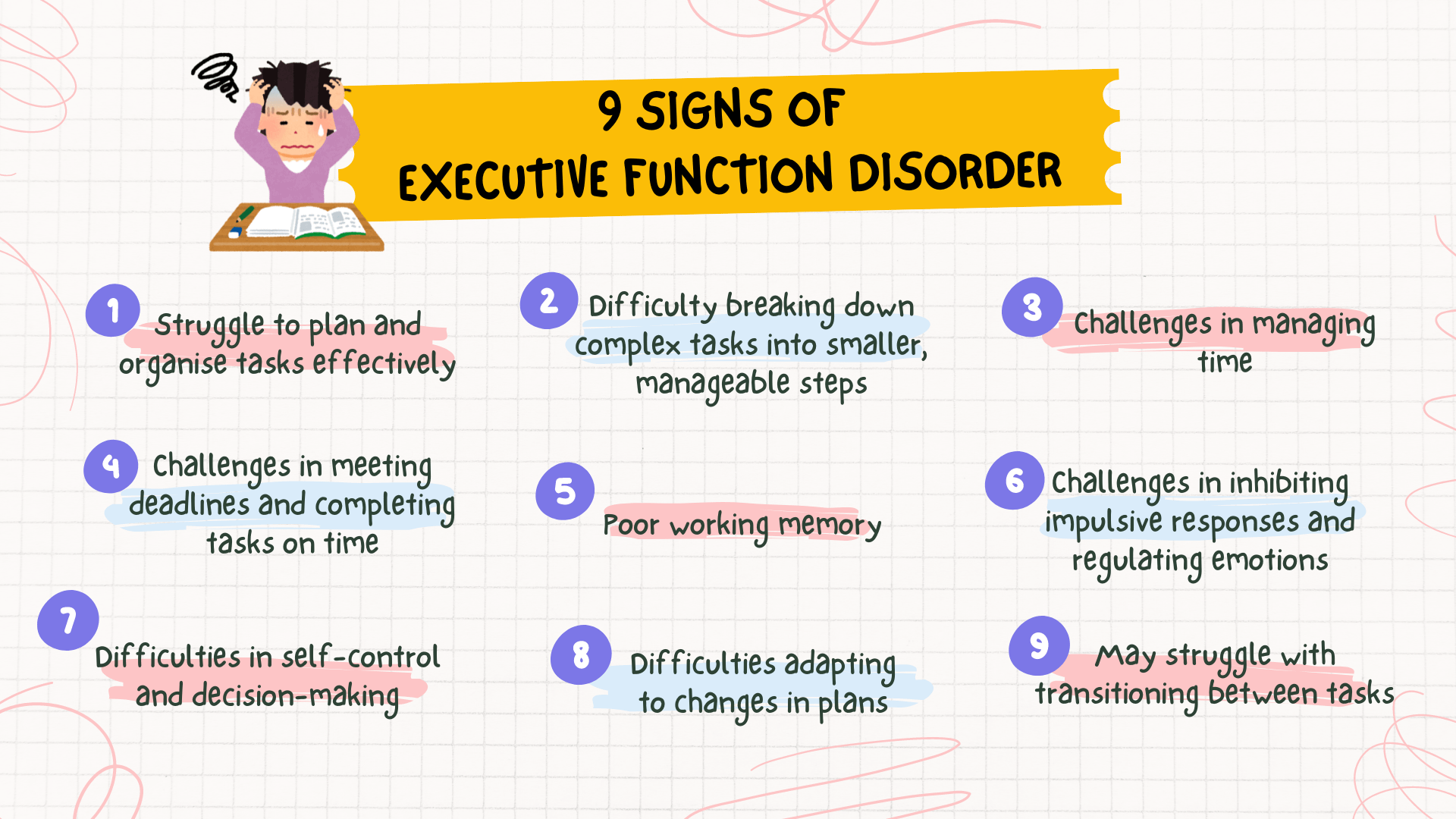
Executive function refers to the brain processes that help us manage our actions and emotions in situations when emotions are running high. This cognitive skill set enables us to plan, stay organized, and solve problems logically. Understanding how executive function works is crucial for effective crisis leadership, as it allows leaders to make better-informed decisions and respond more effectively to emergency situations.

The Role of Executive Function in Emergency Situations
In emergency situations, executive function is critical for crisis leaders to make quick and effective decisions. By understanding how the brain works and the role that executive function plays, crisis leaders can better assess risks, weigh options, and develop effective response strategies. This is particularly important in emergency situations where time is of the essence, and decisions can have a significant impact on the outcome.