Trademark Search Requirements in Australia: A Comprehensive Guide
Australia has a well-established trademark system in place to protect business owners' intellectual property rights. Conducting a trademark search in Australia is crucial to ensure that your desired trademark is not already registered or pending. In this article, we will outline the trademark search requirements in Australia, help you understand the process, and provide you with the necessary information to register a trademark in Australia.
What Can Be Registered as a Trademark in Australia?
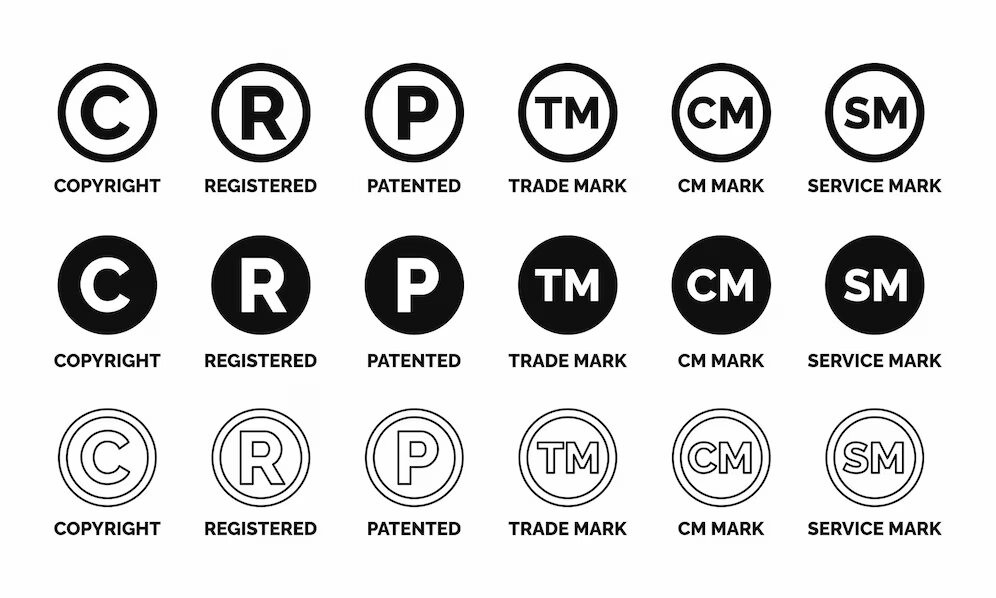
Australian trademarks are signs that set your goods or services apart from other businesses. This can include words, phrases, logos, letters, numbers, symbols, sounds, shapes, images, and even scents. When it comes to trademark registration, it's essential to know exactly what you're trying to protect. In Australia, a trademark can be a combination of words, letters, and numbers, as well as a three-dimensional shape or a sound, such as a jingle or a slogan.

Trademark Search Requirements in Australia
When conducting a trademark search in Australia, there are several requirements you must meet. Here are the key steps to follow:
- Step 1: Research and Determine Your Trademark - Before starting your trademark search, you need to determine what you want to protect. This will involve researching your desired trademark to ensure it's unique and meets the requirements of the Australian trademark system.
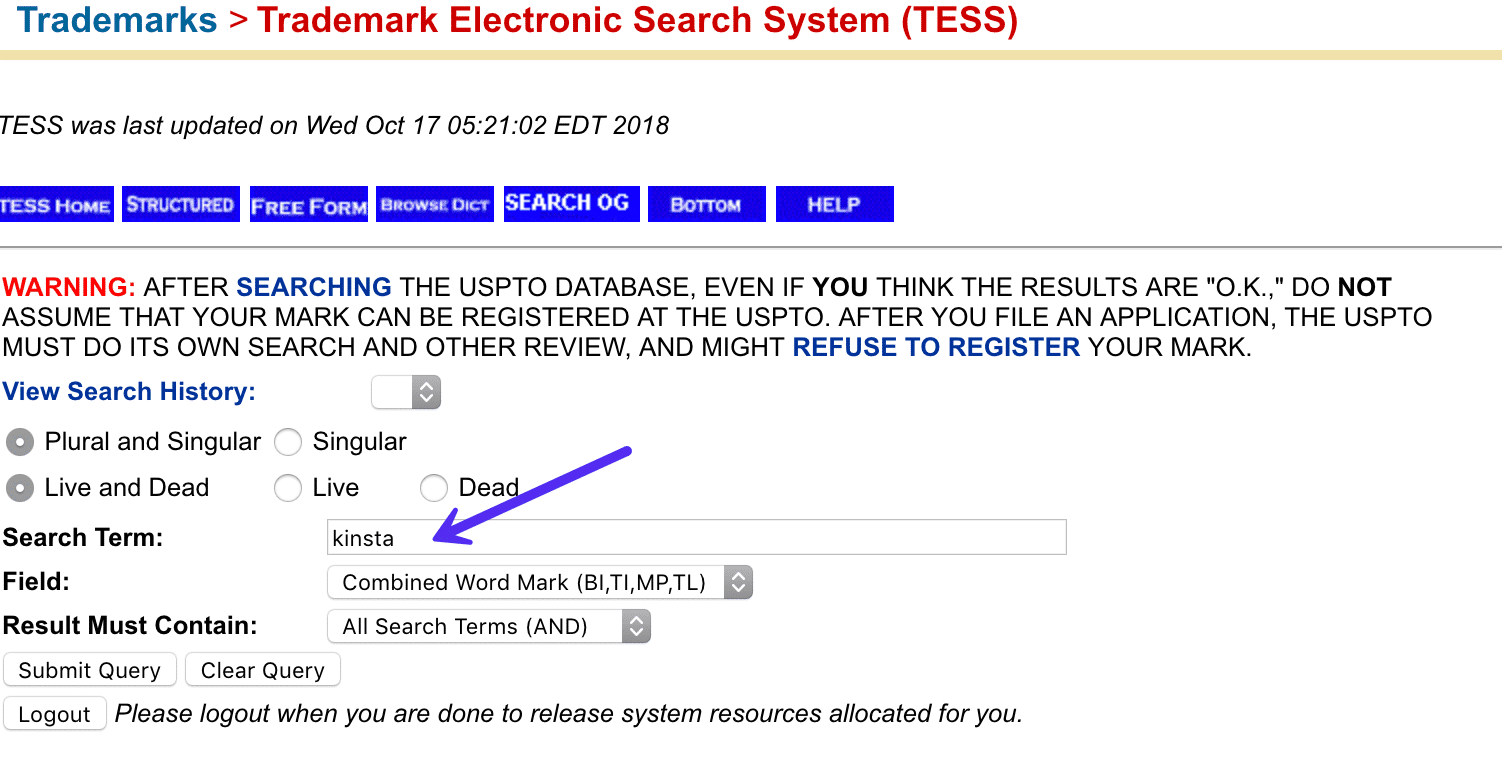
- Step 2: Conduct a Trademark Search - Once you have determined your trademark, the next step is to conduct a comprehensive search to ensure it's not already registered or pending. This can be done using the Australian Trade Mark Search (ATMS) database or by consulting with a professional trademark attorney.
- Step 3: Understand Australian Trademark Registration Requirements - Australian trademark registration comes with specific requirements that you must meet. These requirements include demonstrating the ownership of the trademark, providing sufficient evidence of its use, and meeting the formal requirements of the application process.