The Impact of GLP-1 on Autophagy during Alternate Day Fasting
Alternate day fasting (ADF) has become a popular dietary regimen due to its ability to promote weight loss, improve insulin sensitivity, and enhance overall health. Recent studies have also explored the relationship between ADF and autophagy, a cellular cleanup system that helps to recycle damaged components and promote cellular renewal. In this article, we will discuss the impact of glucagon-like peptide-1 (GLP-1) on autophagy during ADF and review the latest research on this topic.
What is Alternate Day Fasting?
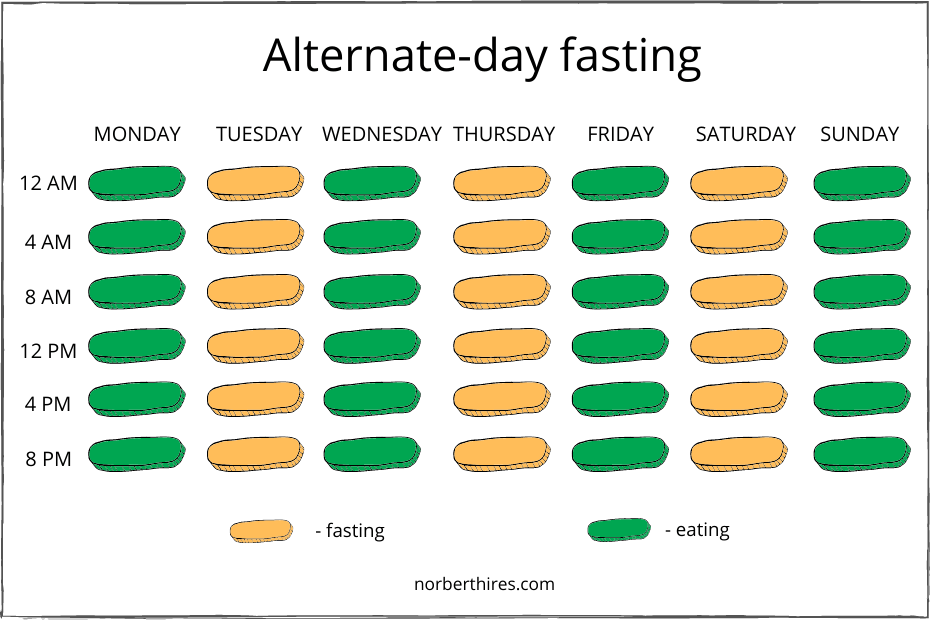
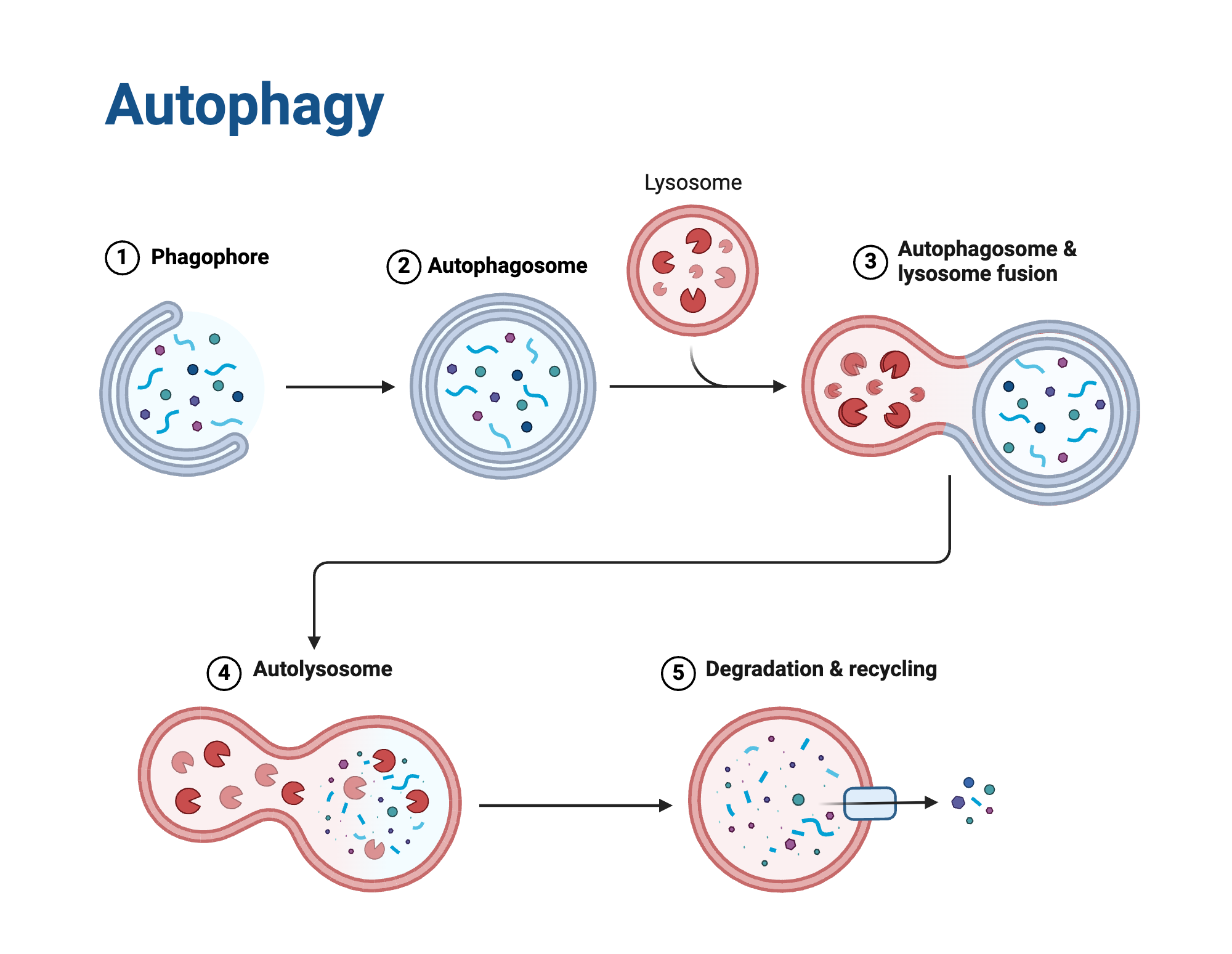
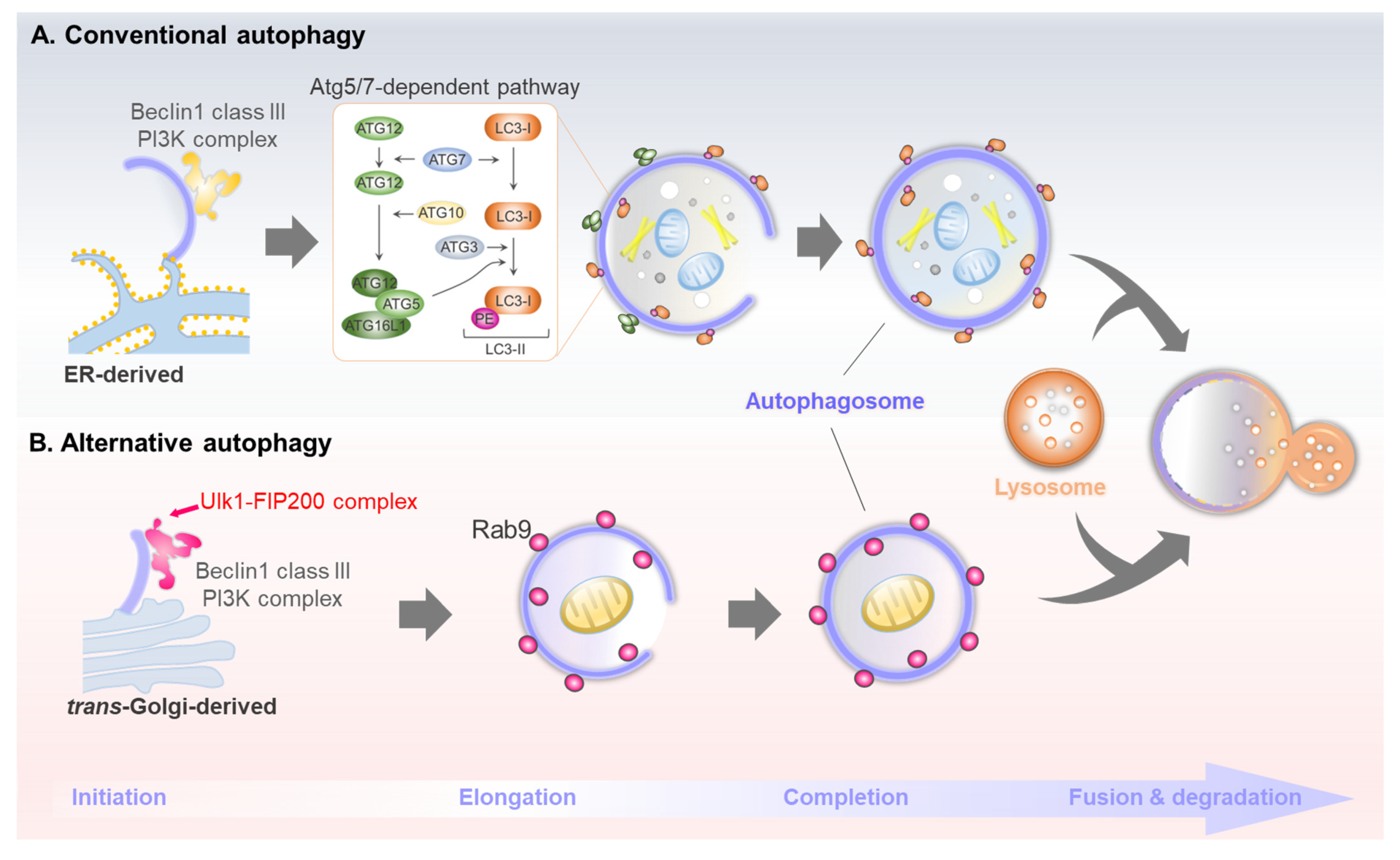
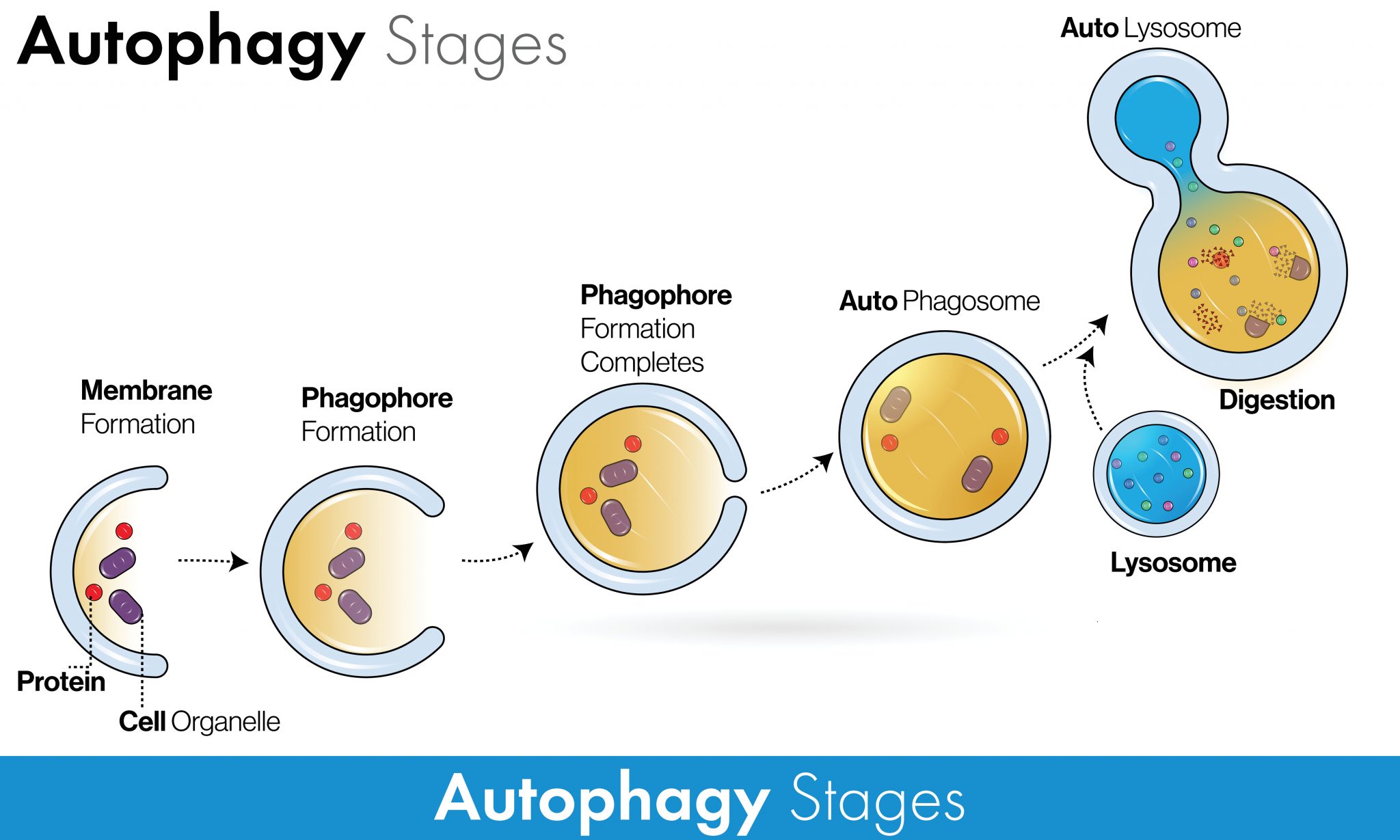
Alternate day fasting, also known as ADF, involves alternating days of normal eating with days of calorie restriction or fasting. This regimen can help to induce autophagy, a process in which cells recycle damaged components and promote cellular renewal. Autophagy has been linked to various health benefits, including improved insulin sensitivity, reduced inflammation, and enhanced cellular longevity.
The Role of GLP-1 in Autophagy
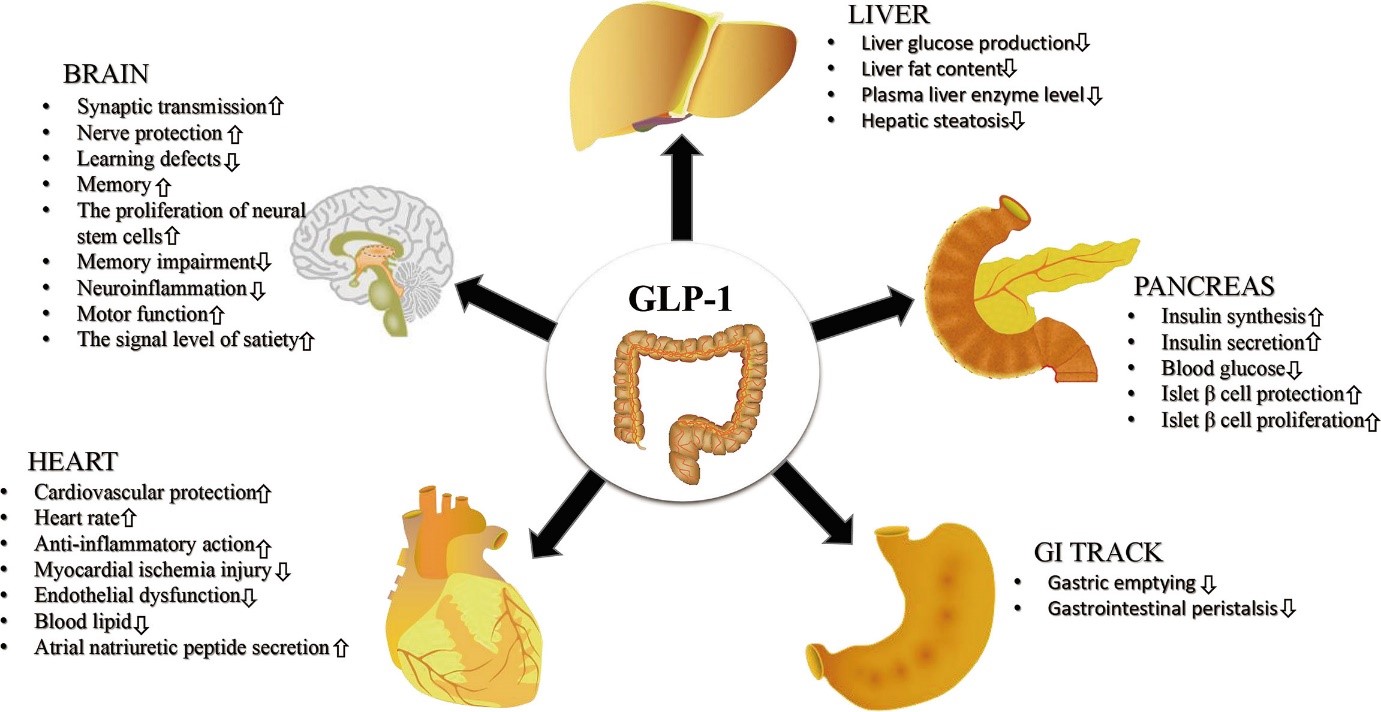
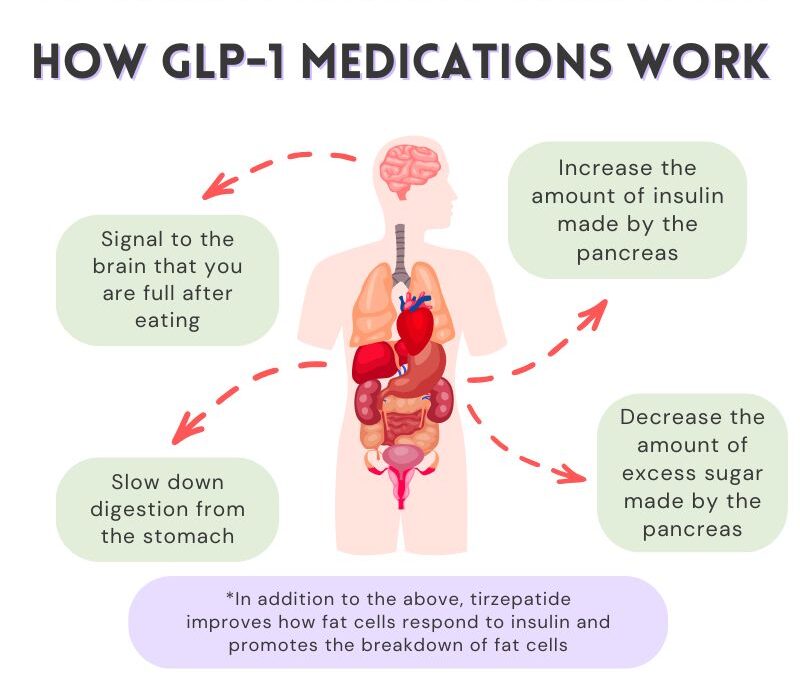
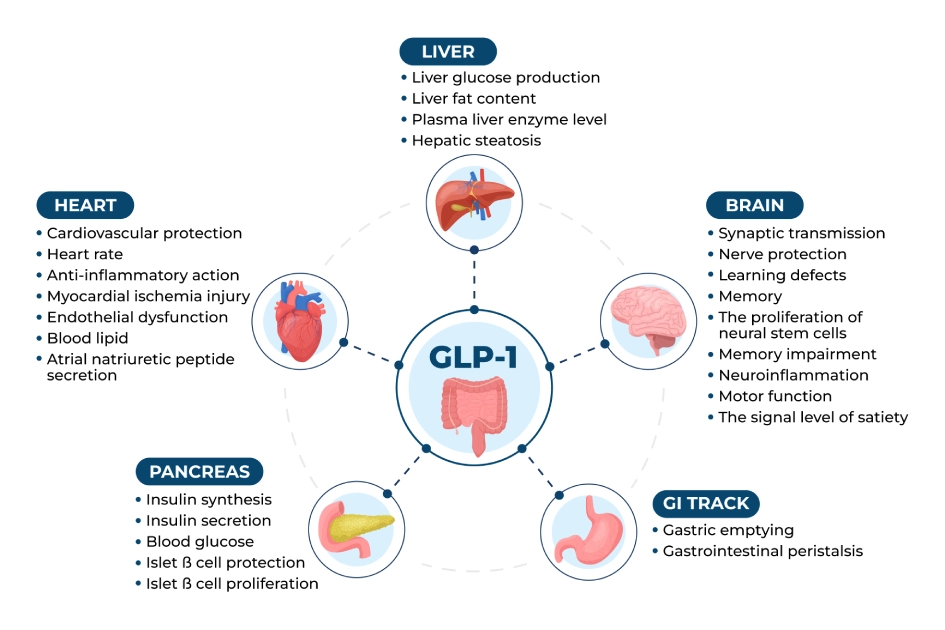
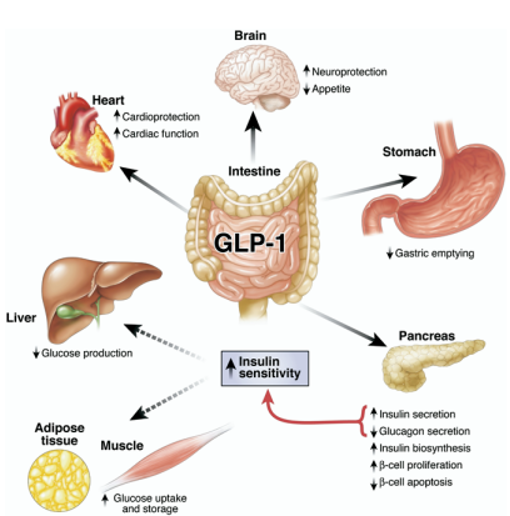
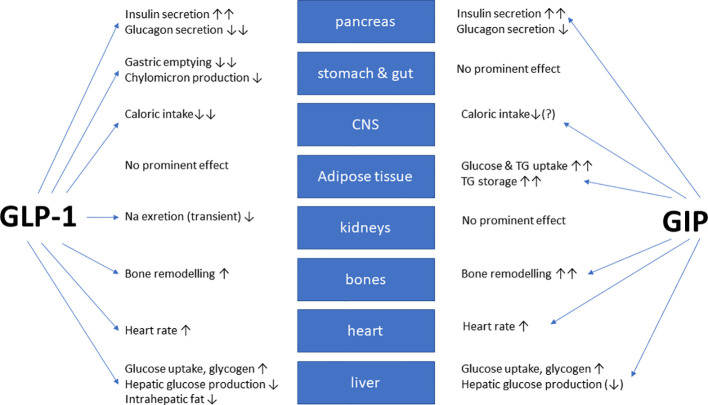
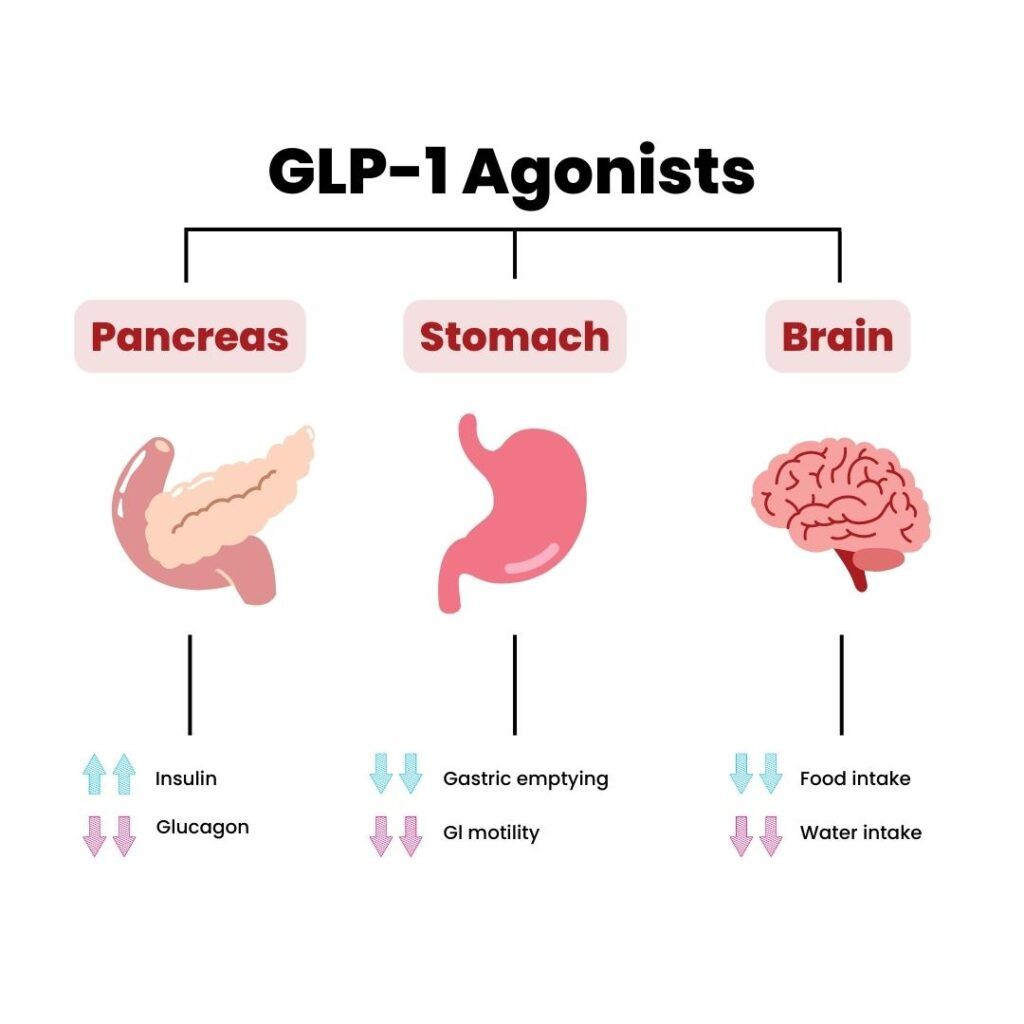
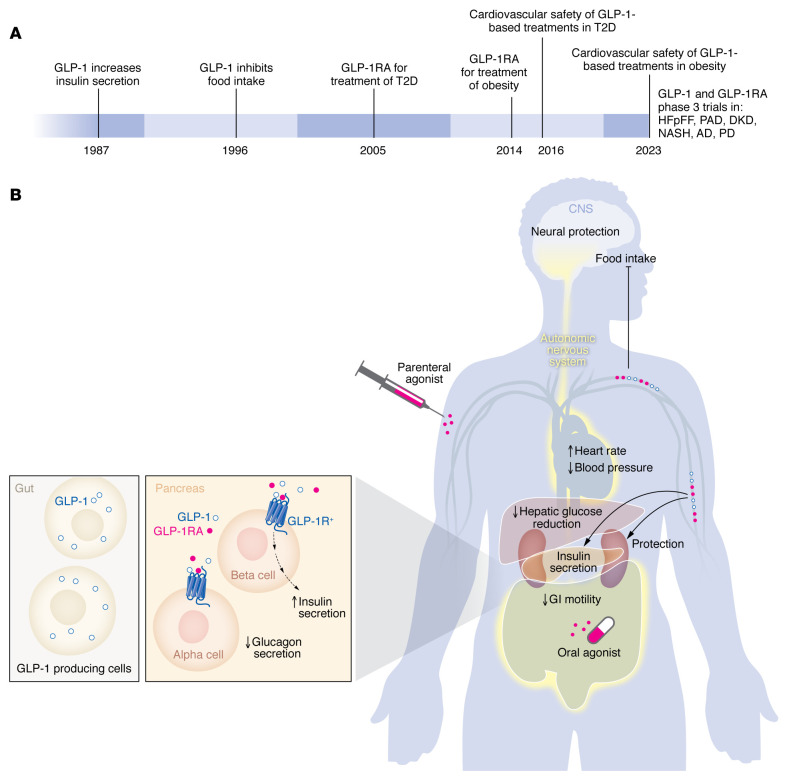
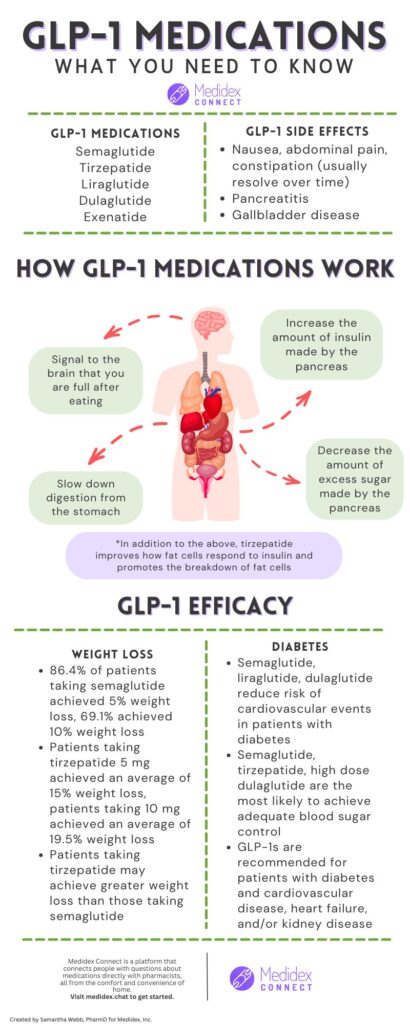
GLP-1 is a hormone that plays a crucial role in glucose metabolism and appetite regulation. Recent studies have shown that GLP-1 also has a direct impact on autophagy, promoting the recycling of damaged cell components and enhancing cellular health. During ADF, GLP-1 levels increase, which can further augment autophagy and promote cellular renewal.



 "Can You Combine Fasting with GLP-1 Weight Loss Treatments?")