Setting a Specific Brand Target
When it comes to creating a successful brand, setting a specific target is crucial. It's the foundation upon which your brand strategy is built, and without it, you'll struggle to achieve meaningful results. In this article, we'll explore the importance of setting a clear brand target and provide tips on how to do it effectively.
What is a SMART Goal?
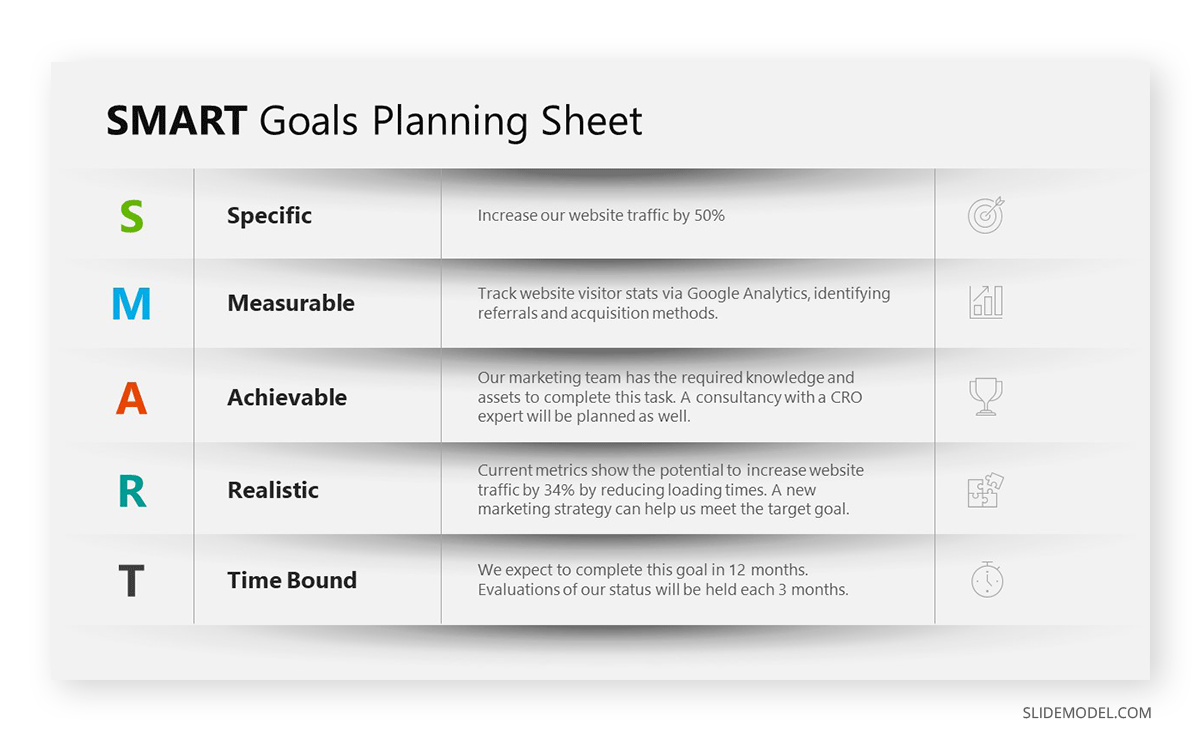
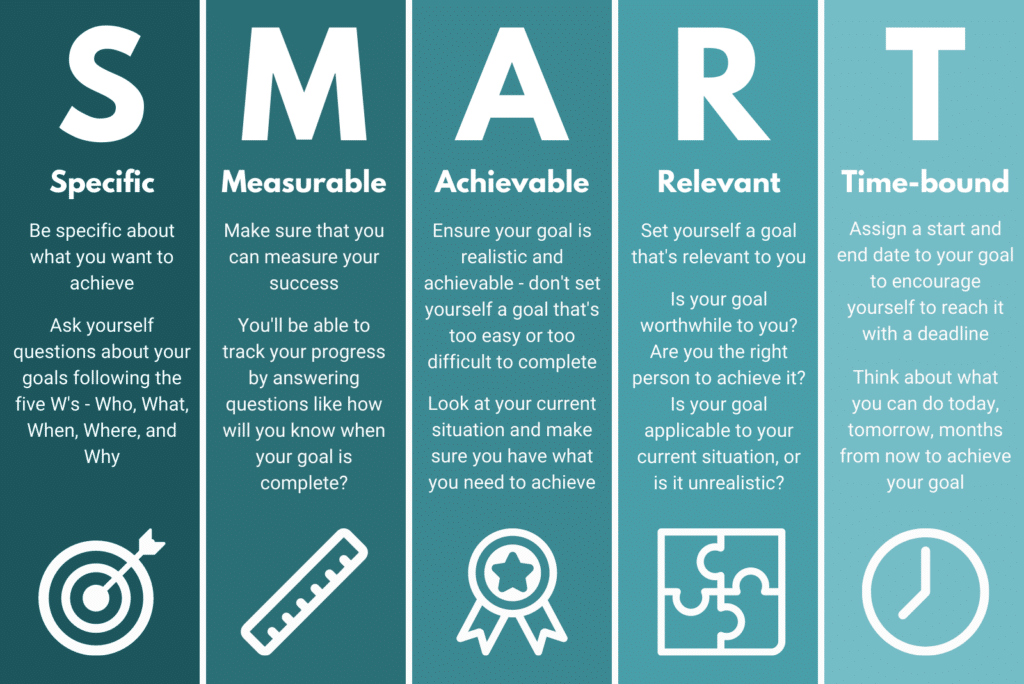
A SMART goal is a Specific, Measurable, Attainable, Relevant, and Time-bound objective that helps you achieve your brand's goals. It's a crucial aspect of any marketing strategy, as it gives you a clear direction and lets you track progress. By applying the SMART method to your brand target, you'll increase your chances of meeting your objectives and achieving success.
Let's break down each component of a SMART goal:
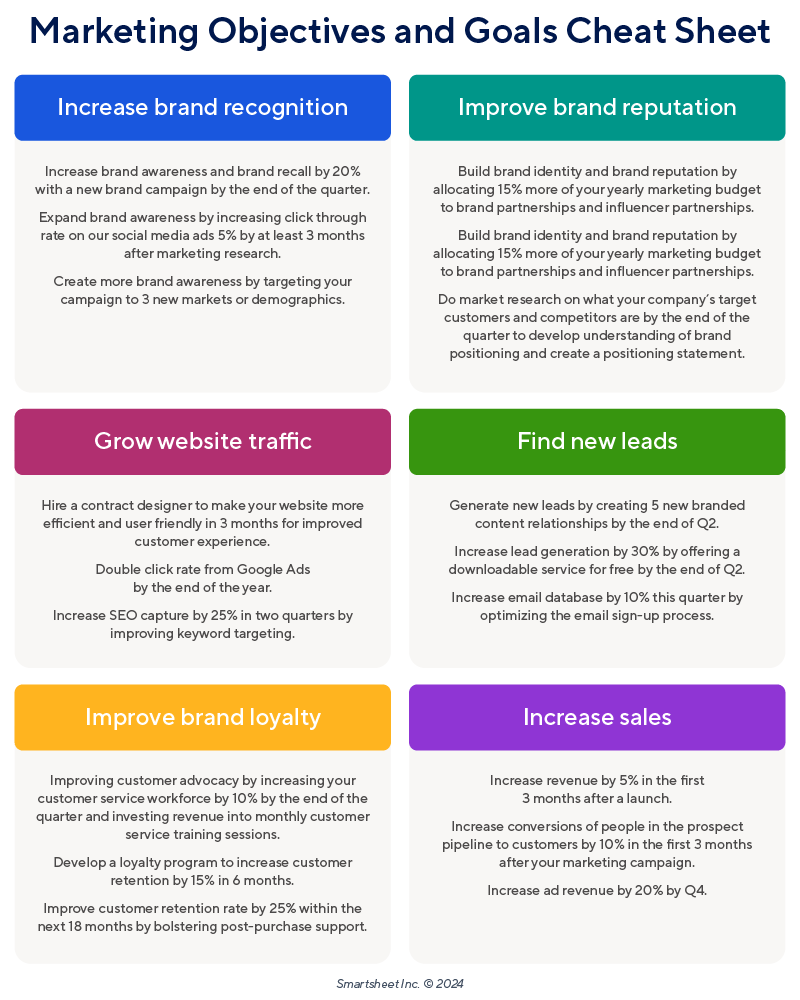
- Specific: The more detailed your goals, the greater your chance of meeting them. Vague goals will only lead to aimlessness and failure. For example, instead of saying "increase brand awareness," you could say "increase brand awareness among young adults in the target market by 20% within the next 6 months."
- Measurable: Your goal should be quantifiable, so you can track progress and measure success. Use specific metrics like sales, engagement, or website traffic to gauge your progress.
- Attainable: Your goal should be realistic and achievable based on your resources and capabilities. If your goal is too ambitious, you'll set yourself up for disappointment and frustration.
- Relevant: Your goal should align with your brand's overall mission and vision. If it doesn't, it's unlikely to resonate with your target audience.
- Time-bound: Your goal should have a specific deadline or timeframe for completion. This will help you stay focused and motivated, and ensure you're making progress towards your objectives.