Serotonin and GLP-1 Interactions: A Key to Understanding Metabolic and Emotional Regulation
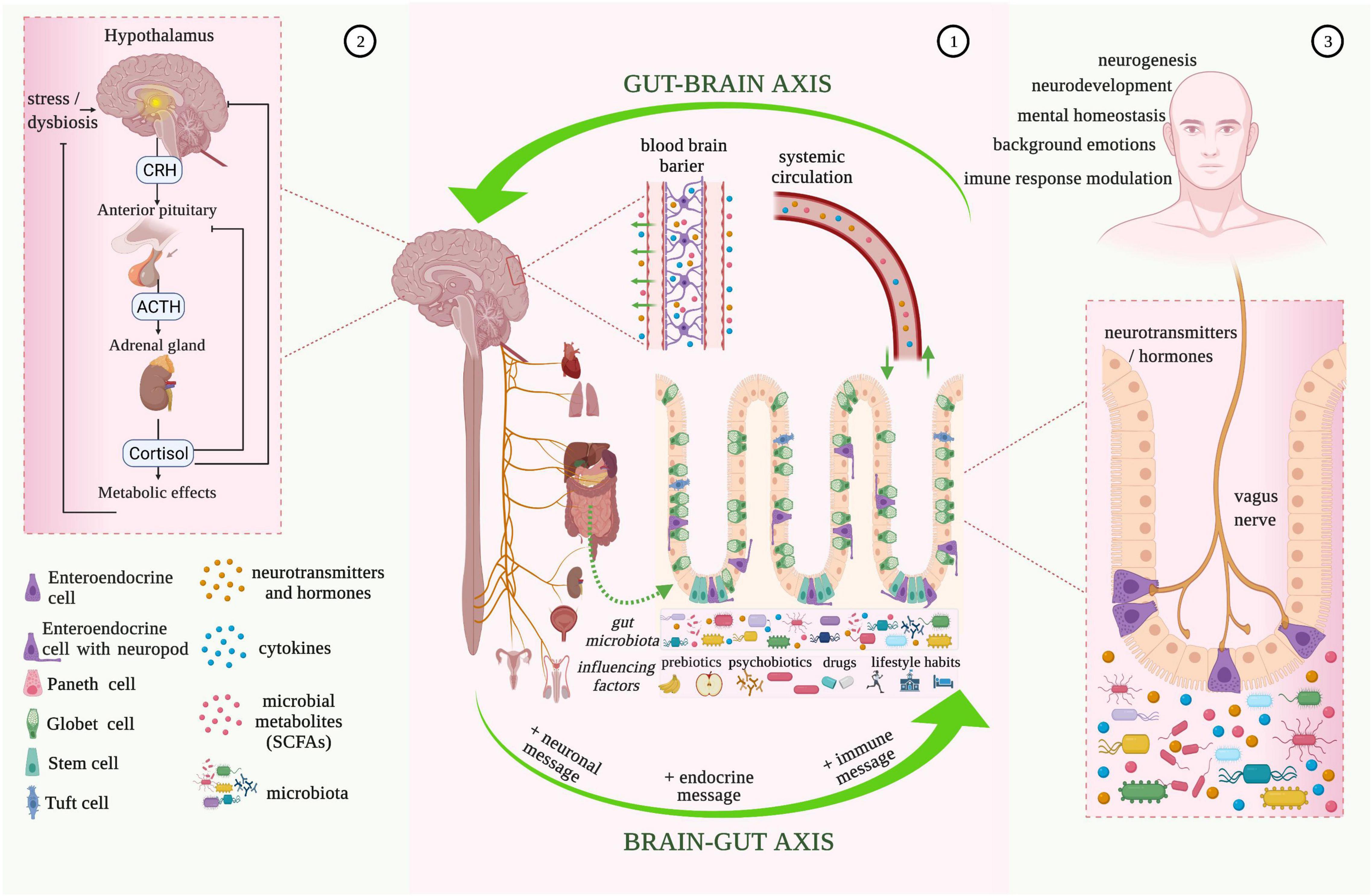
The gut-brain axis, once considered mere fiction, has come to the forefront of medical research. Recent discoveries have revealed the intricate connections between gut hormones, neurotransmitters, and the central nervous system. Two hormones that have garnered significant attention are serotonin (5-HT) and glucagon-like peptide-1 (GLP-1). At the intersection of these two pathways lies a complex interplay of signals that regulate metabolic, emotional, and behavioral responses.
GLP-1: A Hormone with Multiple Facets
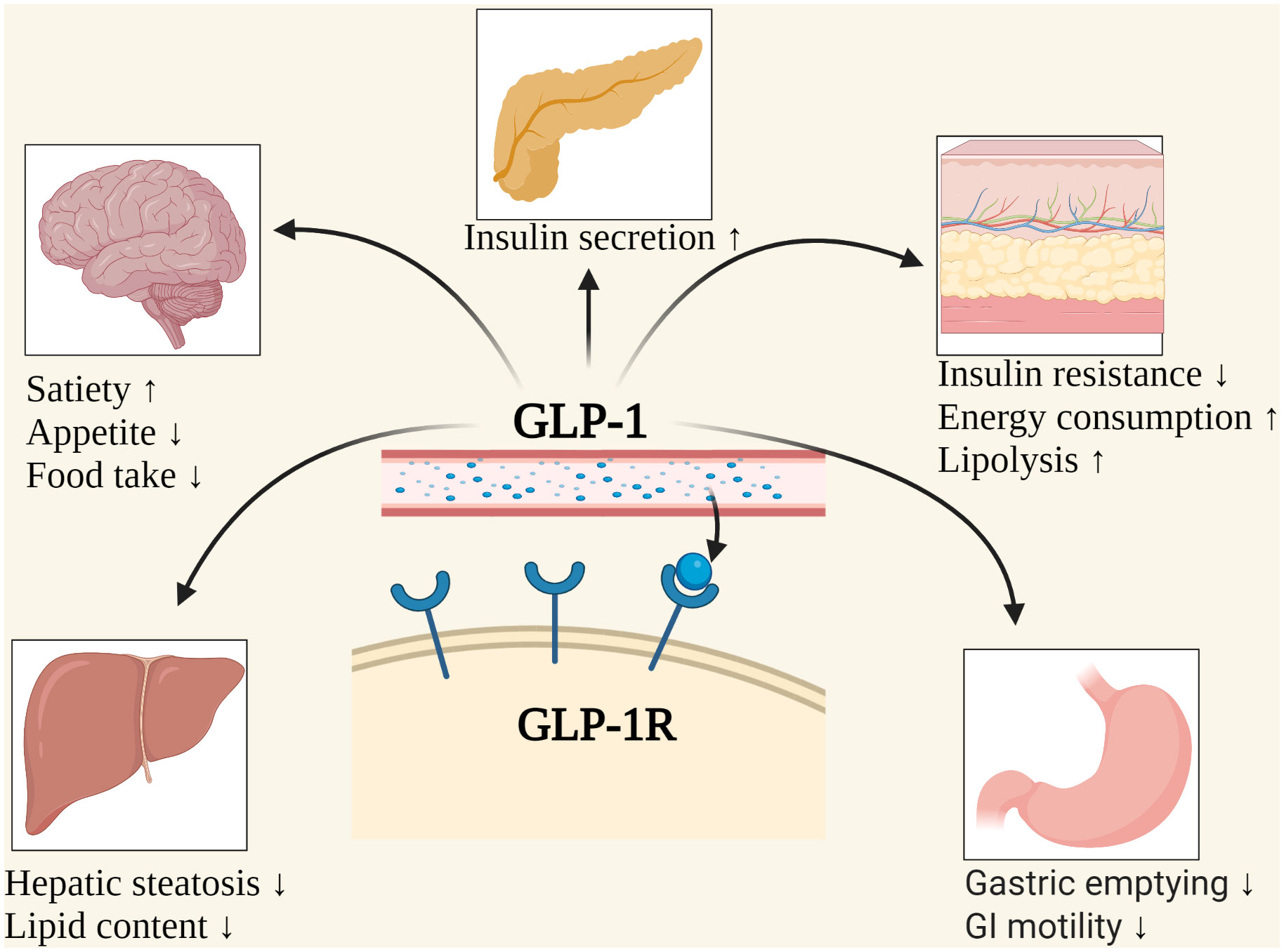
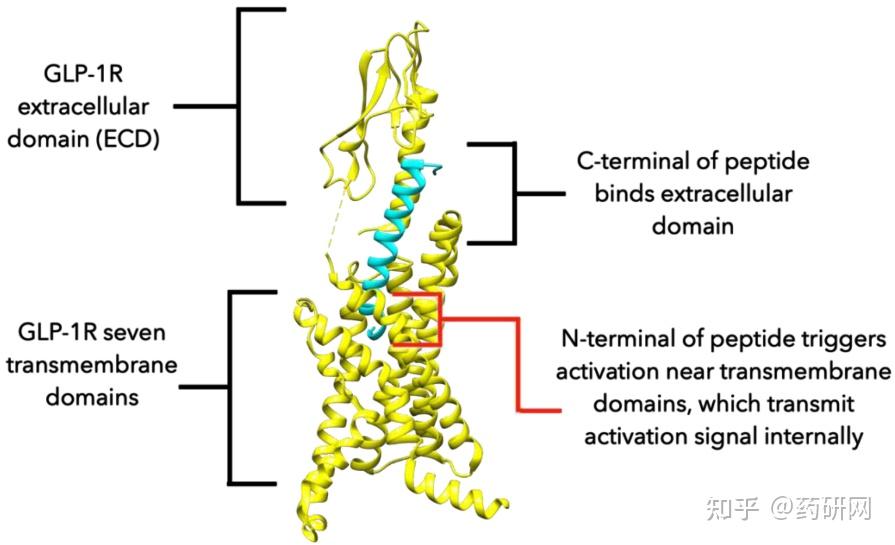
GLP-1, a hormone traditionally associated with metabolic regulation, has emerged as a promising neuroprotective agent. Its receptor, GLP-1R, is expressed in key brain regions implicated in cognition, emotion, and motor control, including the hippocampus, frontal cortex, and substantia nigra.

GLP-1 agonists, such as semaglutide, are increasingly used to manage metabolic disorders like type 2 diabetes and obesity. Beyond their metabolic benefits, GLP-1RAs exhibit neuroprotective and psychotropic effects, potentially benefiting mental health conditions like depression and anxiety.
The Role of Serotonin in Regulating GLP-1 Signaling
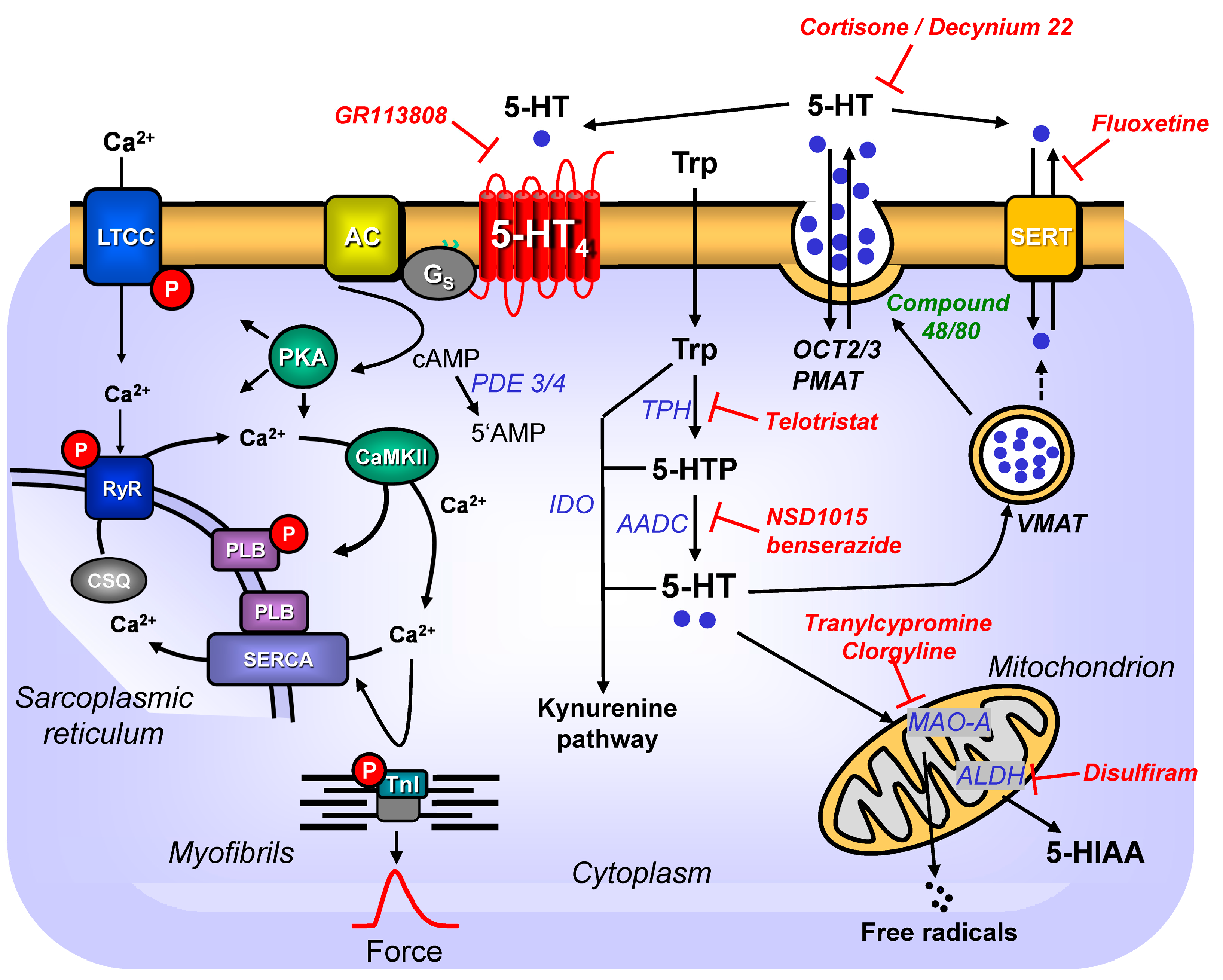
Serotonin, a neurotransmitter involved in regulating mood, appetite, and satiety, interacts with GLP-1 signaling to modulate food intake. GLP-1 release is stimulated upon nutrient interaction with G-protein coupled receptors by enteroendocrine cells, where serotonin is released from enterochromaffin cells (ECC).