Proper Installation of a Wood Burning Fireplace: Ensuring Safety and Efficiency
A wood burning fireplace can add warmth, charm, and functionality to any living space. However, improper installation can lead to safety hazards, reduced efficiency, and even costly repairs. In this article, we will explore the importance of proper installation of a wood burning fireplace and provide expert tips, costs, and steps to ensure a safe and efficient installation.
Understanding the Requirements for Proper Installation
Installing a wood burning fireplace requires careful planning, expertise, and adherence to safety regulations. The ideal wood burning fireplace should not smoke when lit or spill cold air and odors when not in use; it should not backdraft when the kitchen fan is on, and it should work well regardless of wind speed or direction.

Steps for Proper Installation
- Consult with an expert: If you have any questions or concerns, consult with a professional chimney sweep or installation expert.
- Follow manufacturer's instructions: Read and follow all steps outlined in the manufacturer's installation instructions thoroughly.
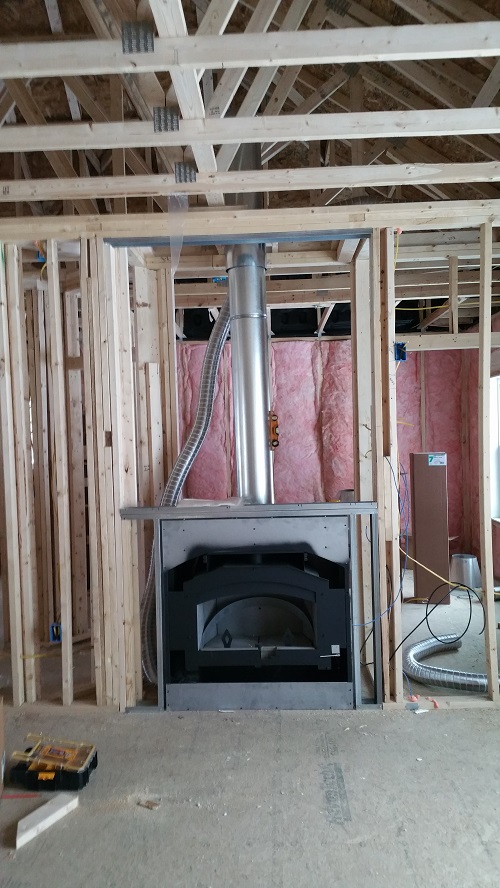
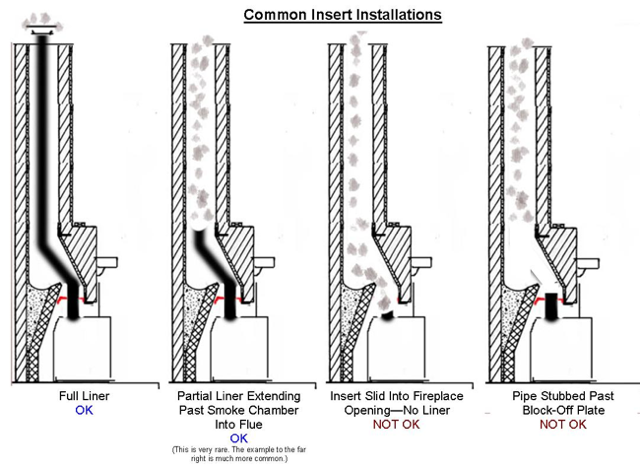
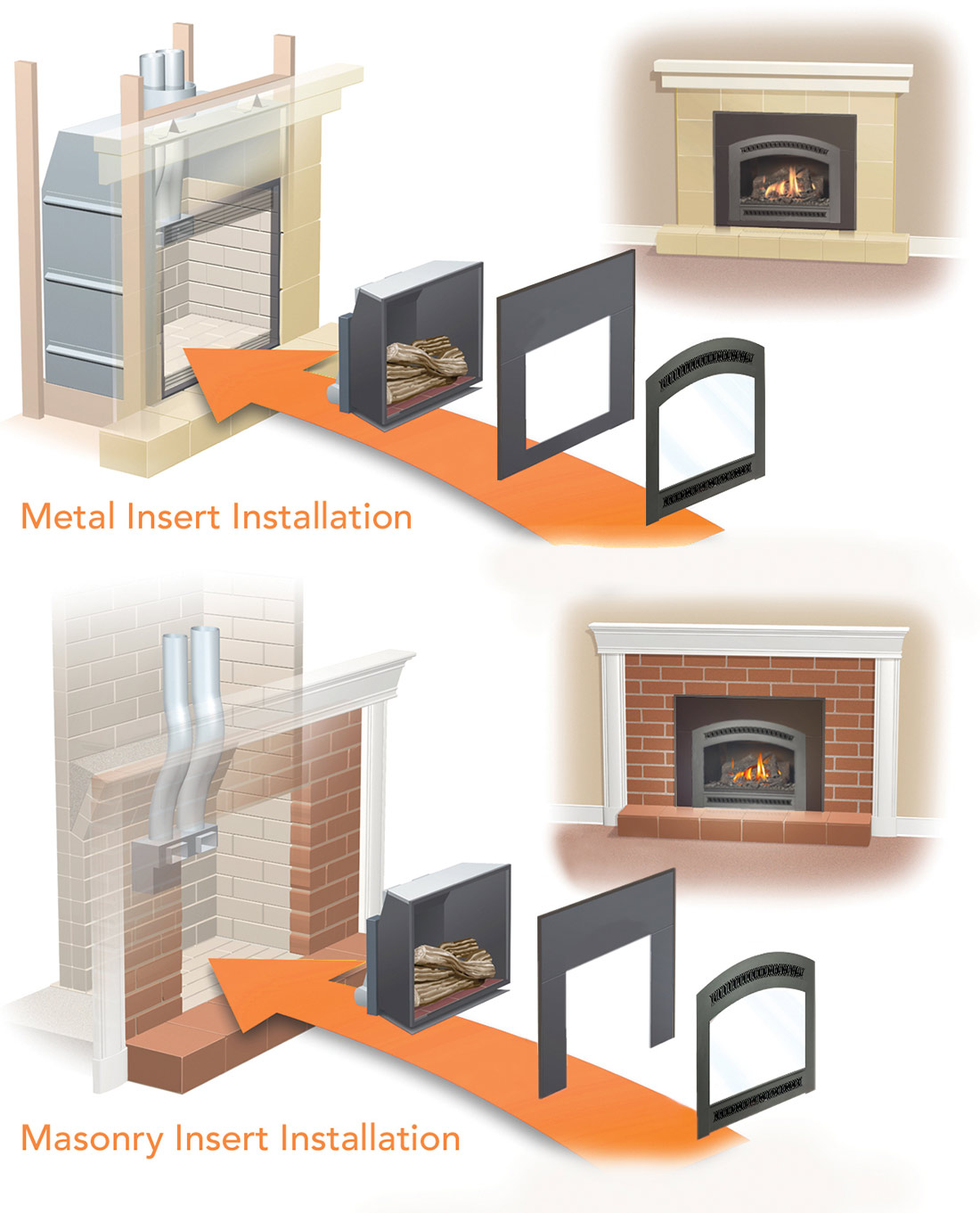
- Ensure proper sizing and placement: The wood burning appliance should be sized and placed properly with a venting system that delivers adequate draft.
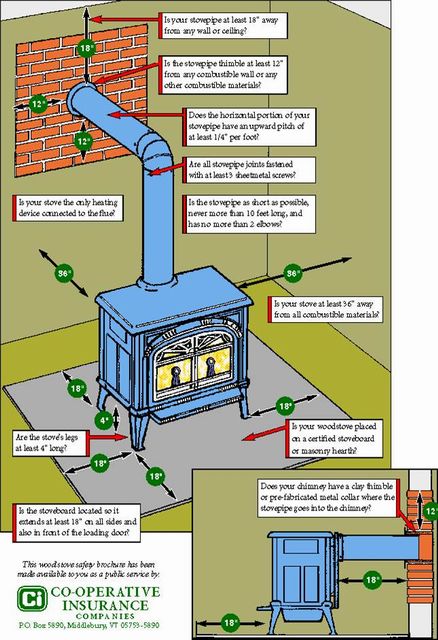
- Install adequate clearances: The installation should comply with local building codes, which typically specify minimum clearance distances between the appliance and combustible materials.
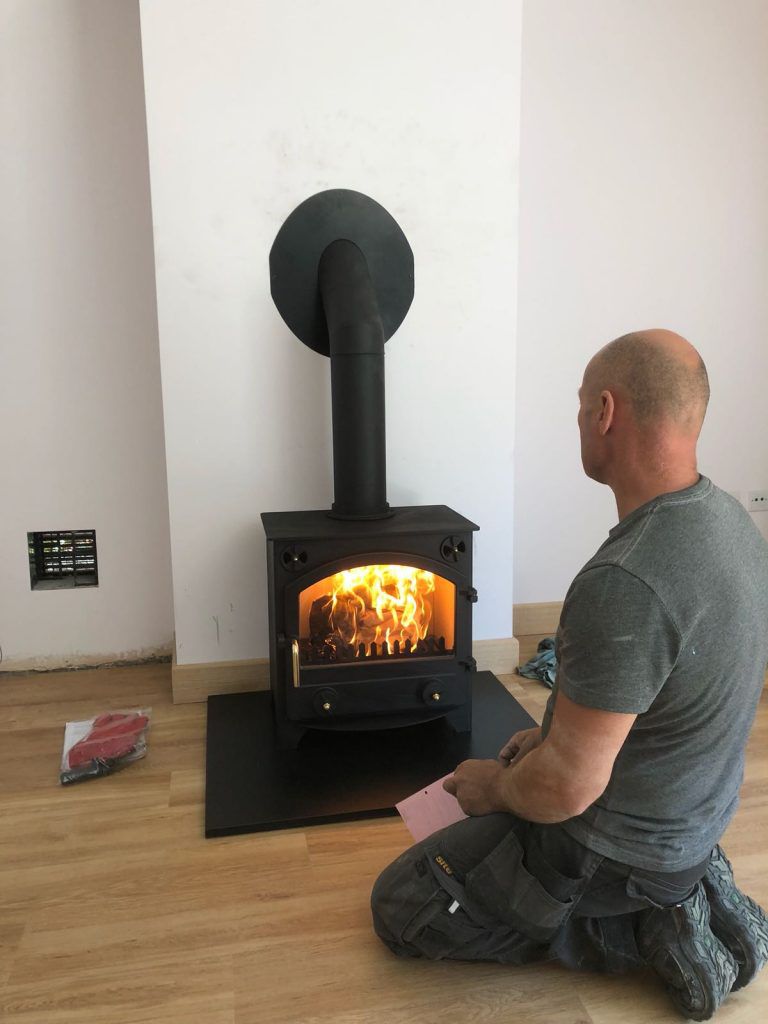
- Test the fireplace: After completing all installation steps, test the fireplace to ensure proper operation.