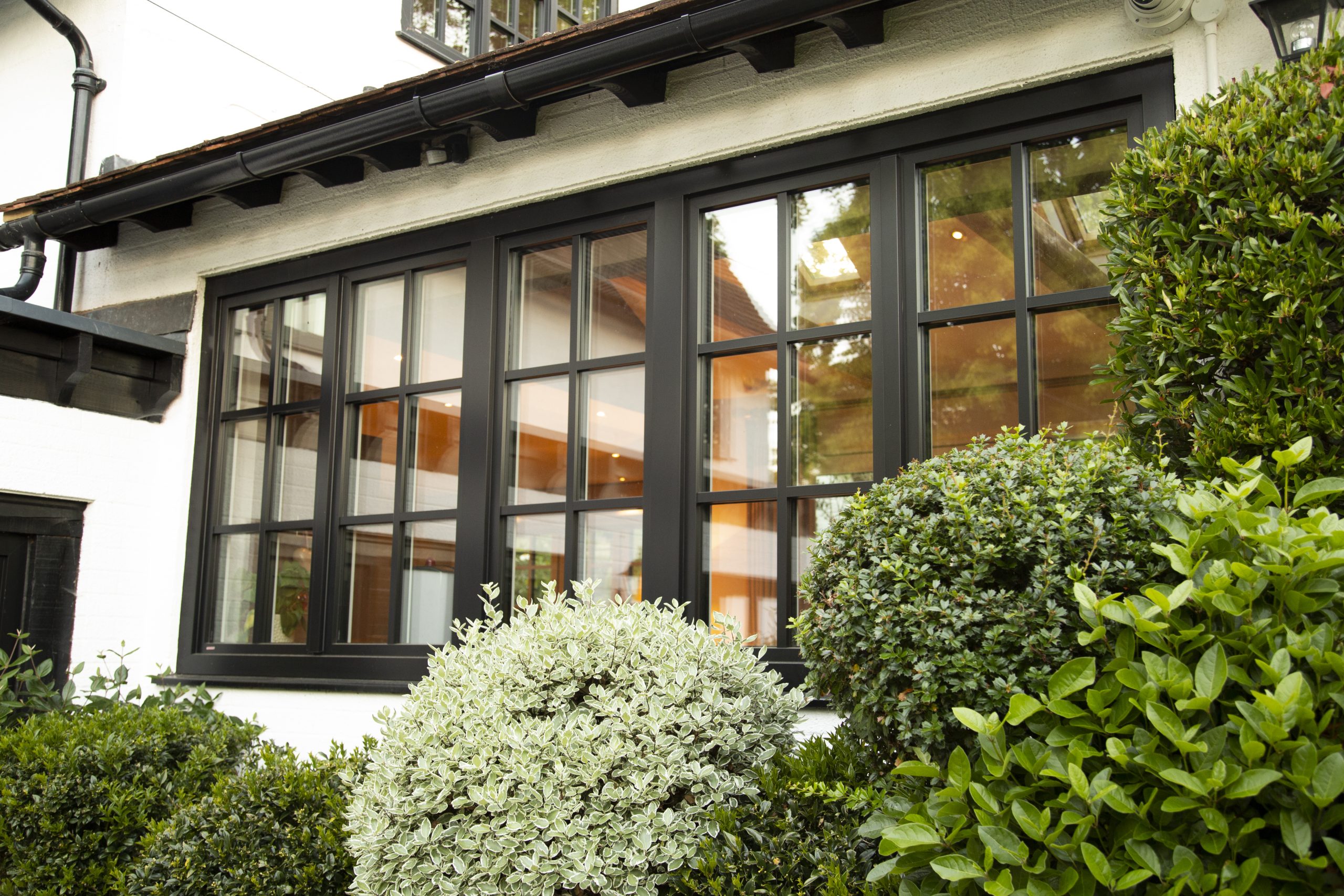
Maximizing Insulated Glass Energy Efficiency in Buildings
The Power of Insulated Glass
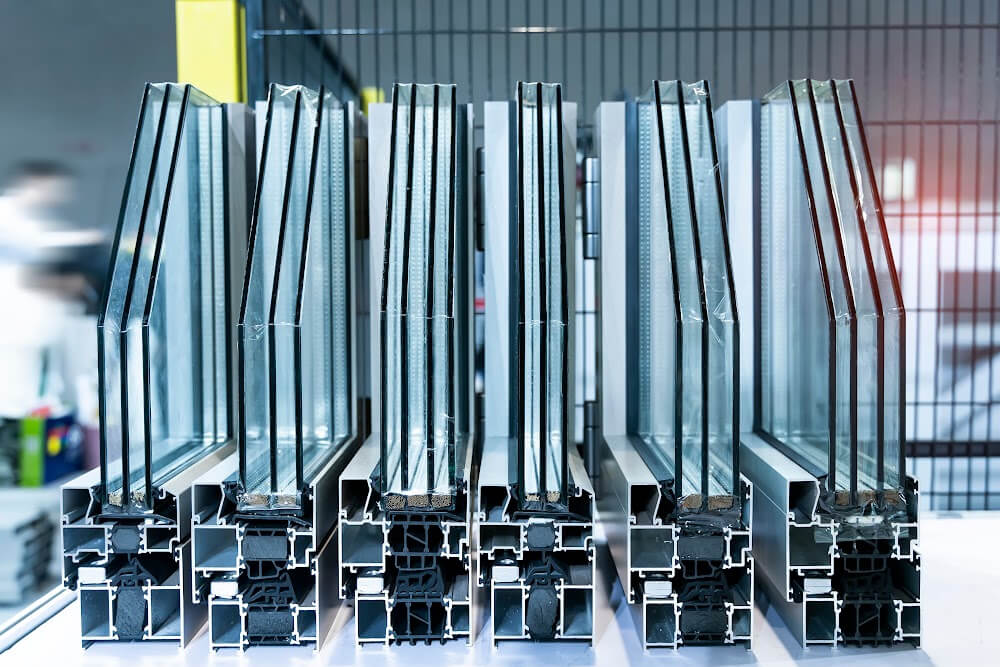
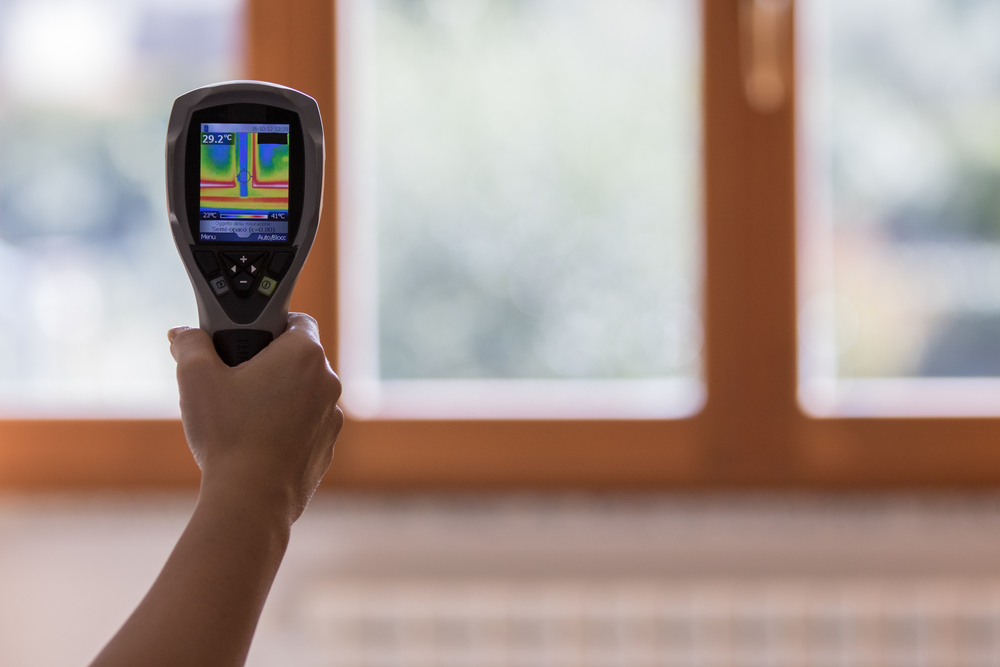
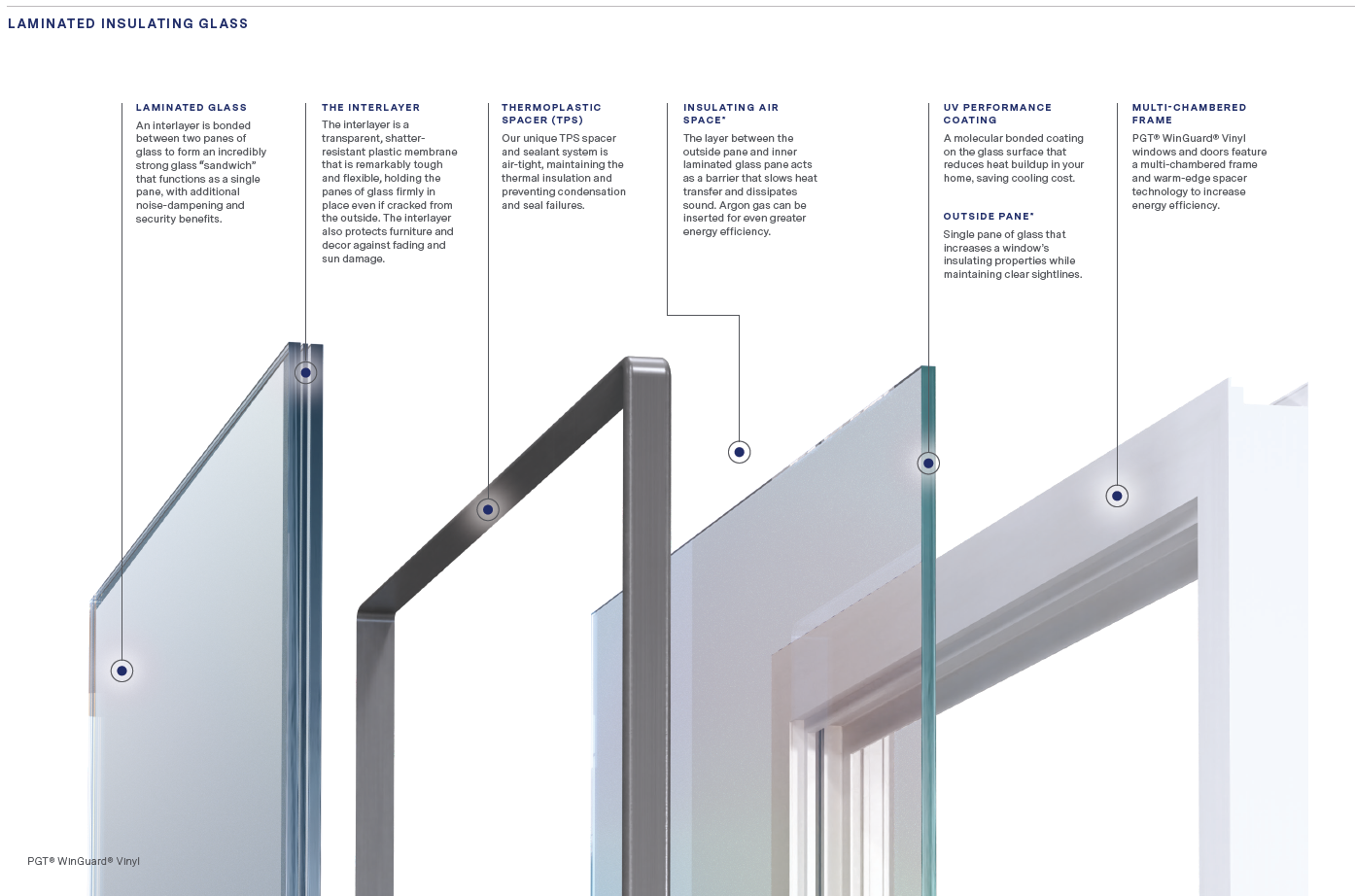
Insulated glass, particularly Insulated Glass Units (IGUs), has become a crucial component in modern building design. These units are designed to improve the energy efficiency of homes and commercial buildings by trapping air or another inert gas between two panes of glass. By reducing heat transfer, IGUs significantly contribute to maintaining indoor comfort while lowering energy consumption for heating and cooling.Understanding Energy Efficiency in Glass
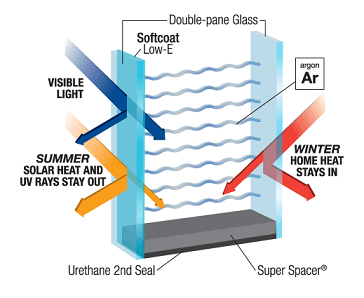
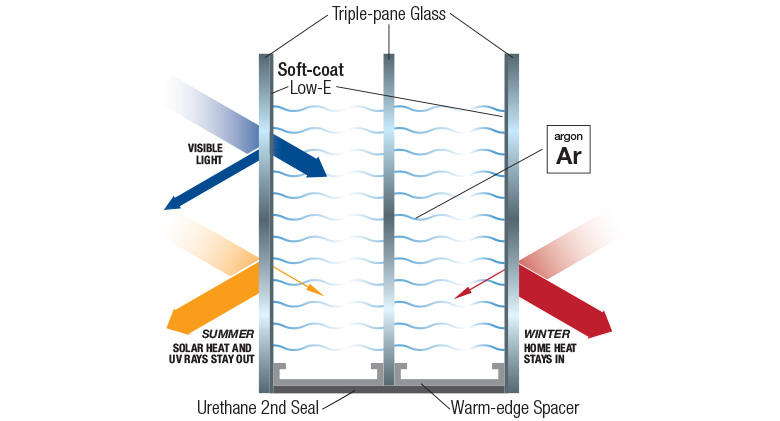
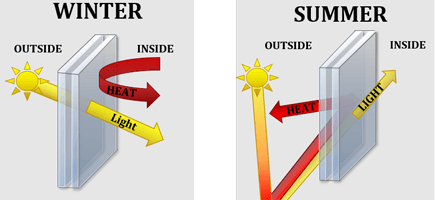
Energy-efficient glass works on two fronts. First, the gas-filled cavity and Low-E surfaces cut conductive and radiant heat transfer. Second, you can tune glazing to your climate and orientation, balancing daylight with solar control. Moreover, whole-window thinking matters, considering the entire window as a single unit rather than individual components.The Benefits of Insulated Glass Energy Efficiency
- Reduced energy expenditure
- Increased property value
- Heightened comfort
- Environmental stewardship
Improving Insulated Glass Energy Efficiency
To maximize insulated glass energy efficiency, consider the following options:- Glass types: Float, laminated, toughened, heat strengthened, or patterned glass provide safety, noise control, heat savings, and style.
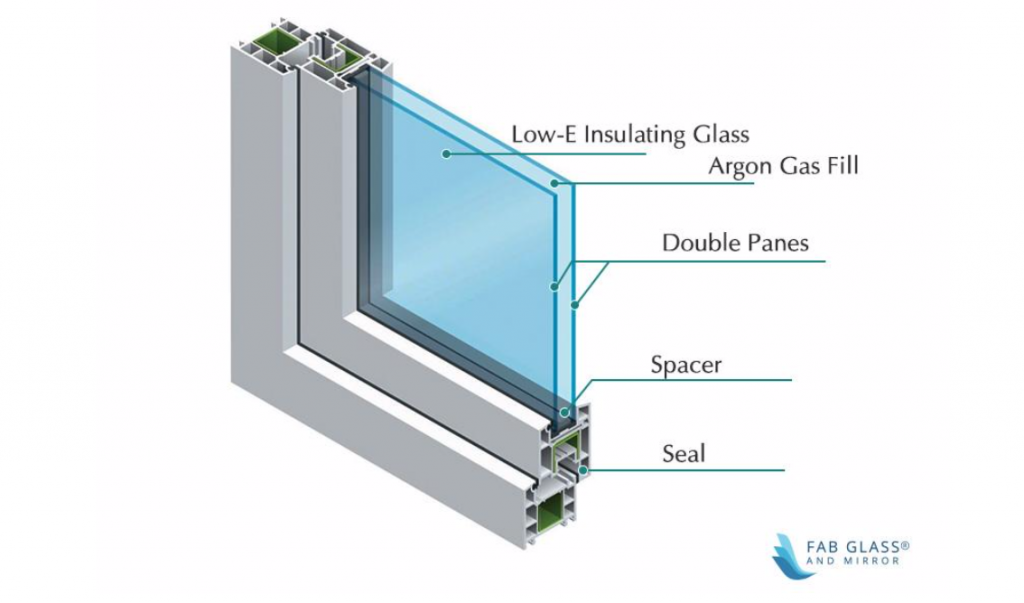
- Gas filling: Trapped air or inert gases between panes reduce heat transfer.
- Low-E coatings: Surface treatments that minimize radiant heat transfer.
- Spacer design: The gap between glass panes affects heat transfer and insulation efficiency.