Understanding the Impact of Building Materials on Wireless Network Performance: A Guide to Optimization
The rise of wireless connectivity has revolutionized the way we communicate and access information, but it also presents a challenge. Many building materials can significantly impact the performance of wireless networks, causing signal attenuation and reducing coverage. In this article, we will explore the relationship between building materials and wireless network performance, discussing the effects of different materials on Wi-Fi and cell signals.
The Importance of Understood and Mitigating Signal Attenuation in Buildings
Signal attenuation occurs when radio waves are disrupted or blocked by building materials, resulting in weaker signal strength. This can be a major issue in buildings where high-speed internet and reliable connectivity are essential. By understanding the materials that affect wireless signal strength, building owners and network administrators can take steps to mitigate signal attenuation and optimize network performance.
Building Materials that Affect WiFi and Cell Signals
Certain building materials are known to be more problematic than others when it comes to wireless signal strength. Some of the most culprit materials include:
- Concrete, which can block signals from outdoor cell sites and pose a challenge for in-building wireless solutions
- Masonry block and bricks, which can also be serious barriers for Wi-Fi signals
- Metals, like aluminum and steel, which can reflect and amplify signals, but also absorb them, causing signal loss
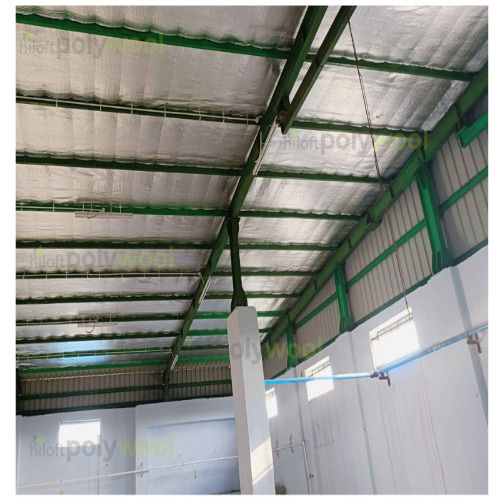
- Foam-based insulation, particularly those with foil backing, which can act as a reflective barrier and block signals
- Thick walls, which can absorb and scatter signals, reducing coverage and strength