GLP-1 Therapy for Body Weight Reduction: A Comprehensive Overview
Glucagon-like peptide-1 (GLP-1) receptor agonists have revolutionized the treatment of obesity and type 2 diabetes by providing a safe and effective means of weight reduction. These medications work by mimicking the action of the natural hormone GLP-1, which helps to regulate appetite and metabolism. In this article, we will delve into the world of GLP-1 therapy for body weight reduction, exploring its mechanisms of action, benefits, and potential side effects.
What is GLP-1 Therapy?
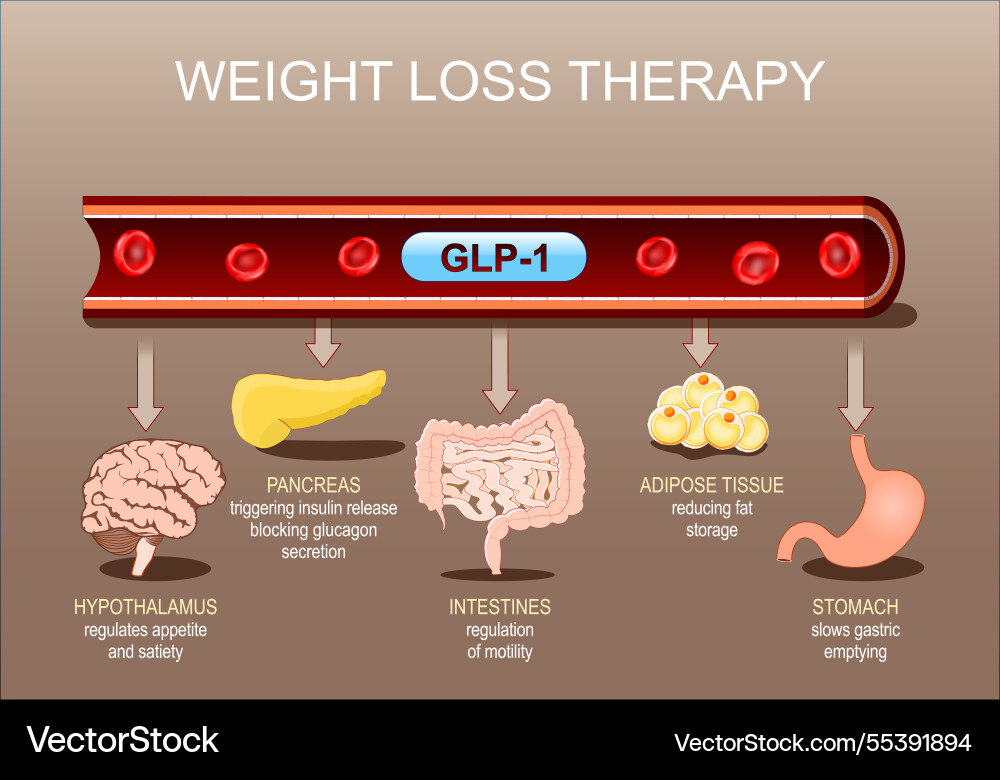
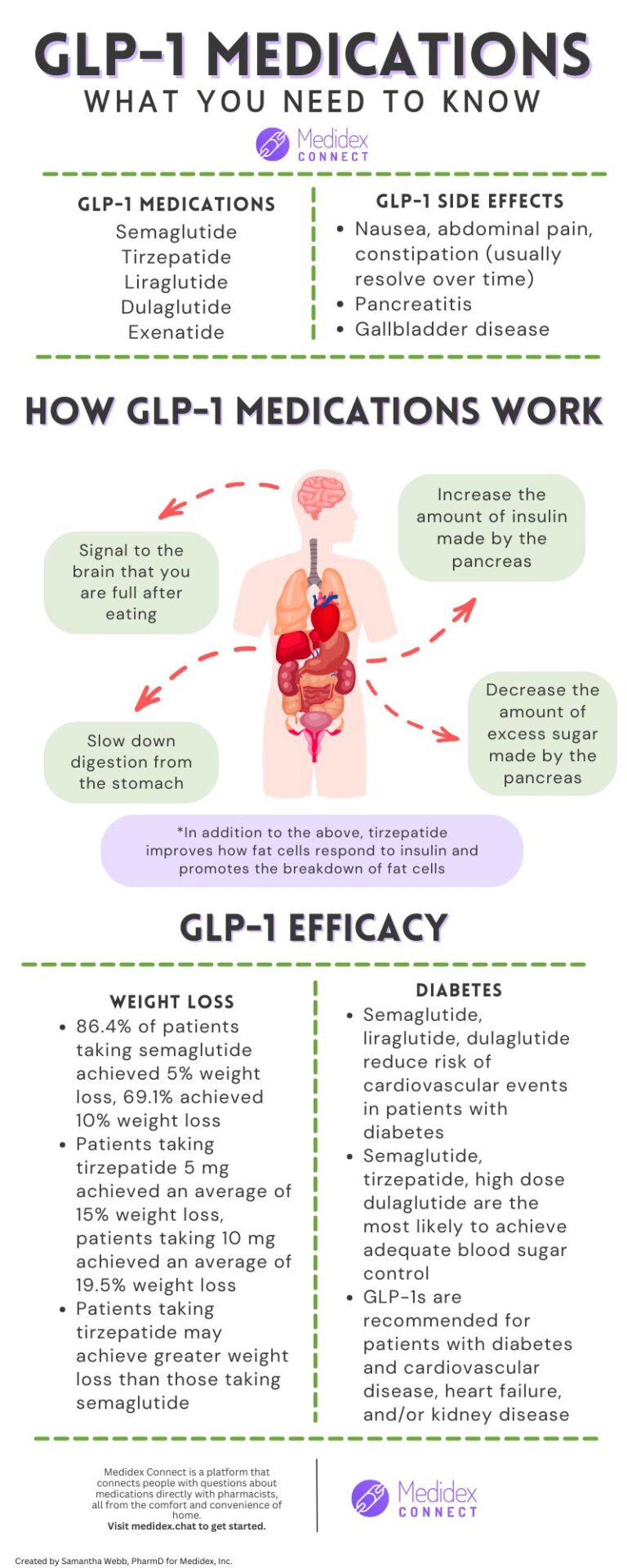
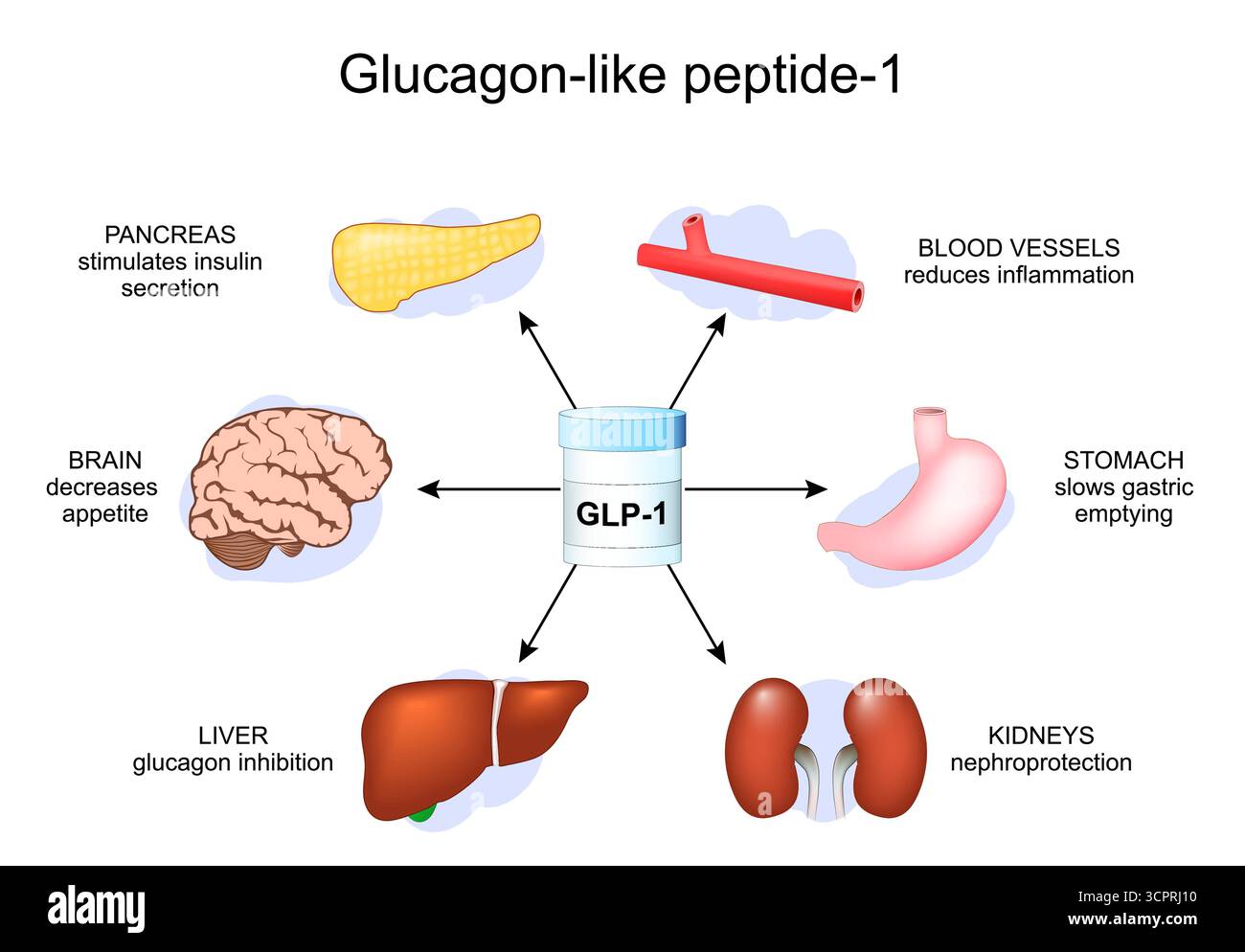
GLP-1 therapy involves the use of medications that stimulate the GLP-1 receptor, leading to increased insulin secretion and decreased glucose production in the liver. This results in a decrease in blood sugar levels and a reduction in body weight. GLP-1 receptor agonists are designed to mimic the action of the natural hormone GLP-1, which is released in response to food intake. By increasing GLP-1 levels, these medications help to suppress appetite and enhance feelings of fullness, leading to weight loss.

Benefits of GLP-1 Therapy for Body Weight Reduction
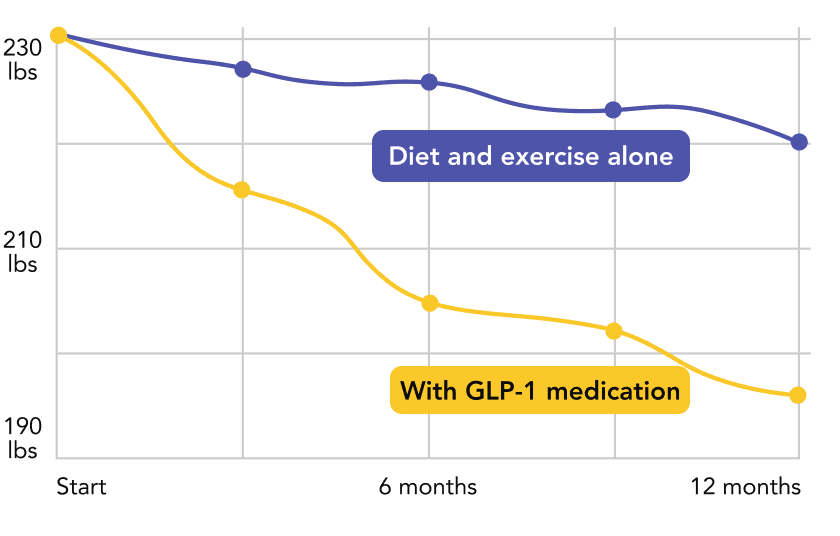
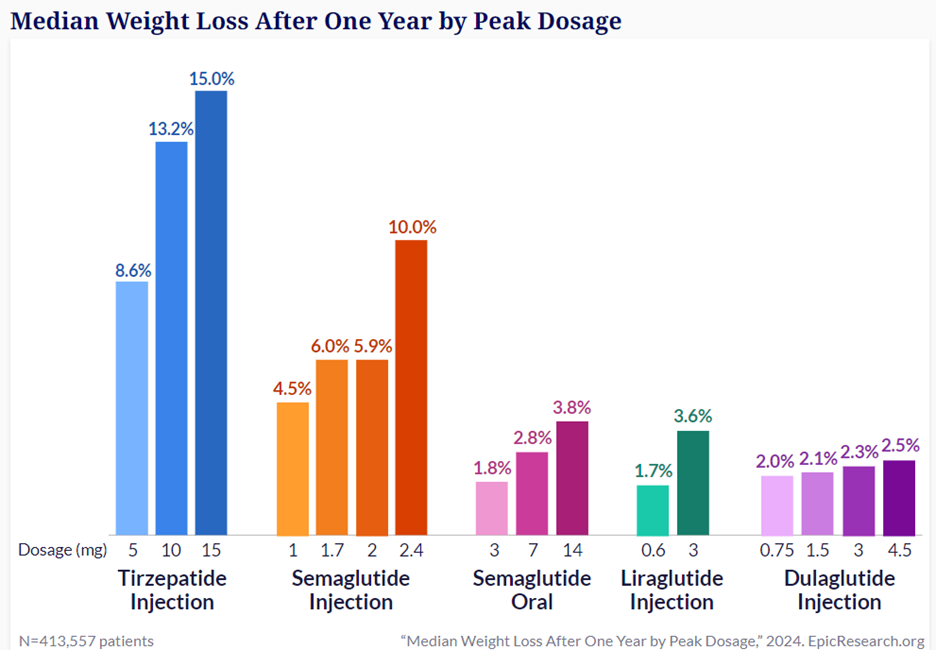
- Significant Weight Loss**: GLP-1 therapy has been shown to result in significant weight loss, with studies demonstrating an average weight reduction of 5% to 18%.
- Improved Metabolic Parameters**: GLP-1 therapy has been associated with improvements in metabolic parameters, including reductions in blood sugar levels and blood pressure.
- Reduced Cardiovascular Risk**: GLP-1 therapy has been shown to reduce the risk of major cardiovascular events, such as heart attacks and strokes.
- Enhanced Quality of Life**: GLP-1 therapy can improve quality of life by reducing symptoms of obesity, such as joint pain and sleep apnea.