GLP-1 Receptor Agonists and Cognitive Function: Exploring the Emerging Relationship
Glucagon-like peptide-1 (GLP-1) receptor agonists have revolutionized the management of type 2 diabetes and obesity, with their actions extending far beyond glycemic control and weight loss. Recent research has uncovered a novel relationship between GLP-1 receptor agonists and cognitive function, suggesting a potential therapeutic role in neurodegenerative diseases.
The Physiology of GLP-1 Receptor Agonists
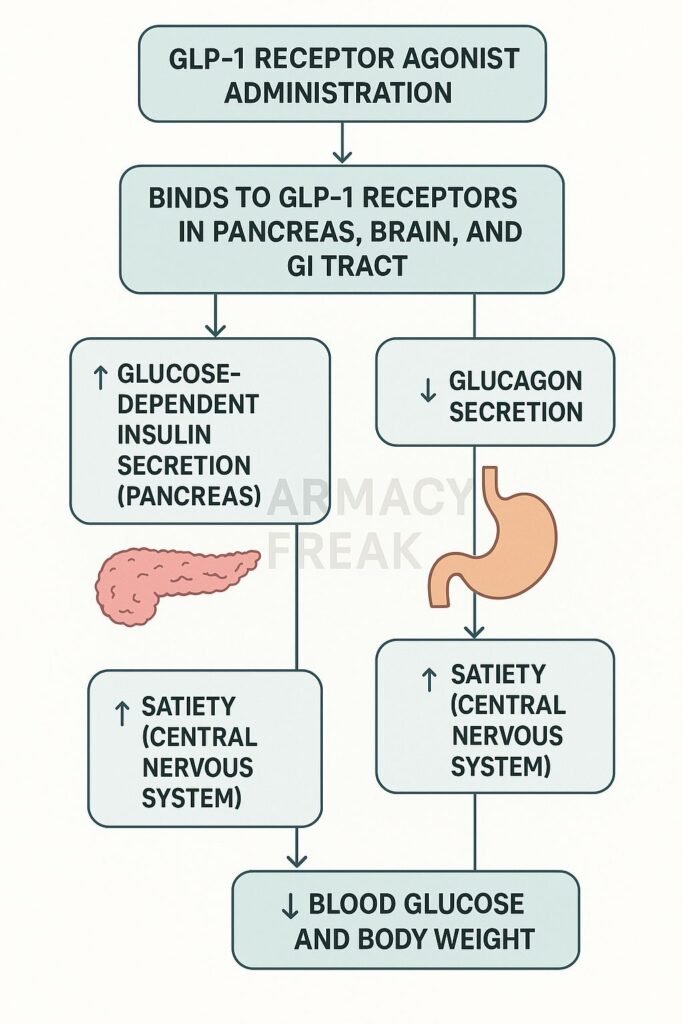
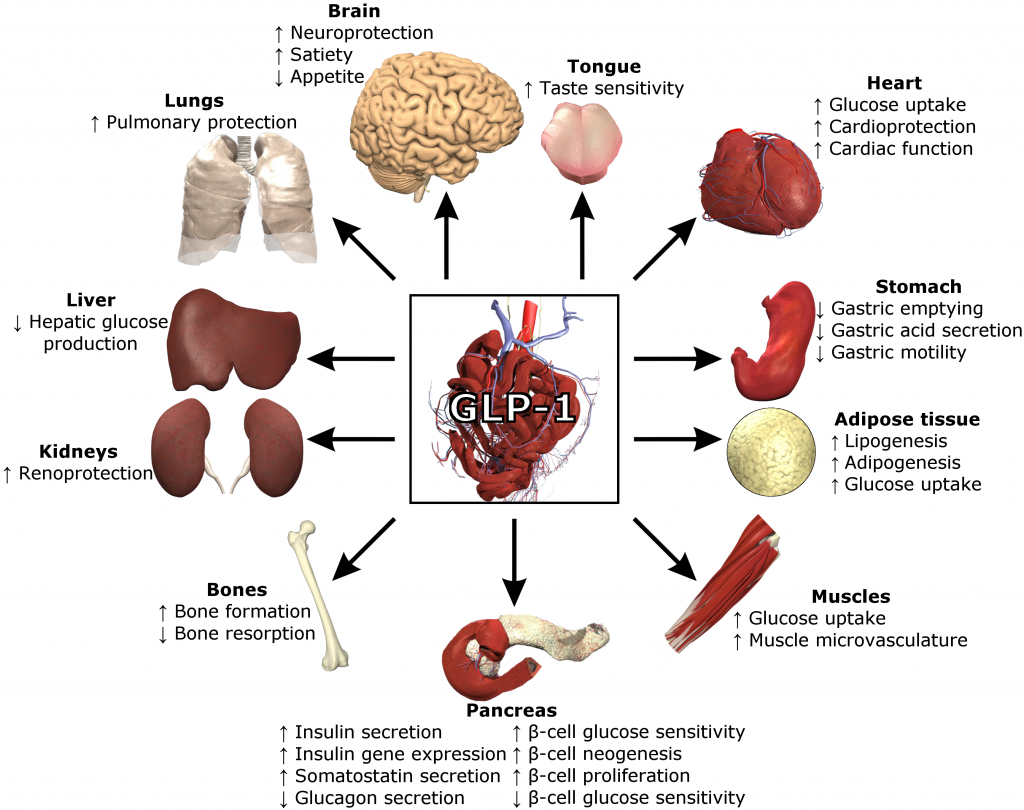
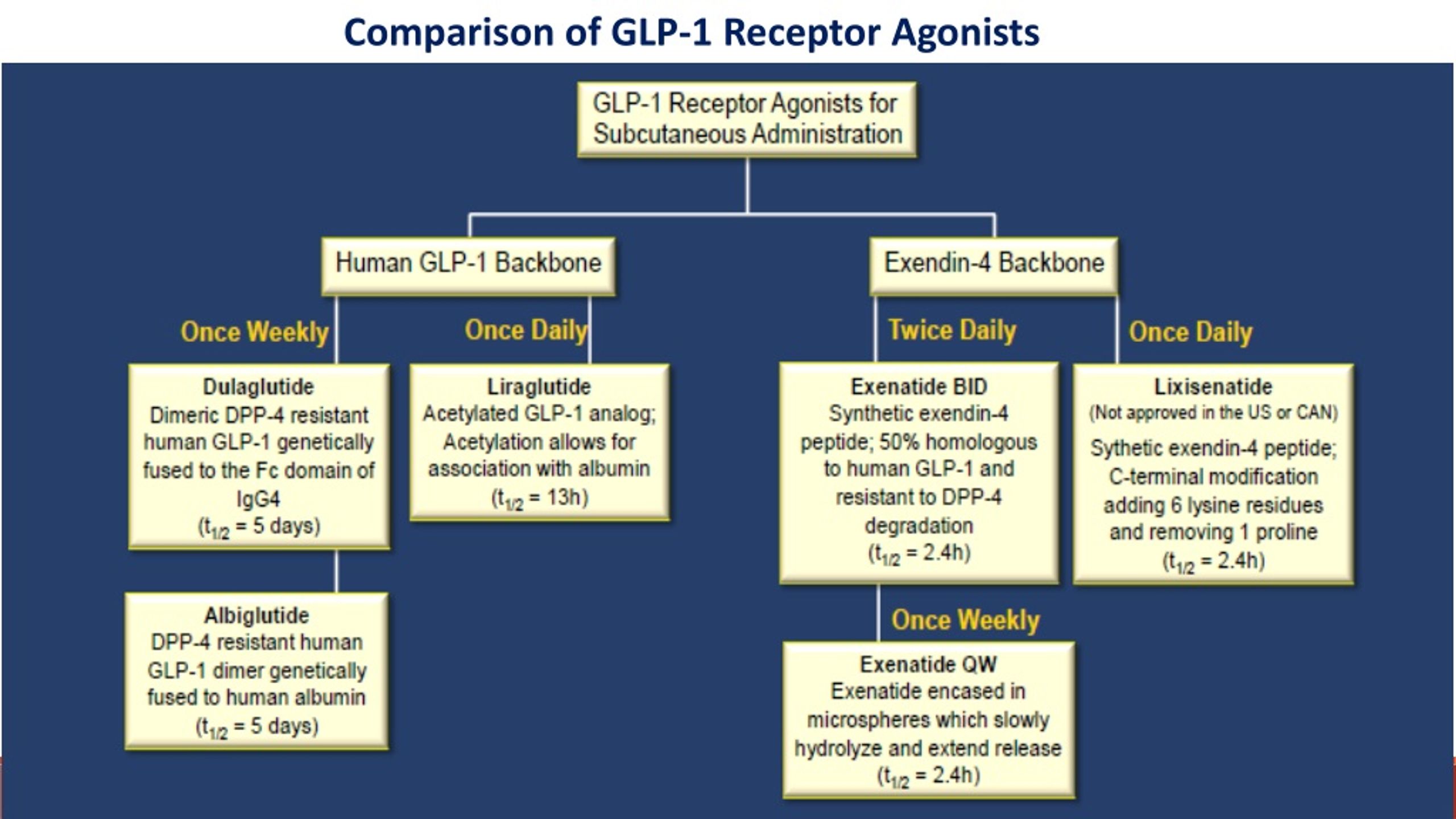
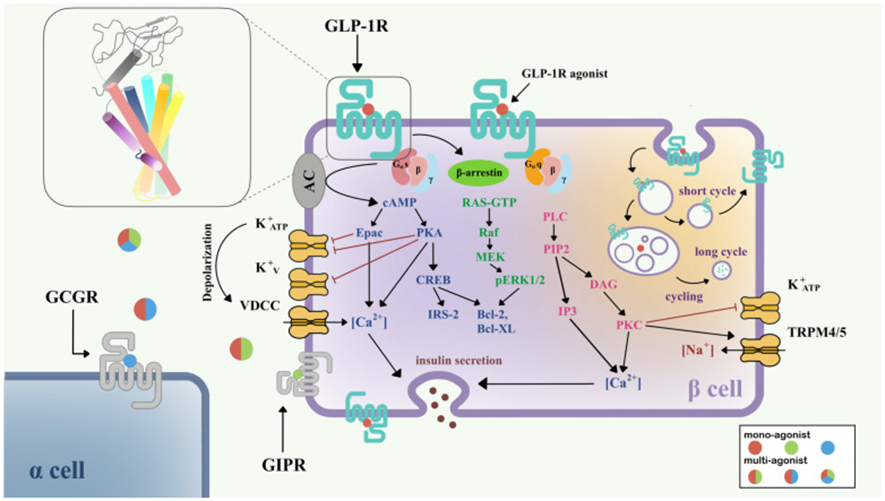
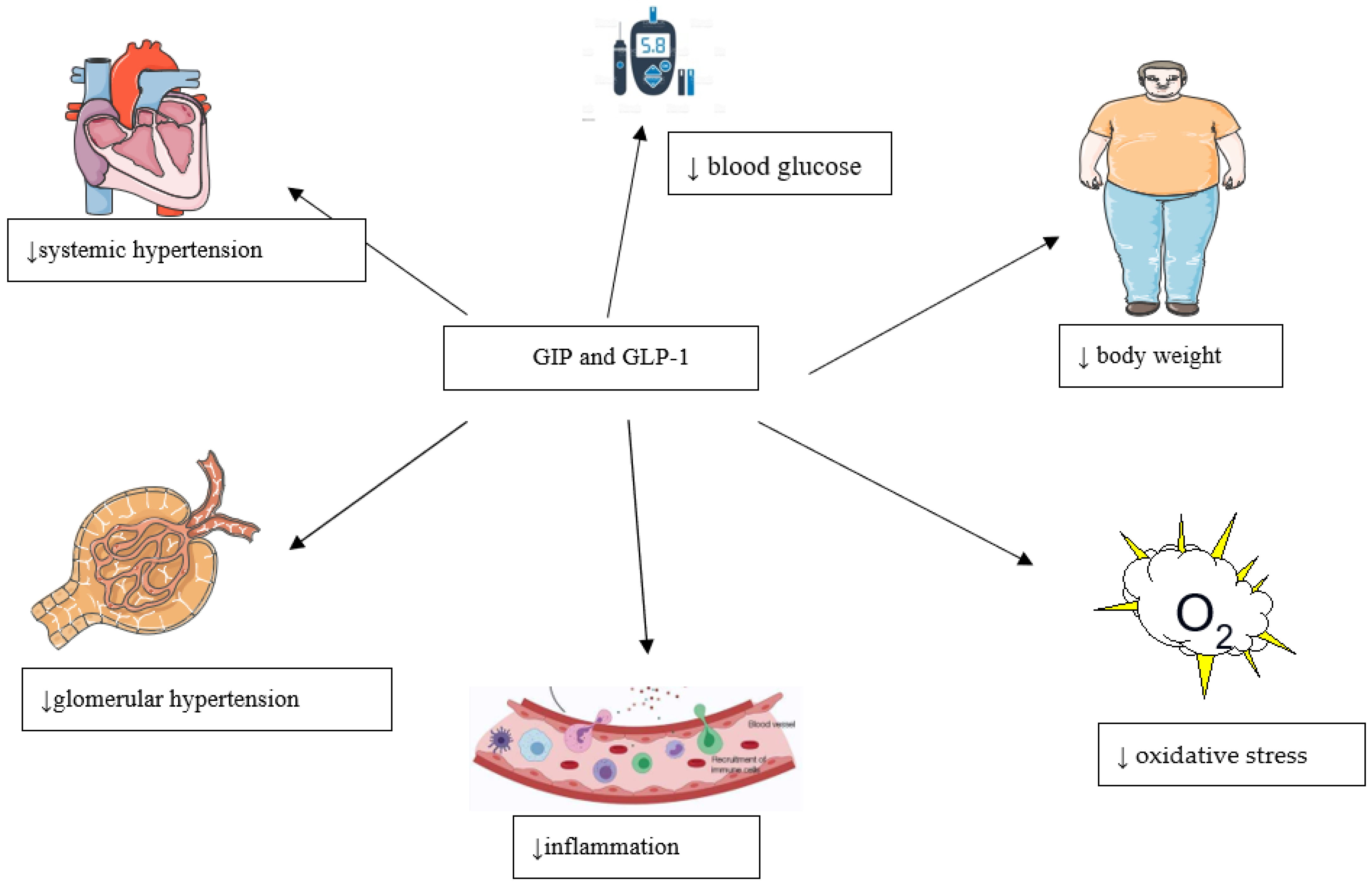
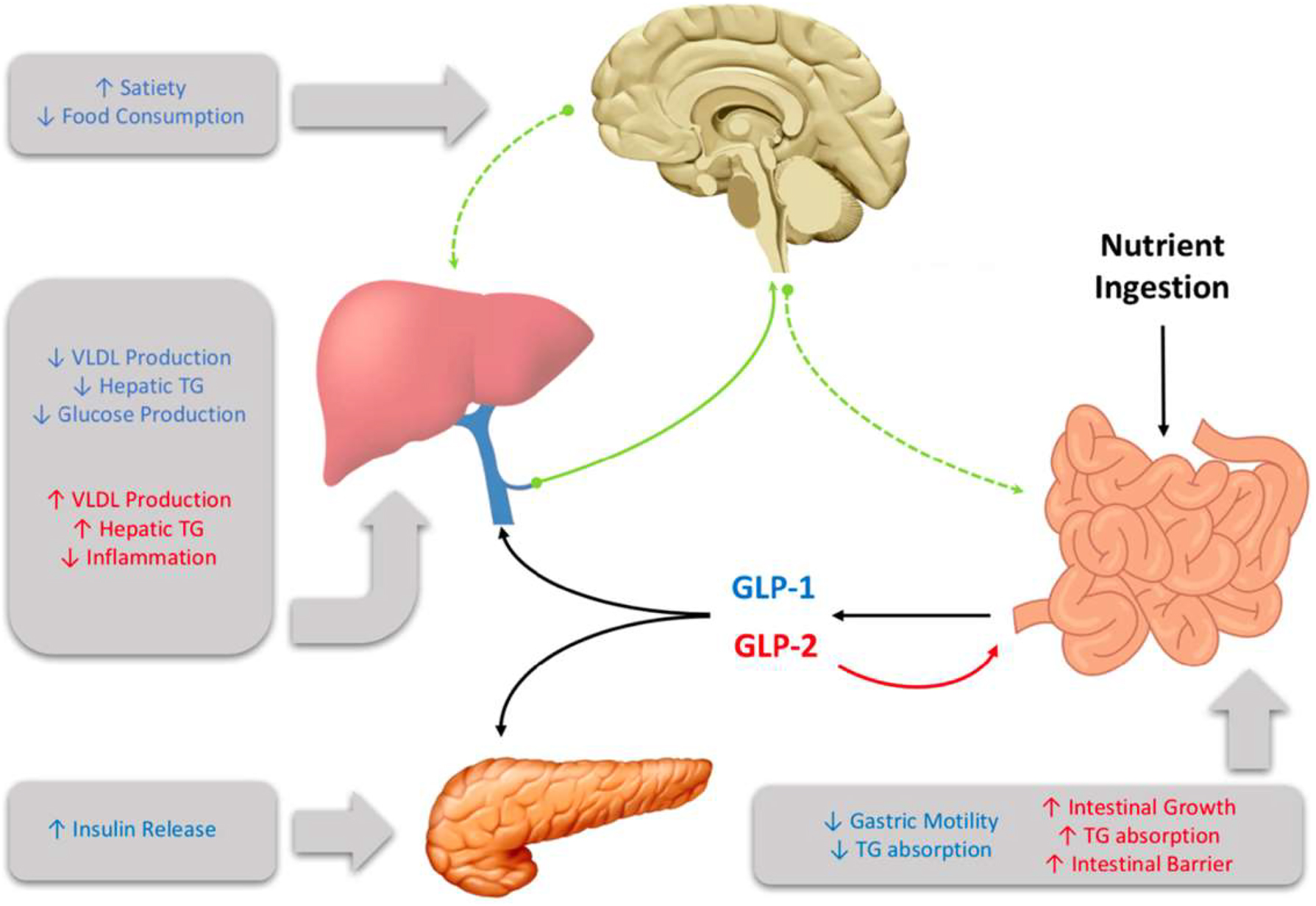
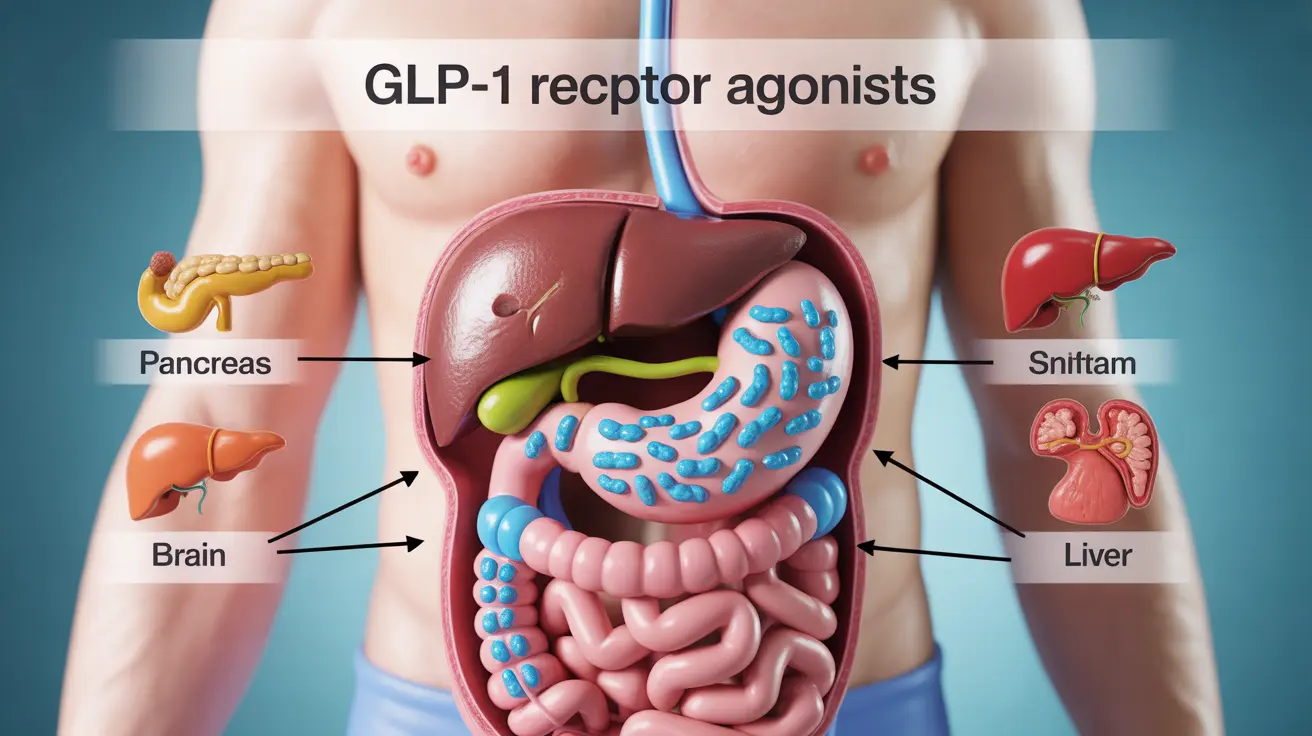
GLP-1 receptor agonists mimic the action of the natural hormone GLP-1, a key player in glucose homeostasis and appetite regulation. By binding to GLP-1 receptors, these agonists trigger a cascade of physiological responses, including improved insulin sensitivity, metabolic efficiency, and reduced appetite.

GLP-1 Receptor Agonists and Cognitive Function
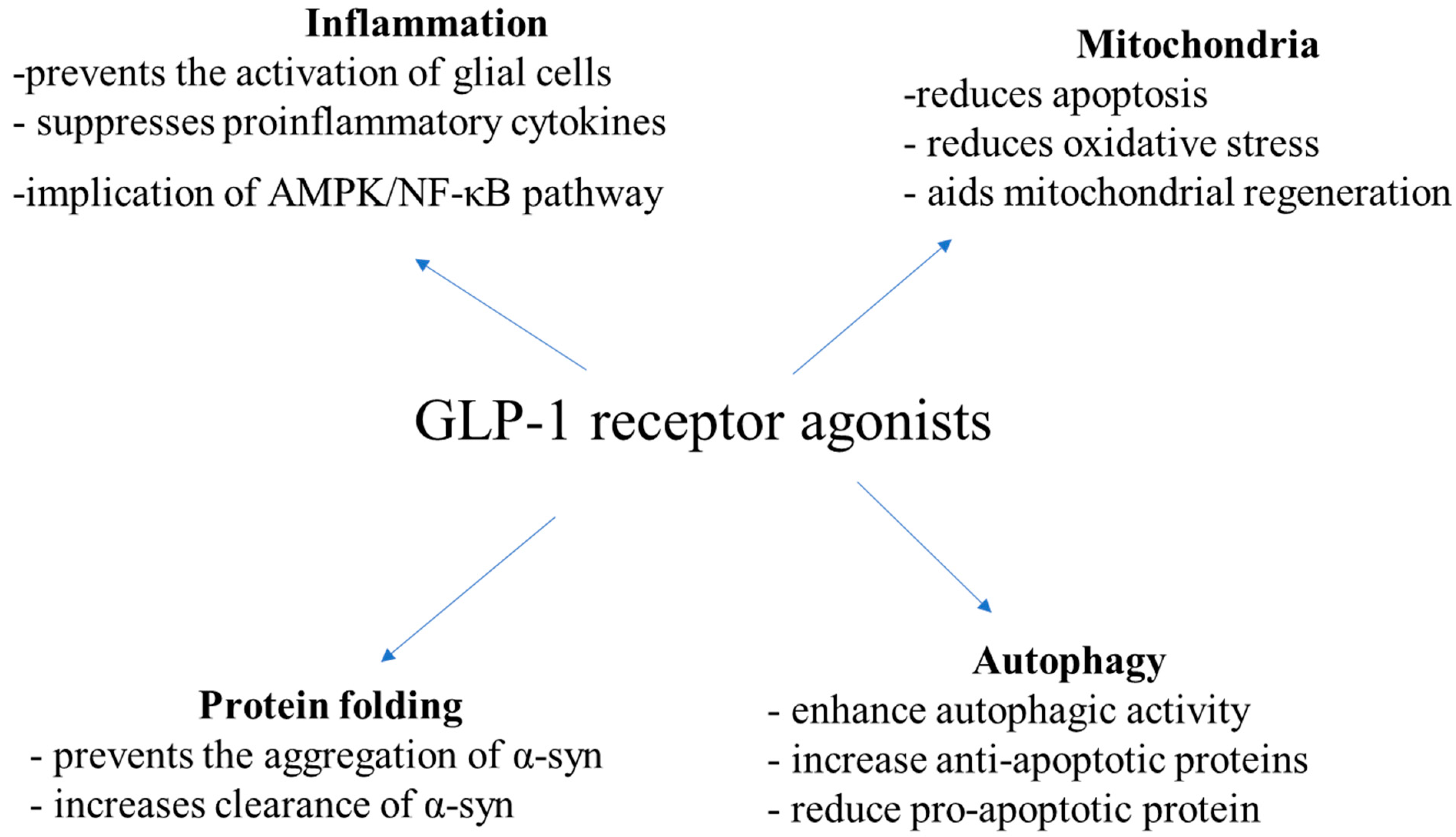
Emerging evidence suggests that GLP-1 receptor agonists may have a positive impact on cognitive function, particularly in individuals with type 2 diabetes. Studies have shown that GLP-1 receptor agonists can improve cognitive performance, enhance memory, and reduce the risk of dementia and Alzheimer's disease.
- Systematic reviews and meta-analyses have investigated the effects of GLP-1 receptor agonists on cognitive function in patients with type 2 diabetes, revealing a significant improvement in cognitive performance compared to placebo.
- Randomized controlled trials have demonstrated the efficacy of GLP-1 receptor agonists in reducing the risk of dementia and Alzheimer's disease in patients with type 2 diabetes.
- Neuroimaging studies have identified changes in brain activity and structure associated with GLP-1 receptor agonist treatment, including increased activation of the right parahippocampus and enhanced synaptic plasticity.