Decoding the Connection Between GLP-1 and Food Cravings
Since the approval of GLP-1 medications for weight loss and diabetes management, numerous individuals have experienced a profound shift in their relationship with food. One of the most significant benefits reported by many patients is the reduction in food cravings and overeating. But what exactly happens when GLP-1 medications interact with our stomachs, brains, and bodies, leading to these remarkable changes? In this article, we'll delve into the intricacies of GLP-1 and food cravings, exploring the science behind this complex relationship.
What is GLP-1?
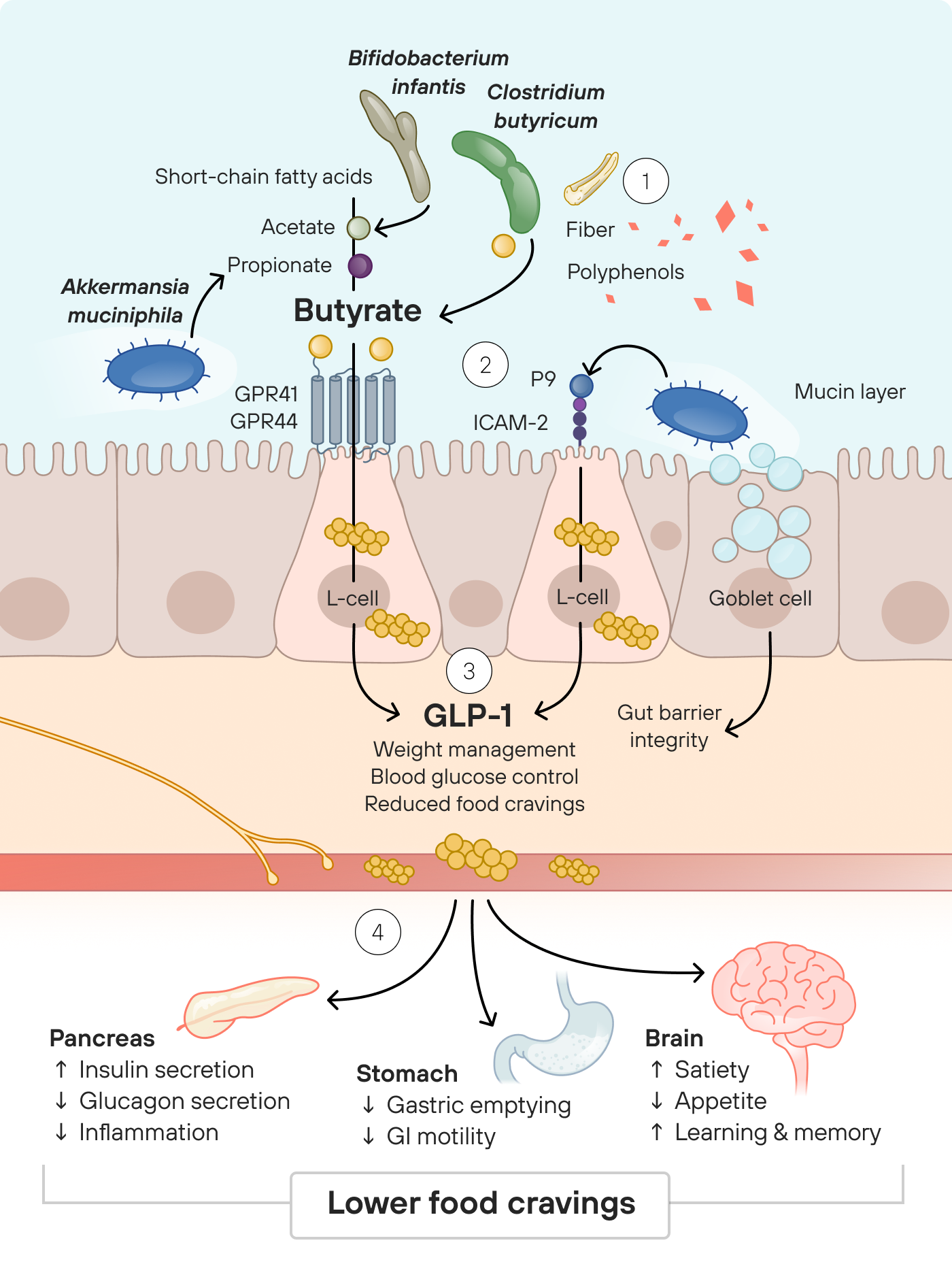
GLP-1 stands for glucagon-like peptide-1, a naturally occurring hormone produced by the intestines. This hormone plays a crucial role in appetite regulation, digestion, and insulin release. When GLP-1 medications mimic this hormone, they slow down gastric emptying, increase satiety, reduce hunger, and influence reward pathways related to eating behavior.

The Impact on Food Cravings
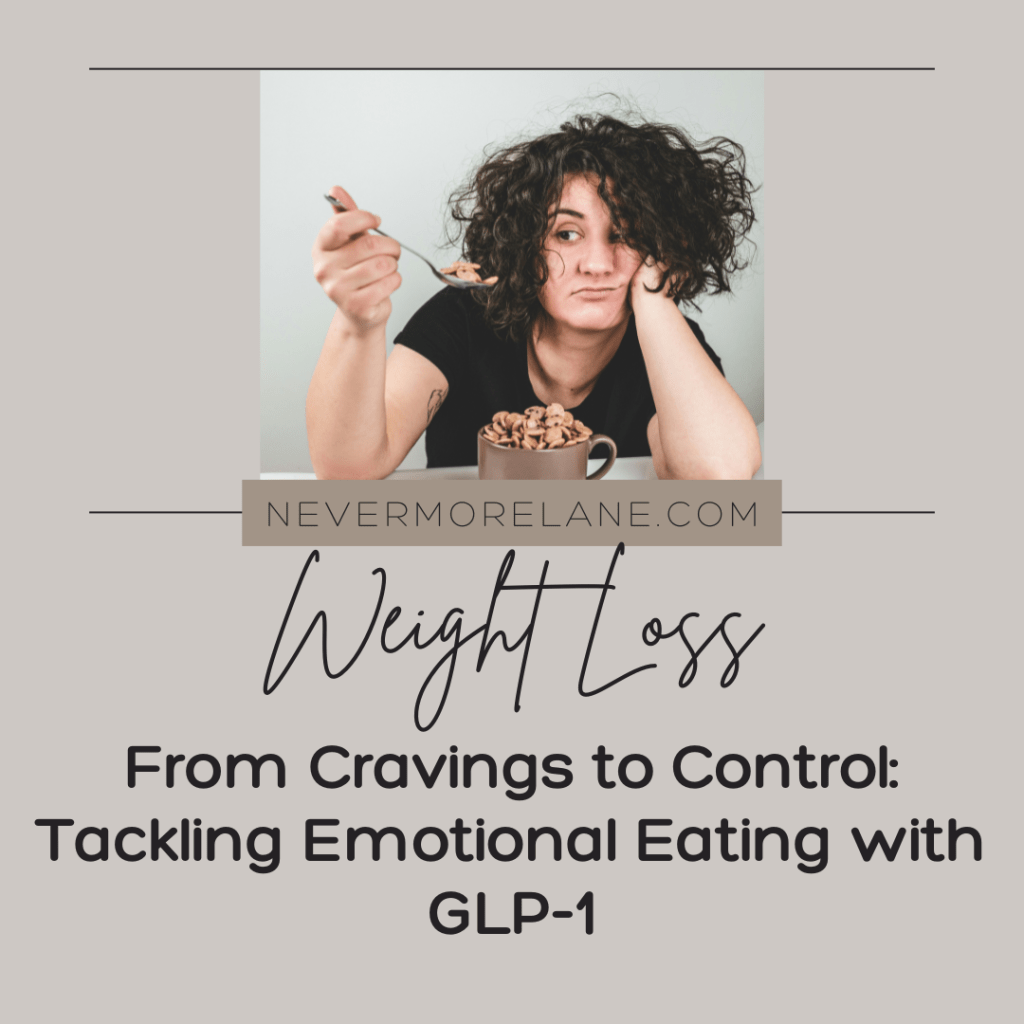
Studies have consistently shown that GLP-1 medications lead to a significant reduction in food cravings and overeating. This is due to the medication's influence on the brain's reward pathways, which are responsible for regulating emotions, motivation, and eating behavior. By targeting these pathways, GLP-1 medications can quieten overactive "emotional eating" responses, helping individuals feel more in control of their food choices.