Understanding GLP-1 and Blood Sugar Management Techniques
Managing blood sugar levels has become a pressing concern for people with type 2 diabetes and those trying to maintain a healthy lifestyle. Glucagon-like peptide-1 (GLP-1) agonists have emerged as a groundbreaking class of medications for managing blood sugar levels, weight, and associated metabolic disorders. But what exactly is GLP-1, and how can it help with blood sugar management?
What is GLP-1?
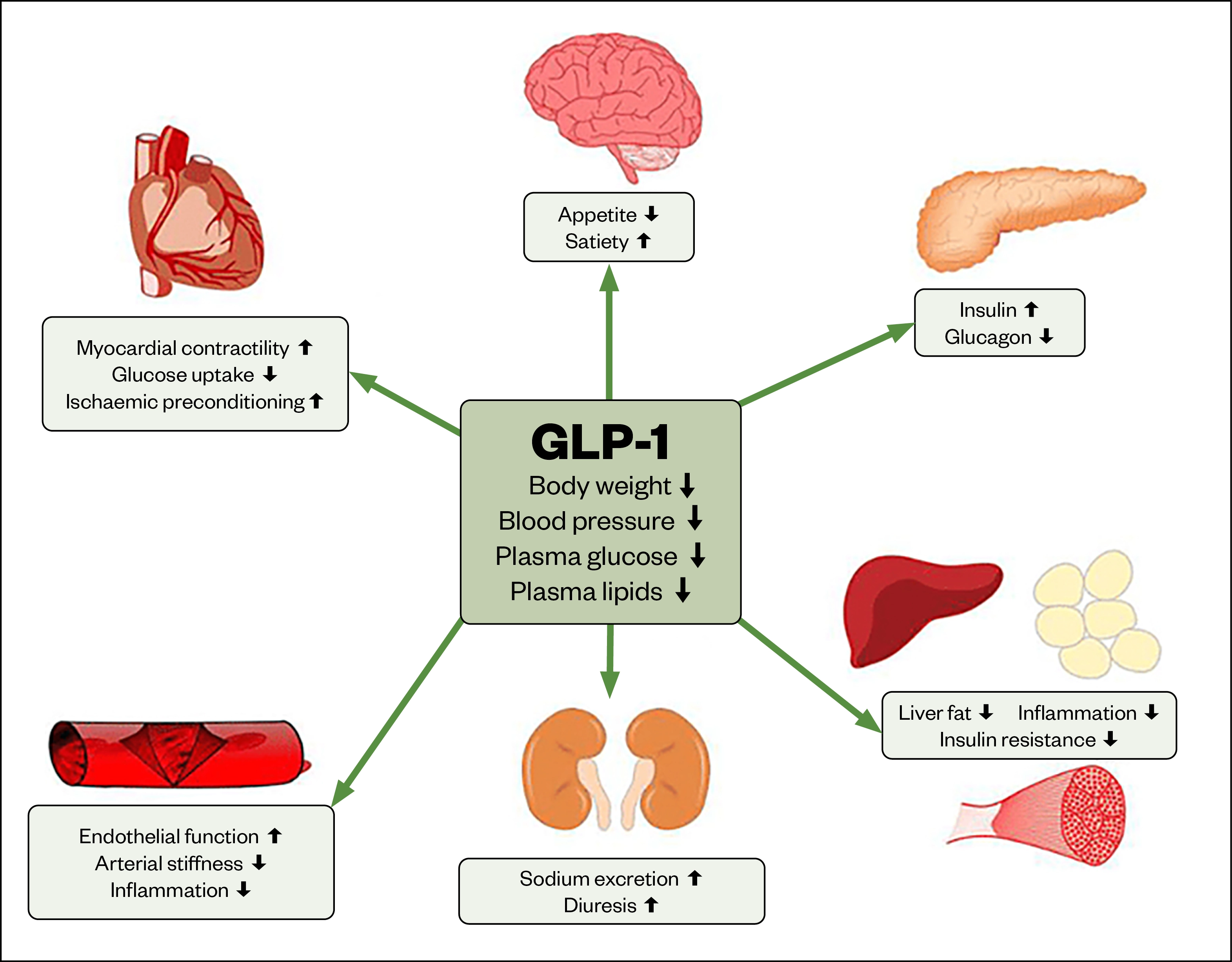
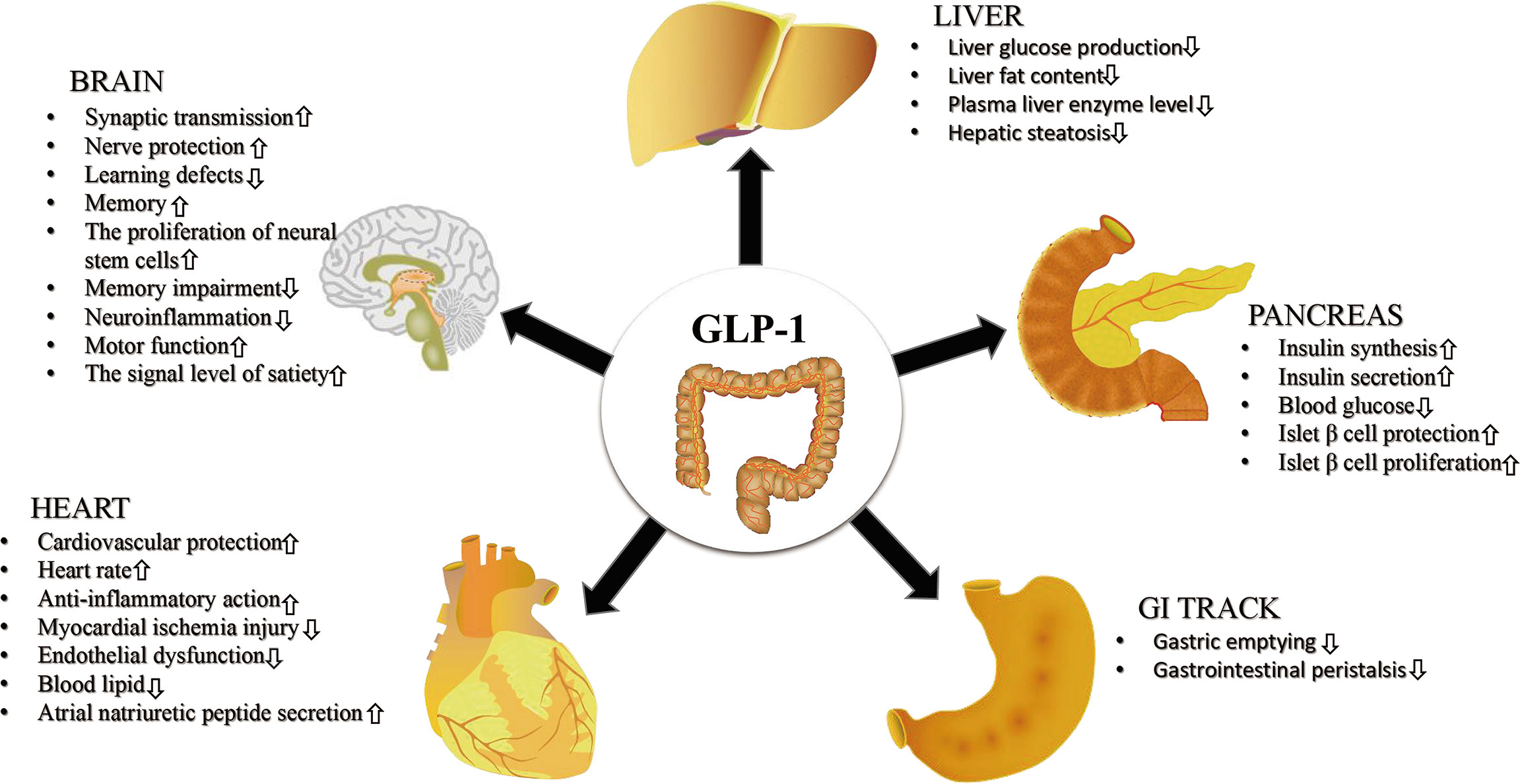
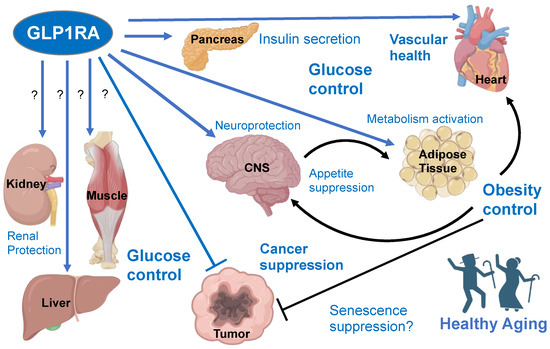
GLP-1, or glucagon-like peptide-1, is a hormone that plays a vital role in regulating blood sugar levels, hunger, and digestion. It is a natural hormone produced by the gut in response to eating and helps stimulate the release of insulin, the hormone responsible for lowering blood sugar levels. When we eat, our blood glucose rises, and GLP-1 works with the pancreas to release insulin to balance blood sugar levels. However, in people with type 2 diabetes, the body may not respond properly to GLP-1, leading to poor blood sugar control.

Benefits of GLP-1 Agonists
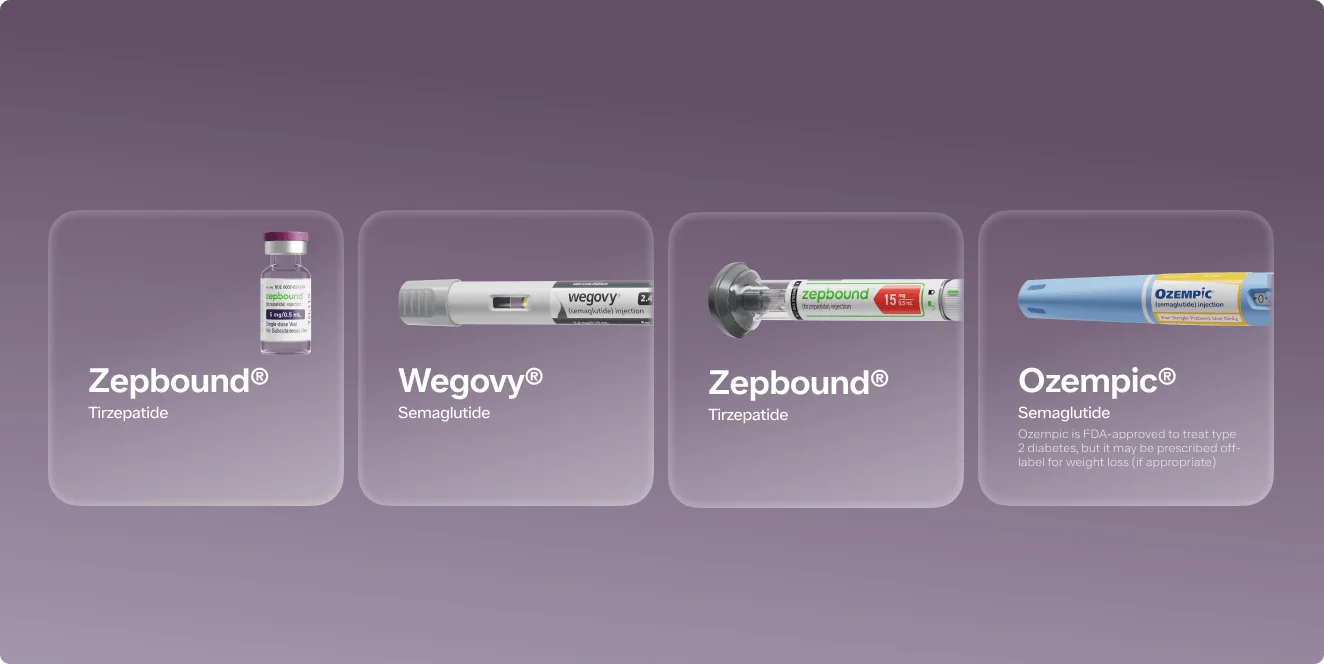
GLP-1 agonists, such as semaglutide (Ozempic) and tirzepatide (Zepbound), mimic the effects of natural GLP-1 to improve glycemic control and other metabolic benefits. By making diet and exercise less challenging and less painful, these medications have understandably become popular among people looking to manage their weight and blood sugar levels. Benefits include reduced fasting and postprandial glucose levels, improved body composition, and a potential reduction in cardiovascular disease risk. They also work with the pancreas to slow the emptying of the stomach and enhance the sensation of fullness, helping to reduce appetite and promote weight loss.