GLP-1 Agonist and Cardiovascular Risk Management: A Comprehensive Review
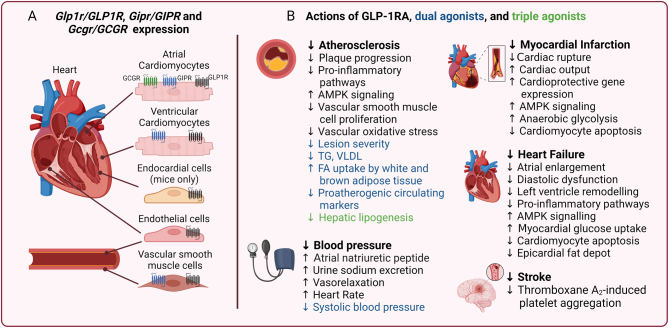
Cardiovascular outcome trials (CVOTs) in people living with type 2 diabetes mellitus and obesity have confirmed the cardiovascular benefits of glucagon-like peptide 1 receptor agonists (GLP-1RAs), including reduced cardiovascular mortality, lower rates of myocardial infarction, and lower rates of stroke.
GLP-1 Agonist: A Novel Approach to Cardiovascular Risk Management
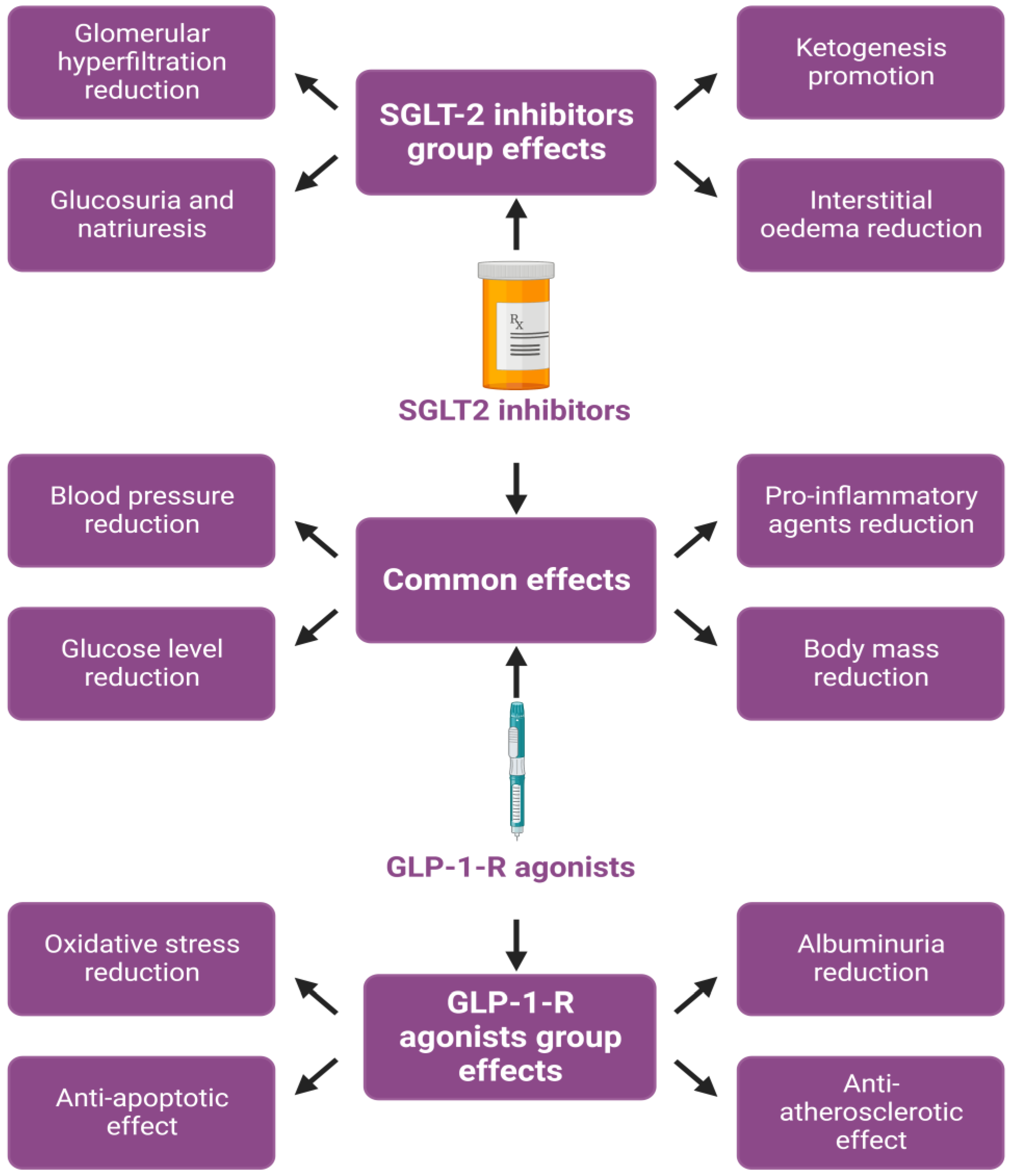
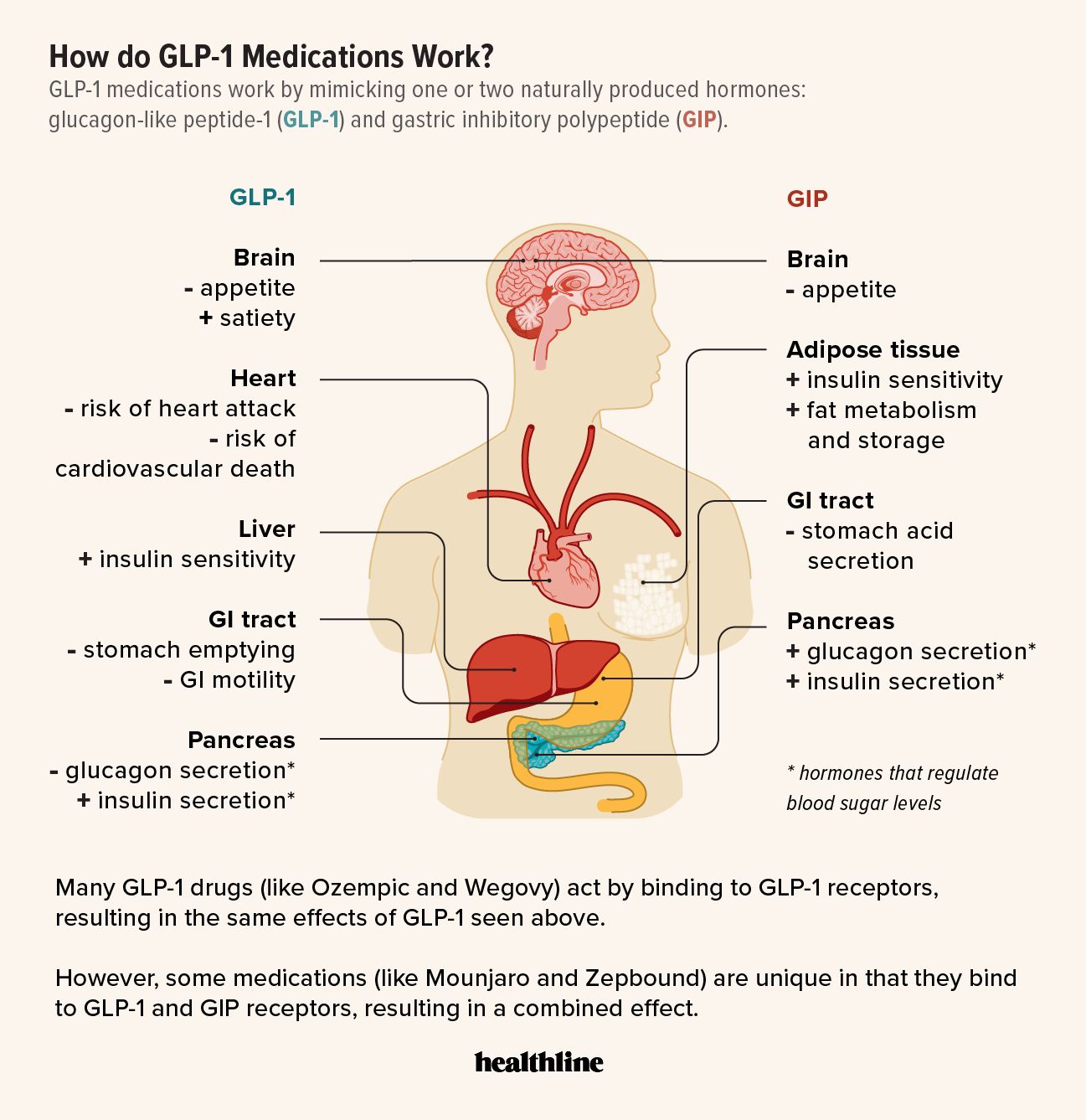
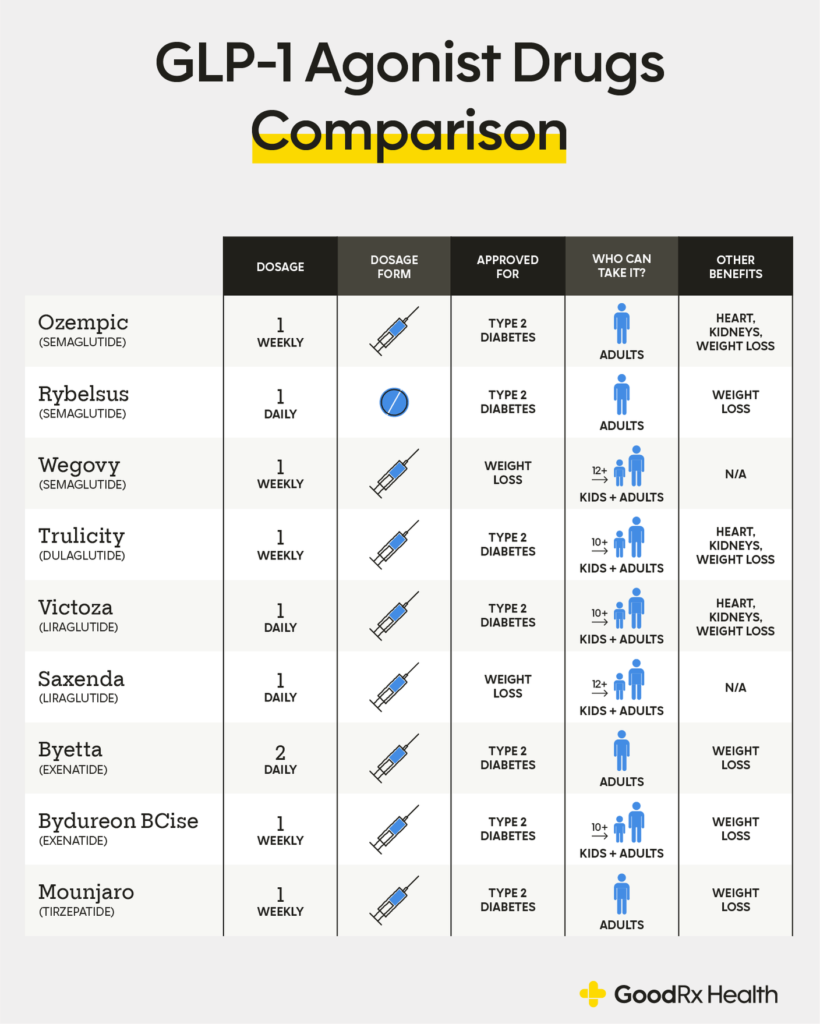
GLP-1 agonists mimic incretin hormones naturally produced in the intestines, regulating blood sugar by stimulating insulin release when glucose levels rise and slowing gastric emptying. This mechanism has led to the development of GLP-1 receptor agonists as a class of medications that help lower blood sugar, support weight loss, reduce the risk of heart and kidney complications, and can even lower the risk of early death in people with type 2 diabetes.
Cardiovascular Benefits of GLP-1 Agonist

The cardiovascular benefits of GLP-1 agonists have been extensively studied, and the evidence suggests that these medications can reduce the risk of major adverse cardiovascular events, including heart attack, stroke, and cardiovascular death. Additionally, GLP-1 agonists have been shown to lower the risk of kidney disease, heart failure, and other serious health conditions.
Long-term Safety and Efficacy of GLP-1 Agonist
Long-term data support the safety and efficacy of GLP-1 agonists in patients with existing cardiovascular disease, making them a preferred option in this population. However, the benefits of GLP-1 agonists may not be permanent, and interrupting or quitting GLP-1 therapy can quickly reverse these benefits, increasing the risk of major cardiovascular events.