Examining GLP-1 Receptors: Unlocking the Secrets of a Complex Therapeutic Target
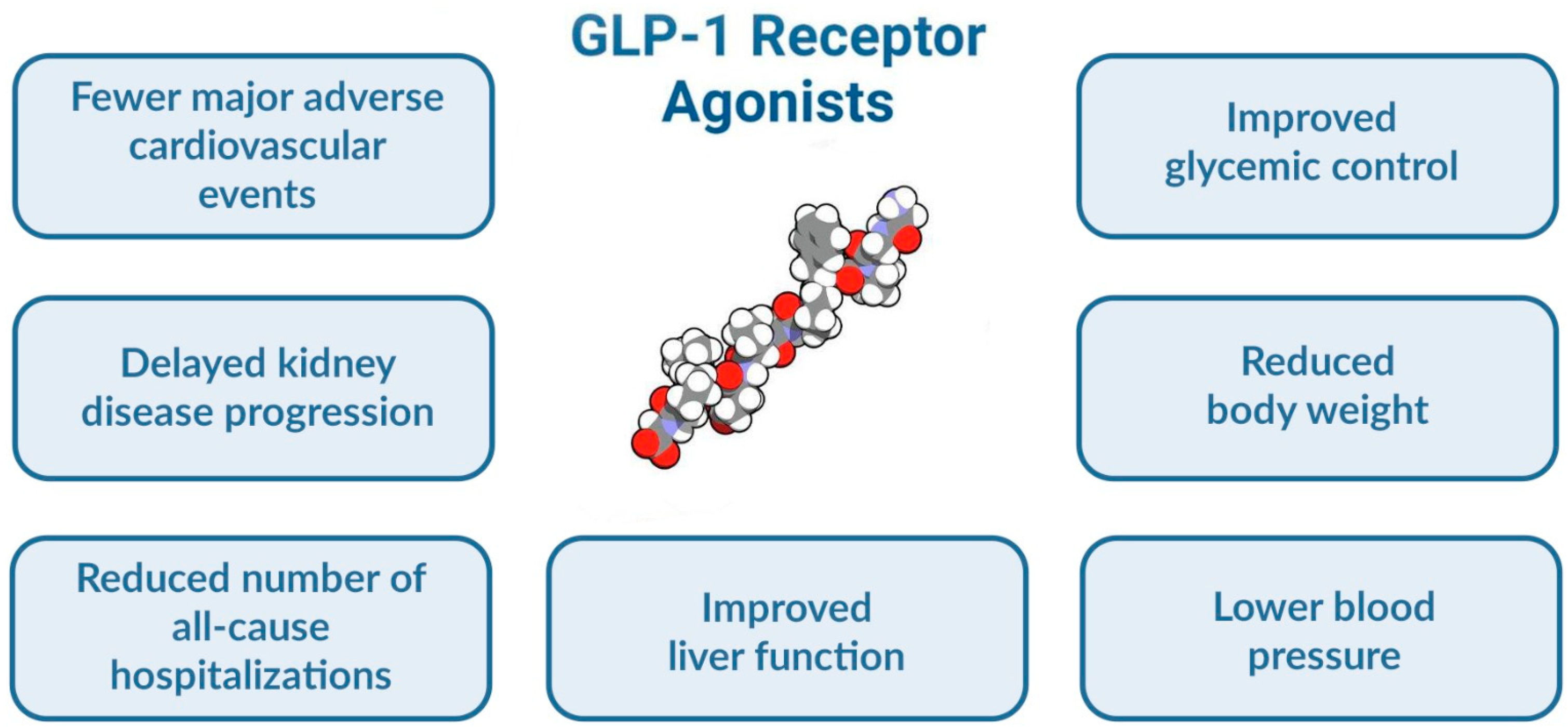
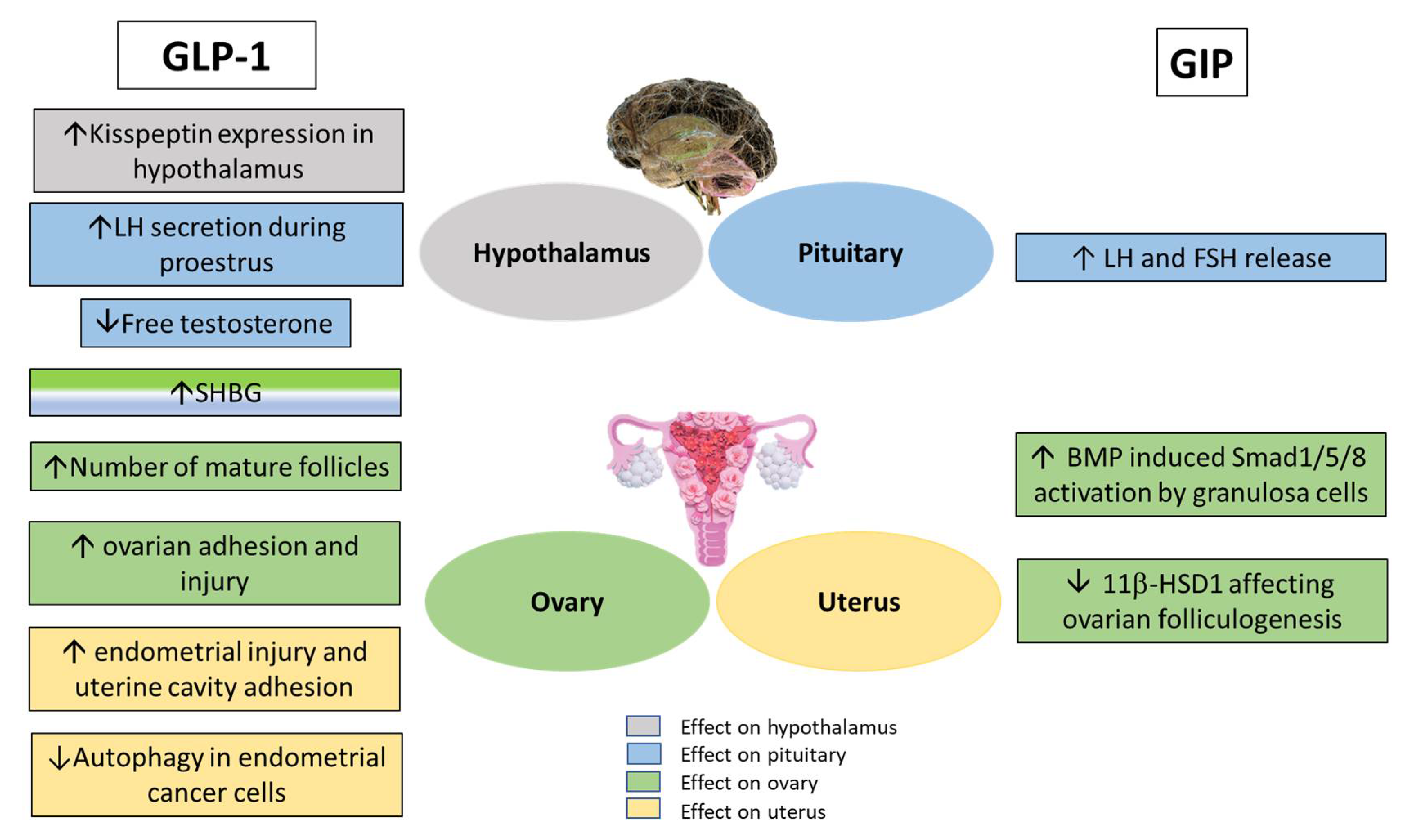
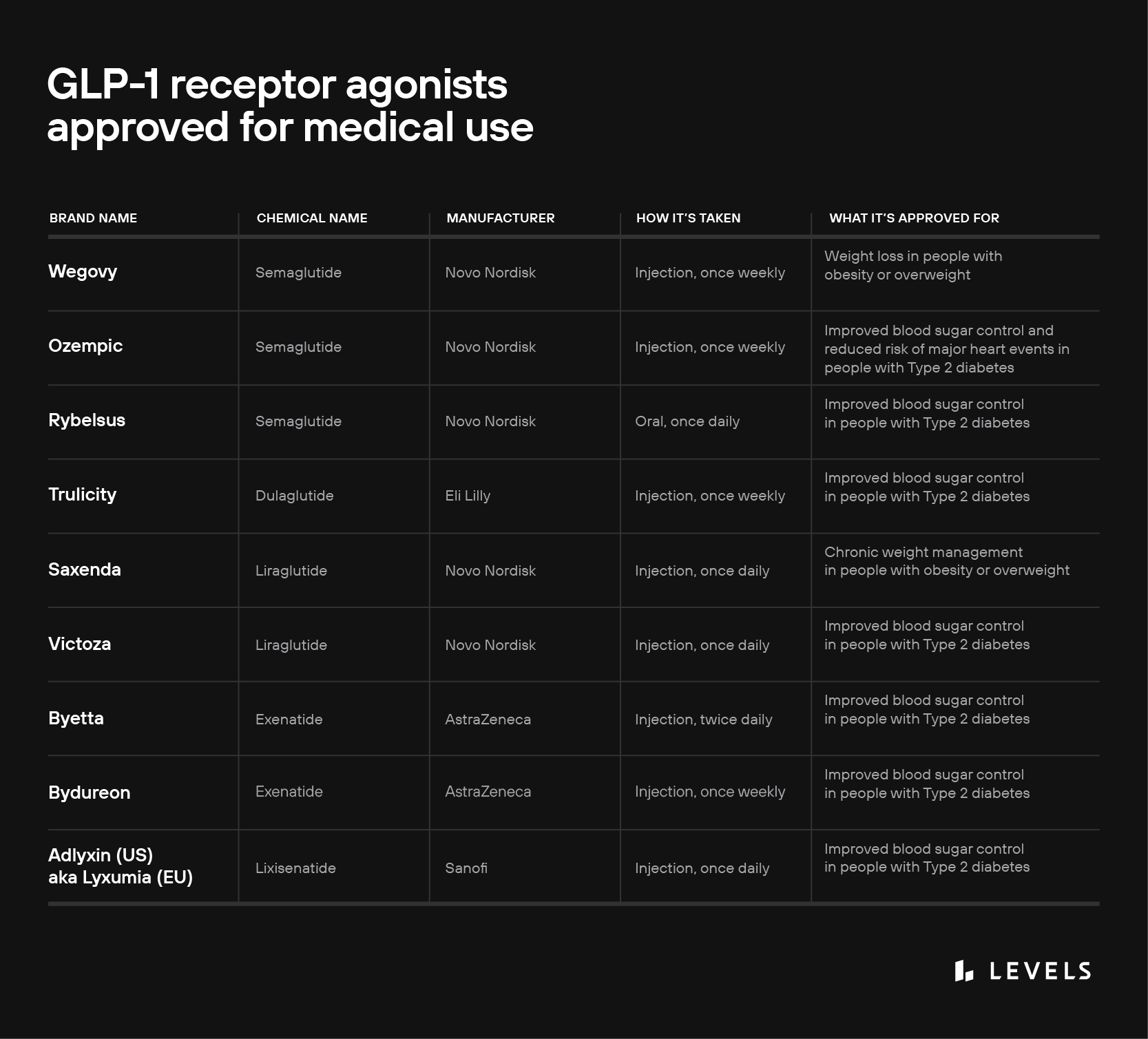
The glucagon-like peptide-1 (GLP-1) receptor has been at the forefront of therapeutic research in recent years, with GLP-1 receptor agonists (GLP-1RAs) emerging as a promising treatment option for a range of diseases, from diabetes and obesity to cardiovascular disease and even neurological disorders. As our understanding of the GLP-1 receptor and its complex signaling pathways continues to evolve, researchers and clinicians are increasingly looking to unlock the full potential of GLP-1RAs as a multifaceted therapeutic strategy.
A Brief Overview of the GLP-1 Receptor
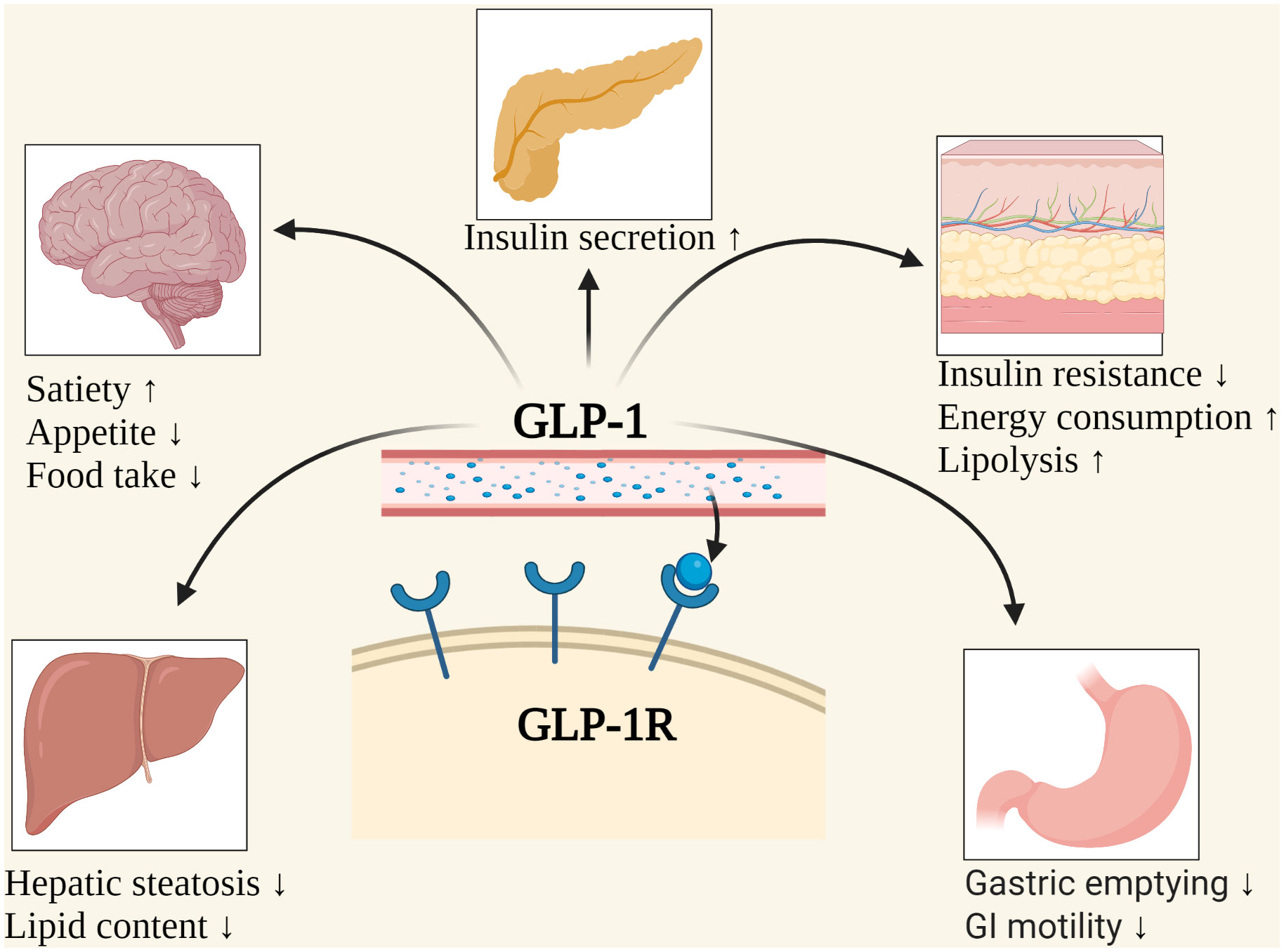
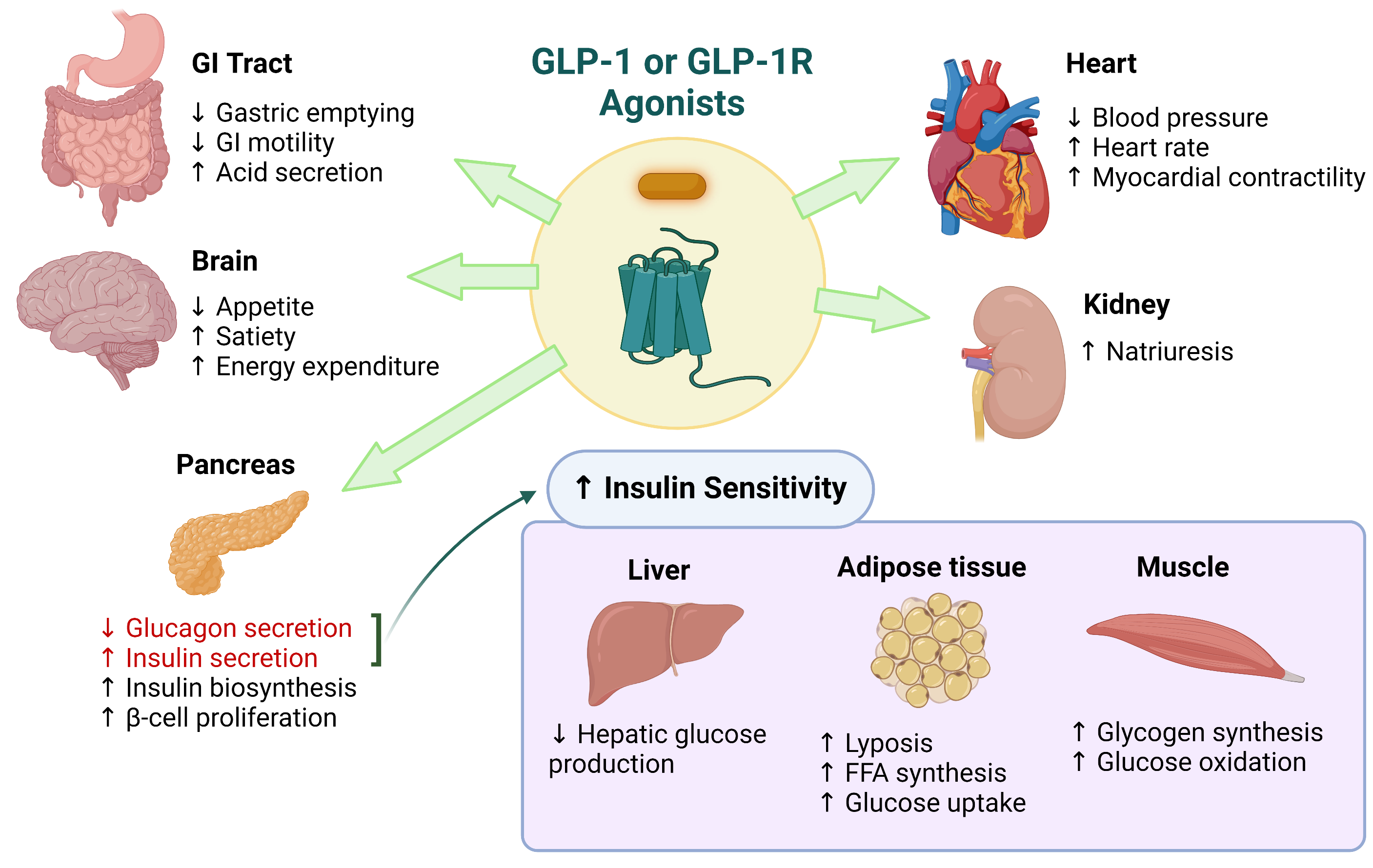
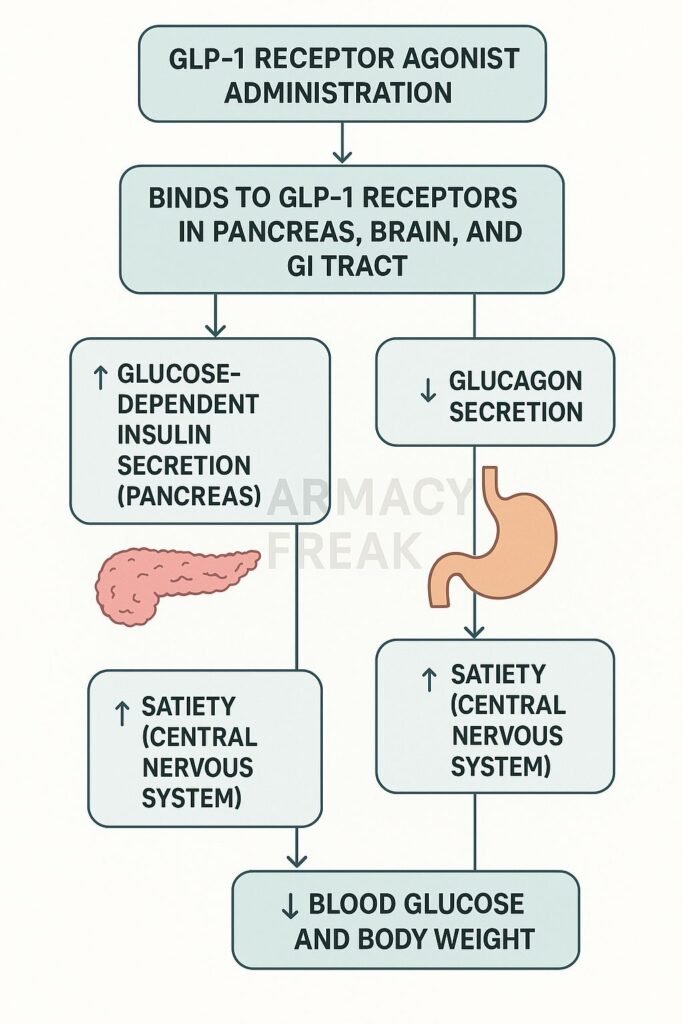
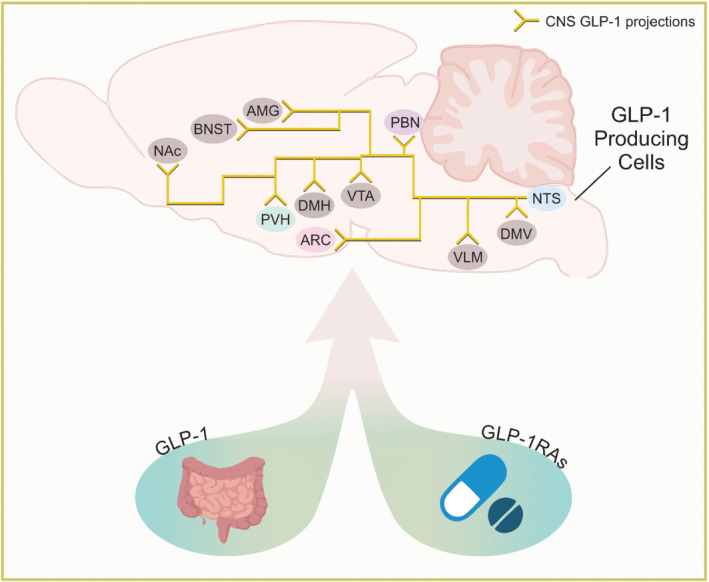
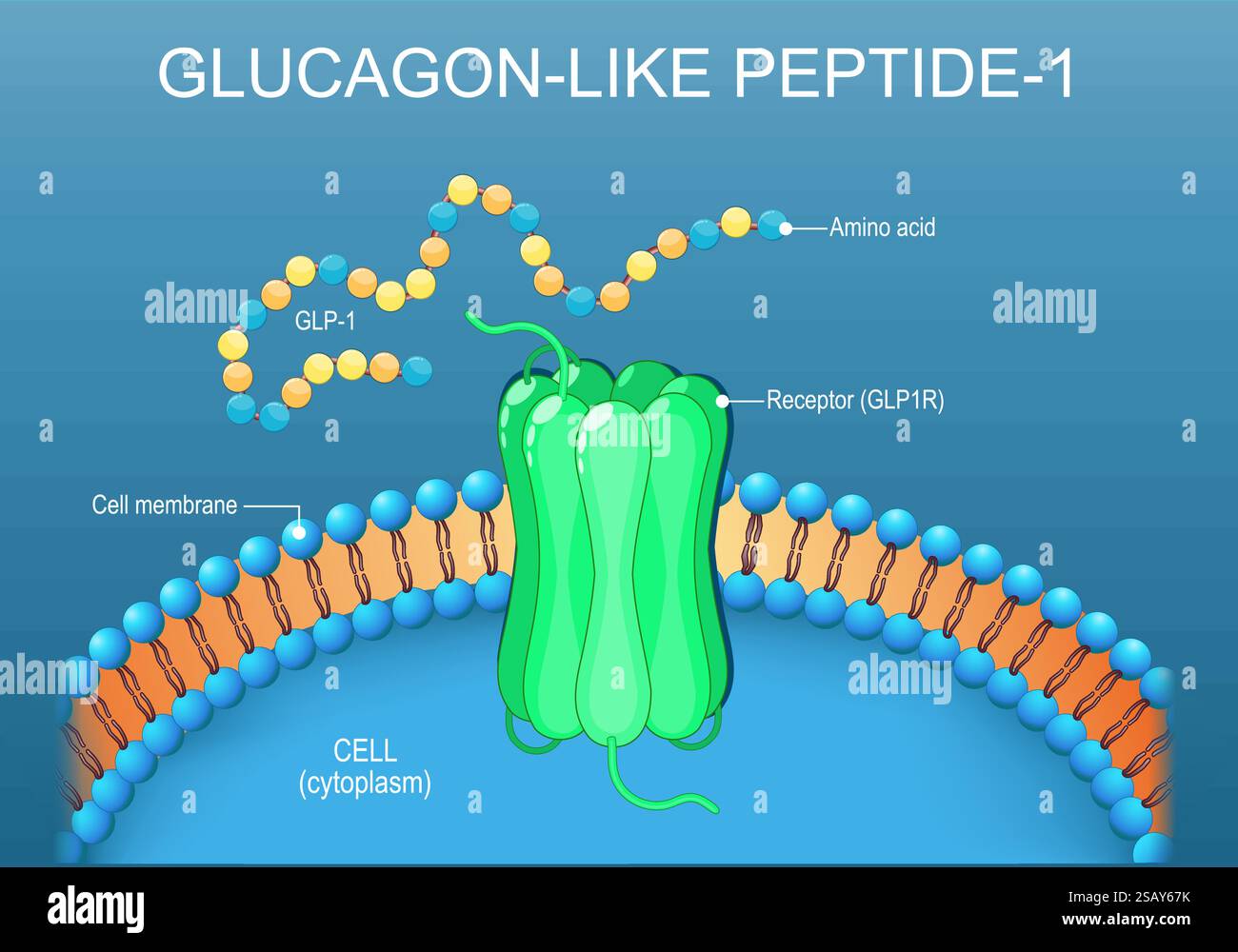
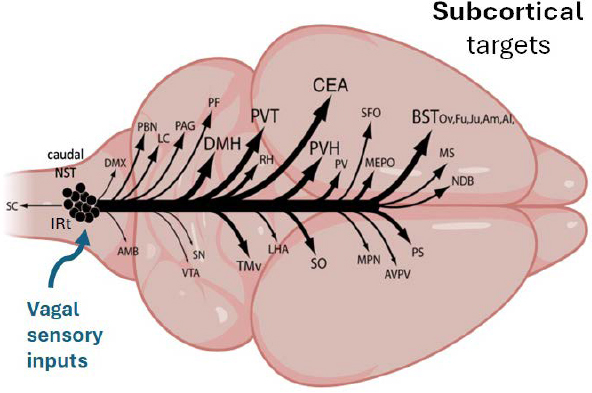
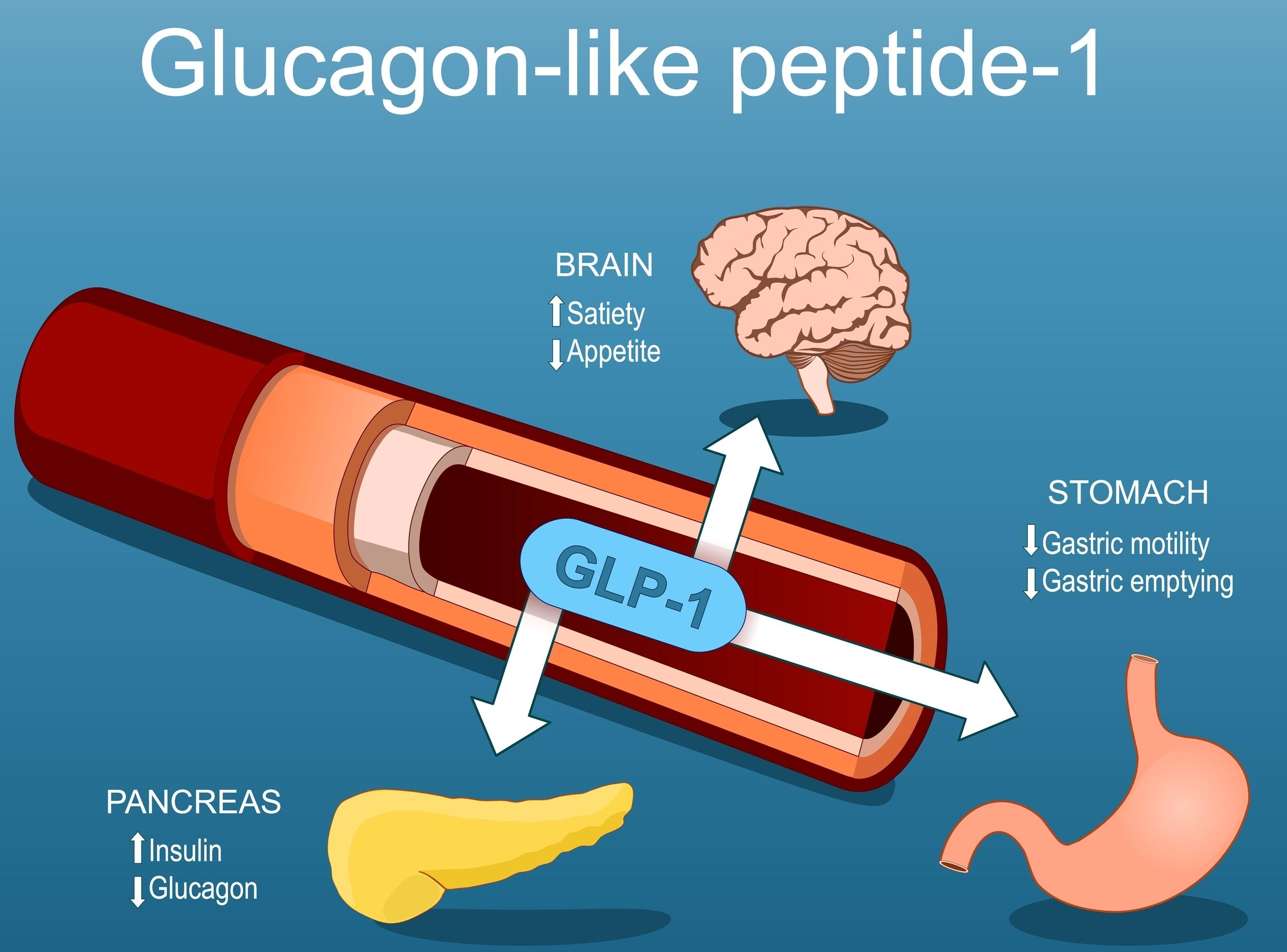
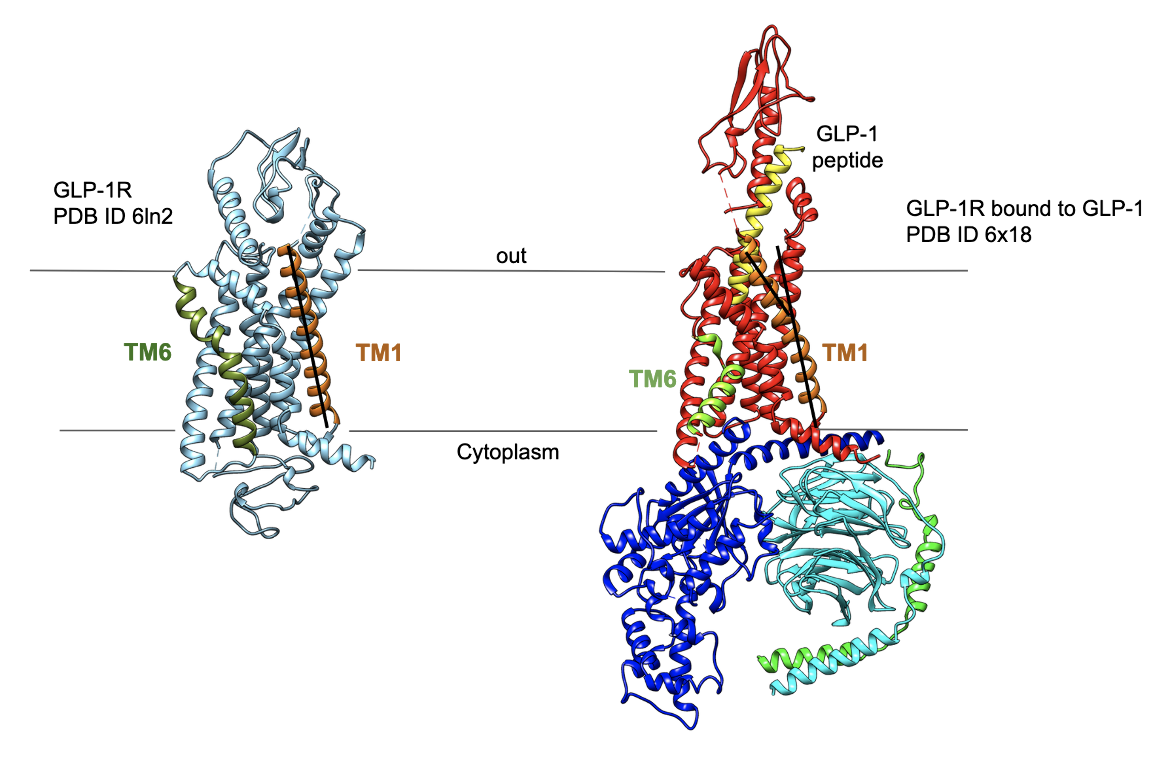
The GLP-1 receptor is a G protein-coupled receptor (GPCR) found on the surface of various cell types, including beta cells of the pancreas and neurons of the brain. It plays a crucial role in regulating blood sugar levels by enhancing insulin secretion and inhibiting glucagon release. The GLP-1 receptor is also involved in appetite regulation, energy homeostasis, and cardiovascular health.

The Evolution of GLP-1RAs
Originally developed for the treatment of type 2 diabetes, GLP-1RAs have expanded their therapeutic reach to encompass a range of metabolic disorders, including obesity, cardiovascular disease, and even certain neurological conditions. These agents work by mimicking the actions of the natural GLP-1 hormone, which is released in response to meal intake and stimulates insulin secretion and inhibits glucagon release. By activating the GLP-1 receptor, GLP-1RAs can improve glycemic control, slow gastric emptying, and regulate appetite-controlling hormones in the brain.