Unlocking the Potential of Composite Frame Energy Efficiency
In today's world, energy efficiency has become a top priority for homeowners and builders alike. With the increasing concerns about climate change and the need to reduce our carbon footprint, it's essential to explore innovative solutions that can help minimize energy consumption while maintaining a comfortable living space. One such solution is composite frame energy efficiency, which combines the best features of different materials to provide a durable, low-maintenance, and energy-efficient solution.
The Importance of Frame Materials in Energy Efficiency
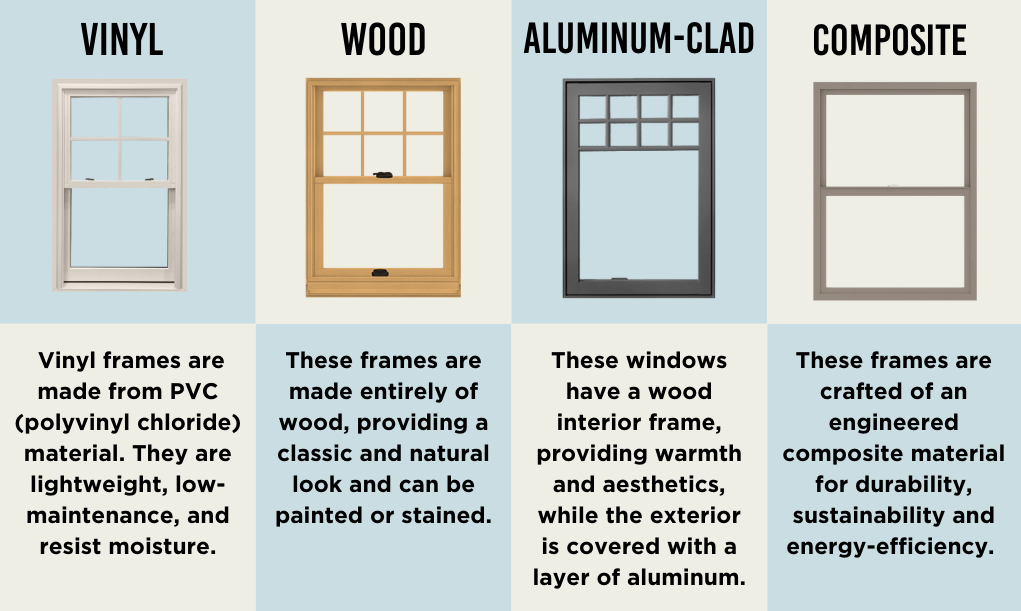
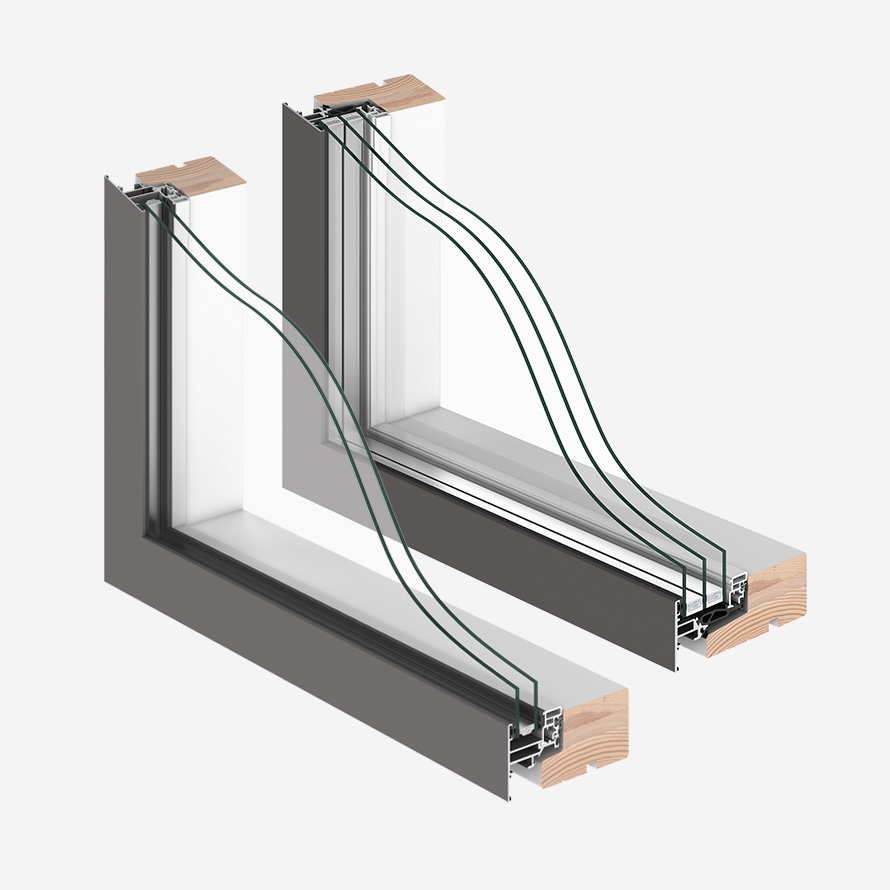
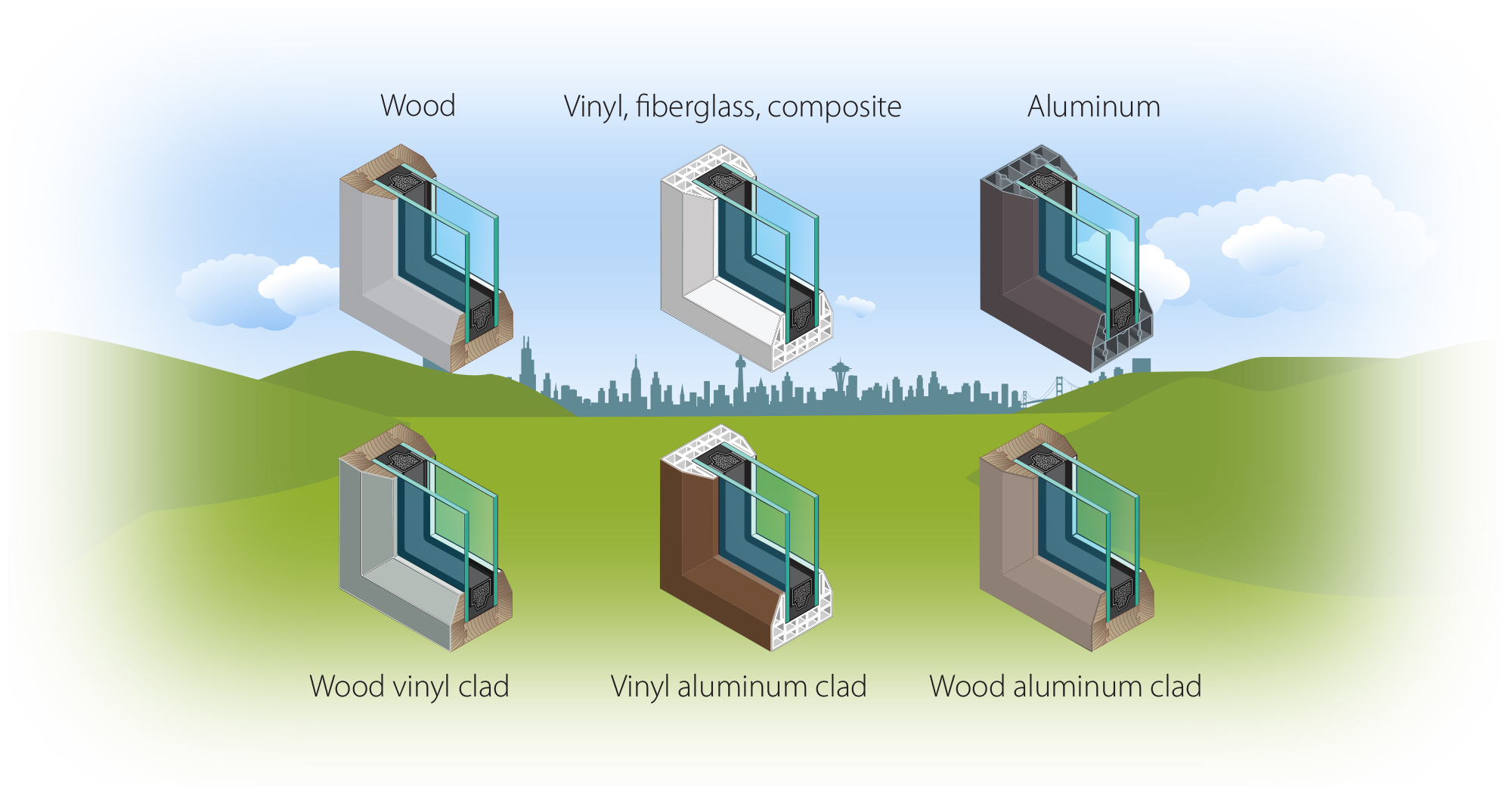
Frames and sashes play a crucial role in determining the overall energy efficiency of a window. The thermal resistance of the frame can significantly impact a window's heat loss rate or U-factor. While metal frames have been used for decades, they have some drawbacks, such as low thermal resistance and high maintenance requirements. However, modern materials like vinyl, wood, fiberglass, and composite frames offer improved thermal resistance and durability, making them ideal for energy-efficient windows.
Composite Frames: A Cost-Effective and Energy-Efficient Solution
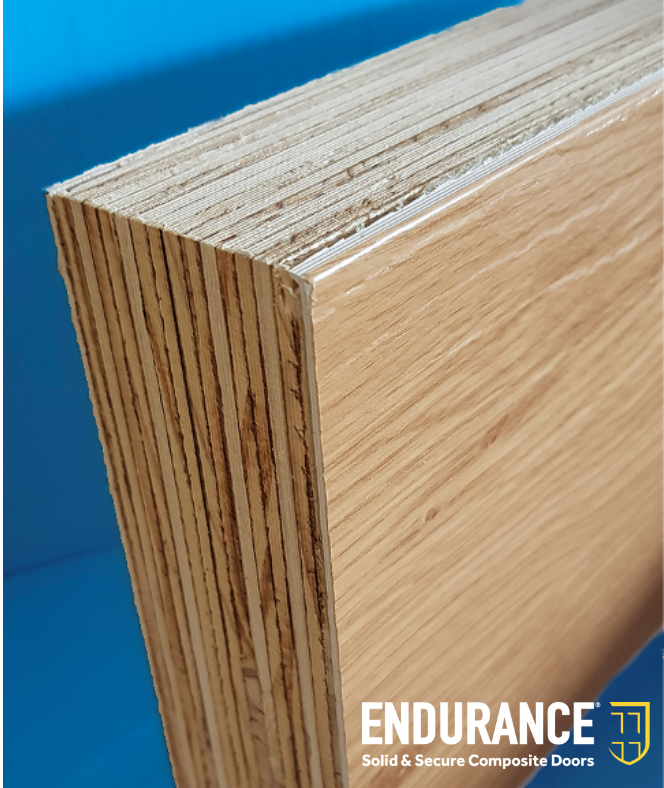
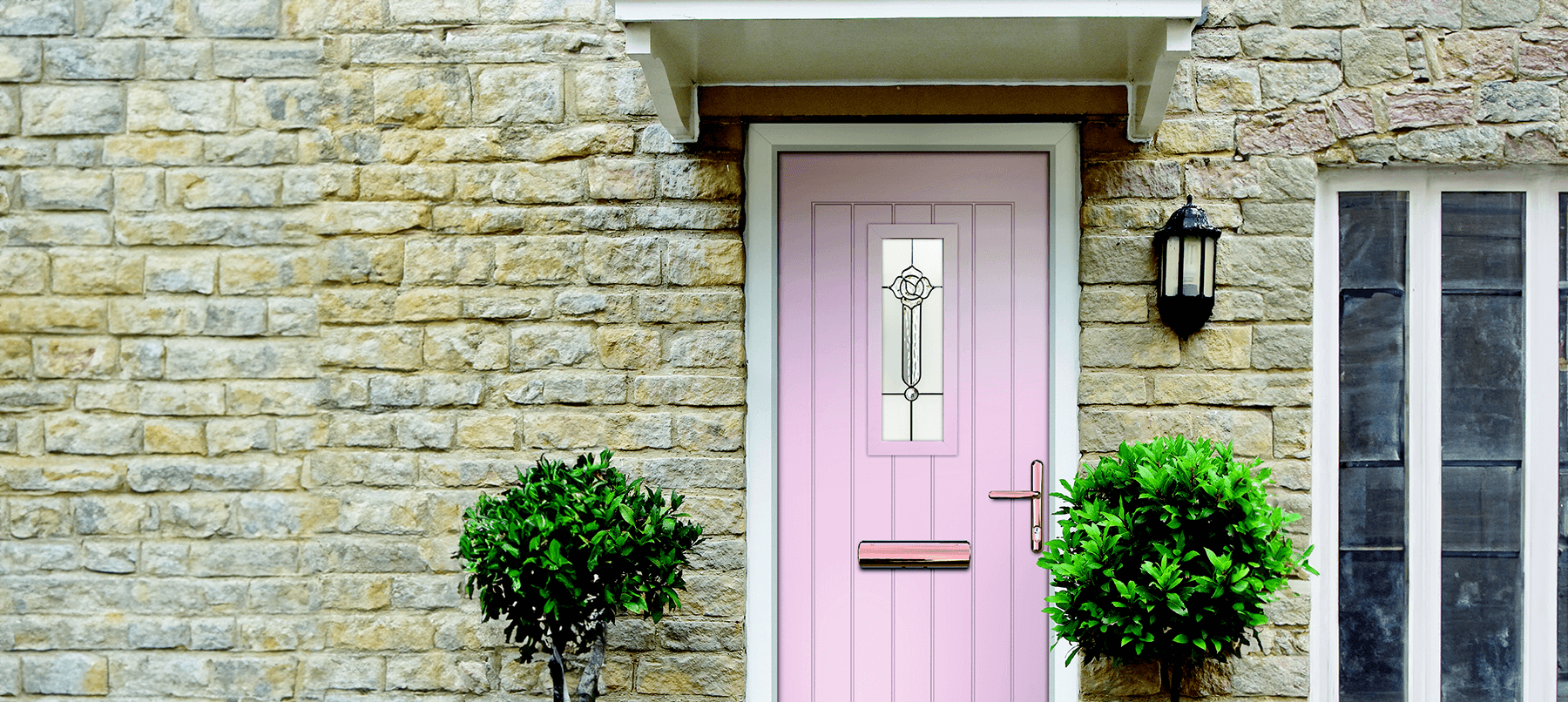
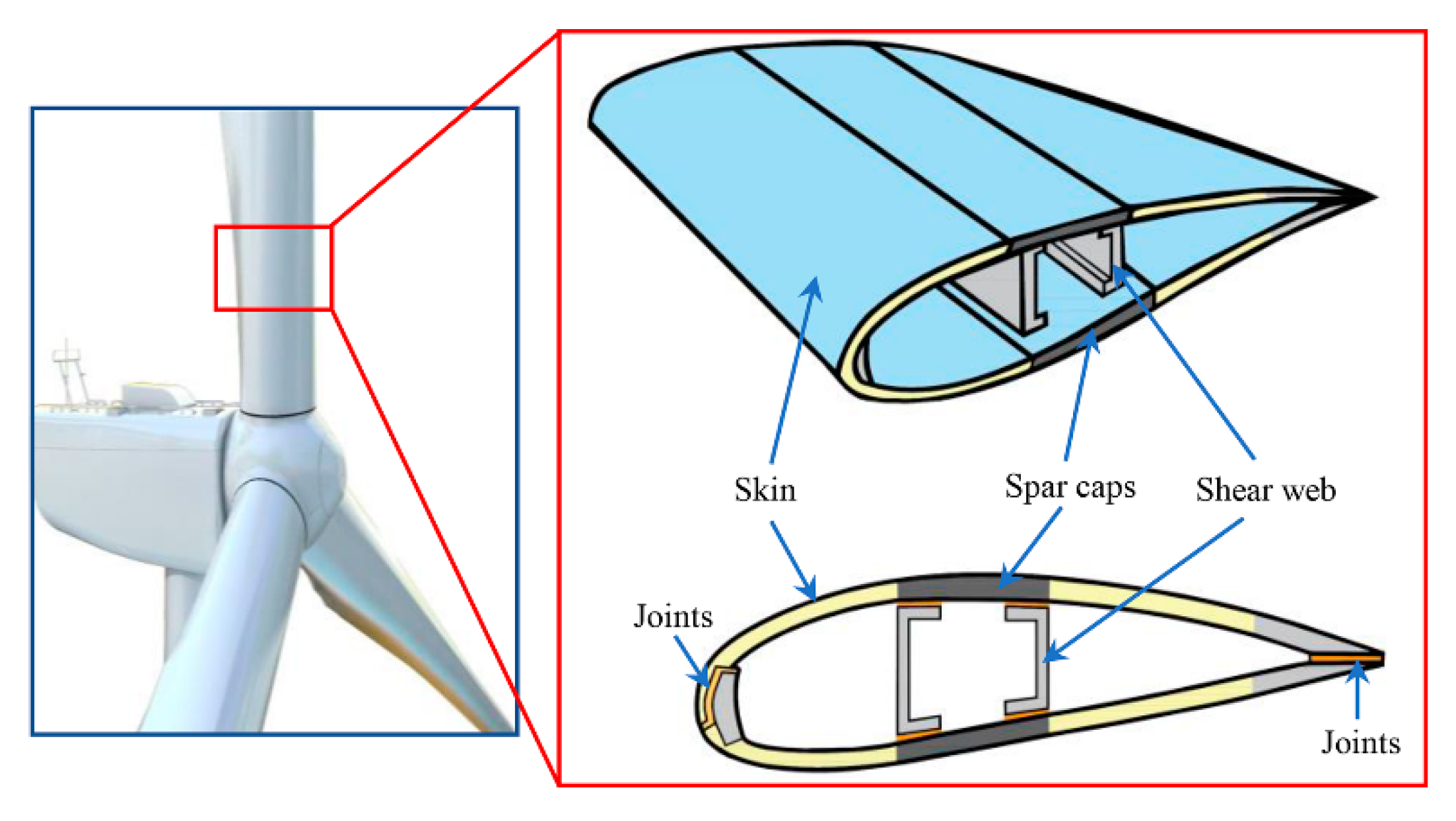
Composite frames combine the strength of wood with the low maintenance of vinyl, making them a versatile option suitable for various climates and architectural styles. This innovative material can provide a durable and energy-efficient solution without compromising on aesthetics. Composite frames are engineered to resist rot, cracking, and weather damage, performing better than traditional wood frames in tough conditions.