Understanding the Link Between Cardiovascular Disease and GLP-1: A Comprehensive Review
Glucagon-like peptide-1 (GLP-1) receptor agonists have revolutionized the treatment of type 2 diabetes, offering significant improvements in glycemic control and cardiovascular outcomes. In addition to their well-established benefits in diabetes management, GLP-1 receptor agonists have been found to have a protective effect on the cardiovascular system, reducing the risk of heart attack, stroke, and other cardiovascular events. In this article, we will delve into the relationship between cardiovascular disease and GLP-1, exploring the underlying mechanisms, clinical evidence, and implications for patient care.
GLP-1 Receptor Agonists and Cardiovascular Disease
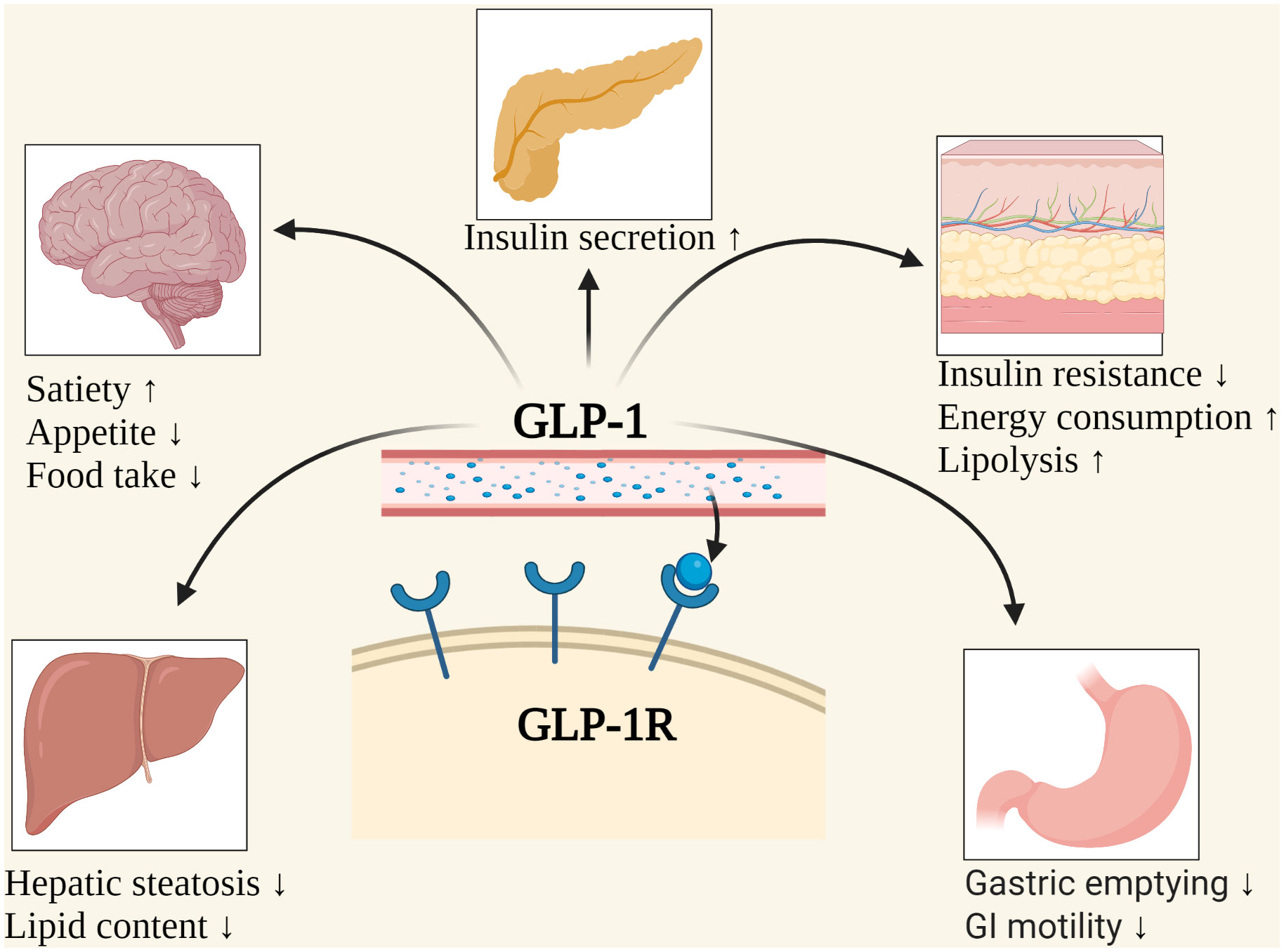
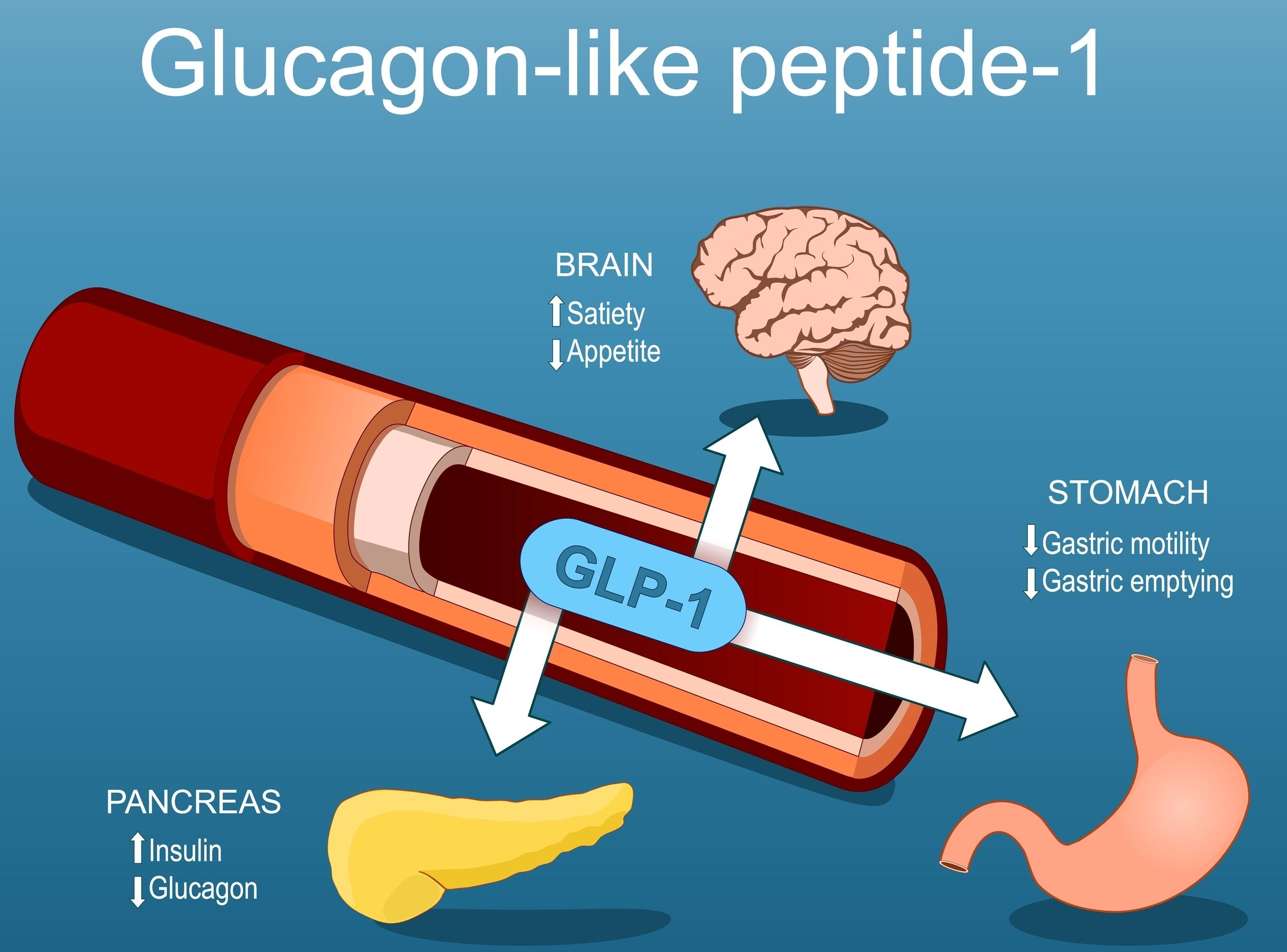
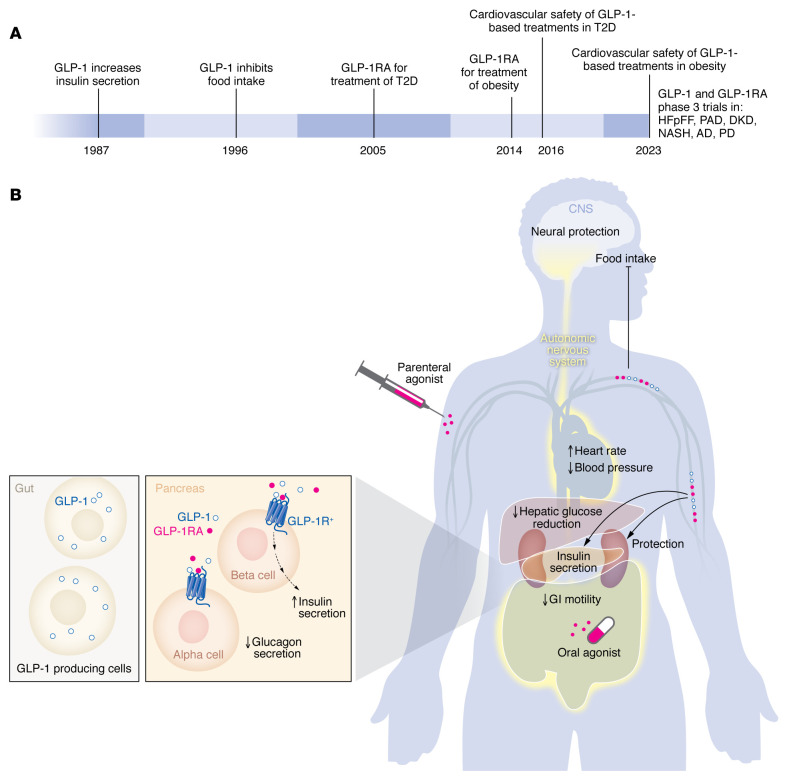
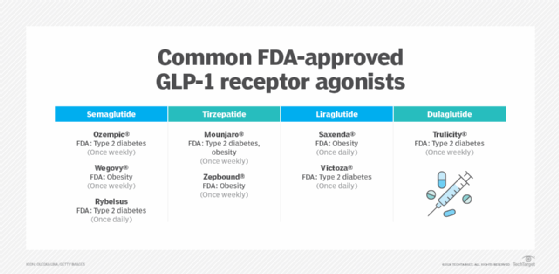
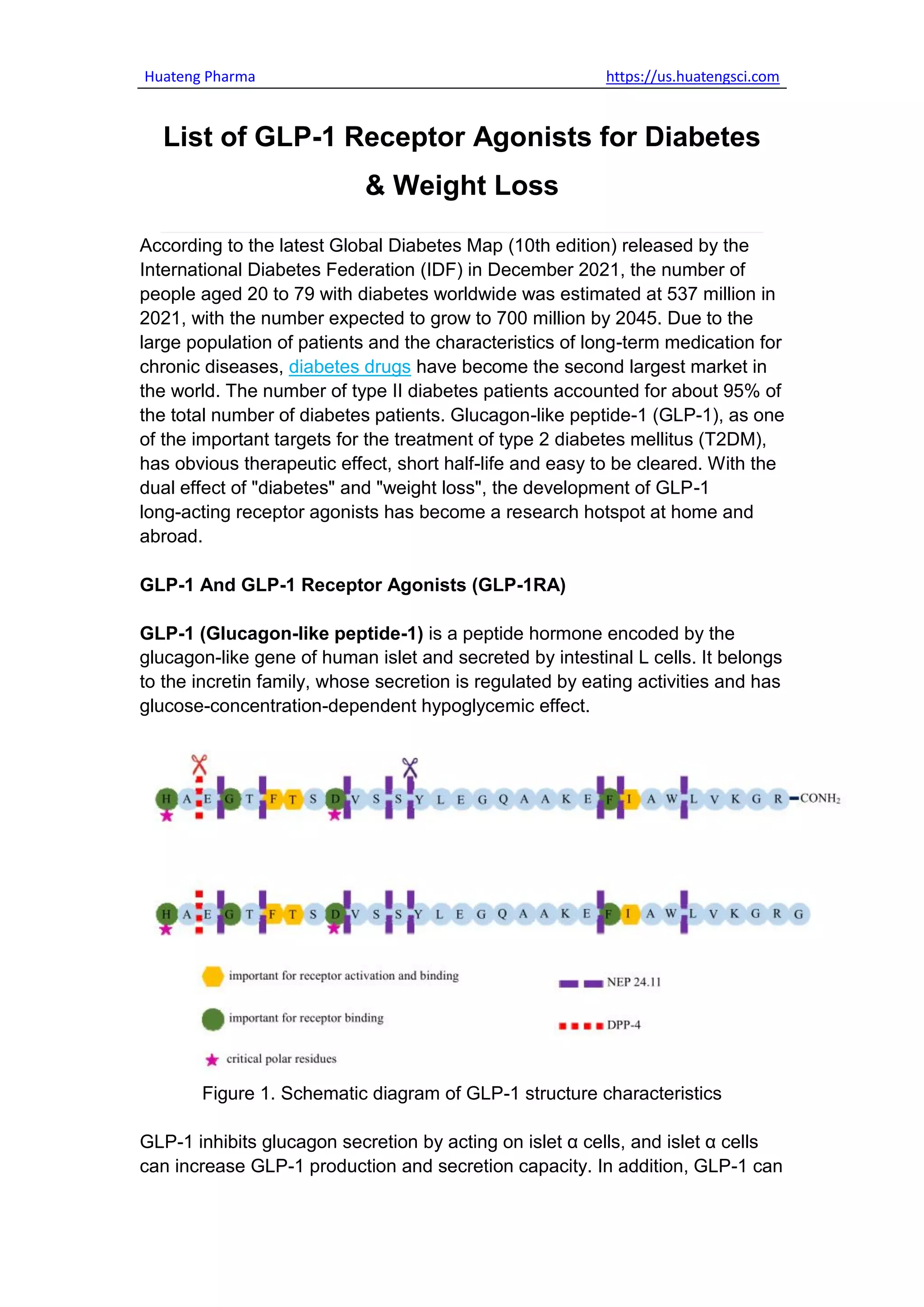
GLP-1 receptor agonists, such as semaglutide and liraglutide, work by binding to the GLP-1 receptor, which is present in various tissues, including cardiomyocytes and blood vessels. This interaction triggers a cascade of signaling pathways that lead to several beneficial effects on the cardiovascular system. These include improved glucose metabolism, enhanced insulin sensitivity, and reduced inflammation, all of which contribute to a decreased risk of cardiovascular disease.
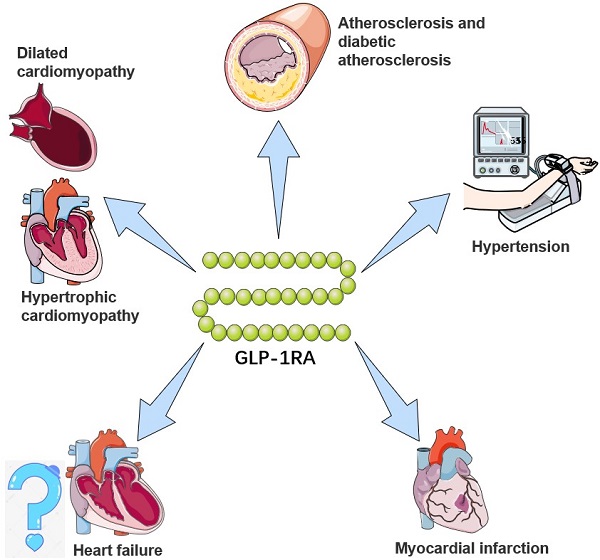
Benefits of GLP-1 Receptor Agonists in Cardiovascular Disease
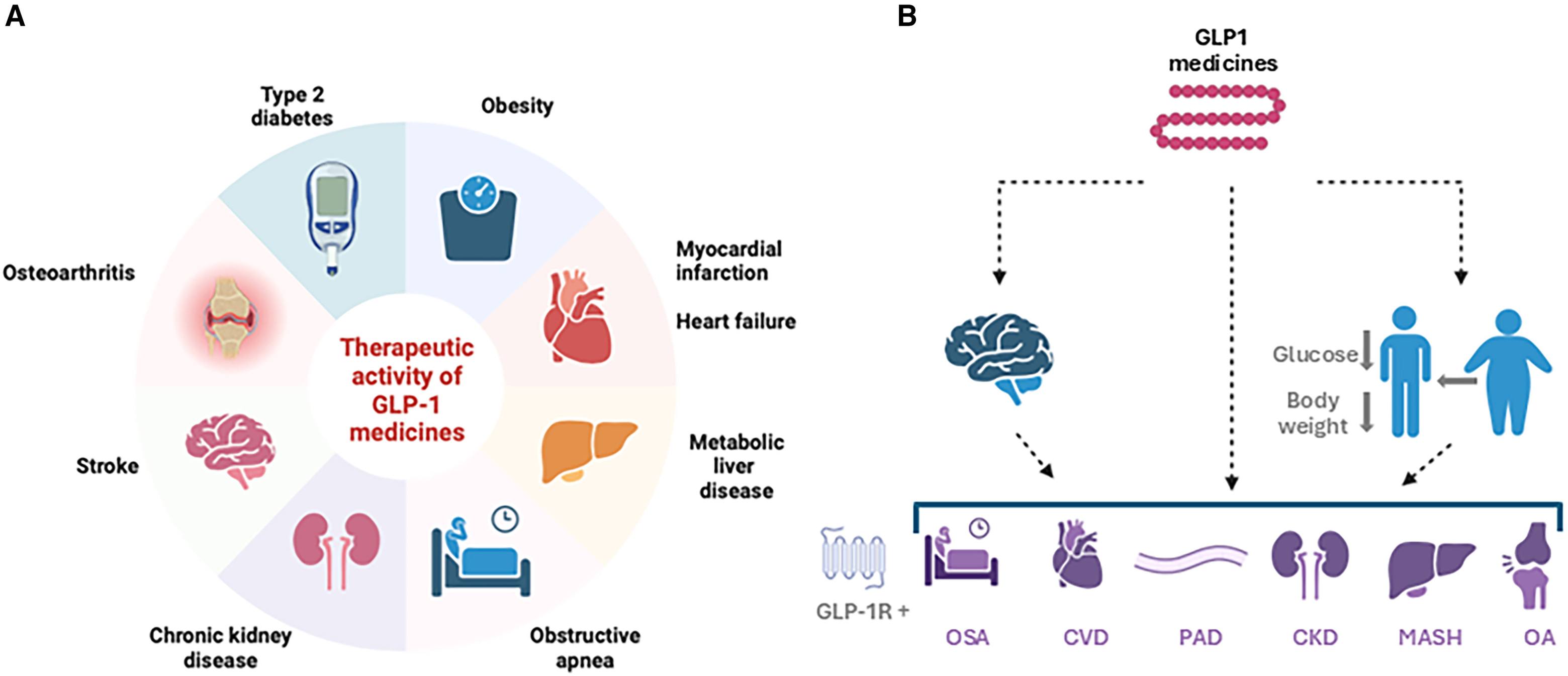
- Reduced risk of heart attack and stroke: GLP-1 receptor agonists have been shown to lower the risk of major adverse cardiovascular events, including heart attack and stroke, in patients with type 2 diabetes and those without diabetes.
- Improved cardiovascular outcomes: Studies have demonstrated that GLP-1 receptor agonists can reduce the risk of cardiovascular mortality, heart failure, and other cardiovascular events.
- Weight loss and improved metabolic health: GLP-1 receptor agonists can lead to significant weight loss and improvements in metabolic health, which are associated with reduced cardiovascular risk.
- Protection against kidney disease: GLP-1 receptor agonists have been found to slow the progression of kidney disease and reduce the risk of end-stage renal disease.