Calorie Counting for Patients with Non-Alcoholic Fatty Liver Disease
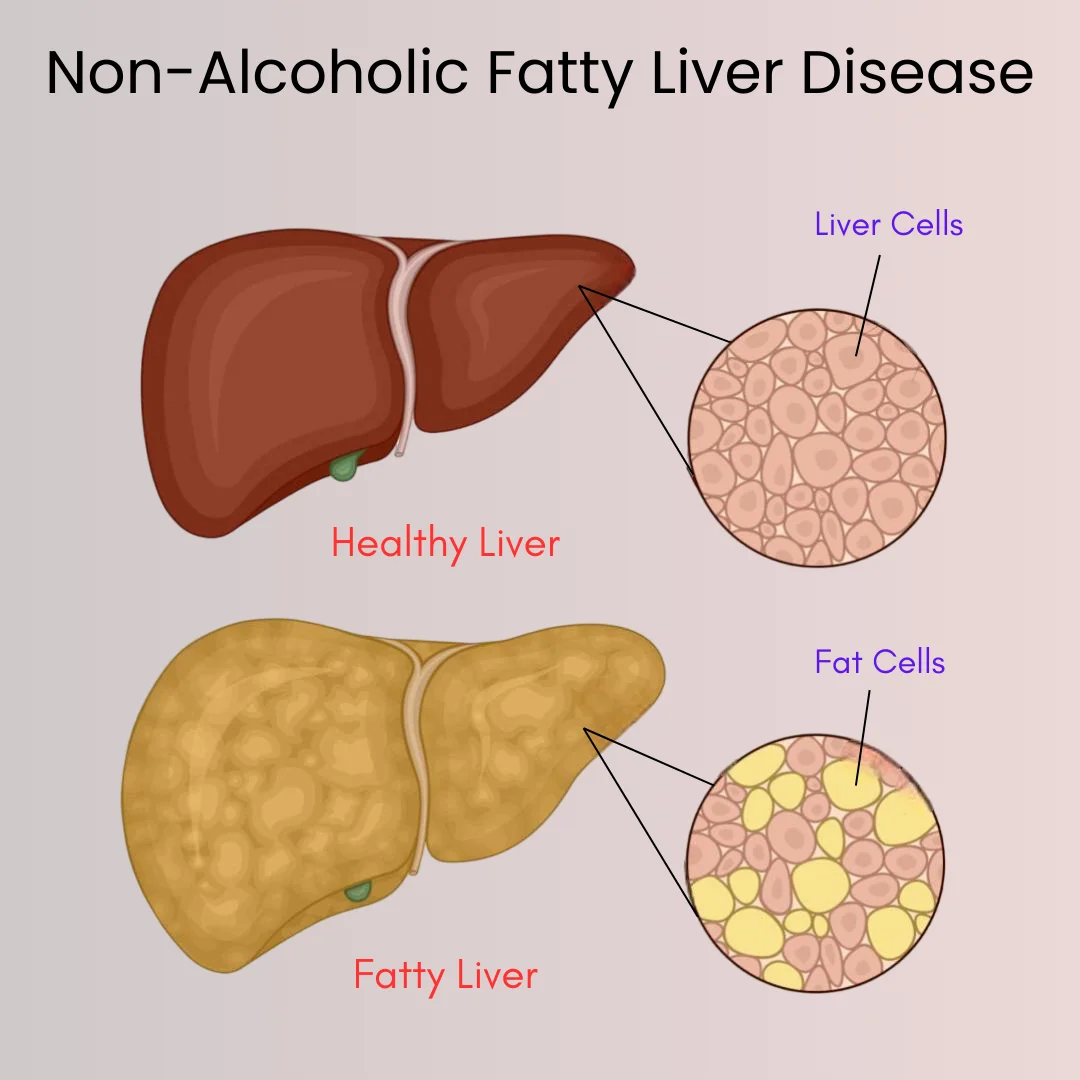
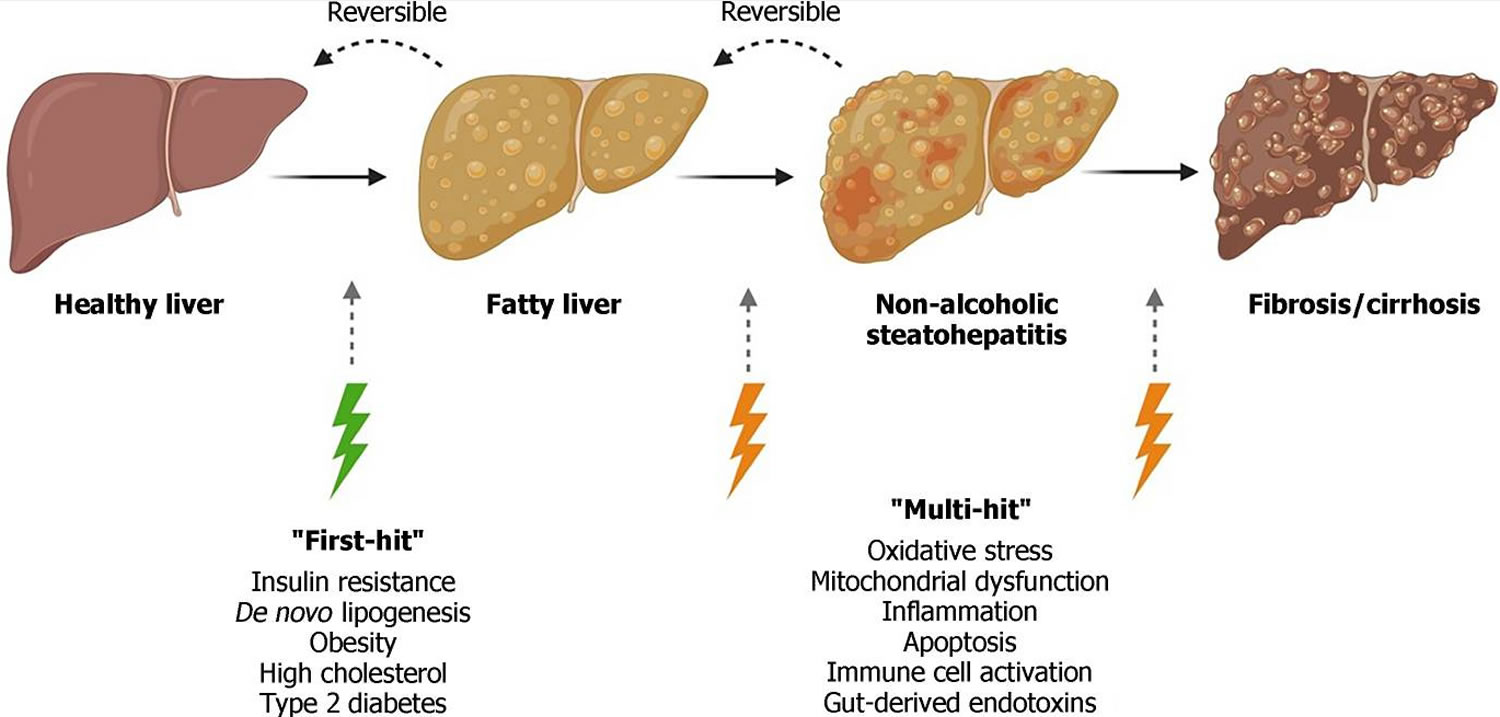
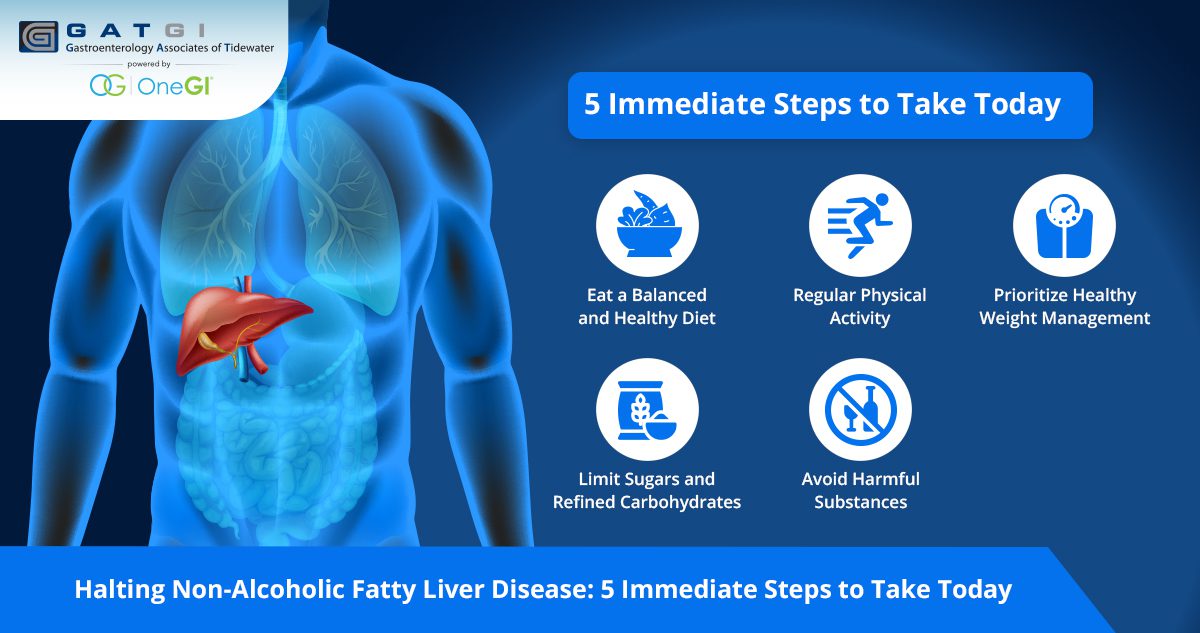
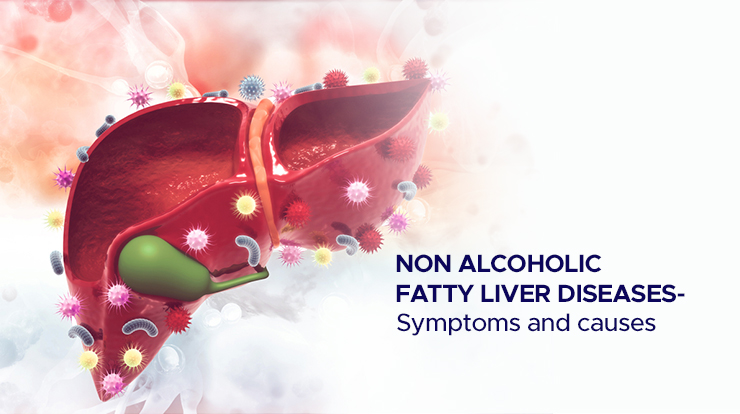
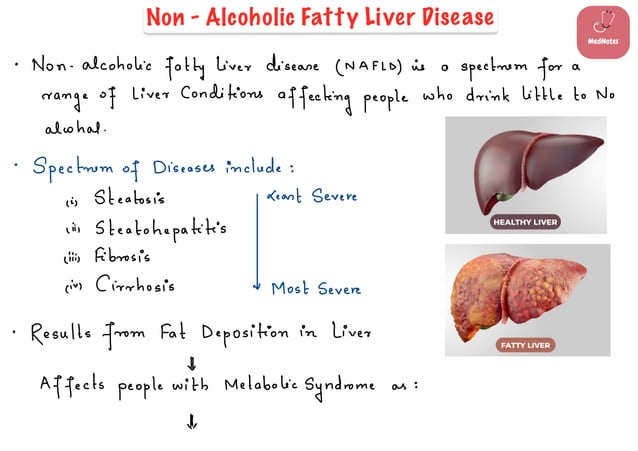
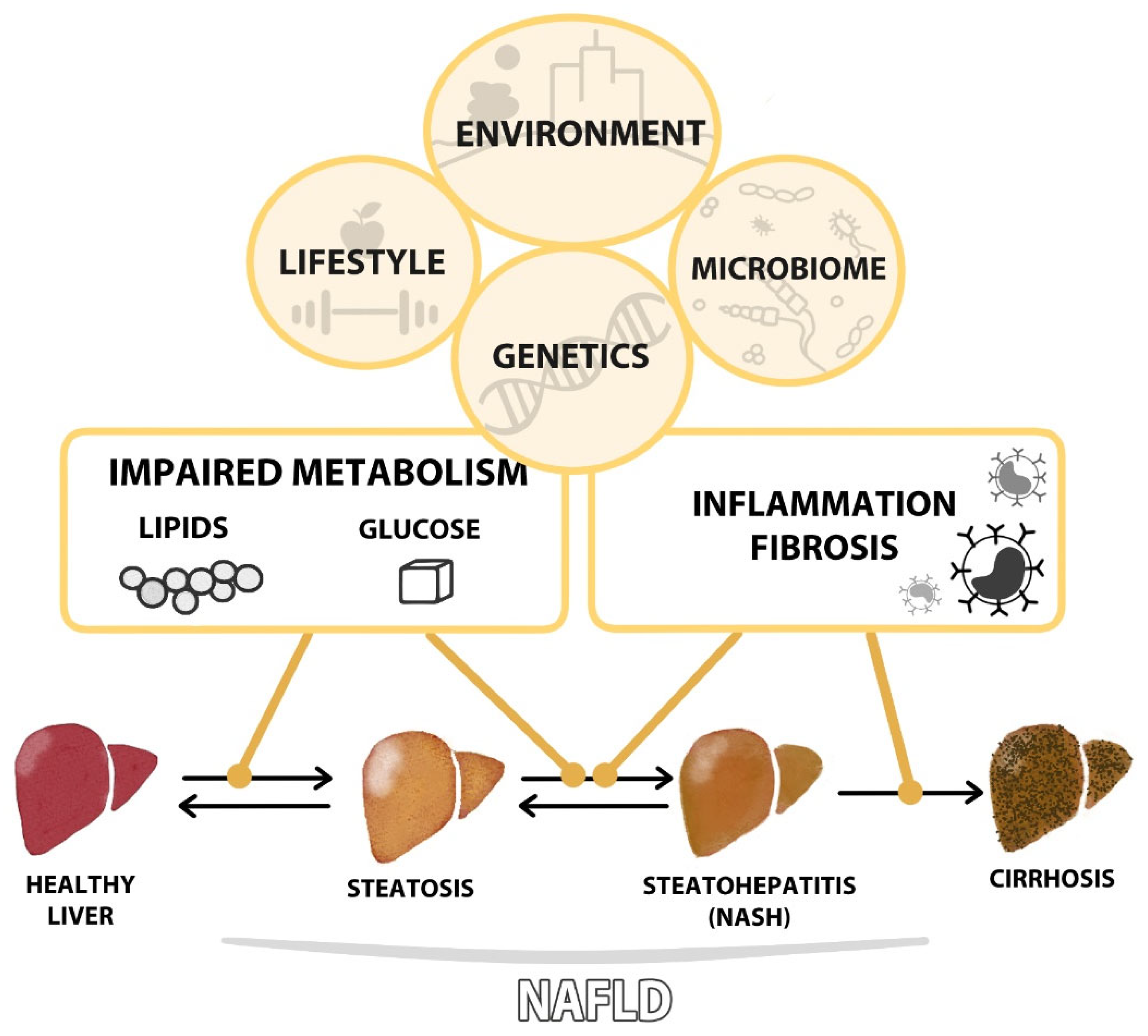
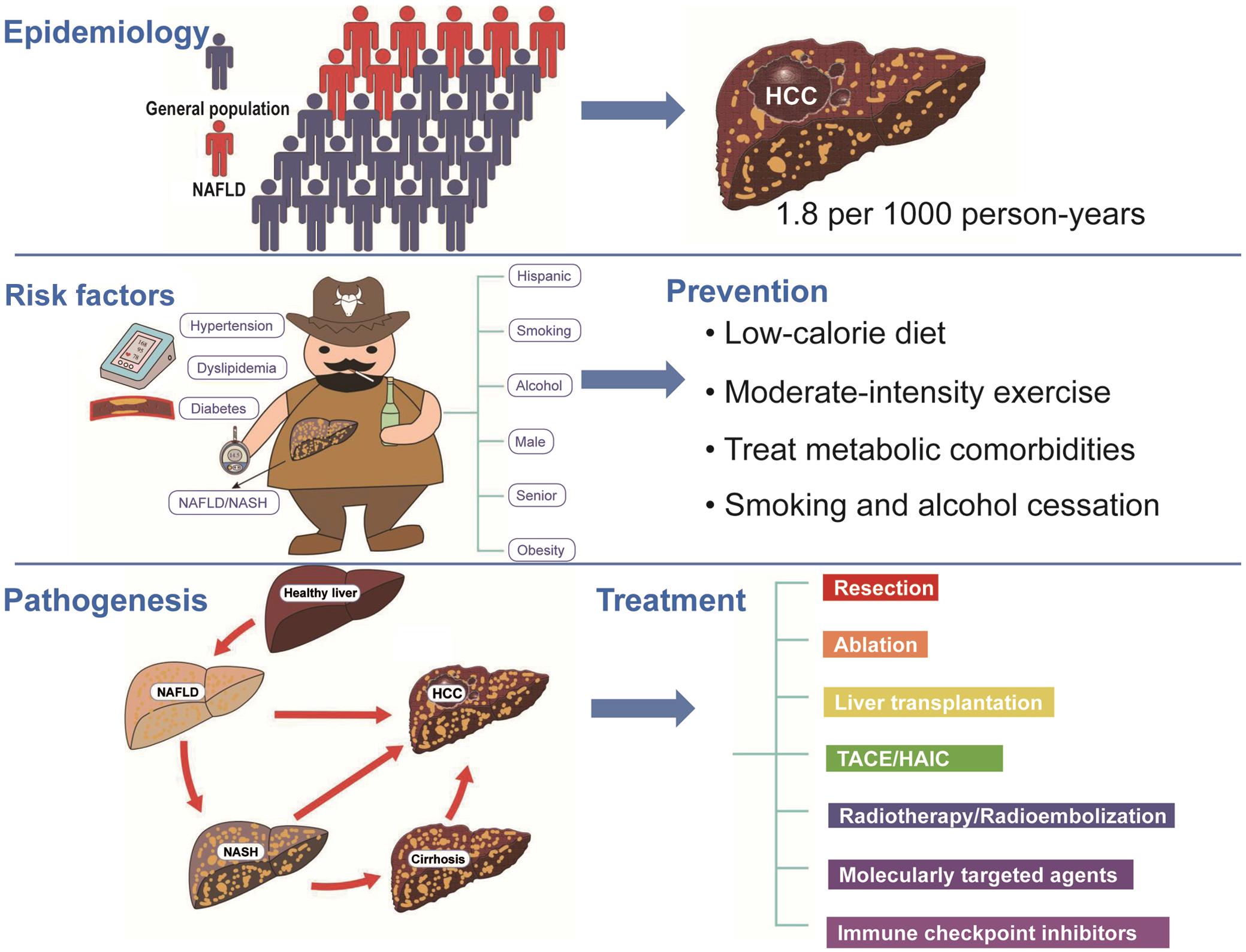
Non-alcoholic fatty liver disease (NAFLD) is a growing concern worldwide, affecting millions of individuals across various age groups. This condition is characterized by the accumulation of excess fat in the liver, often linked to obesity, insulin resistance, and high cholesterol. Effective management and treatment of NAFLD require a multifaceted approach, emphasizing lifestyle changes, including dietary modifications and weight loss.
The Importance of Calorie Counting for NAFLD
Calorie counting plays a vital role in the management and treatment of NAFLD. Patients with this condition often experience weight gain and insulin resistance, further exacerbating liver damage. By adopting a calorie-restricted diet, patients can achieve weight loss and improve their insulin sensitivity, thereby reducing liver inflammation and fat accumulation.
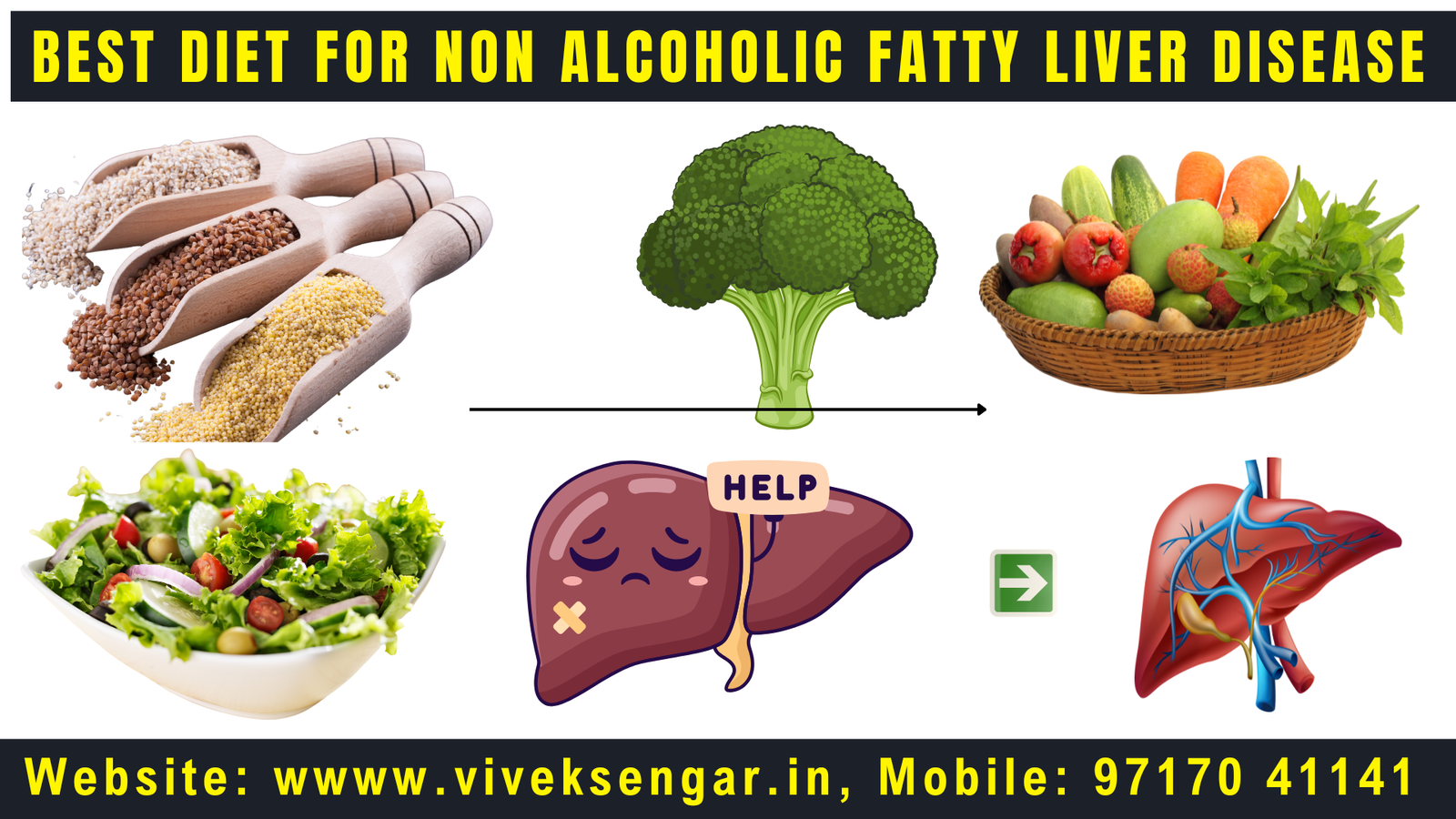
Individualized Calorie Counting for NAFLD Patients
When it comes to calorie counting for patients with NAFLD, a personalized approach is essential. Each patient's nutritional needs and health status are unique, and a tailored calorie plan will take these factors into account. A registered dietitian or healthcare provider can work closely with the patient to determine their daily calorie needs, considering factors such as age, sex, weight, height, and activity level.