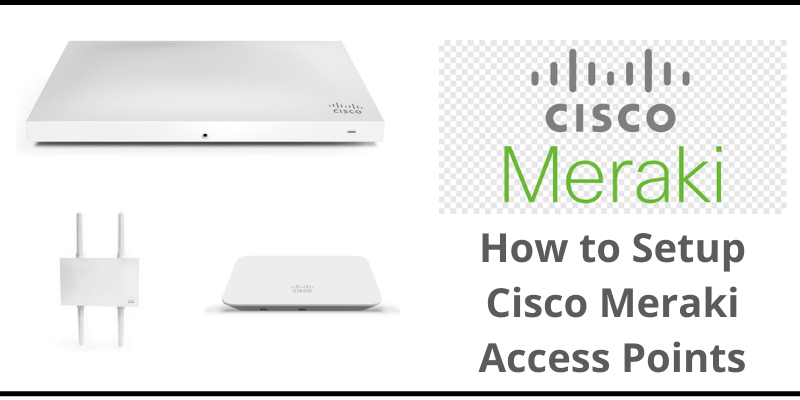
Access Point Setup For IoT Devices: A Comprehensive Guide
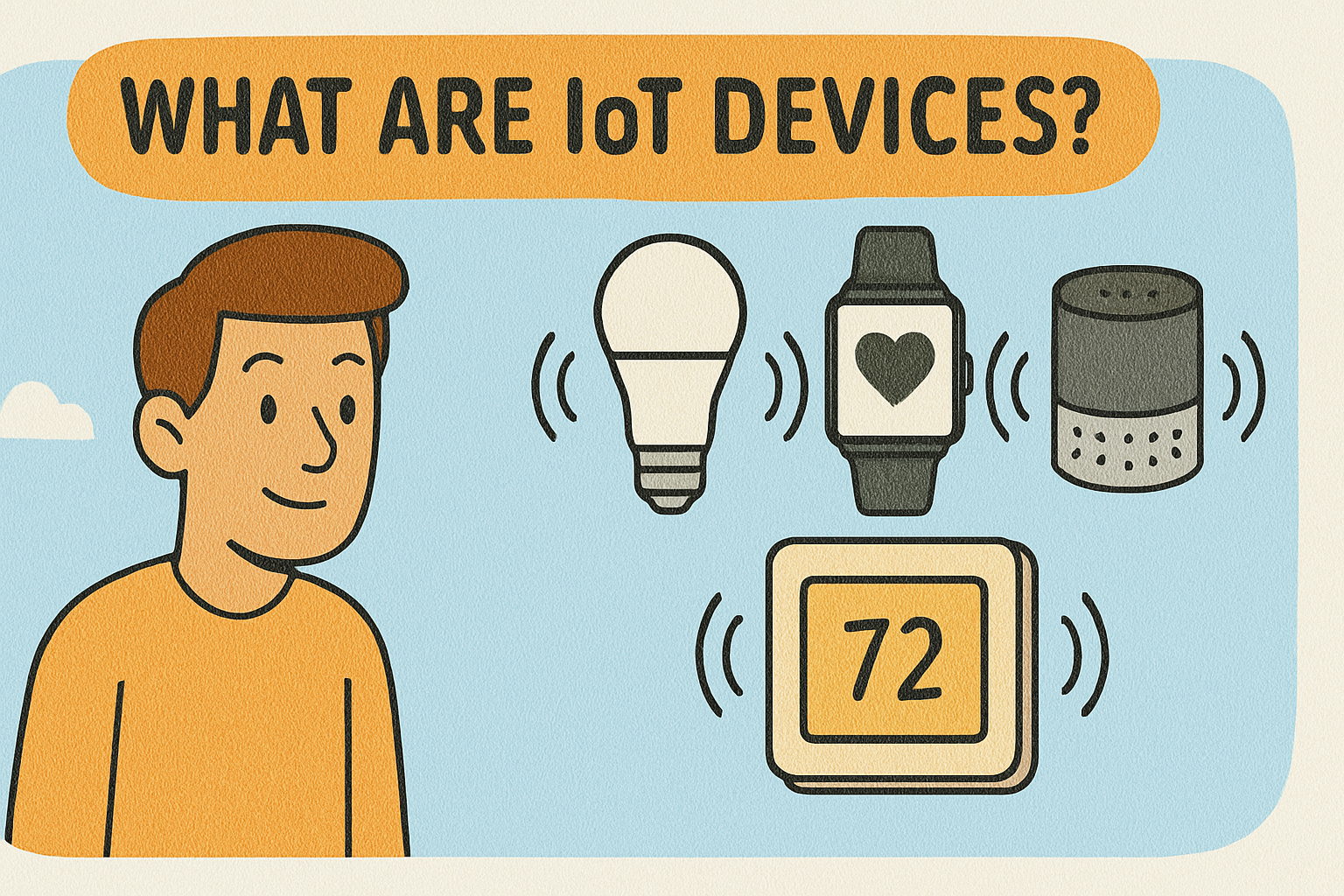
In the rapidly evolving world of the Internet of Things (IoT), ensuring seamless communication between devices and the network is crucial. An Access Point (AP) plays a vital role in this setup, enabling devices to connect to the network wirelessly. In this article, we'll delve into the world of Access Point setup for IoT devices, exploring the best practices, considerations, and benefits.
Understanding the Basics of Access Points for IoT
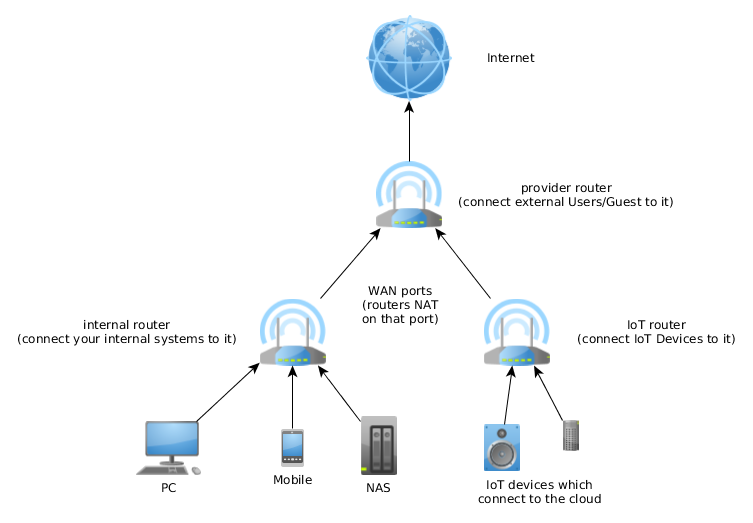
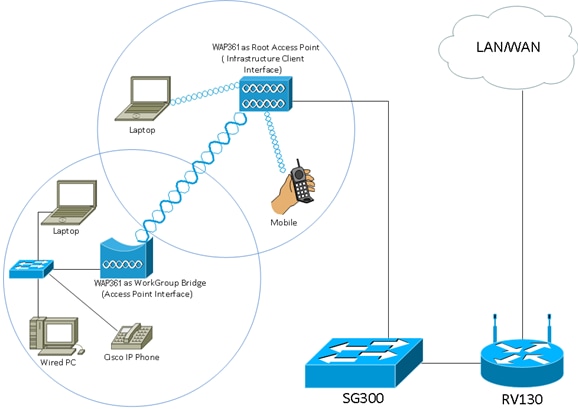
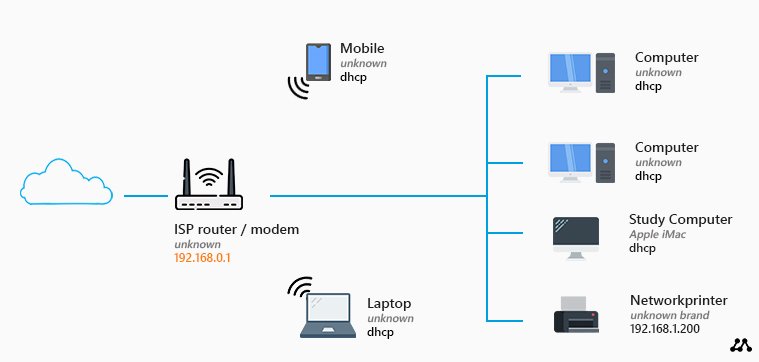
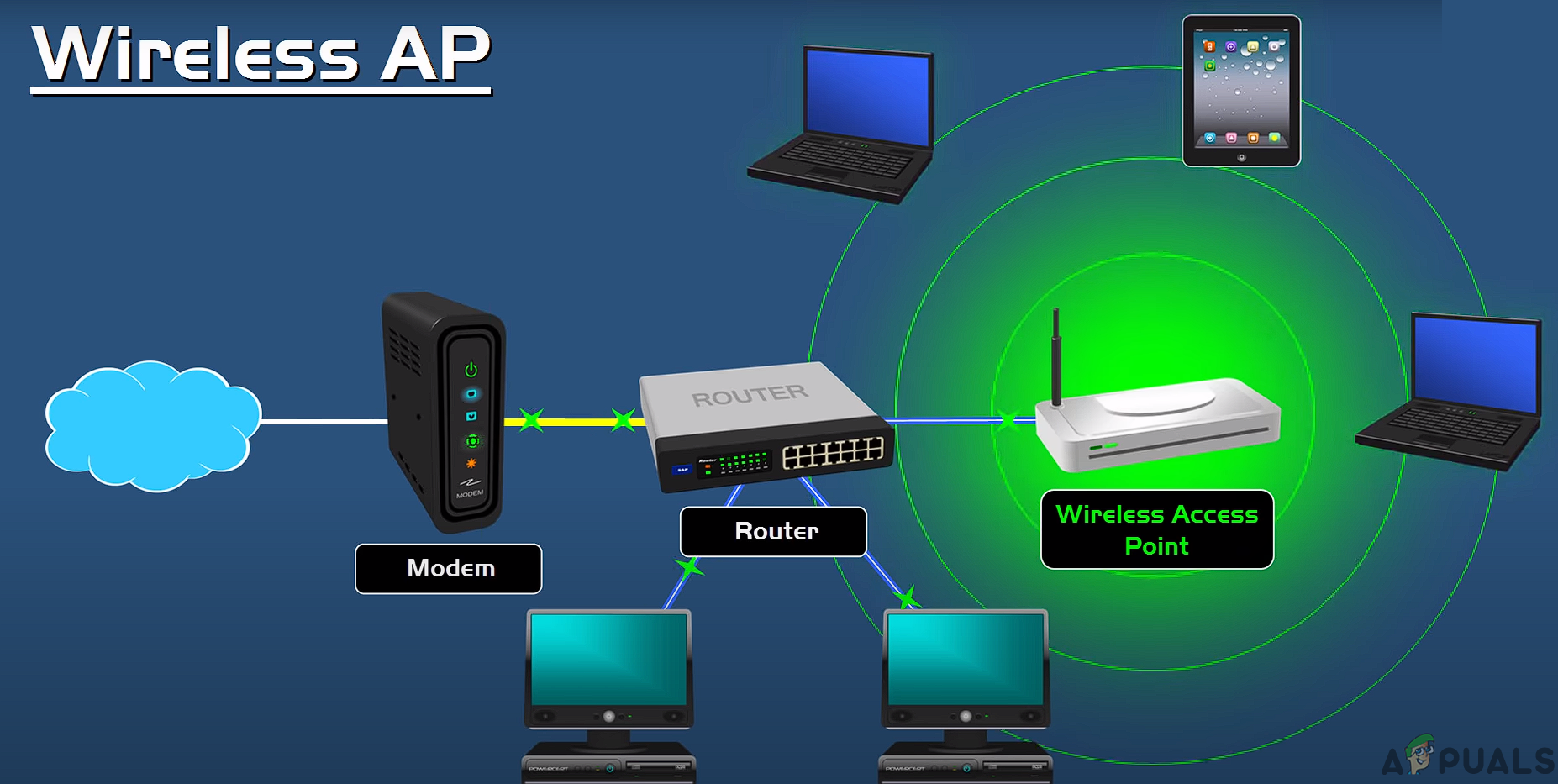
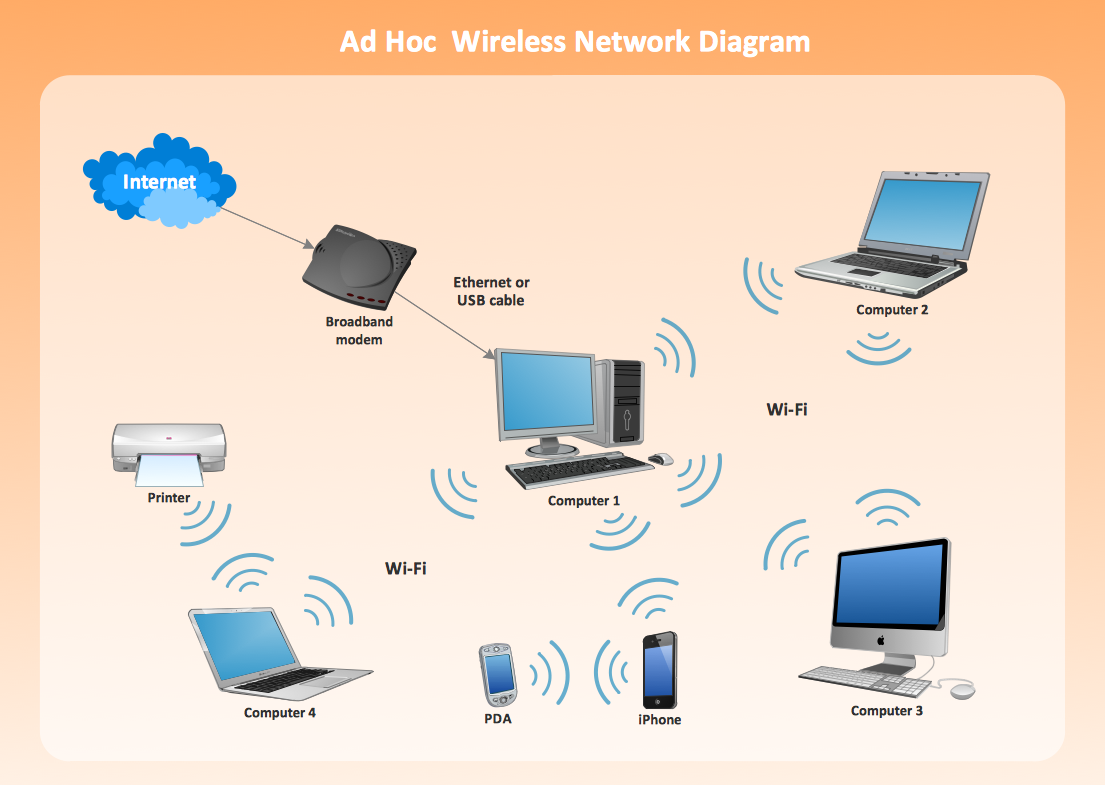
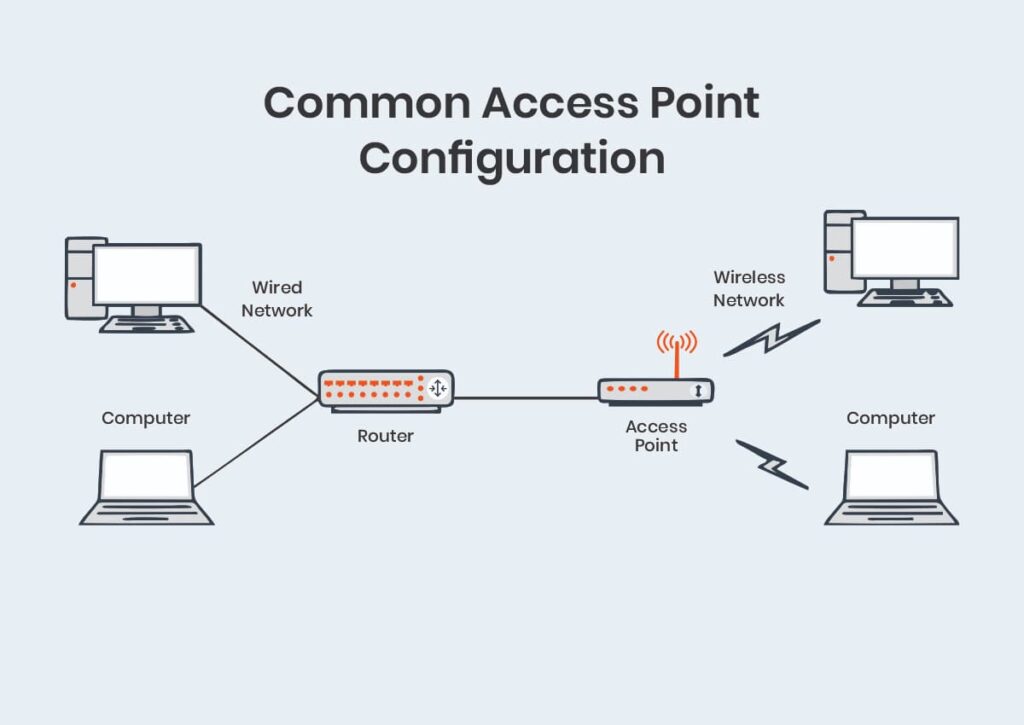
Access Points are network devices that allow wireless devices to connect to a wired network. In the context of IoT, APs are used to connect devices such as sensors, actuators, and smart devices to the network. The primary function of an AP is to act as a bridge between the wireless and wired networks, facilitating communication between devices and the network.

Setting Up Access Points for IoT Devices
-
Choose the Right AP
When selecting an AP for your IoT setup, consider factors such as range, coverage, and compatibility. Ensure that the AP supports the necessary protocols, such as Wi-Fi or Bluetooth Low Energy, to connect your IoT devices.
-
Configure the AP
Configure the AP settings, including the network name, password, and security settings. Ensure that the AP is set to transmit on the correct channel to minimize interference with other devices.
-
Implement Security Measures
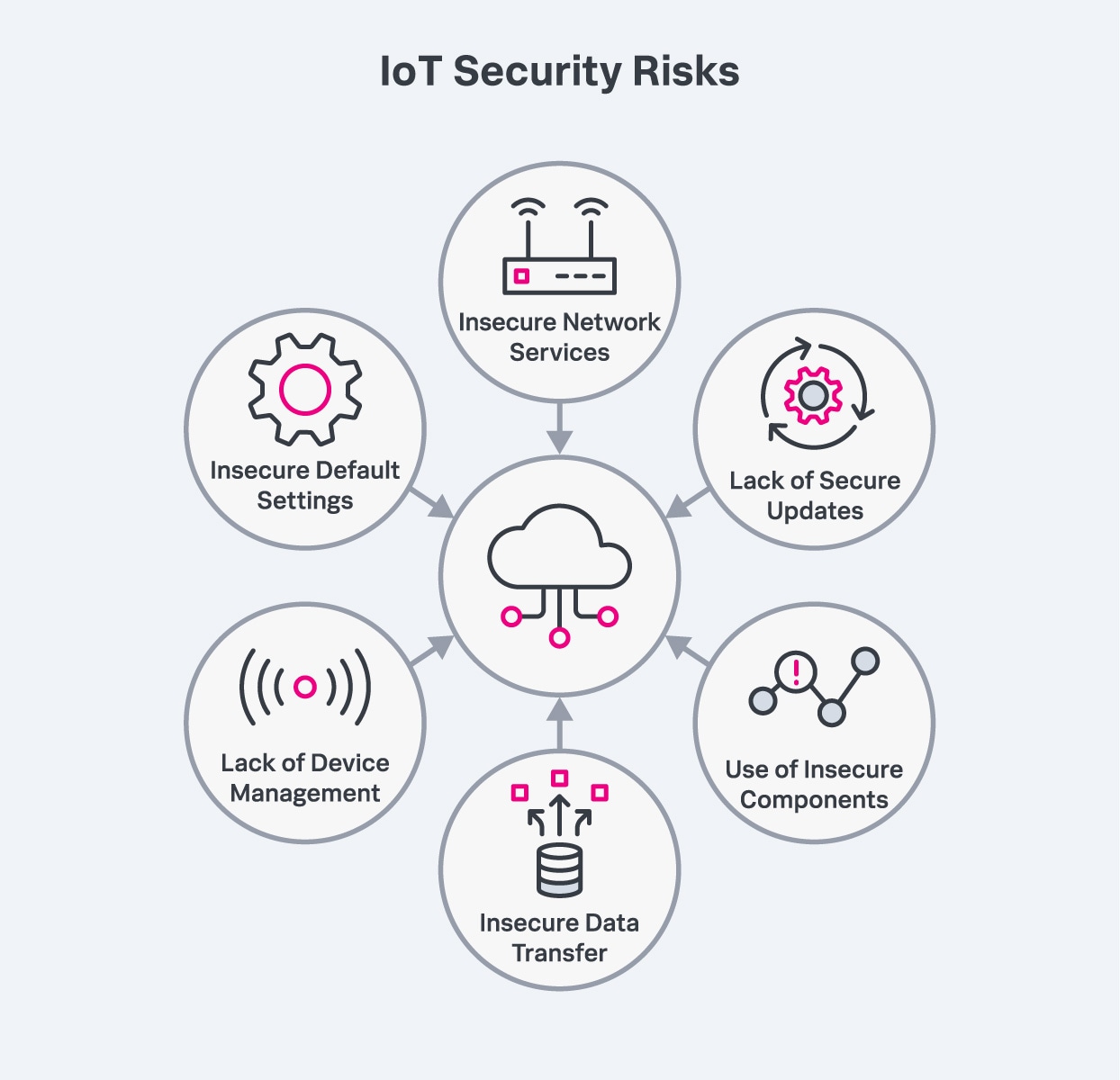
Implement robust security measures to protect your AP and IoT devices from unauthorized access. Use WPA2 or WPA3 encryption, as well as MAC address-based authentication, to ensure secure communication.
-
Ensure Reliable Connectivity
Monitor the AP's performance and ensure that it can handle the number of devices connected to it. Implement Quality of Service (QoS) settings to prioritize critical data transmission and prevent dropped connections.